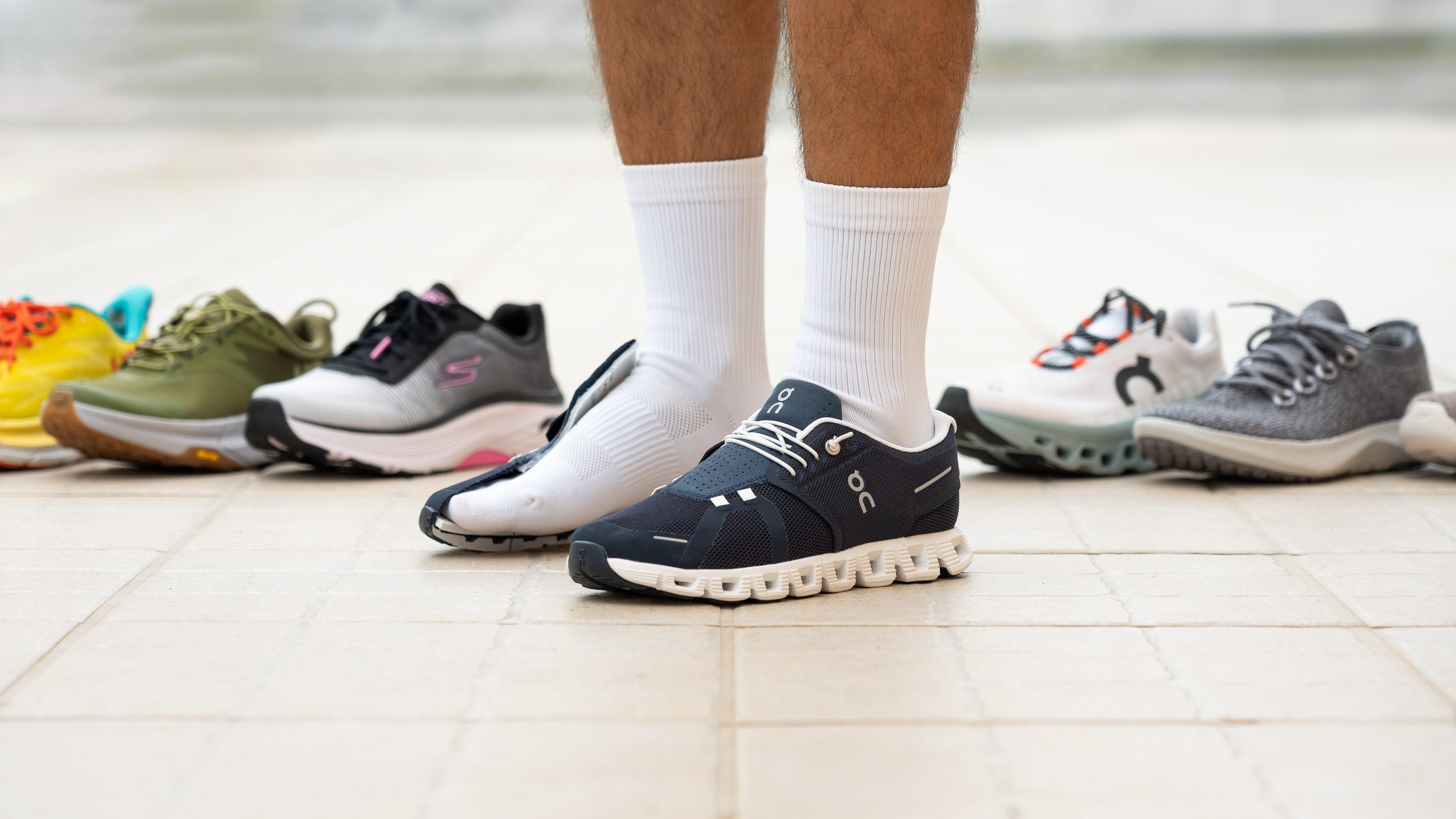
Discover the Best Podiatrist Recommended Walking Shoes for All-Day Comfort
Your feet are the foundation of your movement, and the shoes you choose can either support or sabotage your daily comfort and long-term health. For anyone who spends significant time on their feet—whether walking for fitness, navigating a busy workday, or exploring new places—the quest for the perfect walking shoe is paramount. This isn’t merely about fashion or brand loyalty; it’s a physiological necessity. The wrong footwear can lead to a cascade of issues, from immediate blisters and aches to chronic conditions like plantar fasciitis, bunions, and knee or back pain. Conversely, the right pair acts as a personal orthotic system, promoting proper alignment, absorbing impact, and providing a stable platform for every step. This guide cuts through marketing hype to focus on the core principles that define truly supportive footwear, drawing from podiatric science and expert recommendations to help you make an informed choice that prioritizes your well-being above all else.
The Science of Support: Why Your Feet Deserve Expert-Approved Footwear
To understand the critical importance of podiatrist recommended walking shoes, we must first delve into the biomechanics of walking. The human foot is a complex structure of 26 bones, 33 joints, and over 100 muscles, tendons, and ligaments. During a single step, forces equivalent to 1.5 times your body weight travel through your feet. Over the course of a day, this accumulates into tons of stress. A podiatrist, a medical specialist in foot and ankle health, evaluates footwear based on its ability to manage this stress and maintain the foot’s natural function. Key scientific criteria include arch support, which prevents overpronation (excessive inward rolling) or supination (outward rolling); adequate cushioning in the heel and forefoot to dissipate shock; a heel counter (the back part of the shoe) that is rigid enough to stabilize the rearfoot; and a flexible yet supportive sole that allows for a natural gait cycle. As noted in resources from institutions like the American Podiatric Medical Association (APMA), shoes bearing their Seal of Acceptance have been reviewed by a committee of podiatrists and found to promote good foot health. This objective, clinical validation is what separates genuine supportive shoes from those that merely claim comfort. The goal is not to create a soft, plush cocoon, but rather a structured environment that guides the foot into its healthiest position with every step you take.
:max_bytes(150000):strip_icc()/I-Asked-Podiatrists-for-Their-Fall-Shoe-Recommendations-These-Are-Their-Top-8-Picks-8fbdf9d65f3a4228ae63f6e5253dc08c.jpg)
Arch Type and Gait Analysis: The Foundational First Step
Before you even look at a shoe, you must understand your own feet. The concept of arch type—neutral, low (flat feet), or high—is fundamental. A simple “wet test” (stepping onto a dry surface with a wet foot) can provide a basic impression, but a podiatrist can perform a comprehensive gait analysis. This process, often using pressure plates and video, reveals how your foot strikes the ground, rolls, and pushes off. This data is invaluable. For instance, individuals with flat feet and overpronation often require podiatrist recommended walking shoes with motion control or stability features to prevent the arch from collapsing and the ankle from rolling inward. Those with high arches, which are often rigid and underpronate (supinate), typically need shoes with enhanced cushioning and flexibility to compensate for their foot’s natural lack of shock absorption. Renowned running and walking coach Jeff Galloway has often emphasized that “shoes are the most important piece of equipment for a walker,” and choosing the wrong type for your gait is a primary cause of injury. Ignoring your biomechanical blueprint is like building a house on an unstable foundation; eventually, the structure—your knees, hips, and back—will show signs of wear and tear.
Deconstructing the Ideal Walking Shoe: Component by Component
Let’s dissect what makes a walking shoe worthy of professional endorsement. First, the upper: it should be made of breathable, flexible materials like mesh to prevent overheating and allow for natural foot expansion. The toe box must be wide and deep enough to let your toes splay naturally without constriction, a point frequently stressed by Harvard Medical School publications on foot health. Second, the midsole: this is the heart of the shoe’s technology. Materials like EVA (ethylene-vinyl acetate) foam, polyurethane, or proprietary compounds like Brooks’ DNA LOFT or ASICS’ GEL provide the crucial cushioning and rebound. The design of the midsole often includes medial posts (denser foam on the inner side) for stability. Third, the outsole: durable rubber with a flexible groove pattern ensures traction and facilitates the foot’s natural roll-through motion. Finally, the insole or sock liner: while many are removable to accommodate custom orthotics, a high-quality built-in insole will offer additional arch contouring and moisture-wicking properties. A true podiatrist recommended walking shoe harmonizes all these elements, creating a synergistic system where the whole is greater than the sum of its parts. It’s a tool engineered for a specific purpose: to make the complex act of walking as efficient and strain-free as possible.
Navigating the Market: Key Brands and Models with Professional Backing
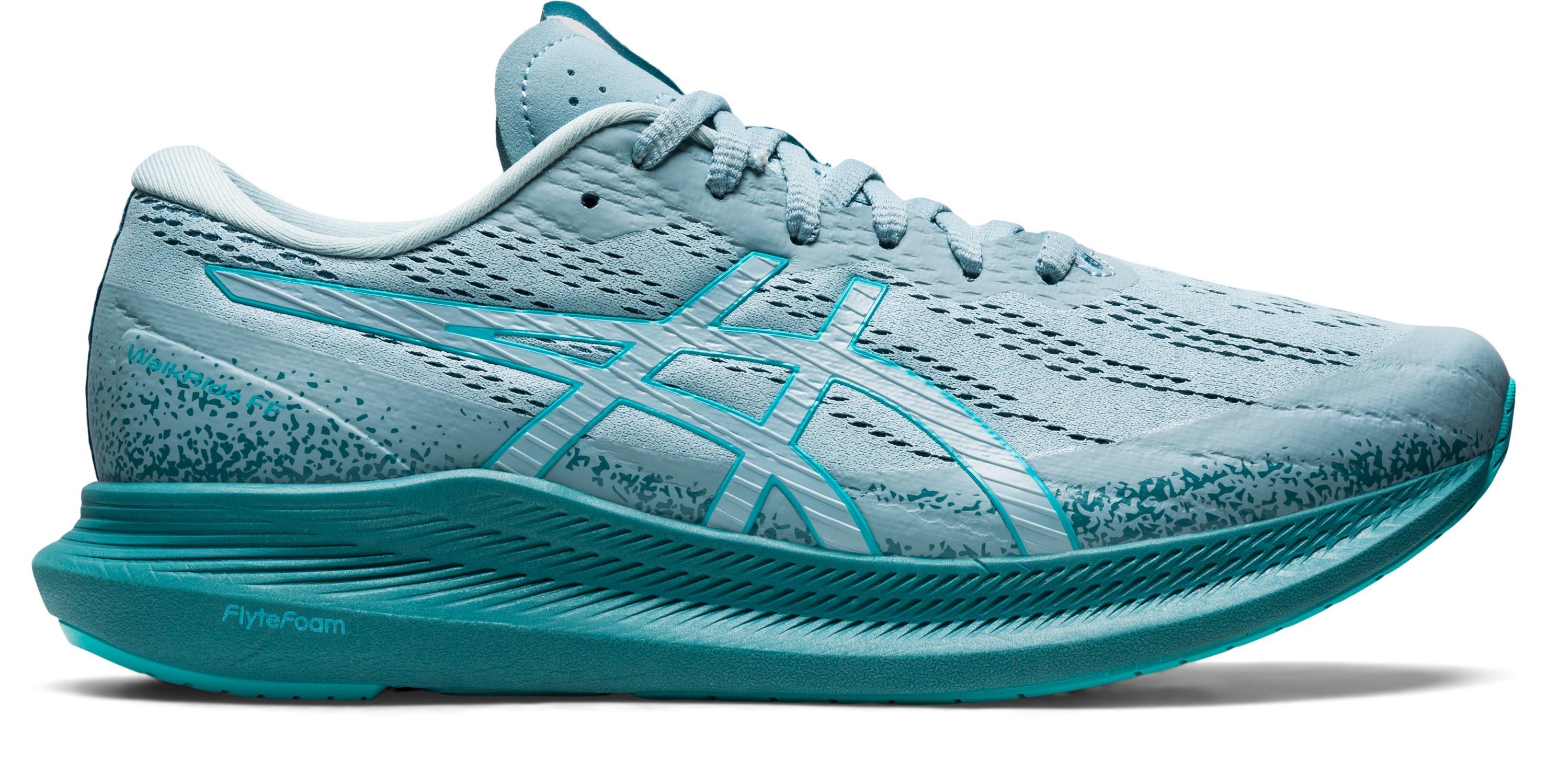
The marketplace is flooded with options, but several brands consistently earn praise from foot care specialists for their commitment to biomechanical research and quality construction. Brands like Brooks, ASICS, New Balance, Saucony, and HOKA are frequently cited in podiatrist forums and articles. For example, the Brooks Addiction Walker is a longstanding favorite for its extended progressive diagonal rollbar, a stability technology that gently guides the foot back to a neutral position, making it an excellent choice for overpronators. Similarly, the ASICS Gel-Tech Neo 4 incorporates their signature GEL cushioning in both the rearfoot and forefoot for exceptional shock absorption, beneficial for high-impact surfaces. HOKA ONE ONE, known for its maximalist cushioning, offers models like the Bondi that provide a plush, stable ride for those with joint sensitivities. It’s important to note that a model’s popularity does not automatically make it right for you. The best approach is to use these podiatrist recommended walking shoes brands as a starting point for your search, then narrow down based on your specific arch type, gait, and intended use. Many specialty running stores offer fitting services that mimic a basic gait analysis, which can be an excellent resource.
The Critical Importance of Proper Fit and When to Replace
Even the most technologically advanced shoe fails if it doesn’t fit correctly. Podiatrists advocate for a fitting later in the day when feet are naturally slightly swollen. There should be about a thumb’s width (roughly half an inch) of space between your longest toe and the end of the shoe. Your heel should be snug but not slip, and the widest part of your foot should align with the widest part of the shoe without feeling pinched. Remember that shoe sizes are just numbers; prioritize feel over the size printed on the box. Furthermore, shoes have a finite lifespan. The cushioning materials in the midsole compress and lose their resiliency long before the outsole wears out visually. A general rule is to replace walking shoes every 300-500 miles. If you start to feel new aches in your feet, legs, or back, or if you can easily twist the shoe (indicating midsole breakdown), it’s time for a new pair. Investing in a new pair of podiatrist recommended walking shoes is an investment in preventative health care, potentially saving you from costly pain management or orthotic interventions down the line.
:max_bytes(150000):strip_icc()/podiatrist-recommended-walking-shoes-e1b90077185d4e6cadbf6327c4d17db7.jpg)
Beyond the Shoe: Complementary Practices for Foot Health
While exceptional footwear is the cornerstone, a holistic approach to foot health yields the best results. This includes regular stretching of the calves, Achilles tendon, and plantar fascia. Strengthening exercises for the intrinsic muscles of the foot, such as picking up marbles with your toes or towel scrunches, can improve stability. Maintaining a healthy weight reduces the load borne by your feet with every step. Also, consider the surface you walk on; alternating between softer trails and harder pavement can vary the stress patterns. For those with specific conditions, custom orthotics prescribed by a podiatrist can work in tandem with a well-chosen shoe to correct biomechanical abnormalities. As celebrity trainer Harley Pasternak has commented on social media platforms, “Your shoes are the interface between you and the ground. Don’t cheap out on what separates you from the planet.” This sentiment encapsulates the philosophy that caring for your feet is a non-negotiable aspect of overall fitness and vitality.
Making an Informed Investment in Your Mobility
Choosing the right walking shoe is a decision that reverberates through your entire musculoskeletal system. It is an active step toward preserving your mobility, preventing pain, and enhancing your quality of life. By prioritizing the principles of podiatric science—understanding your gait, seeking out objectively validated features, and ensuring a meticulous fit—you empower yourself to navigate a crowded market with confidence. The initial cost of a premium pair of podiatrist recommended walking shoes is just that: an initial cost. When weighed against the potential expense, discomfort, and limitation of foot-related ailments, it becomes a profoundly wise investment. Your feet carry you through life’s journey; equip them with the expert-recommended support they need to perform that duty comfortably, reliably, and healthily for years to come.