

How to Wear Low-Heel Ankle Boots for Women This Season
As the seasons shift, so does our approach to style, and this year, the women’s ankle boots low heel has emerged not merely as a trend but as a cornerstone of versatile, intelligent dressing. This article moves beyond superficial fashion advice to explore how this specific footwear category functions as a tool for self-expression, comfort, and practical elegance. We will dissect its anatomy, contextualize its appeal through cultural and practical lenses, and provide a comprehensive guide to integrating it seamlessly into your wardrobe. The goal is to equip you with the knowledge to make informed choices that blend aesthetic desire with anatomical and economic sense.
The Anatomical and Historical Foundation of the Low-Heel Ankle Boot
To understand the present dominance of the women’s ankle boots low heel, one must appreciate its evolution. The ankle boot itself has a lineage tracing back to functional military and equestrian wear. The modern iteration, particularly with a low heel, represents a synthesis of form and function. From an anatomical perspective, a low heel—typically defined as being between 0.5 to 2 inches—provides a slight elevation that can improve posture by shifting the body’s center of gravity, reducing strain on the Achilles tendon compared to completely flat shoes, as noted in podiatric literature from institutions like the American Podiatric Medical Association. This makes it a scientifically sound choice for prolonged wear. Culturally, its rise parallels a broader movement towards pragmatic femininity. As fashion historian Dr. Valerie Steele has noted in publications for The Museum at the Fashion Institute of Technology, post-millennial fashion has increasingly valued items that signal competence and mobility. The women’s ankle boots low heel is a physical manifestation of this: it is a shoe designed for a woman in motion, capable of navigating urban landscapes without sacrificing a defined silhouette. It rejects the overt symbolism of power associated with stilettos or the casualness of sneakers, opting instead for a grounded, confident middle path.
Deconstructing Style: Five Core Silhouettes and Their Domain
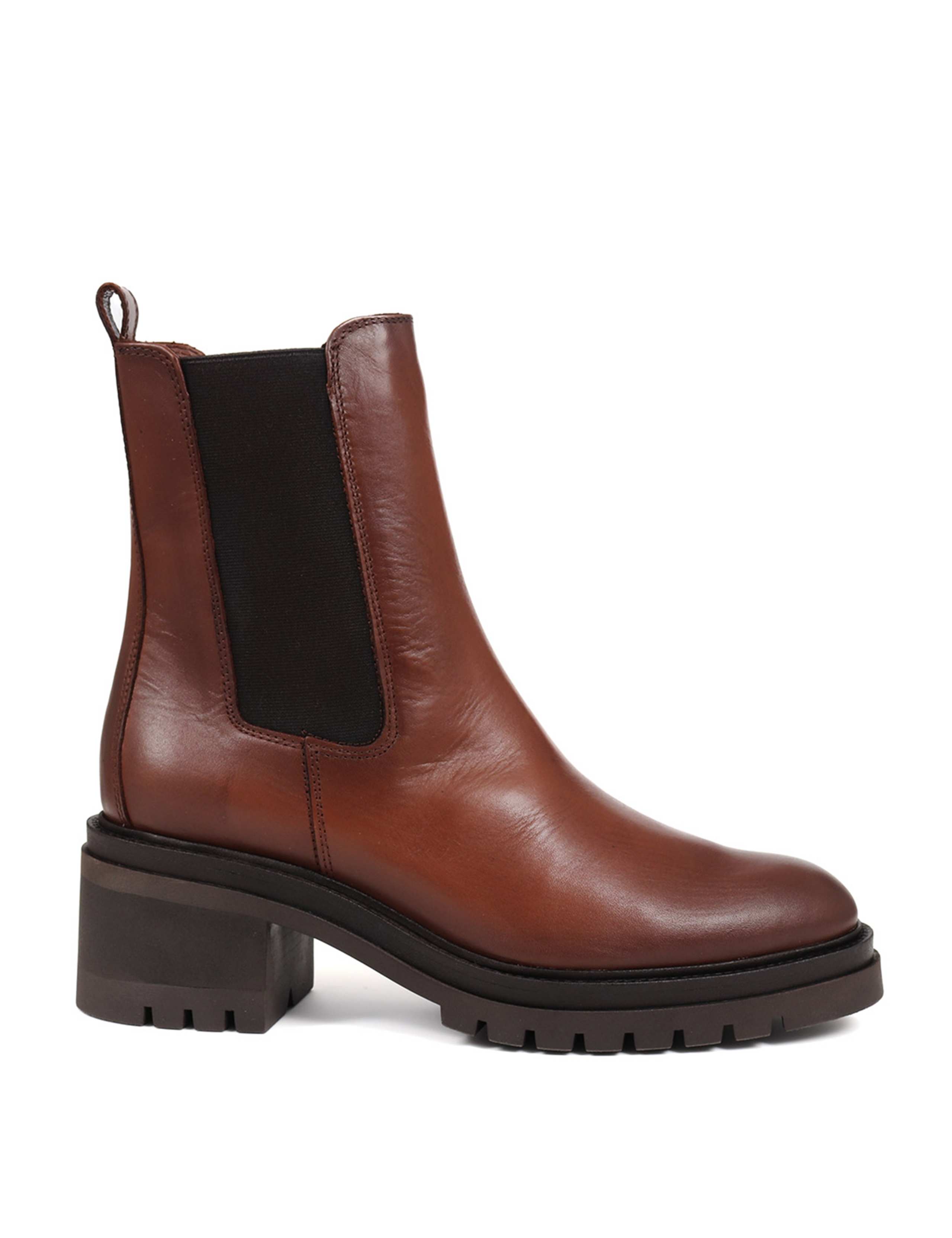
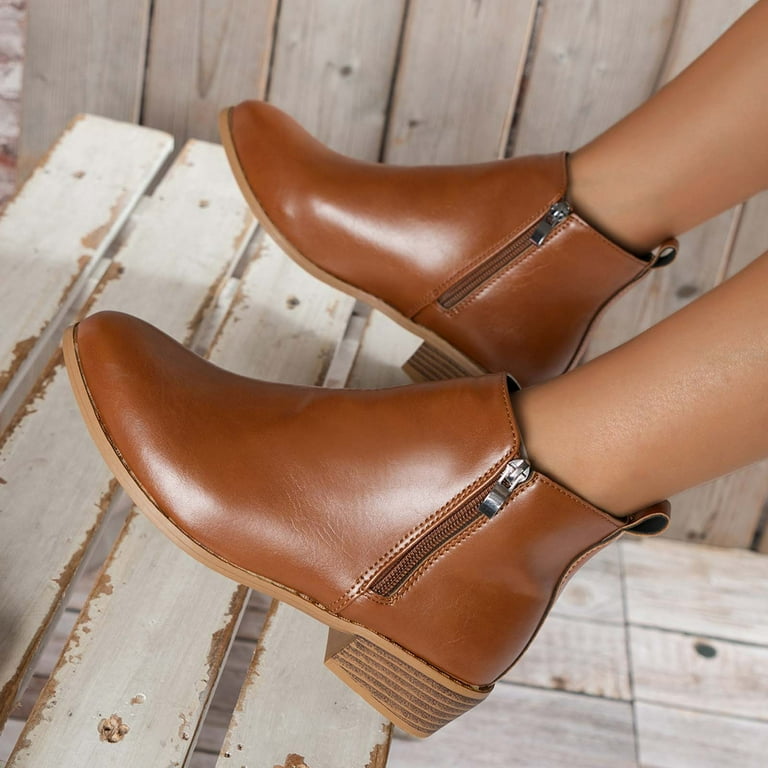
The versatility of the women’s ankle boots low heel lies in its myriad forms. Each silhouette communicates a different nuance and suits specific contexts. First, the Chelsea Boot, characterized by its elastic side panels and clean lines, is a minimalist’s dream. Rooted in Victorian practicality and popularized by the Beatles in the 1960s, it offers a sleek, androgynous profile. It pairs impeccably with tailored trousers, skinny jeans, or midi skirts, creating a look that is both polished and effortless. Second, the Block-Heel Ankle Boot provides maximum stability. The chunky, geometric heel distributes weight evenly, a principle supported by ergonomic design. This style often comes with a slightly wider toe box, offering superior comfort. It’s the ideal companion for A-line dresses, wide-leg jeans, or structured coats, adding a touch of retro-modern solidity to any outfit. Third, the Zippered Ankle Boot, often with a pointed or almond toe, leans into a dressier, more architectural aesthetic. The zipper offers a sleek closure and a hint of edge. As seen on runways from designers like Alexander McQueen, this style excels when paired with sleek trousers, leather pants, or pencil skirts for a powerful, contemporary office look or an evening out.
The Fourth and Fifth: Slip-On and Chunky-Platform Booties
Fourth, the Slip-On Bootie, sometimes featuring a goring or stretch panel, prioritizes ultimate ease. This is the “throw-on-and-go” option, perfect for casual weekends. It works beautifully with cuffed boyfriend jeans, leggings, or flowy summer dresses carried into autumn with a layer of tights. Its simplicity is its strength, offering a clean canvas that doesn’t compete with the rest of your outfit. Finally, the Chunky-Platform Low-Heel Boot is a masterclass in balanced proportion. While the platform adds height and a bold statement, the overall heel height remains in the “low” category, maintaining comfort. This style, reminiscent of 90s grunge and championed by style icons like Kate Moss, adds instant attitude to simple outfits—think with a mini skirt and oversized sweater or flared jeans. Each of these styles of women’s ankle boots low heel serves as a modular wardrobe component, allowing for immense creative expression while adhering to the principle of comfortable elevation.
Material Intelligence: Leather, Suede, and Synthetic Considerations
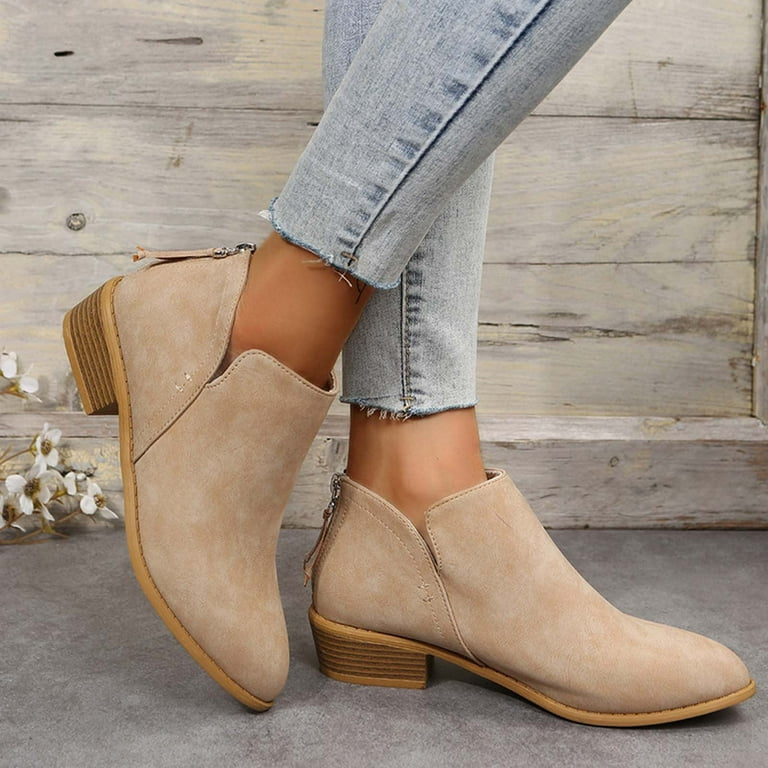
Selecting the right material is as crucial as choosing the silhouette. Full-grain leather is the undisputed champion of durability and longevity. It molds to the foot over time, develops a unique patina, and provides excellent weather resistance. As any quality shoe artisan will attest, a well-made leather boot is an investment piece. Suede, on the other hand, offers a tactile, luxurious texture and a softer, more casual vibe. However, it requires more care, needing protection from water and stains. The rise of high-quality synthetic materials, such as microfiber and vegan leather, presents a compelling ethical and economic alternative. Advances in textile technology, as documented by material science departments at universities like MIT, have led to synthetics that rival the look and feel of leather while often being more water-resistant and easier to clean. When choosing, consider your climate, lifestyle, and values. A black leather Chelsea boot is a timeless workhorse; a taupe suede block heel is a perfect autumn accent; a high-tech synthetic pair in a bold color can be a fun, low-commitment trend piece.
The Strategic Integration: Pairing Boots with Your Existing Wardrobe
The true power of the women’s ankle boots low heel is unlocked through strategic pairing. Let’s move beyond vague suggestions into concrete formula. For a streamlined, leg-lengthening effect, pair your ankle boots with jeans or trousers in a similar tonal family (e.g., black boots with black skinny jeans) or opt for cropped hems that hit just at or above the boot shaft. This creates a clean, uninterrupted line. With dresses and skirts, the rule of proportion is key. Midi and maxi skirts flow elegantly over boot tops, creating a bohemian or sophisticated look depending on the fabric. For mini skirts or dresses, consider the sock boot style or a sleek bootie to maintain balance. The often-debated topic of socks is worth clarifying: visible socks can be a stylish, intentional layering technique—a thick wool sock peeking over a Chelsea boot with a midi dress is a quintessential autumn look. The key is intention. Furthermore, professional settings demand nuance. A polished, low-heel ankle boot in a neutral color with a closed toe is universally acceptable in modern business-casual environments. Pair it with a tailored pantsuit or a sheath dress and blazer for an authoritative yet approachable presence.
Economic and Purchasing Acumen: Investing in Value
Navigating the purchase of women’s ankle boots low heel requires a blend of taste and economic sense. The market ranges from fast-fashion options under $50 to investment pieces exceeding $500. While budget constraints are real, consider the cost-per-wear model. A $300 leather boot worn 100 times over three years costs $3 per wear, whereas a $60 boot that falls apart after one season offers less value. Look for signs of quality: sturdy stitching, a flexible but supportive sole (often marked by brands like Vibram), a secure lining, and a heel that is firmly attached. Sales cycles are your friend; end-of-season sales (January for winter, July for summer) are prime times to acquire high-quality boots at significant discounts, often 30-50% off. Additionally, many direct-to-consumer brands and retailers like Nordstrom Rack or SSENSE offer last season’s styles at a fraction of the price. Remember, the goal is to build a curated collection—perhaps a neutral leather pair, a versatile suede option, and a statement style—rather than amassing a quantity of disposable items.

Ultimately, mastering the women’s ankle boots low heel is an exercise in personal style intelligence. It is about choosing a tool that respects the biomechanics of your body, aligns with your aesthetic vision, and demonstrates savvy consumption. This season, let your choice in ankle boots be a deliberate statement of who you are and where you’re going—comfortably, confidently, and without compromise. The right pair isn’t just an accessory; it’s a foundation for countless expressions of self, ready to meet the demands of your day from morning commute to evening engagement, proving that true style never has to sacrifice substance for silhouette.
