

Discover the Best Podiatrist Recommended Walking Shoes for All-Day Comfort
Your feet are the foundation of your movement, and the shoes you choose can either support or sabotage your daily comfort and long-term health. For anyone who spends significant time on their feet—whether navigating city streets, exploring nature trails, or managing the demands of a busy workday—the quest for the perfect walking shoe is paramount. This isn’t merely about fashion or fleeting trends; it’s about investing in footwear engineered to align with the biomechanical needs of the human foot. The most reliable guidance in this pursuit comes not from generic style magazines, but from the professionals who dedicate their careers to foot health: podiatrists. Podiatrist recommended walking shoes represent a category defined by specific, scientifically-backed features designed to prevent injury, alleviate pain, and provide unwavering support. This article delves into the core principles that make a walking shoe worthy of a podiatrist’s endorsement, moving beyond marketing claims to explore the anatomy of comfort, the science of support, and how to identify the footwear that will truly carry you through your day with ease.
The Foundation of Foot Health: Why Podiatrist Endorsement Matters
To understand the value of a podiatrist recommended walking shoe, one must first appreciate the complex structure of the foot. Each foot contains 26 bones, 33 joints, and over 100 muscles, tendons, and ligaments, all working in concert to provide balance, propulsion, and shock absorption. Podiatrists, as doctors of podiatric medicine (DPM), are trained to diagnose and treat conditions affecting this intricate system. Their recommendations are rooted in a deep understanding of biomechanics, gait analysis, and pathology. When a podiatrist suggests a shoe, they are evaluating it against criteria that prevent common issues like plantar fasciitis, metatarsalgia, bunions, and Achilles tendonitis. As noted by the American Podiatric Medical Association (APMA), proper footwear is a first-line defense against many foot ailments. A shoe bearing the APMA Seal of Acceptance, for instance, has been reviewed by a committee of podiatrists and found to promote good foot health. This professional perspective is crucial because the average consumer can be easily swayed by cushioning that feels soft initially but lacks stability, or by a stylish design that forces the foot into an unnatural position. The endorsement transforms a subjective preference into an objective choice for wellness.
:max_bytes(150000):strip_icc()/I-Asked-Podiatrists-for-Their-Fall-Shoe-Recommendations-These-Are-Their-Top-8-Picks-8fbdf9d65f3a4228ae63f6e5253dc08c.jpg)
Arch Support: The Non-Negotiable Pillar of Stability
Perhaps the most frequently cited feature by foot specialists is adequate arch support. The arch of your foot acts as a natural shock absorber, distributing the impact forces generated with each step. However, not all arches are created equal; they fall into categories of high, neutral (normal), or low (flat feet). A shoe lacking proper arch support can lead to the overpronation or supination of the foot, placing undue stress on the knees, hips, and lower back. A true podiatrist recommended walking shoe will offer structured support that contours to the arch, preventing its collapse during the gait cycle. This support is often built into the shoe’s midsole, a layer between the outsole and the insole, using materials like ethylene-vinyl acetate (EVA) or polyurethane that provide a blend of cushioning and firm reinforcement. For individuals with specific needs, podiatrists often recommend removable insoles, allowing for customization with orthotic devices. The importance of this feature is echoed in literature from institutions like the University of Pittsburgh Medical Center, which emphasizes that proper arch support is critical for maintaining the foot’s natural alignment and preventing overuse injuries. It’s not about a one-size-fits-all cushion; it’s about engineered structure that guides the foot through a healthy, efficient motion from heel strike to toe-off.
Heel Counter and Motion Control: Steering Your Stride
While cushioning under the heel receives much attention, the structure around the heel is equally vital. The heel counter is the firm cup at the back of the shoe that cradles the heel bone (calcaneus). A sturdy, well-padded heel counter is a hallmark of podiatrist recommended walking shoes. Its primary function is to stabilize the rearfoot, preventing excessive side-to-side motion that can strain the Achilles tendon and contribute to conditions like plantar fasciitis. When you try on a shoe, you should be able to pinch the material at the back; it should resist collapsing easily. This feature works in tandem with motion control technologies, which are particularly important for overpronators. Motion control involves design elements like a medial post—a denser area of foam on the inner side of the midsole—that gently corrects the inward rolling of the ankle. This concept is supported by biomechanical research cited in platforms like Wikipedia’s entry on “Running shoe,” which details how such features aim to reduce injury risk by controlling foot kinematics. A shoe that masters heel stability and guided motion doesn’t just feel secure; it actively protects the kinetic chain, ensuring that the force of your walk is channeled efficiently rather than causing disruptive torque on your joints.
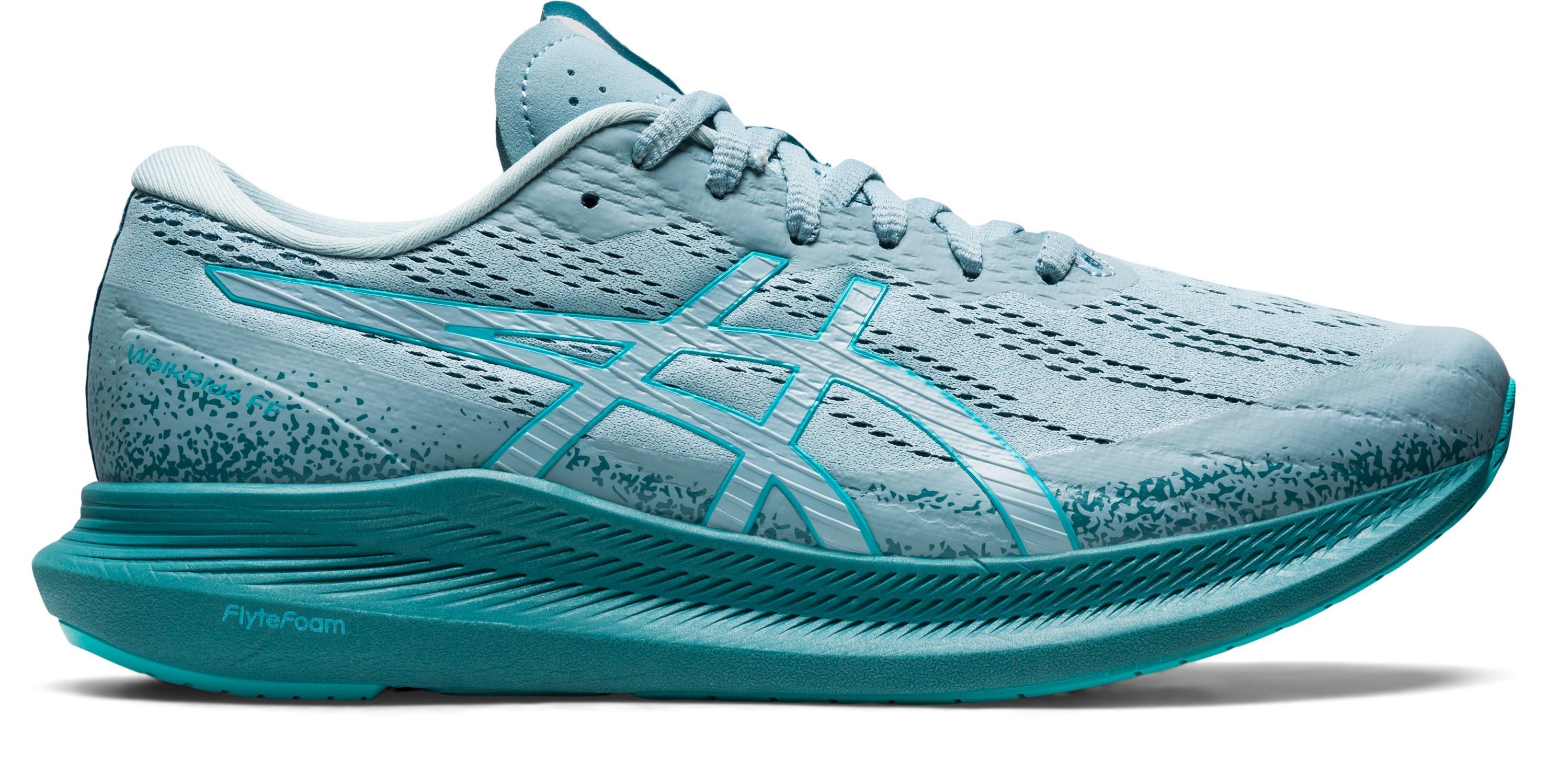
Material Science and Design: Where Comfort Meets Durability
The upper of a walking shoe—the part that covers the foot—plays a critical role in comfort, breathability, and fit. Podiatrists often recommend shoes made from engineered mesh or knit materials. These fabrics provide flexible containment that adapts to the foot’s shape while allowing heat and moisture to escape, reducing the risk of blisters and fungal infections. The toe box, or the front area of the shoe, must be wide and deep enough to allow your toes to splay naturally with each step. A cramped toe box can lead to neuromas, corns, and the exacerbation of bunions. Furthermore, the method of closure is key. Lace-up systems offer the most adjustable, secure fit, allowing you to customize tension across different parts of your foot. As renowned author and biomechanist Katy Bowman emphasizes in her book “Move Your DNA,” footwear that respects the natural shape and function of the foot is essential for whole-body health. A well-designed upper works in harmony with the supportive base, creating a symbiotic environment where the foot is neither restricted nor unsupported. Durability is also a factor; quality materials resist premature breakdown in high-wear areas, ensuring the shoe’s supportive features last for the duration of its lifespan, which is typically 300-500 miles of walking.
The Midsole: The Engine of Cushioning and Responsiveness
Beneath your foot lies the heart of the shoe’s performance: the midsole. This is where the magic of shock absorption and energy return happens. Traditional materials like EVA foam are common, but many podiatrist recommended walking shoes now incorporate advanced compounds like thermoplastic polyurethane (TPU) or proprietary blends such as Brooks’ DNA LOFT or ASICS’ GEL technology. The goal is not simply softness, but a balanced response. A midsole that is too soft may bottom out quickly and fail to provide stability, while one that is too firm can feel harsh and increase impact stress. The ideal midsole offers a resilient cushion that compresses to absorb shock and then springs back to return some energy, making walking feel less laborious. This engineering is backed by scientific principles of viscoelasticity, where materials exhibit both viscous and elastic characteristics under deformation. Research from sports science literature, such as studies referenced on platforms like Quora from biomechanics experts, indicates that optimal midsole properties can reduce perceived exertion and lower the metabolic cost of walking. When selecting a shoe, pay attention to how the cushioning feels under your specific weight and walking style; what works for one person may not work for another, underscoring the importance of trying on shoes later in the day when feet are naturally more swollen.

From Theory to Practice: Identifying Your Ideal Walking Companion
Knowing the technical features is one thing; applying that knowledge in a store or online is another. The process begins with a honest assessment of your own feet and gait. If possible, visit a specialty running or walking store where staff can analyze your stride. Look for shoes that explicitly mention stability, motion control, or are labeled for overpronation if that is your tendency. The term “podiatrist recommended walking shoes” is often used by reputable brands that have sought and received professional validation, such as the APMA Seal. Brands like New Balance, Brooks, ASICS, and HOKA frequently appear on podiatrists’ lists for their commitment to biomechanical design. When trying shoes, go in the afternoon, wear the socks you typically walk in, and spend several minutes walking on a hard surface. There should be about a thumb’s width of space between your longest toe and the end of the shoe. The shoe should feel secure at the heel and midfoot without any pinching or pressure points across the top. Remember, the most expensive shoe is not necessarily the best for you; the goal is to find the shoe that addresses your individual biomechanical profile. Investing time in this selection process is an investment in your mobility and pain-free living.
Value Beyond Price: Investing in Long-Term Wellness
It’s tempting to prioritize cost, especially when faced with a wall of seemingly similar sneakers. However, viewing podiatrist recommended walking shoes as a healthcare investment rather than a mere apparel purchase reframes the decision. A high-quality, properly fitted walking shoe that prevents a single case of plantar fasciitis can save you hundreds, if not thousands, of dollars in podiatrist visits, physical therapy, orthotics, and lost productivity. Many reputable brands offer previous-season models or colorways at significant discounts, providing access to the same core technologies at a lower price point. Furthermore, the durability of well-constructed shoes means they won’t need to be replaced as frequently as cheaper, less supportive options. The value proposition is clear: superior materials, rigorous design testing, and professional endorsement translate to sustained comfort and injury prevention. As the adage goes, “Take care of your feet, and they will take care of you.” By choosing footwear grounded in podiatric science, you are not just buying a product; you are adopting a proactive strategy for maintaining an active, comfortable lifestyle, step after confident step.
:max_bytes(150000):strip_icc()/podiatrist-recommended-walking-shoes-e1b90077185d4e6cadbf6327c4d17db7.jpg)
Your journey toward all-day comfort begins from the ground up. The right walking shoe is a tool for empowerment, enabling exploration, supporting daily tasks, and preserving the intricate mechanics of your feet. By prioritizing the features championed by foot health experts—structured arch support, a secure heel counter, appropriate motion control, breathable materials, and a responsive midsole—you move beyond guesswork. You make an informed choice that honors the engineering of your body. Let the principles of podiatric medicine guide you to footwear that doesn’t just fit your feet, but fits your life, allowing you to walk forward in comfort and confidence, mile after mile.
