

The Timeless Allure of Black Heels for Every Woman
In the vast landscape of fashion, few items command the universal respect and enduring presence of a pair of black heels. They are not merely footwear; they are a statement, a tool, and a piece of personal armor. From the boardroom to the ballroom, their versatility is unmatched, and their power to transform an outfit—and the woman wearing them—is almost alchemical. This isn’t about fleeting trends; it’s about a foundational element of style that transcends seasons and decades. The black heels for women represent a confluence of aesthetics, psychology, and engineering, creating an object whose allure is both deeply personal and widely acknowledged.
The Psychology of Elevation: More Than Just Height
The effect of women heels black extends far beyond adding physical inches. Scientifically, the act of wearing heels alters posture, tilting the pelvis and accentuating the curve of the spine, a phenomenon often referred to as the “lordotic curve.” This posture is subconsciously associated with readiness, confidence, and even attractiveness across various cultures. A study from the University of Bretagne-Sud, as cited in psychological literature, suggested that both men and women perceive women in heels as more confident and assertive. This isn’t mere vanity; it’s non-verbal communication. When you slip on a pair of sleek black heels, you are engaging in “enclothed cognition”—the systematic influence that clothes have on the wearer’s psychological processes. The sharp, clean lines of the shoe project order and control, while the color black, long associated with authority, sophistication, and power in color psychology, compounds this effect. It’s the reason why iconic figures from Audrey Hepburn in “Breakfast at Tiffany’s” to Christine Lagarde in international finance have utilized the simple black heel as part of their signature presence. As fashion psychologist Dr. Dawnn Karen notes, what we wear informs how we think and feel. The black heel is a tool for embodying a persona of capability and elegance.

An Anatomy of Versatility: From Stiletto to Block
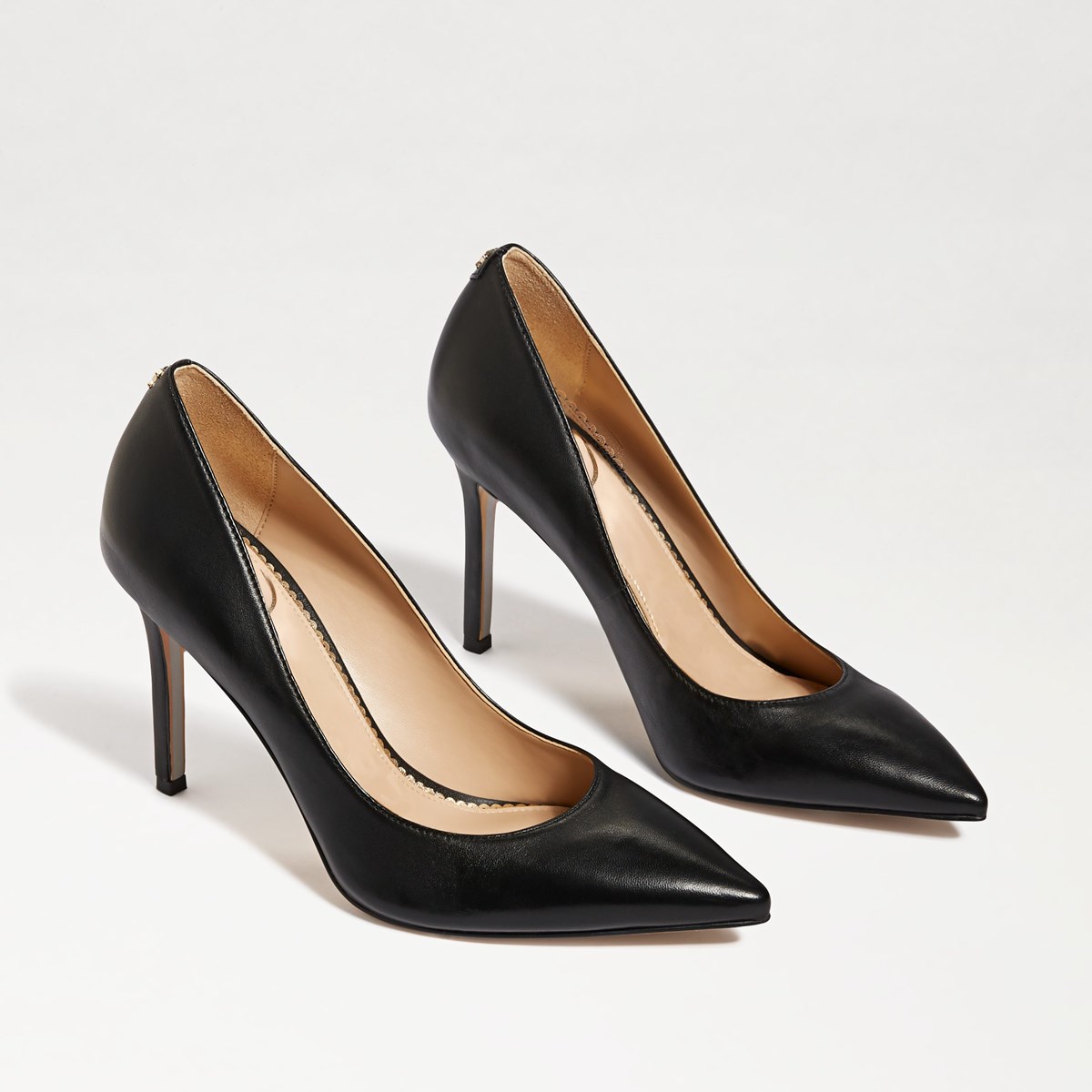
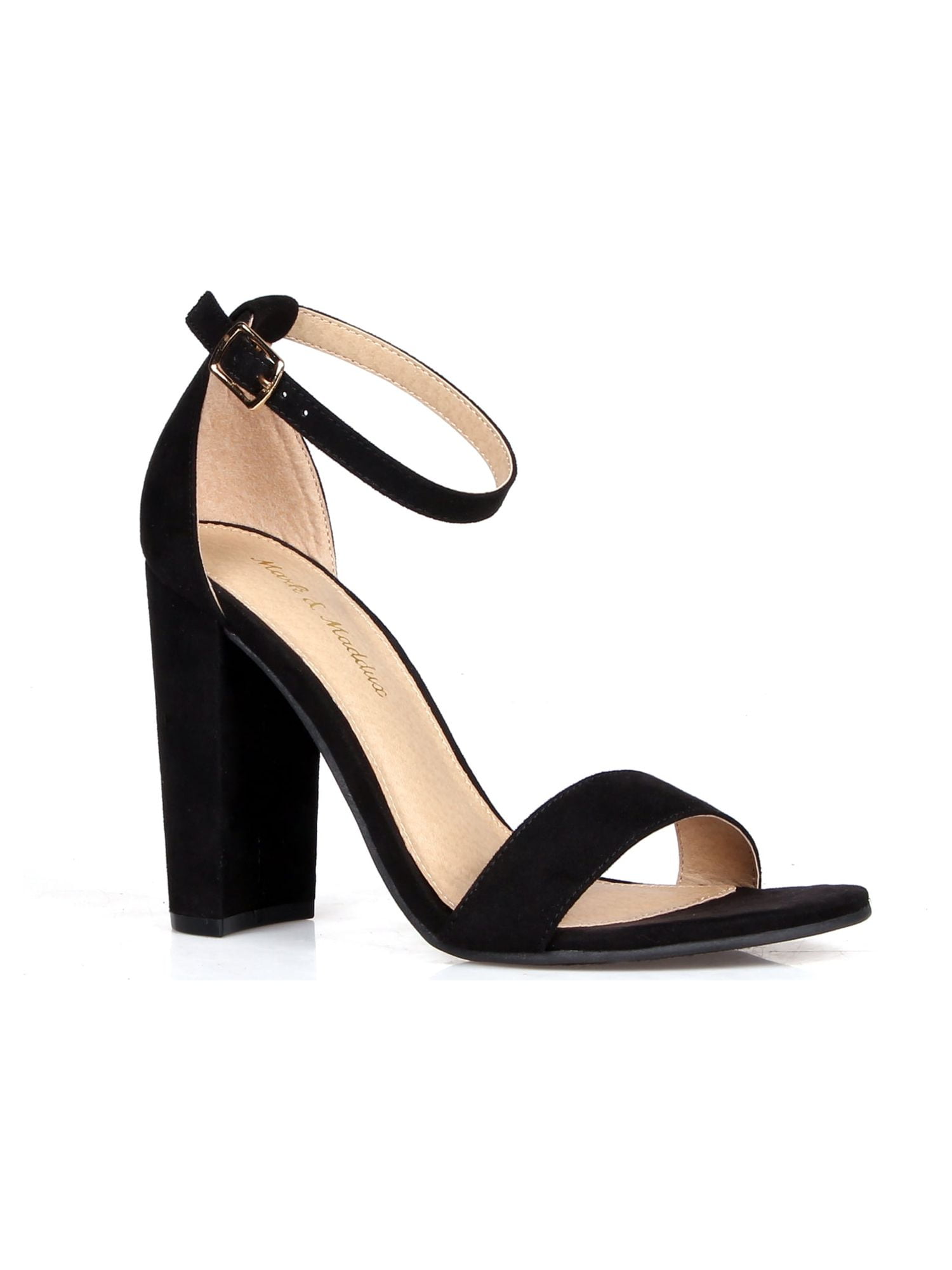
Objectively, the term “heels” encompasses a vast array of silhouettes, each with its own engineering and aesthetic purpose. The classic stiletto, with its thin, towering heel, is a marvel of structural design, distributing a significant amount of weight onto a very small surface area—a principle of physics that demands precise balance and quality construction. Conversely, the chunky block heel or wedge offers stability and comfort through a larger base of support, making it a practical yet stylish choice for extended wear. The pump, the slingback, the ankle strap—each variation serves to secure the foot and complement different leg shapes and outfit requirements. This scientific diversity in design is what grants black heels their unparalleled versatility. A pointed-toe stiletto can deconstruct the casualness of a pair of jeans, while a black heeled sandal can add a touch of modernity to a flowing summer dress. The color black itself is scientifically the most slimming and unifying color in visual perception, creating a seamless line from leg to toe that elongates the silhouette. This is why style authorities from Vogue to Harper’s Bazaar perpetually list a quality pair of black heels as a non-negotiable wardrobe essential. They are the sartorial equivalent of a keystone, holding countless style possibilities together.
A Cultural and Historical Footprint
The journey of high heels is a fascinating historical arc that began not with women, but with Persian cavalrymen in the 10th century, as documented on platforms like Wikipedia. The heel was a functional tool for securing feet in stirrups. It migrated to European aristocracy, becoming a symbol of status and power for both sexes before eventually morphing into a predominantly feminine fashion item. The modern black heel for women carries the echoes of this history—it is inherently linked to notions of stature and agency. In cinema and literature, they are potent symbols. Think of the iconic ruby slippers in “The Wizard of Oz” (technically heels in the book and subsequent depictions), which held the power to change a world. In more contemporary settings, the black heel is the chosen footwear of powerful characters, from Miranda Priestly in “The Devil Wears Prada” to the formidable lawyers of “Suits.” On social media platforms like YouTube, style influencers such as Alexa Chung and Chriselle Lim consistently demonstrate their styling power, while business leaders on Twitter like Bozoma Saint John exemplify how they are integrated into a powerful professional identity. The black heel has been reclaimed and redefined by women as an emblem of their own authority and style.
The Personal Equation: Finding Your Signature Stride
Beyond the objective analysis lies the personal relationship every woman has with her shoes. Your ideal pair of women heels black is a deeply individual choice, a intersection of biomechanics and personal taste. It involves understanding your foot’s arch type, the width of your forefoot, and your personal tolerance for incline—concepts often explored by podiatrists and footwear experts. The right pair shouldn’t just be admired; it should facilitate movement and confidence. This is where professional knowledge becomes invaluable. Understanding materials—like the difference between genuine leather that molds to your foot versus synthetic alternatives—or the importance of a well-cushioned insole and a secure heel counter, transforms a purchase from an aesthetic choice into an investment in comfort and longevity. It’s about finding the silhouette that makes you feel unstoppable, whether it’s a sky-high stiletto that makes you walk with deliberate poise or a comfortable block heel that lets you navigate a day with effortless grace. This personal equation is why the search for the perfect black heels is a rite of passage.

An Informed Investment: Quality Meets Value
In an era of fast fashion, investing in a well-constructed pair of black heels is an act of sustainable and smart style. The professional knowledge here pertains to craftsmanship: a Blake stitch versus a Goodyear welt, full-grain leather linings, and reinforced shanks. These elements, often detailed by heritage shoe brands and industry experts, contribute directly to durability, comfort, and foot health. While the initial price point for such quality may be higher, the cost-per-wear over years of service renders it a prudent choice. Fortunately, the modern retail landscape, including seasonal sales, outlet offerings, and reputable online retailers, frequently provides access to these quality pieces at significantly discounted prices. Being an informed consumer means recognizing these opportunities—perhaps investing in a timeless black pump from a renowned brand during a post-season sale. This approach brings professional-grade knowledge of what constitutes a lasting shoe directly to you, coupled with the financial savvy of securing it at a value. It’s not just about buying a shoe; it’s about acquiring a long-term companion for your wardrobe that won’t compromise on comfort or fall apart after a season.
The narrative of women heels black is continuously being written, with each step a woman takes in them. They are a synthesis of historical weight, psychological insight, scientific design, and personal expression. They can whisper sophistication or command attention, enable a confident stride or anchor a daring outfit. In their elegant simplicity lies infinite complexity. To own a pair that fits perfectly—in size, in style, in spirit—is to hold a key to unlocking a more poised and powerful version of oneself. That is the true, timeless allure.
