

Styling Women’s Low-Heel Ankle Boots for Every Season
In the ever-evolving landscape of fashion, few items offer the blend of versatility, comfort, and enduring style as the women’s ankle boots low heel. This footwear choice transcends fleeting trends, establishing itself as a cornerstone of a practical yet sophisticated wardrobe. Its unique position lies in its ability to adapt—not just to different outfits, but to the very rhythm of the year itself. From the crisp air of autumn to the blossoming days of spring, and even through moderated winter and summer moments, the low-heel ankle boot proves its worth. This exploration isn’t about following a rigid set of rules; it’s about understanding the inherent flexibility of this style and how to harness it to express personal style across all twelve months.
The Anatomy of Versatility: Defining the Low-Heel Ankle Boot
To appreciate its seasonal adaptability, we must first define what we mean. An ankle boot, by its simplest definition, is a boot that terminates at or just above the ankle bone. The “low-heel” specification is crucial, typically referring to a heel height between 0.5 inches (a flat or block heel) to approximately 2 inches. This range is scientifically significant for podiatric health. As noted by the American Podiatric Medical Association, lower heels distribute body weight more evenly across the foot compared to stilettos, reducing pressure on the forefoot and minimizing risks associated with higher heels, such as metatarsalgia or Achilles tendon shortening. The design philosophy here marries form and function. The shaft height provides more structure and coverage than a pump but less bulk than a knee-high boot, creating a balanced silhouette. Materials range from supple leather and suede to modern synthetics and textiles, each offering different levels of breathability, water resistance, and aesthetic appeal. This foundational design—secure ankle support, a manageable heel, and varied material choices—is the blueprint that allows the women’s ankle boots low heel to navigate diverse climates and social settings with ease.
Autumn’s Signature: Layering and Texture with Ankle Boots
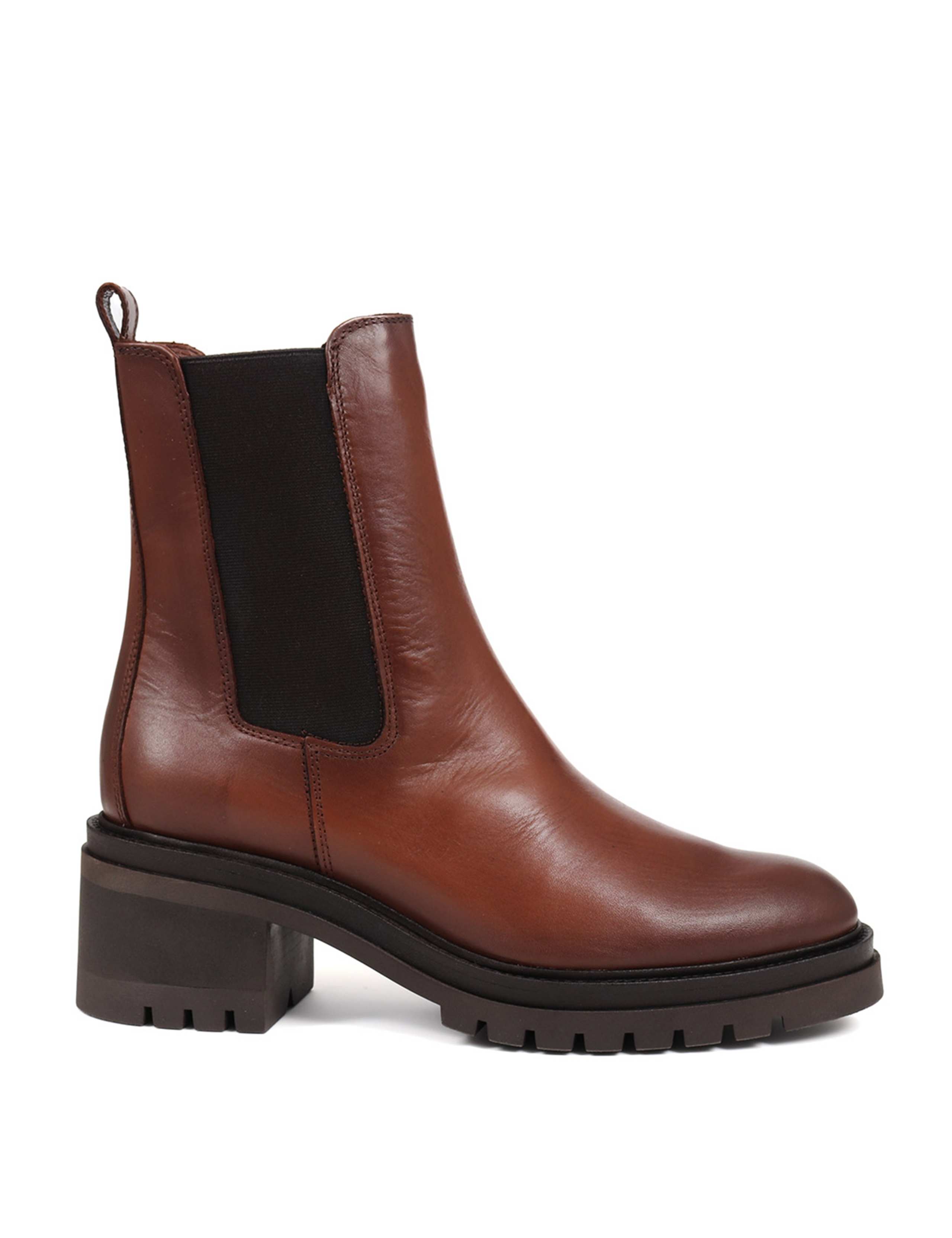
Autumn is the natural habitat of the ankle boot. As temperatures dip and leaves turn, the boot becomes the foundational element for creating rich, textured looks. The key here is harmonizing with the season’s palette and layers. A classic leather Chelsea boot with an elastic gore panel—a design with roots in Victorian practicality, later adopted by the mod and punk subcultures for its sleek, effortless vibe—becomes indispensable. Pair it with opaque tights, a midi skirt in tweed or corduroy, and a chunky knit sweater. This combination speaks to a heritage-inspired elegance. Alternatively, for a more rugged, contemporary feel, a suede ankle boot with a low block heel complements raw-denim jeans and a tailored wool coat. The texture play between denim, wool, and suede is quintessentially autumnal. As fashion historian Dr. Rebecca Arnold of Central Saint Martins might observe, footwear in this season acts as an anchor, grounding the more voluminous layers typical of fall fashion. The women’s ankle boots low heel provides that stability literally and stylistically. It’s also the perfect time to invest in quality materials; a good pair of leather boots, when cared for, will develop a patina that tells the story of many autumns walked in style.
Winter Resilience: Practicality Meets Style
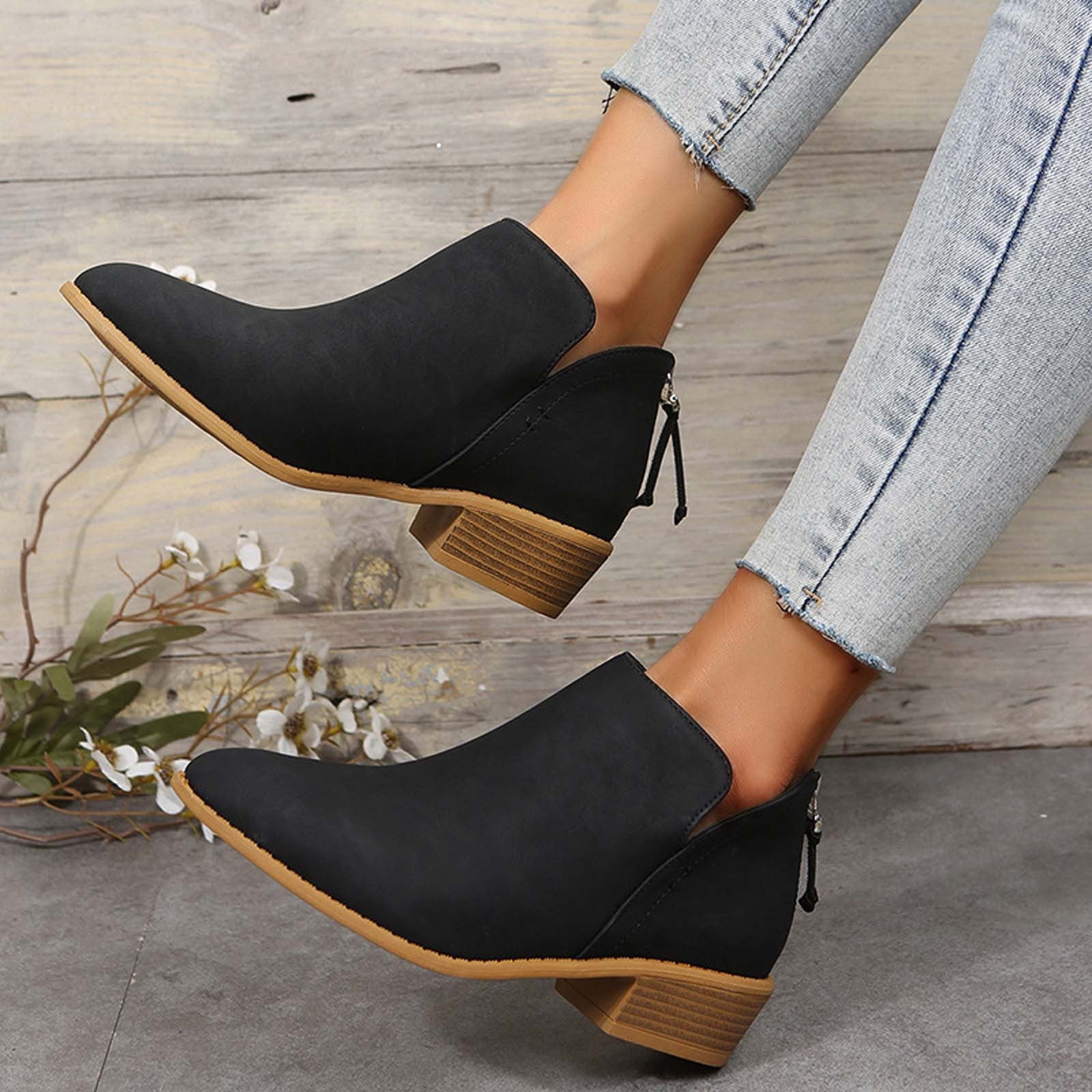
Winter demands more from our footwear, and the low-heel ankle boot rises to the challenge with specific design variations. This is not the season for delicate suede (unless treated with a protective spray) but rather for hardy, weather-ready iterations. Look for boots with sealed seams, water-resistant or waterproof membranes (like Gore-Tex in some performance brands), and non-slip rubber lug soles. The tread pattern is vital for traction on icy or wet surfaces, a practical concern backed by biomechanics research on gait stability. A shearling-lined or faux-fur lined ankle boot offers exceptional insulation without the bulk of a full winter snow boot, making it ideal for urban environments. Stylistically, they pair seamlessly with thermal leggings, skinny jeans tucked or cuffed at the ankle, and long, insulated coats. The silhouette remains streamlined, avoiding the “snowman” effect of bulkier footwear. Consider the viewpoint of adventurer and author Cheryl Strayed, who wrote extensively about the importance of reliable footwear in “Wild.” While her journey was extreme, the principle translates: trust in your gear allows you to move through your environment with confidence. A sturdy, warm pair of women’s ankle boots low heel is that trusted gear for the winter cityscape, ensuring you look composed while navigating slush and snow.
Spring’s Renewal: Transitioning with Lightness and Color
As the world thaws and blooms, our footwear should reflect a sense of lightness and renewal. This is where material and color choices in ankle boots become pivotal. Swap out the heavy black leather for lighter hues: tan, blush, cream, or even pastel shades. Materials like nubuck, canvas, or perforated leather introduce breathability. A pointed-toe ankle boot with a slender low heel can instantly elevate a floral midi dress, creating a look that bridges the gap between bohemian and polished. Alternatively, a neutral-colored sock bootie, which fits snugly around the ankle, pairs beautifully with cropped, wide-leg trousers, embodying a modern, minimalist aesthetic perfect for unpredictable spring temperatures. The psychological impact of color in fashion is well-documented; color theorists often note that lighter, brighter colors can influence mood and perception, aligning with the optimism of spring. This season allows for more playful experimentation. A women’s ankle boots low heel in an unexpected color becomes a statement piece that anchors simpler outfits, proving that practicality (a covered toe in cool, damp weather) doesn’t have to sacrifice joy or style.
Summer Evenings and Cool Climates: The Counter-Seasonal Strategy
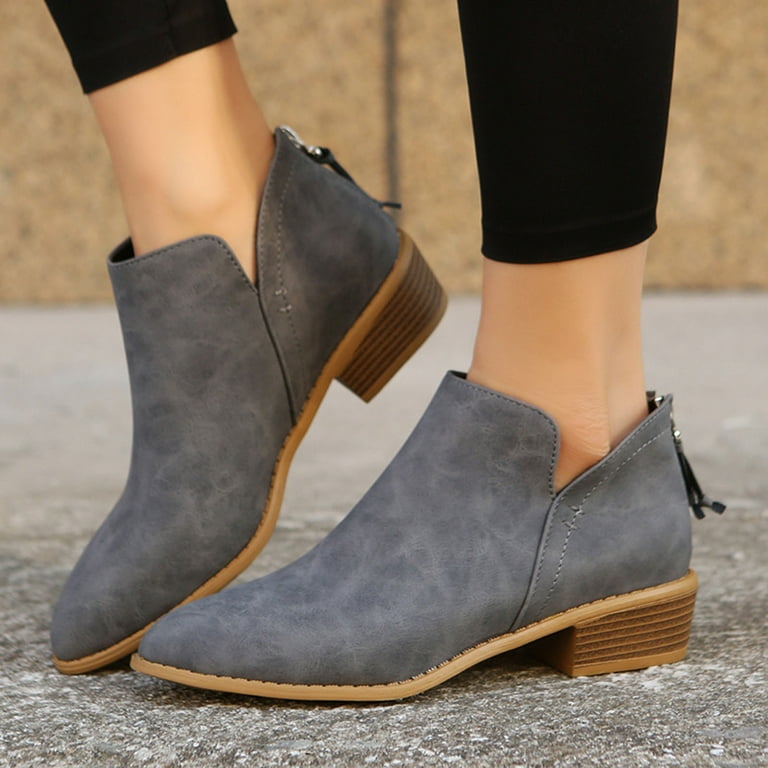
While sandals dominate sunny days, the low-heel ankle boot finds a clever niche in summer during cooler evenings, air-conditioned venues, or in generally milder coastal climates. The strategy is one of contrast and balance. Pair a sleek, black leather ankle bootie—perhaps one with cut-out details for ventilation—with a lightweight, flowing sundress or shorts and a linen blouse. The juxtaposition of the sturdy boot against ethereal fabrics creates a dynamic, fashion-forward look often seen on festival-goers and style icons. This approach echoes a principle visible in cinema; think of a character like Lorraine Broughton in “Atomic Blonde,” whose powerful footwear choices contrast with her environment to signal strength and control. Furthermore, in professional summer settings where open-toed shoes might be frowned upon, a breathable, unlined leather women’s ankle boots low heel in a light color offers a polished, office-appropriate alternative that doesn’t overheat. It’s about intelligent adaptation, using the boot’s inherent structure to frame the leg beautifully while remaining contextually appropriate.
Investment and Care: Beyond the Seasonal Cycle
Viewing these boots as a perennial staple invites a discussion on investment and care. A well-constructed pair from quality materials is not a single-season purchase but a multi-year companion. Brands that offer Goodyear welting, for instance, allow for sole replacement, extending the boot’s life significantly—a principle of sustainable fashion advocated for by organizations like the Fashion Revolution. Professional knowledge dictates regular care: conditioning leather, waterproofing suede, and using shoe trees to maintain shape. This maintenance ensures your boots are ready to perform in any season. And while quality has a cost, savvy shopping brings discounted prices. End-of-season sales, reputable outlet stores, and price-tracking tools for online retailers are excellent ways to acquire premium women’s ankle boots low heel at a fraction of the retail price. The initial research and patience pay dividends in durability and timeless style.

The journey through the calendar with the low-heel ankle boot reveals its true nature: not as a seasonal accessory, but as a constant, adaptable tool for self-expression. It provides the foundation upon which countless personal styles can be built, from the layered sophistication of fall to the breezy elegance of spring. Its design, rooted in anatomical sense and historical evolution, offers a rare synergy of comfort and chic. By choosing thoughtfully, caring diligently, and styling creatively, this single category of footwear empowers you to meet every season not just with preparedness, but with distinctive flair.
