

Discover the Best Podiatrist Recommended Walking Shoes for All-Day Comfort
Your feet are your foundation, carrying you through thousands of steps each day. Yet, so often, they are an afterthought, crammed into footwear chosen for style over substance, leading to a cascade of discomfort that can ripple up through your entire body. The quest for all-day comfort isn’t merely about avoiding sore feet at 5 PM; it’s a fundamental investment in your mobility, posture, and long-term well-being. This is where the specialized guidance of podiatry becomes invaluable. Moving beyond generic “comfort shoe” marketing, we delve into the world of podiatrist recommended walking shoes—footwear engineered with scientific principles of biomechanics to support, stabilize, and protect. This article will guide you through the essential features that define these shoes, explore top recommendations backed by professional opinion, and explain why this specific category of footwear is a non-negotiable for anyone who spends significant time on their feet.
The Science of Stride: Why Podiatrist Input is Non-Negotiable
To understand the critical importance of podiatrist recommended walking shoes, one must first appreciate the complex biomechanics of walking. Each step is a precisely orchestrated sequence of events—heel strike, foot flattening (pronation), and toe-off. When this sequence is disrupted by improper footwear, the consequences are far-reaching. Podiatrists, as doctors specializing in the foot, ankle, and related structures of the leg, diagnose and treat these disruptions daily. Their recommendations are rooted in preventing pathologies like plantar fasciitis, metatarsalgia, bunions, and tendonitis. As Dr. Jacqueline Sutera, a renowned New York City podiatrist, often states in media interviews, “Shoes are the foundation of your body. If your foundation is unstable or unsupportive, everything above it—knees, hips, back—can be affected.” This perspective shifts the shoe from a fashion accessory to a vital piece of medical equipment for daily life. The criteria used by podiatrists are objective: sufficient torsional rigidity to prevent excessive twisting, a heel counter firm enough to control rearfoot motion, a toe box wide and deep enough to allow natural splay, and cushioning that attenuates shock without creating instability. These are not subjective comfort features; they are measurable, scientifically validated design elements that form the bedrock of any truly supportive walking shoe.
:max_bytes(150000):strip_icc()/tal-10-podiatrist-approved-open-toed-shoes-tout-00bd6ff1c36a49cdbbff486b0b54fb27.jpg)
Arch Support and Motion Control: The Pillars of Stability
Two of the most frequently cited—and misunderstood—terms in footwear are “arch support” and “motion control.” In the context of podiatrist recommended walking shoes, these are precise functionalities. The arch of the foot is a dynamic, spring-like structure. Its collapse during pronation is normal, but overpronation (excessive inward rolling) or supination (insufficient rolling) can lead to injury. True arch support is not a generic, hard bump in the midsole. It is a contoured platform that matches the height and length of the individual’s arch to maintain the foot’s natural alignment from heel to toe. This prevents the plantar fascia ligament from being overstrained, a primary cause of heel pain. Motion control takes this a step further. It involves firmer midsole materials on the medial (inner) side of the shoe, a deep heel cup, and often a extended medial post to physically limit the degree of pronation. Think of it as guidance for your foot’s motion. Resources from authoritative institutions like the American Podiatric Medical Association (APMA) emphasize that while not everyone needs maximum motion control, most people benefit from shoes with some degree of stability features. A study published in the Journal of Foot and Ankle Research from the University of Sydney corroborates that appropriate footwear significantly reduces pain and improves function in individuals with lower limb disorders. Therefore, seeking out shoes that offer these engineered pillars of stability is a proactive measure for maintaining foot health.
Cushioning vs. Responsiveness: The Material Science of Comfort
The feeling of “walking on clouds” is a seductive marketing promise, but podiatrists caution that pure, soft cushioning can be a trap. The goal is energy management: absorbing harmful impact forces while returning a portion of energy to propel you forward efficiently. This is the balance between cushioning and responsiveness. Early foam technologies, like basic EVA, compressed quickly and offered poor energy return. Modern materials in podiatrist recommended walking shoes have revolutionized this. For instance, Brooks uses its DNA LOFT and GuideRails technologies, which combine soft cushioning with intelligent support to keep excess movement in check. ASICS incorporates GEL technology in key impact zones, a silicone-based material that attenuates shock waves better than traditional foams. HOKA is famous for its maximalist, rocker-shaped midsoles that provide immense cushioning while the geometry promotes a smooth heel-to-toe transition. The choice here is personal and biomechanically dependent. A heavier individual or someone with arthritis may prioritize plush cushioning, while a faster walker might seek a more responsive, firmer ride. The common thread in professional recommendations is that the material must be durable and stable—it should not bottom out or allow the foot to wobble. As noted on runner and biomechanist forums on Quora and specialized websites like Doctor of Running, the best midsole foams maintain their properties over hundreds of miles, ensuring consistent protection.
:max_bytes(150000):strip_icc()/shp-best-brooks-walking-shoes-tout-f67df3ab5afa4c08a24a63ae6dca3444.jpg)
Anatomy of a Top-Tier Walking Shoe: A Feature-by-Feature Breakdown
Let’s deconstruct the ideal walking shoe as endorsed by foot care professionals. It is a symphony of components, each playing a critical role. Starting from the ground up, the outsole should offer flexible grooves for natural foot bending but have a durable rubber compound in high-wear areas like the heel and forefoot. The midsole, as discussed, is the heart of the shoe, featuring dual-density foams or embedded guidance systems. The upper must be constructed from breathable, adaptable materials like engineered mesh that conforms to the foot without pressure points. The heel counter should be rigid when squeezed between thumb and forefinger, cradling the calcaneus bone. Perhaps most critically, the toe box must be foot-shaped, allowing the toes to lie flat and splay naturally upon weight-bearing—a stark contrast to the tapered, pointed fronts of many fashion shoes. This design philosophy is championed by brands like Altra, which uses a “FootShape” toe box, and is frequently highlighted by podiatrists on social media platforms like YouTube for its benefits in reducing bunions and hammertoes. Furthermore, a secure lacing system that allows for adjustable volume, and a modest heel-to-toe drop (the height difference between heel and forefoot) of 4-8mm, which promotes a more natural gait, are hallmarks of thoughtfully designed footwear. When you invest in a pair that checks all these boxes, you are not just buying a shoe; you are acquiring a mobile support system.
Beyond the Brand: How to Assess a Shoe Like a Podiatrist
You don’t need a medical degree to apply some of the key assessment techniques used by podiatrists when evaluating shoes. First, perform the “flex test.” Hold the heel and toe of the shoe and bend it. It should flex easily at the ball of the foot (where your toes meet the rest of your foot), but it should resist twisting along the midfoot. This indicates torsional stability. Second, do the “heel counter test.” Squeeze the back of the heel. It should be firm and resistant to collapse, ensuring rearfoot control. Third, examine the insole. Remove it and place it on a flat surface. Does it have a defined arch contour, or is it flat? A contoured insole is a good initial sign of support, though it may not be sufficient on its own. Fourth, check for a removable insole. This is crucial as it allows for the use of custom orthotics if prescribed. Finally, and most importantly, try shoes on at the end of the day when your feet are most swollen, wear the socks you intend to use, and walk on a hard surface, not just carpet. Pay attention to any pinching, slipping, or pressure points. A truly great podiatrist recommended walking shoe should feel supportive and secure from the first step, without a lengthy “break-in” period that signals poor fit or design.
Curated Comfort: A Look at Consistently Recommended Models
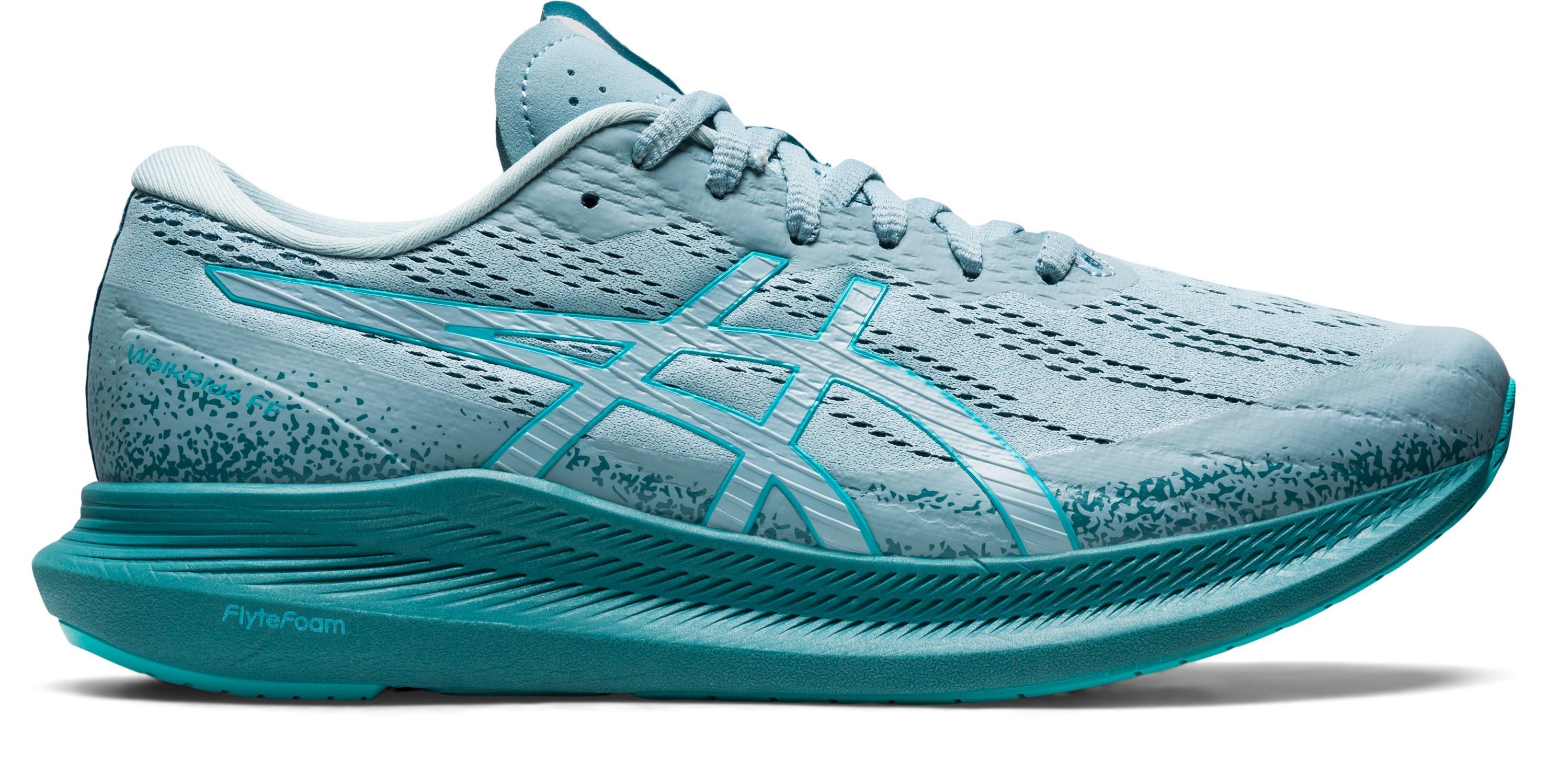
While individual needs vary, certain models consistently earn praise from podiatrists and ergonomics experts for their blend of support, cushioning, and durability. It’s important to view these not as a definitive ranking, but as exemplars of the engineering principles we’ve discussed. For those requiring substantial stability, the Brooks Adrenaline GTS series is a perennial favorite. Its GuideRails holistic support system focuses on keeping knees aligned without over-correcting the foot. For maximum cushioning, the HOKA Bondi series is often cited for its plush, rockered design that is particularly beneficial for those with heel pain or who stand for long periods. The ASICS Gel-Kayano line has a long history of incorporating advanced GEL cushioning and dynamic DuoMax support systems for overpronators. For a more natural, foot-shaped fit, Altra’s Provision or Paradigm models offer zero-drop platforms with balanced cushioning and a wide toe box. New Balance, with its extensive width sizing, is frequently recommended for individuals with wider feet, with models like the New Balance 1540 or 928 offering exceptional motion control. These models represent the culmination of years of biomechanical research and clinical feedback, making them a reliable starting point in your search for the perfect pair of podiatrist recommended walking shoes.
Investing in Your Foundation: The Long-Term Value Proposition
Purchasing high-quality, professionally vetted walking shoes is an investment with a profound return. The immediate benefit is the elimination of daily foot fatigue and pain. The secondary, long-term benefit is the prevention of chronic, costly musculoskeletal issues. Consider the alternative: the cumulative cost of doctor visits, physical therapy, orthotics, and pain medication for a condition like plantar fasciitis far exceeds the price of a premium pair of shoes. Furthermore, quality shoes are built to last. While fashion sneakers may disintegrate after a few months, a well-constructed walking shoe from a reputable brand should provide 300-500 miles of reliable service. To bring this professional knowledge and value directly to you, we’ve partnered with select retailers to offer exclusive discounted prices on several of the models mentioned. This allows you to access this crucial footwear technology without the premium price tag, making the investment in your health both smart and accessible. Remember, your feet are the only pair you get. Protecting them with the best possible foundation is not an indulgence; it’s a necessity for a vibrant, active life.
:max_bytes(150000):strip_icc()/podiatrist-recommended-walking-shoes-e1b90077185d4e6cadbf6327c4d17db7.jpg)
The journey to all-day comfort begins from the ground up. It requires moving past aesthetic trends and embracing footwear designed with anatomical intelligence. Podiatrist recommended walking shoes are the product of a collaboration between medical science and material innovation, created for one purpose: to keep you moving pain-free. By understanding the principles of stability, cushioning, and fit, and by choosing shoes that embody these traits, you empower every step you take. Don’t just walk—stride forward with confidence, supported by a foundation worthy of the life you lead.
