

Discover the Best Podiatrist Recommended Walking Shoes for All-Day Comfort
Your feet are your foundation, and the shoes you choose can either support that foundation or undermine it with every step. For anyone who spends significant time on their feet—whether navigating a busy workday, exploring new cities, or simply managing daily errands—the quest for truly comfortable footwear is paramount. This isn’t just about avoiding blisters; it’s about long-term foot health, joint alignment, and overall well-being. Ordinary shoes often prioritize style or cost over biomechanical support, leading to a cascade of issues from plantar fasciitis to knee pain. The solution lies not in generic fashion sneakers, but in footwear specifically engineered with foot anatomy and gait science in mind. This is where the expertise of podiatry becomes invaluable. Podiatrist recommended walking shoes are not a marketing gimmick; they are a category of footwear vetted by medical professionals who treat foot disorders daily. These shoes incorporate design principles that address common pathologies, promote natural foot function, and provide sustained comfort. By choosing such footwear, you are making an investment in your mobility and comfort, informed by clinical insight rather than fleeting trends.
:max_bytes(150000):strip_icc()/shp-best-brooks-walking-shoes-tout-f67df3ab5afa4c08a24a63ae6dca3444.jpg)
The Science of Support: Why Podiatrist Endorsement Matters
To understand the value of a podiatrist’s recommendation, one must first grasp the complex biomechanics of walking. The human foot is a marvel of engineering, comprising 26 bones, 33 joints, and over 100 muscles, tendons, and ligaments. During a single step, forces equivalent to 1.5 times your body weight travel through this structure. When this intricate system is improperly supported, the consequences extend far beyond the feet. As noted by the American Podiatric Medical Association (APMA), improper footwear can contribute to issues like metatarsalgia (ball-of-foot pain), Achilles tendinitis, and even postural problems affecting the hips and back. Podiatrists, as doctors of podiatric medicine (DPM), diagnose and treat these conditions. Their recommendations for podiatrist recommended walking shoes are based on specific criteria: adequate arch support to prevent overpronation or supination, a firm heel counter to stabilize the rearfoot, ample toe box space to allow natural toe splay and prevent neuromas, and appropriate cushioning that absorbs shock without being destabilizing. This scientific approach is echoed in resources from authoritative institutions like the Mayo Clinic, which emphasizes the importance of proper shoe fit and structure in preventive foot care. Therefore, a shoe bearing such a recommendation has been evaluated against a clinical standard, not just a consumer one.
Decoding the Features: What Makes a Walking Shoe Truly Great
Not all athletic shoes are created equal. Running shoes, for instance, are designed for forward momentum and heel-strike impact, while walking shoes must accommodate a more rolling gait from heel to toe with different pressure distributions. The hallmarks of an excellent walking shoe, particularly one that would earn a podiatrist’s nod, are multifaceted. First, the midsole is critical. It needs a balance of responsive cushioning and structural support. Materials like EVA (ethylene-vinyl acetate) foam or proprietary compounds like Brooks’ DNA LOFT or ASICS’ GEL provide shock attenuation. Second, the arch support must match your foot type—neutral, low-arched (flat feet), or high-arched. This often involves a medial post or a sculpted footbed that maintains the foot’s natural alignment, a principle supported by biomechanics literature from universities like the University of Virginia’s School of Medicine. Third, the heel counter should be rigid when squeezed; it cradles the heel bone to prevent excessive inward rolling. Fourth, flexibility should be at the forefoot, where the foot naturally bends, not in the midfoot where support is crucial. Finally, the upper should be made of breathable, flexible materials that secure the foot without pressure points. When these elements coalesce, you have a shoe that doesn’t just house your foot but actively works with its biomechanics.
Navigating the Market: Top Contenders for All-Day Comfort
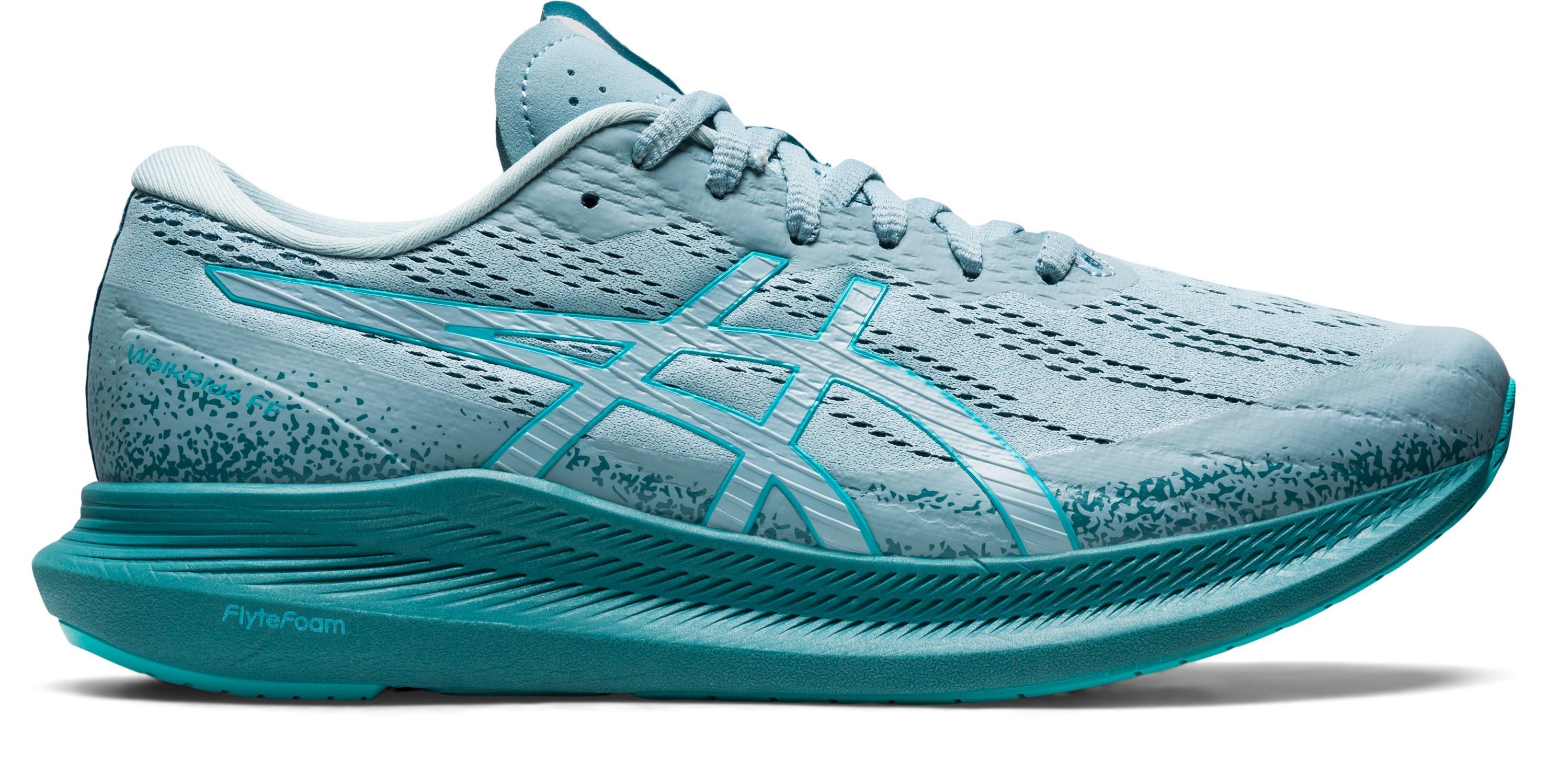
The market offers a plethora of options, but several brands consistently receive praise from foot care professionals and consumers alike for their commitment to biomechanical integrity. Brands like Brooks, New Balance, ASICS, HOKA, and Saucony frequently appear on lists of podiatrist recommended walking shoes. For instance, the Brooks Ghost series is often highlighted for its balanced cushioning and secure fit, making it a versatile choice for various foot types. HOKA ONE ONE, known for its maximalist cushioning, is frequently recommended for those with joint pain or who require exceptional shock absorption, as noted in reviews by physical therapists on platforms like YouTube. New Balance excels in offering multiple width options, a crucial feature often emphasized by podiatrists for achieving a truly proper fit. ASICS incorporates GEL technology in key impact zones, a feature backed by their Institute of Sport Science. It’s important to recognize that the “best” shoe is highly individual. The single most important factor, reiterated by experts from the Harvard Medical School publications, is fit. A shoe that is perfect for one person’s arch and gait may be unsuitable for another. This is why trying on shoes later in the day (when feet are naturally more swollen), wearing the socks you intend to use, and walking around the store are non-negotiable steps.
The Price of Comfort: Investing in Your Foundation
It’s a common hesitation: high-quality, medically endorsed footwear often carries a higher price tag than discount store alternatives. However, this is a classic case of value over cost. Consider the economics of prevention. A single visit to a podiatrist for a condition like plantar fasciitis can cost hundreds of dollars, not to mention the potential costs of orthotics, physical therapy, and lost productivity due to pain. A pair of well-constructed podiatrist recommended walking shoes, typically ranging from $120 to $160, acts as preventive medicine. They are engineered with durable materials, advanced polymers, and construction techniques that extend their lifespan, providing better cost-per-wear than cheaper shoes that break down quickly and offer no support. Furthermore, many reputable brands and retailers offer significant discounts through seasonal sales, loyalty programs, or outlet stores. The key is to view this purchase not as a discretionary fashion expense, but as a necessary investment in your physical health and daily quality of life. As the adage often attributed to wise spending goes, “The bitterness of poor quality remains long after the sweetness of low price is forgotten.” This is profoundly true for footwear that carries you through life.
:max_bytes(150000):strip_icc()/podiatrist-recommended-walking-shoes-e1b90077185d4e6cadbf6327c4d17db7.jpg)
Beyond the Shoe: Holistic Foot Health Practices
While selecting the right shoe is foundational, it is part of a broader ecosystem of foot care. Even the best podiatrist recommended walking shoes should be complemented with smart habits. Firstly, shoe rotation is advised by many experts; alternating between two pairs allows the midsole foam to fully rebound, maintaining its cushioning properties longer. Secondly, pay attention to sock choice—moisture-wicking fabrics like merino wool or synthetic blends keep feet dry and reduce friction. Thirdly, incorporate simple foot and calf stretches into your routine to maintain flexibility and strength, reducing strain on the plantar fascia. Resources like the APMA’s website or physiotherapy channels on social media offer guided routines. Furthermore, be mindful of the surfaces you walk on; consistent walking on very hard or uneven surfaces can accelerate wear on shoes and strain feet. Lastly, listen to your body. Persistent pain is a signal, not a norm. The integration of professional-grade footwear with conscious self-care creates a sustainable model for lifelong mobility and comfort, ensuring that your steps are always taken with confidence and ease.

The journey to all-day comfort begins from the ground up. In a world filled with choices that prioritize aesthetics over anatomy, seeking out podiatrist recommended walking shoes is an act of informed self-care. It is a decision grounded in the science of biomechanics and the practical wisdom of those who dedicate their careers to healing feet. These shoes represent a synergy of advanced materials, thoughtful design, and clinical validation. They are tools that empower you to move through your day—and through life—with reduced fatigue, minimized injury risk, and enhanced stability. By prioritizing this specialized footwear, you are not merely buying a product; you are aligning yourself with a principle of health that recognizes the profound importance of a strong, well-supported foundation. Let your next step be your most comfortable one.
