

The Timeless Allure of Black Heels for Women
In the vast universe of fashion, few items command the immediate recognition, the silent authority, and the transformative power of a pair of black heels. They are not merely footwear; they are an archetype, a psychological anchor, and a cultural statement distilled into a single, elegant silhouette. This enduring fascination transcends fleeting trends, rooting itself in a complex interplay of history, psychology, social semiotics, and pure aesthetic science. To understand the black heels is to understand a language spoken in boardrooms, on red carpets, and in the quiet confidence of a woman stepping out the door. Their allure is not accidental but constructed through decades of evolving narratives and undeniable visual logic.
The Historical Footprint: From Function to Symbol
The journey of high heels themselves began far from the realm of women’s fashion. As documented by sources like the Bata Shoe Museum and historical accounts on Wikipedia, heels were initially practical gear for Persian cavalrymen in the 10th century, helping to secure their stance in stirrups. Their migration to European aristocracy, notably in the court of Louis XIV, transformed them into symbols of status and power—a function they have never fully relinquished. The specific gravitation towards black for women heels is a more modern evolution. The Victorian era, with its strict codes of morality and dress, saw black as the color of solemnity and formality. As women entered the workforce in the 20th century, particularly in professional settings, the black heel became the uniform of serious ambition. It was a color that communicated competence, neutrality, and a focus on ability rather than frivolity. This historical layering—military utility, aristocratic privilege, and professional armor—forms the bedrock upon which the modern black heels for women stand. They carry the weight of this history, offering the wearer an instant connection to narratives of authority and gravitas.

The Psychology of Elevation: More Than Just Height
Objectively, the effect of heels is biomechanical: they alter posture, tilt the pelvis, elongate the leg, and change the gait. But the psychological impact is profound. Studies in embodied cognition, referenced in literature from institutions like Harvard University and Columbia Business School, suggest that our physical postures can directly influence our mental states. Wearing heels induces a posture associated with confidence and alertness. This “power pose” effect is amplified by the color black. Color psychology, a field studied in both art and marketing, consistently identifies black with sophistication, power, mystery, and elegance. When combined, the vertical lift of the heel and the enveloping authority of black create a potent psychological cocktail. The wearer doesn’t just look taller; she feels more commanding, more contained, and more focused. As fashion psychologist Dr. Dawnn Karen has noted in various analyses, clothing is “armor for the day,” and black heels are perhaps the most streamlined and effective piece of psychological armor in a woman’s wardrobe. They provide a non-verbal cue to both the wearer and the observer that she is prepared, present, and powerful.
The Semiotics of Style: A Universal Language
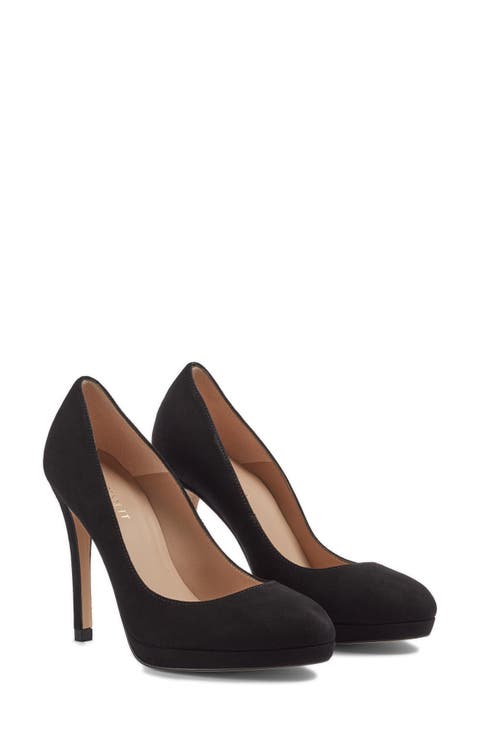
In the language of semiotics—the study of signs and symbols—the black heel is a signifier with remarkably consistent meaning across global cultures. From the classic pump immortalized by figures like Audrey Hepburn and Christian Dior to the sleek stiletto synonymous with modern power, its form communicates specific messages. In cinema, think of the iconic click of Miranda Priestly’s heels in The Devil Wears Prada or the destructive seduction of Glenn Close’s character in Fatal Attraction; the black heel is a narrative device denoting control, intent, and sometimes danger. On platforms like Quora and YouTube, style commentators and everyday users alike dissect the “power” of a black pump. As designer Manolo Blahnik once famously stated, “A shoe is not only a design, but it’s a part of your body language, the way you walk. The way you’re going to move is quite dictated by your shoes.” The black heel dictates a movement of purpose. It is less about frivolous decoration and more about intentional presentation. It can be professional, fetishistic, artistic, or funereal, its meaning shifting subtly with design details—a pointed toe versus a rounded one, a thin strap versus a closed vamp—but its core vocabulary of strength and sophistication remains.
The Aesthetic Algorithm: Why Black Works
Scientifically and artistically, black possesses unique visual properties. It is the absence of light, a color that recedes, creating a slimming, elongating effect on the foot and leg. This makes the black heel the most universally flattering choice, a fact echoed by stylists and fashion textbooks worldwide. It provides a clean, uninterrupted line from leg to toe, a principle central to the design philosophies found in the archives of Vogue or the Fashion Institute of Technology. Furthermore, black is a neutral non-color that harmonizes with every other hue in the spectrum. This unparalleled versatility is its superpower. A single pair of well-crafted black heels for women can anchor a vibrant floral dress, lend edge to tailored denim, and provide the finishing punctuation to a little black dress. It eliminates the cognitive load of matching and ensures the focus remains on the overall silhouette and the wearer herself. In an era of capsule wardrobes and sustainable fashion, the black heel is the ultimate investment piece, offering maximum stylistic return.
Modern Manifestations: From Classic Pumps to Architectural Wonders
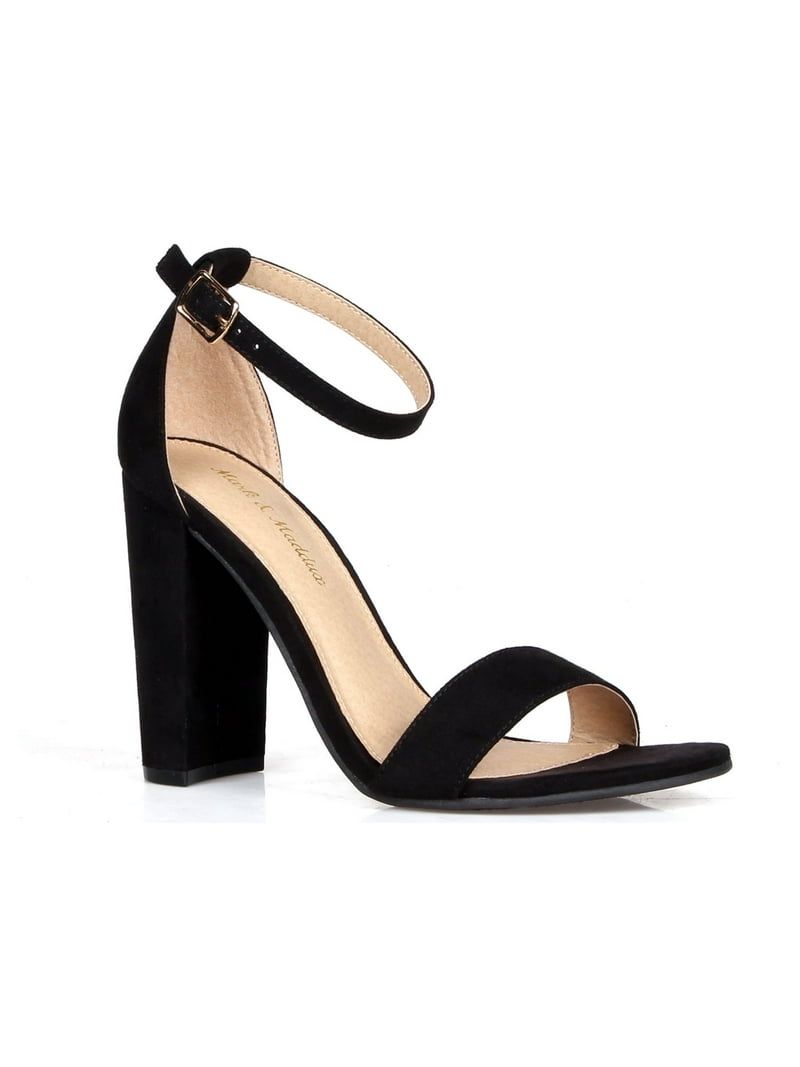
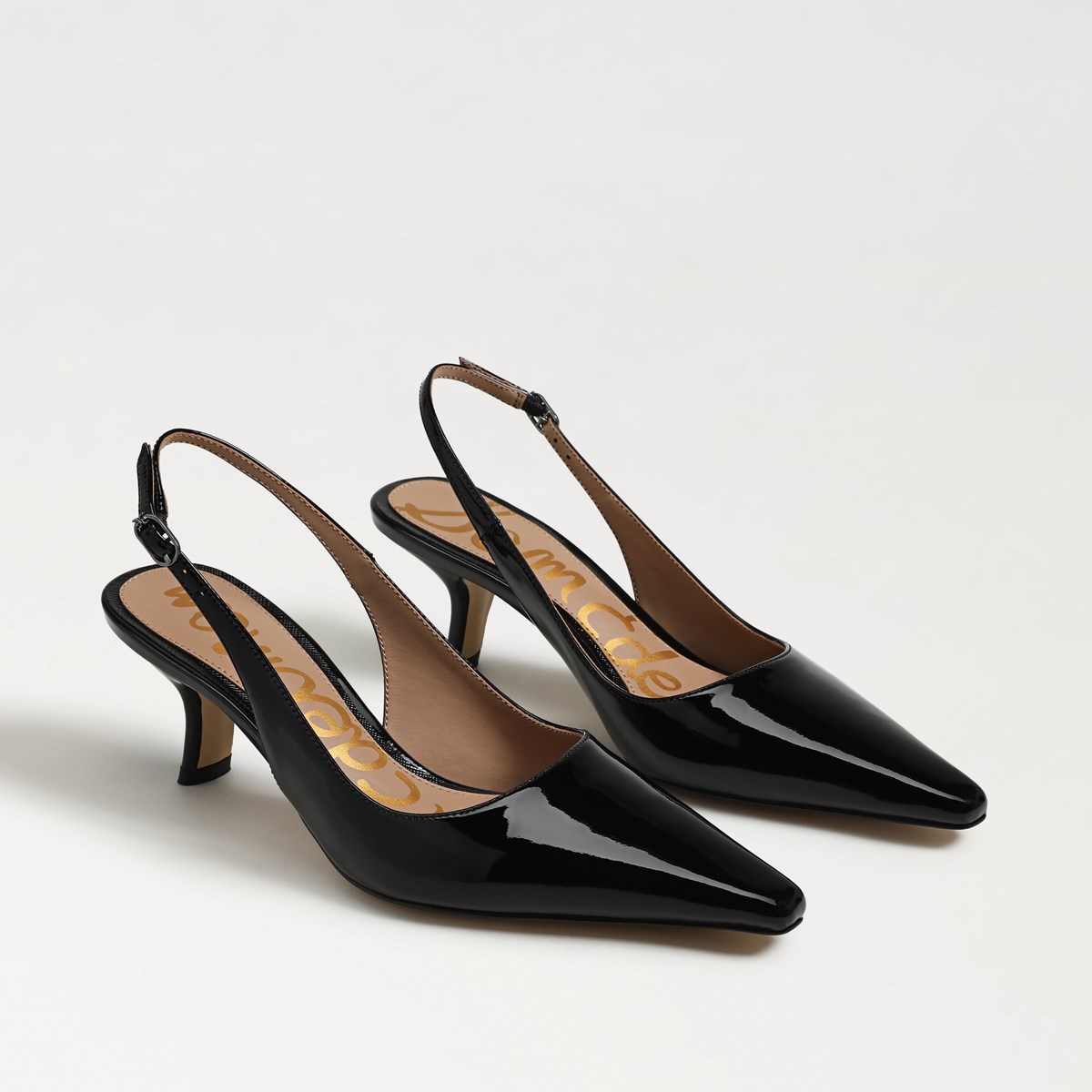
Today, the category of women heels black has exploded into a spectrum of sub-genres, each serving a different facet of contemporary life. The chunky block heel, as seen in many street-style blogs, offers a retro-inspired stability and a statement of bold, grounded confidence. The strappy sandal heel, often featuring intricate lace-ups or minimalist bands, plays with skin and shadow, offering a blend of delicacy and strength perfect for evening wear. The pointed-toe slingback, a perennial favorite, marries vintage charm with modern sharpness. Then there are the architectural platforms and sculptural designs from houses like Rick Owens or Alexander McQueen, which treat the black heel as wearable art, pushing the boundaries of form while still leveraging that foundational black palette. This diversity ensures that the allure of black heels is not monolithic but adaptable, capable of expressing individuality while remaining within its powerful aesthetic code.
An Informed Choice: Knowledge and Value
Understanding this rich tapestry of history, psychology, and design empowers you as a consumer. It moves the purchase from an impulse buy to an informed investment in a tool for self-expression and empowerment. When you know that a well-constructed heel balances weight over the arch and uses quality materials for the insole and outsole, you can discern true craftsmanship. Brands that prioritize such ergonomics, often highlighted in reviews on trusted sites or by podiatrists on professional blogs, create heels that are as comfortable as they are captivating. This knowledge is where we bridge the gap to value. While the timelessness of black heels justifies investment, savvy shopping means seeking out brands that offer this professional-grade construction—think reinforced heels, padded footbeds, and flexible yet supportive soles—without the prohibitive luxury markup. It’s about finding that pair that makes you feel invincible, not because it was the most expensive option, but because it was the smartest one, merging impeccable design with considerate engineering and an accessible price point.
The final step is not taken on the sidewalk but in the mind. The black heels for women endure because they are a perfect synthesis of form and meaning. They are a historical artifact, a psychological trigger, a semantic symbol, and an aesthetic masterstroke. They offer a foundation of confidence that is both felt internally and projected externally. In a world of constant sartorial noise, they are a clear, unequivocal statement. They are, quite simply, the finishing note that begins the conversation.
