

Discover the Top Podiatrist Recommended Walking Shoes for Ultimate Comfort and Support
Your feet are your foundation, and the shoes you choose for walking can either build up or break down your entire musculoskeletal system. It’s not merely about fashion or a brand name; it’s about biomechanical engineering that supports your unique stride. Every step you take sends shockwaves through your body, and the right footwear acts as a critical shock absorber and stabilizer. This isn’t just anecdotal advice; it’s a principle grounded in podiatric science. Podiatrists, the medical specialists dedicated to foot and ankle health, consistently emphasize that the correct walking shoe is a non-negotiable element of preventive care. Their recommendations are not based on fleeting trends but on clinical observations of gait analysis, pressure distribution, and long-term patient outcomes. Therefore, seeking out podiatrist recommended walking shoes is the most direct path to transforming your daily walks from a potential source of discomfort into a pillar of holistic well-being and vitality.

The Non-Negotiable Pillars: Arch Support, Cushioning, and Heel Counter
To understand why a podiatrist recommended walking shoe stands apart, we must dissect its core components. First is arch support, which is fundamentally about alignment. The human foot’s arch is a marvel of natural engineering, designed to distribute weight. However, modern lifestyles on hard, flat surfaces often lead to overpronation (rolling inward) or supination (rolling outward). A study from the University of Virginia’s Department of Orthopaedic Surgery highlights that improper arch support can lead to a cascade of issues, including plantar fasciitis, shin splints, and even knee and hip pain. A podiatrist-approved shoe provides structured, often contoured, arch support that maintains the foot’s neutral position, preventing these compensatory injuries. Second is cushioning, specifically in the heel and forefoot. This isn’t just about softness; it’s about energy dispersion. As noted by Dr. Jacqueline Sutera, a renowned New York City podiatrist, “Cushioning absorbs the impact force, which can be up to three times your body weight with each step.” This scientific cushioning, often made from advanced materials like EVA foam or gel, protects the joints from repetitive stress trauma. The third pillar is a rigid heel counter—the firm cup at the back of the shoe. This feature is crucial for stability. A robust heel counter locks the heel in place, preventing excessive side-to-side motion that can strain the Achilles tendon and ankle ligaments. When these three elements work in concert, they create a symbiotic environment where comfort is a byproduct of correct biomechanical function.
Decoding Your Gait: The First Step to the Right Shoe
Before you even look at a shoe, you must understand your gait. Your gait pattern is your walking fingerprint, and it dictates the type of support you need. The most common method of analysis, often used in podiatry clinics and reputable running stores, is the wet foot test or, more accurately, a professional gait analysis on a treadmill with video assessment. Are you an overpronator, with your arch collapsing inward excessively? This requires a motion-control or stability shoe. Are you a supinator, with your foot rolling outward? You need a highly cushioned, flexible shoe. Or do you have a neutral gait? A neutral stability shoe is your match. Ignoring your gait is like prescribing medication without a diagnosis. As biomechanist Dr. Casey Kerrigan, founder of OESH Shoes, stated in an interview, “The shoe should complement the foot’s natural movement, not fight against it or over-correct it.” This philosophy is central to the selection process for podiatrist recommended walking shoes. They are designed with specific gait types in mind, offering targeted interventions rather than a one-size-fits-all approach. Investing time in understanding your gait is an investment in the efficacy of your footwear, ensuring the shoe works with your body, not against it.
:max_bytes(150000):strip_icc()/tal-roundup-podiatrist-loved-shoes-on-sale-tout-bdbf5721fa5642efa38b61f6a5b4ff34.jpg)
Top Contenders: Brands and Models That Earn Podiatric Praise
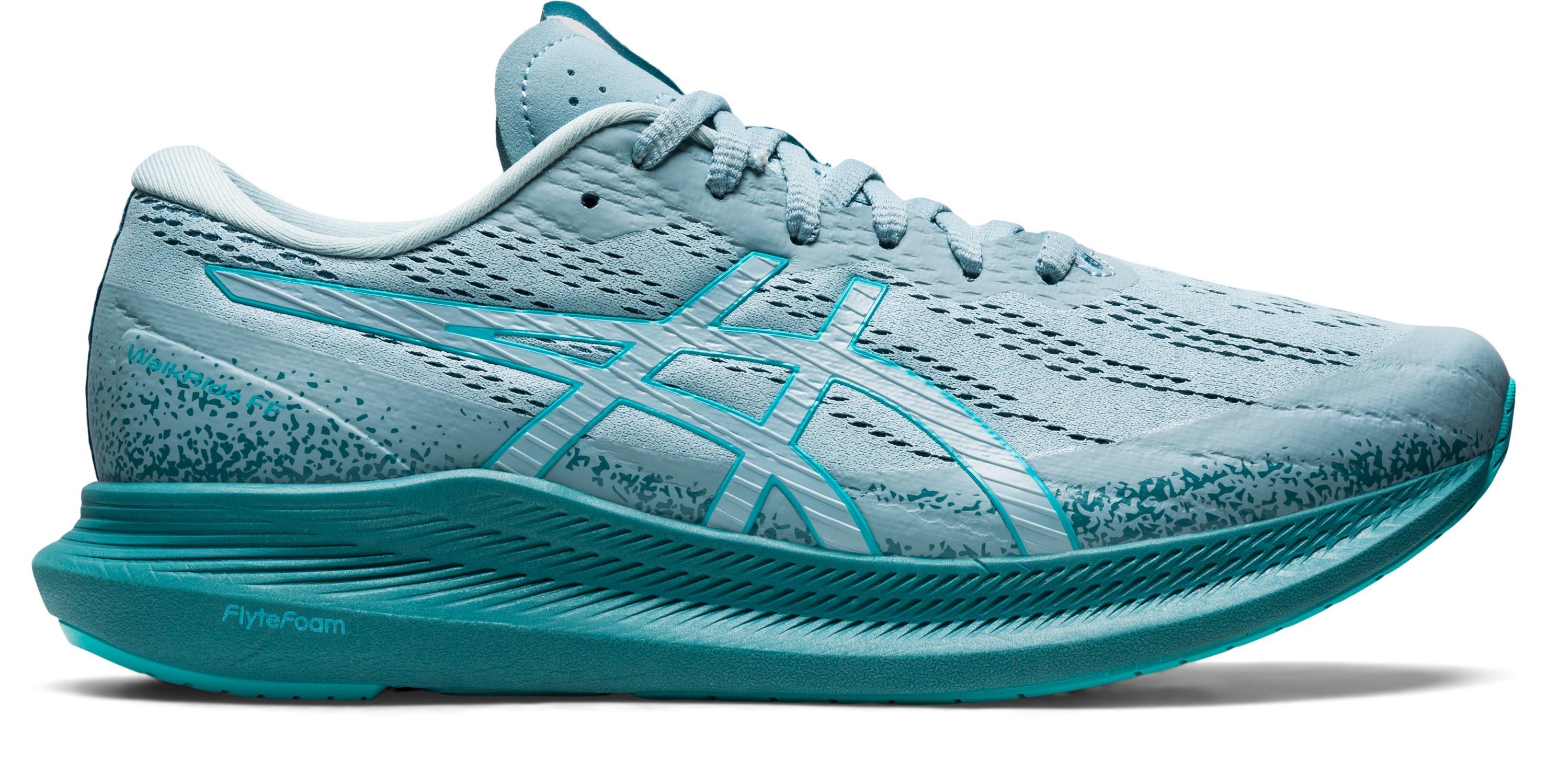
Several brands have consistently earned the trust of foot care professionals by integrating podiatric science into their designs. Brooks, for instance, is frequently lauded for its evidence-based approach. The Brooks Addiction Walker, with its extended progressive diagonal rollbar, is a staple recommendation for severe overpronators seeking maximum support. Similarly, ASICS, with its focus on impact guidance, offers models like the ASICS Gel-Tech Walker Neo 4, which combines rearfoot and forefoot GEL technology cushioning with a guidance line to promote efficient gait. New Balance is another powerhouse, celebrated for its wide range of widths, acknowledging that foot volume is as important as length. Their New Balance 928v3 is a classic walking shoe built on a last specifically designed for orthotic compatibility, a key feature for many patients under podiatric care. HOKA, though born in the running world, has made significant inroads with walkers due to its maximalist cushioning. The HOKA Bondi series provides exceptional shock absorption, making it a top choice for those with joint arthritis or who walk primarily on hard surfaces. These brands represent the gold standard, but the “best” shoe is profoundly personal. It is the one that addresses your specific anatomical needs and gait pattern, which is why the blanket term podiatrist recommended walking shoes always points back to an individualized assessment.
The Price of Prevention: An Investment, Not an Expense
It’s tempting to view high-quality walking shoes as a luxury, but from a medical and economic standpoint, they are a critical form of preventive investment. Consider the alternative: the cost of treating chronic foot conditions. Physical therapy sessions, custom orthotics, anti-inflammatory medications, and even surgery represent financial and personal costs far exceeding the price of a premium pair of shoes. A viewpoint echoed on platforms like Quora and professional podiatry blogs is that “your shoes are the cheapest form of health insurance you can buy for your feet.” This sentiment is backed by data. Research published in the Journal of Foot and Ankle Research indicates that appropriate footwear can significantly reduce the incidence of falls in older adults and alleviate pain in individuals with diabetes, preventing costly complications. Therefore, when you purchase a pair of podiatrist recommended walking shoes, you are not buying a commodity; you are procuring a therapeutic device. The good news is that this investment is often accessible. Many of these top models can be found at discounted prices during seasonal sales, on brand outlet websites, or through reputable online retailers. The key is to prioritize the correct fit and function first, then seek out the value.
:max_bytes(150000):strip_icc()/shp-best-brooks-walking-shoes-tout-f67df3ab5afa4c08a24a63ae6dca3444.jpg)
Beyond the Shoe: Complementary Practices for Foot Health
While the right shoes are paramount, they function best as part of a holistic foot care regimen. Think of them as the foundation of a house—essential, but the structure above matters too. First, consider the use of socks. Moisture-wicking, seamless socks prevent blisters and fungal infections, a simple tip often emphasized by podiatrists on social media platforms like YouTube. Second, incorporate foot-strengthening exercises. Toe curls, marble pickups, and calf stretches improve intrinsic muscle strength and flexibility, making your feet more resilient. Resources from authoritative institutions like the American Academy of Orthopaedic Surgeons provide excellent guides for these exercises. Third, be mindful of surface. Whenever possible, walk on natural, forgiving surfaces like grass or dirt trails instead of unyielding concrete. Finally, listen to the wear patterns of your shoes. Even the best podiatrist recommended walking shoes have a lifespan, typically 300-500 miles. Wearing them beyond their functional life negates their benefits, as the midsole compression and outsole wear compromise support and cushioning. Replacing them proactively is a non-negotiable part of the maintenance cycle.
The journey to pain-free, energizing walks begins with a single, informed step. It requires moving beyond marketing claims and aesthetic appeal to embrace the science of movement. By prioritizing the principles of arch support, cushioning, and stability, understanding your unique gait, and selecting from the vetted brands that podiatrists trust, you equip yourself with the most powerful tool for foot health. This is not about concluding a search but about initiating a sustainable practice. It’s about recognizing that every mile walked in properly supported shoes is an investment in your mobility, your comfort, and your long-term vitality. Let your choice in footwear be a deliberate act of self-care, guided by the expertise embedded in every pair of truly podiatrist recommended walking shoes.
