

Discover the Best Podiatrist Recommended Walking Shoes for All-Day Comfort
Your feet are your foundation, and the shoes you choose can either support a life of movement or lead to a cascade of discomfort. For anyone who spends significant time on their feet—whether navigating city streets, exploring nature trails, or managing daily errands—the quest for the perfect walking shoe is paramount. This isn’t about fleeting fashion trends; it’s about long-term foot health and holistic well-being. The guidance of a podiatrist, a medical professional specializing in the diagnosis and treatment of foot, ankle, and lower extremity disorders, provides a scientifically grounded roadmap for this search. Podiatrist recommended walking shoes are not a marketing gimmick but a category built on principles of biomechanics, material science, and preventative care. This article delves into the core features that define these shoes, translating professional expertise into actionable knowledge for your next purchase, and connects you with options that blend this essential support with accessible value.
The Foundation of Foot Health: Why Expert Recommendation Matters
Walking is a complex symphony of biomechanical events. With each step, your foot undergoes a sequence of pronation (rolling inward) and supination (rolling outward) to absorb shock and adapt to terrain. When footwear disrupts this natural motion, the consequences extend far beyond blisters. According to literature from the American Podiatric Medical Association (APMA), improper shoes can contribute to a range of issues from plantar fasciitis and metatarsalgia to knee pain, hip misalignment, and even lower back problems. A podiatrist’s recommendation, therefore, stems from a deep understanding of these mechanics. They evaluate shoes based on criteria like arch support, heel counter stability, forefoot flexibility, and overall fit—factors that maintain proper alignment from the ground up. As Dr. Jacqueline Sutera, a New York City-based podiatrist, often notes in media interviews, “Shoes are the tires of the human body. You wouldn’t put cheap, worn-out tires on a luxury car and expect a smooth, safe ride.” This analogy perfectly encapsulates the importance of investing in footwear engineered for support. The podiatrist recommended walking shoes we discuss are those that have either earned the APMA Seal of Acceptance or are consistently cited by foot care professionals in clinical practice and public health advisories for their therapeutic design principles.
Decoding the Anatomy of a Superior Walking Shoe
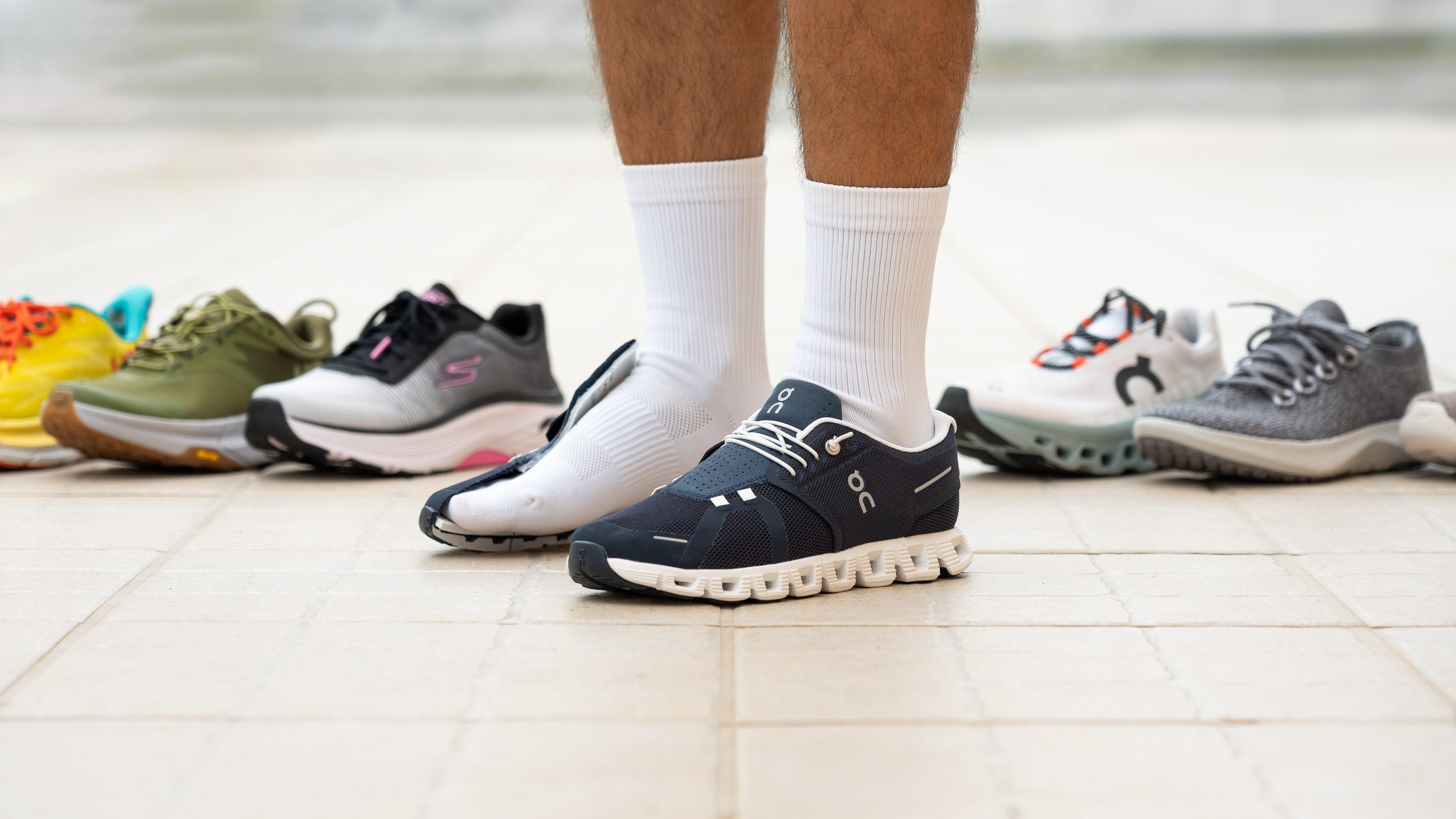
To make an informed choice, one must move beyond brand names and look at the structural components that constitute a high-performance walking shoe. First, consider the midsole. This is the heart of cushioning and stability, often made from advanced materials like EVA (ethylene-vinyl acetate) foam, polyurethane, or proprietary compounds like Brooks’ DNA LOFT or HOKA’s Profly+. These materials are selected for their dual ability to provide soft landings and responsive toe-offs. The arch support is non-negotiable. Whether you have high arches, flat feet, or a neutral profile, the shoe must offer contoured, firm support that prevents overpronation or supination. This is where removable orthotic insoles, compatible with custom orthotics, become a valuable feature. Next, examine the heel counter. A rigid, cupped heel counter that extends forward on both sides of the foot is crucial for stabilizing the rearfoot, preventing excessive movement that can strain the Achilles tendon. The toe box must be wide and deep enough to allow your toes to splay naturally without constriction, a point emphasized by Harvard Medical School publications on foot care. Finally, the outsole’s rubber composition and tread pattern determine durability and traction. A beveled or rockered sole can also promote a more natural gait cycle, reducing strain on the calves and plantar fascia. Each of these elements is a pillar in the architecture of podiatrist recommended walking shoes, working in concert to protect and empower your stride.
Material Science and Long-Term Durability: An Investment in Your Stride
The longevity of a walking shoe is intrinsically linked to the quality of its materials, which directly impacts its supportive function over time. High-grade engineered mesh uppers offer a critical balance of breathability and structural integrity, conforming to the foot without stretching out prematurely. This prevents the “shoe breakdown” phenomenon where, after a few hundred miles, the upper separates from the midsole or loses its shape, rendering its support systems ineffective. The midsole materials are particularly susceptible to compression. As noted in biomechanics research from institutions like the University of Calgary, most cushioning midsoles lose a significant percentage of their shock-absorption properties after 300-500 miles of use, regardless of visible wear on the outsole. This is a silent failure—the shoe may look fine but is no longer protecting your joints. Therefore, a key aspect of a podiatrist recommended walking shoe is the use of durable, resilient foams that maintain their integrity longer. Brands that prioritize this often utilize dual-density midsoles or incorporate gel or thermoplastic polyurethane (TPU) guidance systems that do not degrade as quickly. Investing in shoes built with these premium materials is an investment in consistent performance, ensuring that the support you paid for on day one is still present months later, ultimately proving more cost-effective than replacing cheaper, faster-degrading options frequently.
:max_bytes(150000):strip_icc()/I-Asked-Podiatrists-for-Their-Fall-Shoe-Recommendations-These-Are-Their-Top-8-Picks-8fbdf9d65f3a4228ae63f6e5253dc08c.jpg)
From Clinic to Pavement: Real-World Applications and User Scenarios
Understanding the theory is one thing; applying it to your life is another. The beauty of truly effective podiatrist recommended walking shoes is their versatility across diverse activities. For the urban commuter logging miles on concrete, shoes with exceptional shock absorption and a rocker sole to propel the foot forward efficiently can combat fatigue. The travel enthusiast exploring cobblestone streets needs a combination of lightweight construction, superior traction, and all-day cushioning. Individuals managing specific conditions like diabetes require shoes with seamless interiors to prevent friction and ulcers, a feature highlighted by the American Diabetes Association. The fitness walker targeting distance and speed benefits from shoes that offer a secure heel lock and energy-returning midsoles. Even within the home or workplace where standing is prolonged, slip-on styles with arch support and a wide toe box, often recommended by podiatrists for their patients in service industries, can make a profound difference. The common thread is that these shoes are tools for active living, designed to adapt to your needs rather than limit them. They empower you to move more, with less pain and greater confidence, turning daily walking from a chore into a sustainable, joyful practice.
Curating Your Options: A Guide to Informed Selection
With the foundational knowledge in place, the process of selecting your ideal pair becomes a purposeful exercise rather than an overwhelming gamble. Start by knowing your foot type. A simple “wet test” (observing the shape of your footprint on a dry surface) can reveal if you have low, neutral, or high arches. This dictates the level of arch support and stability you need. Always shop for shoes in the late afternoon or evening, as feet naturally swell throughout the day. Bring the socks you intend to wear with them and ensure there’s about a thumb’s width of space between your longest toe and the end of the shoe. Don’t just stand—walk, jog, and simulate inclines on the store floor. Pay attention to pressure points, heel slippage, and where the shoe bends; it should flex at the ball of the foot, not the arch. Remember that brand sizing is not universal. Renowned running and walking analyst Dr. Ray McClanahan, in his published works, advocates for footwear that allows natural foot function, emphasizing a wide toe box as a non-compromisable feature. While a specific shoe model may be widely podiatrist recommended, your individual fit is the ultimate deciding factor. It is this marriage of professional guideline and personal comfort that leads to true all-day success.
:max_bytes(150000):strip_icc()/shp-best-brooks-walking-shoes-tout-f67df3ab5afa4c08a24a63ae6dca3444.jpg)
Where Expertise Meets Value: Finding Quality at Accessible Prices
A prevailing myth is that exceptional foot support must come with an exorbitant price tag. This is not the case. While cutting-edge materials and research do command a premium, the market for quality walking shoes is broad, and value can be found through strategic shopping. First, consider previous generations of top models. When a brand like ASICS, New Balance, or Saucony releases a new version of a flagship walking shoe (e.g., the New Balance 928v4), the outgoing model (v3) often sees significant discounts while retaining 90% of its core supportive technology. Online retailers specializing in athletic gear frequently offer sales during seasonal transitions and major holidays. Signing up for brand newsletters can provide access to exclusive first-time buyer discounts or member-only sales. Furthermore, some brands have dedicated “outlet” or “value” lines that incorporate their fundamental stability and cushioning technologies at a lower cost point by using slightly simpler uppers or more common colorways. The goal is to identify the non-negotiable structural features—the firm heel counter, the appropriate arch support, the durable outsole—and then seek out the model that delivers those within your budget. Protecting your feet is priceless, but acquiring the tools to do so need not be financially burdensome.
:max_bytes(150000):strip_icc()/tal-10-podiatrist-approved-open-toed-shoes-tout-00bd6ff1c36a49cdbbff486b0b54fb27.jpg)
The journey to finding the perfect walking shoe is a direct investment in your mobility and vitality. By prioritizing the principles behind podiatrist recommended walking shoes—biomechanical alignment, quality materials, and precise fit—you equip yourself with more than just footwear; you gain a partner in movement. This knowledge empowers you to navigate the vast market with discernment, separating marketing hype from genuine, health-supportive engineering. Let your shoes be the silent, steadfast foundation that allows you to walk through your day, and your world, in sustained comfort and strength. Your feet, and the rest of your body, will thank you for miles to come.
