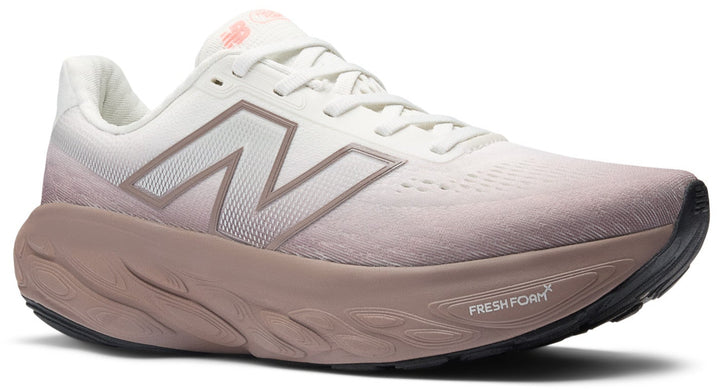
The Ultimate Guide to New Balance Wide Width Womens Walking Shoes
Finding the perfect walking shoe is a quest for comfort, support, and durability, but for those with wider feet, the journey often hits a frustrating roadblock. Standard widths can pinch, squeeze, and ultimately derail the health benefits and simple joy of a daily walk. This is where a specialized category of footwear becomes not just a preference, but a necessity. This guide is dedicated to unraveling the science, design, and real-world performance of New Balance wide width womens walking shoes, providing you with the knowledge to transform your walking experience. We will move beyond marketing claims to explore the biomechanical principles behind their construction, hear from experts and everyday users, and identify how the right pair can align with both your anatomical needs and your fitness aspirations.
The Biomechanical Imperative: Why Width Matters in Footwear
The human foot is a complex structure of 26 bones, 33 joints, and over a hundred muscles, tendons, and ligaments. When it comes to walking—a repetitive, weight-bearing activity—proper alignment and natural foot splay are critical for efficiency and injury prevention. A study from the University of Virginia’s Department of Kinesiology emphasizes that constrictive footwear can alter gait patterns, leading to issues such as bunions, hammertoes, and plantar fasciitis. For individuals with wider feet, defined often as a measurement where the ball of the foot is proportionally broader relative to length, a standard-width shoe acts as a rigid cage. It prevents the metatarsals from spreading naturally upon foot strike and toe-off, compromising stability and comfort. New Balance wide width womens walking shoes are engineered with this biomechanical reality in mind. They offer expanded dimensions in the forefoot and toe box, allowing for the natural expansion that occurs during the gait cycle. This isn’t merely about “more room”; it’s about creating a harmonious environment where the foot’s intricate mechanics can function as intended, reducing shear forces and pressure points that lead to long-term discomfort.
Decoding the New Balance Fit System: More Than Just a Letter
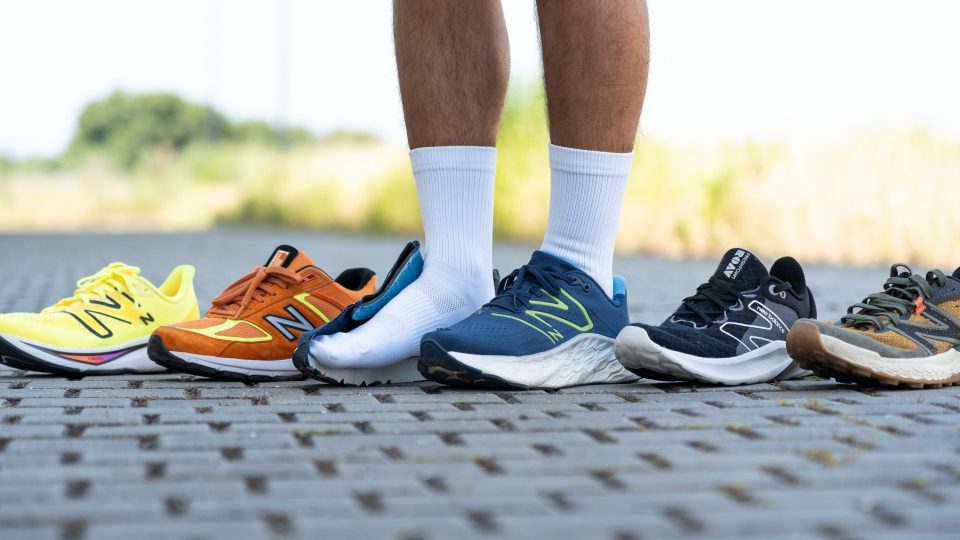
New Balance has built a reputation on precision fit, offering one of the most comprehensive width sizing systems in the athletic footwear industry. While many brands might offer one “wide” option, New Balance provides a spectrum: Standard (B), Wide (D), Extra Wide (2E/4E). For women, a Wide (D) width is typically 3/16″ broader in the forefoot than a Standard (B) width. This systematic approach is rooted in anthropometric data—the study of human body measurements. As noted on platforms like Quora and in discussions among podiatrists, this granularity is crucial because “wide feet” are not a monolith. The benefit of this system is profound. It means a woman with a slightly broader foot can find a precise D width for a snug-yet-comfortable fit, while another requiring significant volume can seek out a 2E, all within the same supportive walking shoe model. This commitment to fit variety directly addresses the core issue: accommodating foot shape to enhance performance and comfort, making New Balance wide width womens walking shoes a scientifically-informed choice rather than a simple alternative.
Core Technologies: The Engineered Comfort of Fresh Foam and ROLLBAR
The expanded width is the foundation, but the technologies within define the walking experience. Two of New Balance’s most lauded innovations are Fresh Foam midsole cushioning and ROLLBAR stability technology. Fresh Foam is a single-density foam compound engineered using data from pressure-mapping thousands of runners’ and walkers’ strides. According to material scientists, this data-driven approach allows for a midsole that provides plush, adaptive cushioning without the bottoming-out sensation of traditional EVA foam. It absorbs impact at the heel and forefoot, making each step softer on joints. For stability—a key concern for walkers, especially over longer distances—the ROLLBAR technology is pivotal. It’s a rigid medial post made from a thermoplastic urethane, designed to control rearfoot motion. As explained in literature from the American College of Sports Medicine, excessive pronation (inward rolling of the foot) can lead to a cascade of alignment issues in the ankles, knees, and hips. In a New Balance wide width womens walking shoe equipped with ROLLBAR, the wider platform works in tandem with this post, offering a broad, stable base that limits excessive motion, promoting a more efficient and safer stride from the ground up.

From the Experts and the Everyday: A Consensus on Comfort
Objective praise for New Balance’s wide-width offerings comes from multiple authoritative corners. Podiatrists frequently recommend the brand for patients needing extra volume and support, citing their consistent sizing and focus on foot health. On consumer platforms like the /r/walking subreddit or dedicated walking blogs, the sentiment is echoed by thousands of users. One recurring theme is the relief of finding a shoe that “finally fits right,” eliminating the need to buy a longer size just to accommodate width—a practice that can cause heel slippage and blisters. Celebrity fitness trainer Harley Pasternak, known for his science-based approach, has been quoted discussing the importance of proper footwear for metabolic health, implicitly endorsing brands that prioritize anatomical fit. Furthermore, YouTube reviewers specializing in footwear for wider feet often perform detailed comparisons, highlighting the durability of the outsole rubber and the breathability of the engineered mesh uppers in New Balance wide width womens walking shoes. This confluence of professional endorsement and grassroots user satisfaction forms a powerful testament to their effectiveness.
A Model Breakdown: Navigating the Line-Up
The New Balance walking collection can be navigated by understanding key model families. The Fresh Foam X 1080 series represents the pinnacle of cushioning. It’s ideal for walkers seeking maximum shock absorption on pavement or treadmills, with its full-length Fresh Foam X midsole. The 860 series is the stability workhorse, integrating ROLLBAR technology for those who need pronounced arch support and motion control. For a blend of cushioning and lightweight flexibility, the FuelCore Nergize models offer a sleek, almost sneaker-like feel with a supportive heel. It’s vital to note that these technologies are built into the wide-width variants with the same integrity as the standard widths. The shoe isn’t simply stretched; the last (the mold around which the shoe is built) is specifically designed to maintain structural integrity and technological placement across all width offerings. This ensures that when you choose a wide version, you are receiving the full performance benefits the model promises.

Investment in Wellness: The Long-Term Value Proposition
Purchasing a quality pair of New Balance wide width womens walking shoes is an investment in long-term musculoskeletal health. The initial cost, often ranging from $120 to $160 for premium models, must be weighed against the cost of potential injuries from ill-fitting shoes or the cumulative discomfort of daily wear. Furthermore, New Balance shoes are renowned for their durability. The blown rubber outsoles on walking models are designed for high-mileage wear, meaning the cost-per-walk decreases significantly over the shoe’s 300-500 mile lifespan. To make this investment more accessible, savvy shoppers should look to official New Balance sales during holiday weekends, utilize price-tracking browser extensions on major retailer sites, and consider purchasing previous model versions (like the v12 instead of the v13), which offer nearly identical technology at a discounted price. The value lies not just in the product, but in the sustained comfort and injury-free activity it supports.
The Final Step: Making an Informed Choice
The journey to finding the ideal walking shoe culminates in an informed, personalized decision. It begins with understanding your own foot—consider a professional fitting or tracing your foot at the end of a long day when it’s most swollen. Remember that the right New Balance wide width womens walking shoe should feel secure at the heel and midfoot, with ample space for your toes to wiggle freely. There should be no breaking-in period of significant pain; comfort should be immediate. This guide has armed you with the principles of biomechanics, the logic behind fit systems, the science of core technologies, and the voices of validation from experts and users alike. Walking is one of the most accessible and beneficial forms of exercise we have. The correct footwear removes barriers and enhances every aspect of that experience, turning a simple activity into a source of daily renewal and strength. Your path to countless comfortable miles starts with acknowledging the unique shape of your feet and choosing a tool crafted to honor it.