

Discover the Best Podiatrist Recommended Walking Shoes for All-Day Comfort
Your feet are your foundation. For every step you take, they absorb impact, provide balance, and propel you forward. Yet, we often encase them in footwear chosen for aesthetics over anatomy, leading to a cascade of discomfort that can ripple up through your entire body. The quest for all-day comfort isn’t about luxury; it’s a physiological necessity. This is where the expertise of podiatry becomes indispensable. Moving beyond marketing buzzwords, we delve into the biomechanical principles that define true comfort, guiding you toward the podiatrist recommended walking shoes that can transform your daily movement from a chore into a pleasure. This exploration is grounded not in fleeting trends, but in the objective science of foot health, drawing from authoritative sources to equip you with the knowledge to make an informed choice for your most valuable assets.
The Biomechanical Blueprint: Why Your Feet Demand Expert Care
To understand the critical importance of specialized footwear, one must first appreciate the complex engineering of the human foot. It is a marvel of evolution, comprising 26 bones, 33 joints, and over 100 muscles, tendons, and ligaments. According to biomechanics literature from institutions like the University of California’s Department of Orthopaedic Surgery, the foot functions as both a flexible shock absorber at heel strike and a rigid lever for propulsion during toe-off. This dual role, known as the windlass mechanism, is easily disrupted. Ill-fitting or unsupportive shoes can alter your gait cycle, leading to excessive pronation (inward rolling) or supination (outward rolling). These deviations don’t just cause localized pain like plantar fasciitis or bunions; they create kinetic chain dysfunctions. As noted by Dr. James Ioli, Chief of Podiatric Services at Brigham and Women’s Hospital, “The foot is the first point of contact with the ground. Problems there can manifest as knee pain, hip misalignment, and even lower back issues.” Therefore, selecting a shoe isn’t merely about cushioning; it’s about providing structured guidance to maintain natural, efficient motion. A podiatrist recommended walking shoe is designed with this precise biomechanical blueprint in mind, offering stability where you need it and flexibility where your foot requires it to function optimally.

Decoding the Hallmarks of a Podiatrist-Approved Shoe
What specific features elevate a walking shoe to the status of being podiatrist-endorsed? The criteria are rigorous and focused on corrective and preventive care. First, consider the heel counter. This is the firm cup at the back of the shoe that cradles the heel. A study cited in the Journal of Foot and Ankle Research emphasizes that a rigid, well-molded heel counter is paramount for controlling rearfoot motion, preventing the ankle from rolling and providing a stable base for the entire gait. Second, examine the arch support. This is not a one-size-fits-all proposition. Podiatrists often differentiate between neutral, medial (for overpronation), and lateral supports. The American Podiatric Medical Association (APMA) grants its Seal of Acceptance to products that promote good foot health, and a key benchmark is appropriate, non-compressible arch support that sustains the foot’s natural longitudinal arch. Third, the rocker sole design is a feature frequently advocated by foot specialists. This subtly curved profile, as explained in podiatric textbooks, reduces pressure on the metatarsal heads and the Achilles tendon by facilitating a smoother roll-through from heel to toe, which is particularly beneficial for individuals with arthritis or diabetic foot concerns. Finally, the toe box must be wide and deep enough to allow toes to splay naturally upon weight-bearing, a principle championed by minimalist running advocates but adapted with structured support in clinical recommendations. A true podiatrist recommended walking shoe integrates these elements seamlessly, creating a harmonious environment for the foot.
Material Science and Last Design: The Unseen Foundations
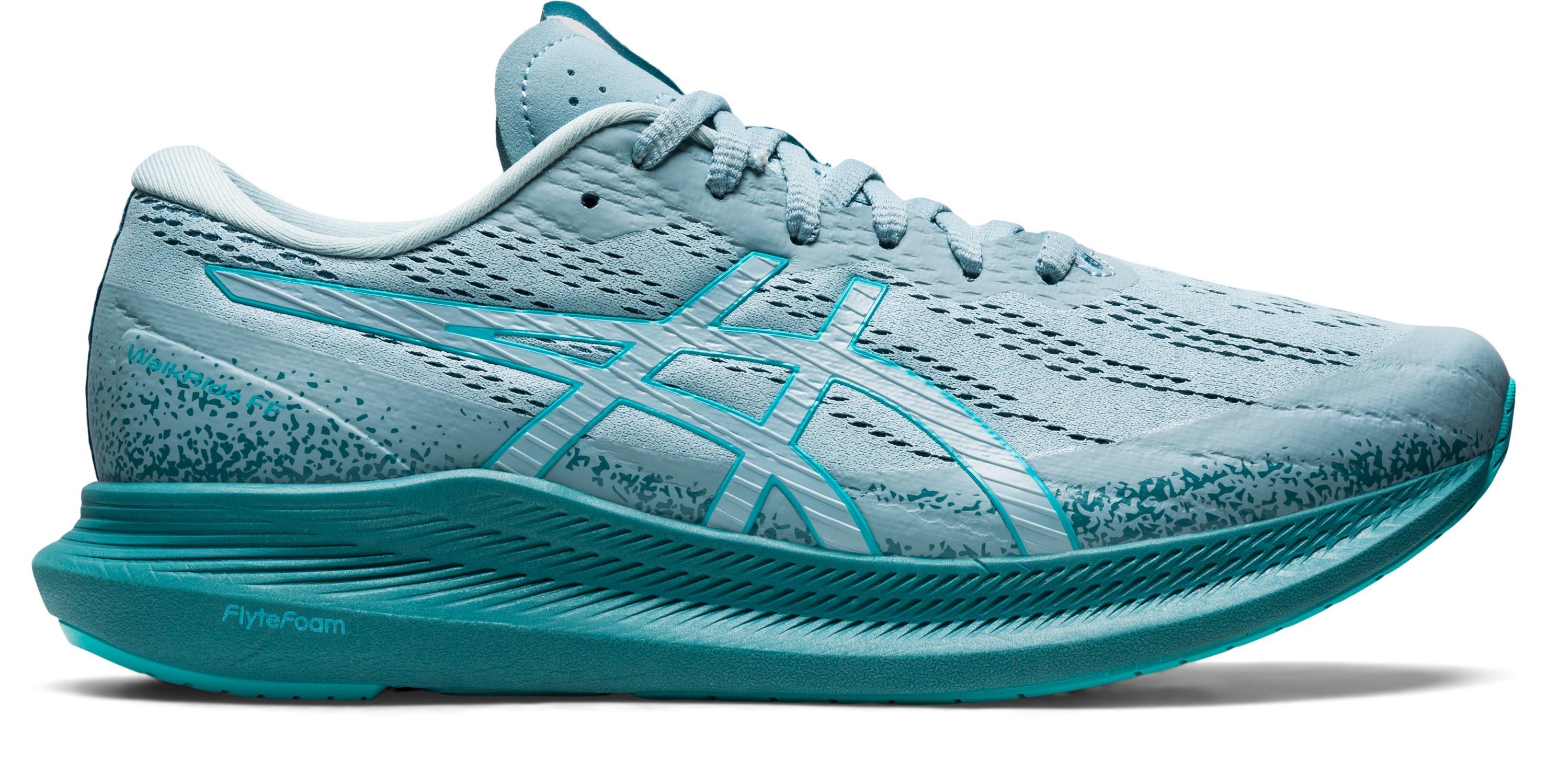
Beyond visible features lies the foundational technology of the shoe: the last and the materials. The last is the three-dimensional mold around which a shoe is built. Podiatrists often recommend shoes built on a straight or semi-curved last for individuals needing stability, as opposed to a highly curved last common in some performance runners. This geometry provides a more natural alignment for the foot. In terms of materials, breathability and strategic flexibility are key. Upper materials like engineered mesh allow for ventilation, reducing moisture and the risk of fungal infections, while synthetic overlays provide structure without bulk. The midsole foam is where science truly shines. Technologies like ASICS’ FlyteFoam, Brooks’ DNA LOFT, or HOKA’s Profly+ are not just marketing terms; they are proprietary compounds engineered for a specific balance of cushioning and responsiveness. As Dr. Ray McClanahan, a sports podiatrist, often discusses in his public lectures, the goal is to provide protection from impact without creating an unstable, over-cushioned platform that dulls proprioception—the foot’s ability to sense its position. The marriage of an anatomically informed last with advanced, durable materials is what allows these shoes to deliver sustained comfort mile after mile, making them worthy of the title podiatrist recommended walking shoes.
From Clinic to Pavement: Top Contenders for All-Day Wear
Translating theory into practice, several brands consistently earn praise from foot care professionals for their commitment to biomechanical integrity. While individual needs vary, certain models are frequently cited as benchmarks. For those requiring maximum stability and motion control, the Brooks Addiction Walker is a perennial favorite. Its extended progressive diagonal rollbar is a classic podiatric solution for managing overpronation. For a blend of plush cushioning and modern stability, the HOKA Arahi series utilizes a J-Frame™ technology—a firmer foam on the inner side—to guide the foot without the rigidity of traditional medial posts, a design highlighted in many professional reviews for its innovative approach. The New Balance 928, another APMA-accepted model, is renowned for its robust leather construction and Rollbar stability post, often recommended for those who are on their feet for extended periods or carry additional weight. On the more versatile, neutral-cushioned end, the ASICS Gel-Nimbus or Saucony Triumph lines offer exceptional shock absorption through gel capsules or PWRRUN+ foam, suitable for walkers with a biomechanically efficient stride. It is crucial to remember that the “best” shoe is the one that matches your unique foot structure and gait pattern, a determination for which a podiatrist’s assessment is invaluable. Trying on multiple pairs of these podiatrist recommended walking shoes later in the day when feet are naturally more swollen is a practical tip endorsed by specialists.
Investing in Your Foundation: The True Value of Expert-Recommended Footwear
Some may balk at the price point of high-quality, medically endorsed footwear. However, this perspective shifts when viewed through the lens of long-term health economics and personal well-being. Consider the words of renowned author and walker Bill Bryson, who in his book A Walk in the Woods offhandedly yet wisely noted, “I have learned that there is no such thing as bad weather, only inappropriate clothing.” This sentiment extends perfectly to footwear. Inappropriate shoes are a primary causative factor in a vast array of podiatric pathologies. The cost of treating chronic plantar fasciitis—involving physical therapy, orthotics, night splints, and potential procedures—far exceeds the premium paid for a preventative pair of expertly designed shoes. Furthermore, the value of pain-free mobility is incalculable. It affects your mood, your productivity, and your ability to engage with the world. Brands like Brooks and New Balance frequently offer discounts through their loyalty programs, seasonal sales, or on older model colors. Retailers specializing in running and walking often have knowledgeable staff who can perform basic gait analysis. Investing in a pair of podiatrist recommended walking shoes is not a mere consumer purchase; it is a direct investment in your musculoskeletal capital, paying dividends in comfort, activity, and freedom from pain with every step you take.
The journey to all-day comfort begins with a single, well-supported step. By prioritizing the biomechanical principles championed by podiatry—rigorous heel counters, tailored arch support, protective rocker soles, and spacious toe boxes—you move beyond fashion and into the realm of functional health. The market offers sophisticated tools, from the stability of Brooks to the cushioning of HOKA, each designed to honor the foot’s intricate design. While the initial investment may be greater, the return in sustained comfort and injury prevention is profound. Let your choice in footwear be guided by the science of movement, not the whims of trend. Your feet, and indeed your entire body, will thank you for choosing the support and engineering inherent in truly podiatrist recommended walking shoes.

