

Discover the Best Podiatrist Recommended Walking Shoes for All-Day Comfort
Your feet are your foundation, and the shoes you choose can either support a lifetime of movement or lead to a cascade of discomfort and injury. For anyone who spends significant time on their feet—whether navigating city streets, exploring nature trails, or managing the demands of a busy workday—the quest for the perfect walking shoe is paramount. This isn’t merely about fashion or fleeting trends; it’s about biomechanics, health, and sustained well-being. The term podiatrist recommended walking shoes has emerged as a critical benchmark for consumers seeking scientifically-backed footwear. These are shoes vetted by foot health specialists—podiatrists—who understand the intricate interplay of bones, muscles, and ligaments in the human foot. Their recommendations are grounded in principles of proper alignment, pressure distribution, and gait cycle support, aiming to prevent common ailments like plantar fasciitis, bunions, and metatarsalgia. This article delves into the core features that define these expert-endorsed shoes, providing you with the knowledge to make an informed choice that brings professional-grade support and all-day comfort directly to your stride.
:max_bytes(150000):strip_icc()/podiatrist-recommended-walking-shoes-e1b90077185d4e6cadbf6327c4d17db7.jpg)
The Science of Stride: Why Podiatrist Endorsement Matters
To appreciate the value of podiatrist recommended walking shoes, one must first understand the biomechanical marvel that is the human foot. According to resources like Wikipedia and academic literature from institutions like the Harvard Medical School, the foot contains 26 bones, 33 joints, and over 100 muscles, tendons, and ligaments. This complex structure acts as both a shock absorber and a rigid lever during the gait cycle—the sequence of heel strike, foot flat, mid-stance, heel-off, and toe-off. A podiatrist, a doctor specializing in foot and ankle medicine, analyzes this cycle to identify imbalances. For instance, overpronation (excessive inward rolling) or supination (outward rolling) can lead to knee, hip, and back pain. Dr. Jacqueline Sutera, a renowned New York City podiatrist, often emphasizes in media interviews that “shoes are the foundation of your body’s alignment.” A podiatrist recommended walking shoe is engineered to correct or accommodate these biomechanical realities. It features specific design elements—such as firm heel counters for stability, appropriate arch support tailored to foot type, and strategic cushioning—that work in concert to guide the foot through a healthier, more natural motion. This scientific approach transforms footwear from a simple covering into a therapeutic device, a concept supported by peer-reviewed studies on footwear biomechanics published by universities worldwide.
Decoding the Essential Features: Your Blueprint for Comfort
Not all athletic shoes are created equal, and a walking shoe has distinct requirements. When evaluating podiatrist recommended walking shoes, several non-negotiable features emerge. First is arch support. The arch acts as the foot’s natural shock absorber. Shoes with insufficient support can strain the plantar fascia, the band of tissue running along the bottom of the foot, leading to the debilitating pain of plantar fasciitis. Brands often design shoes with varying arch profiles (neutral, stability, motion control) to match individual needs. Second is heel-to-toe drop and rocker soles. The heel-to-toe drop refers to the height difference between the heel and forefoot. A moderate drop can facilitate a smooth transition in the gait cycle. Some podiatrist-favored models incorporate a rocker sole, which has a curved profile. As noted on health platforms like WebMD and Quora discussions featuring podiatrists, this design reduces pressure on the ball of the foot and the Achilles tendon, promoting a rolling motion that is less taxing on joints—a boon for those with arthritis or diabetes. Third is toe box room. A cramped toe box can cause bunions, hammertoes, and ingrown toenails. Dr. Megan Leahy, a podiatrist with the Illinois Bone & Joint Institute, has stated in online Q&As that “a thumb’s width of space between your longest toe and the end of the shoe is crucial.” Finally, breathable, durable materials are key to preventing blisters and fungal infections, ensuring comfort mile after mile.
Navigating the Market: Top Contenders for Every Walker
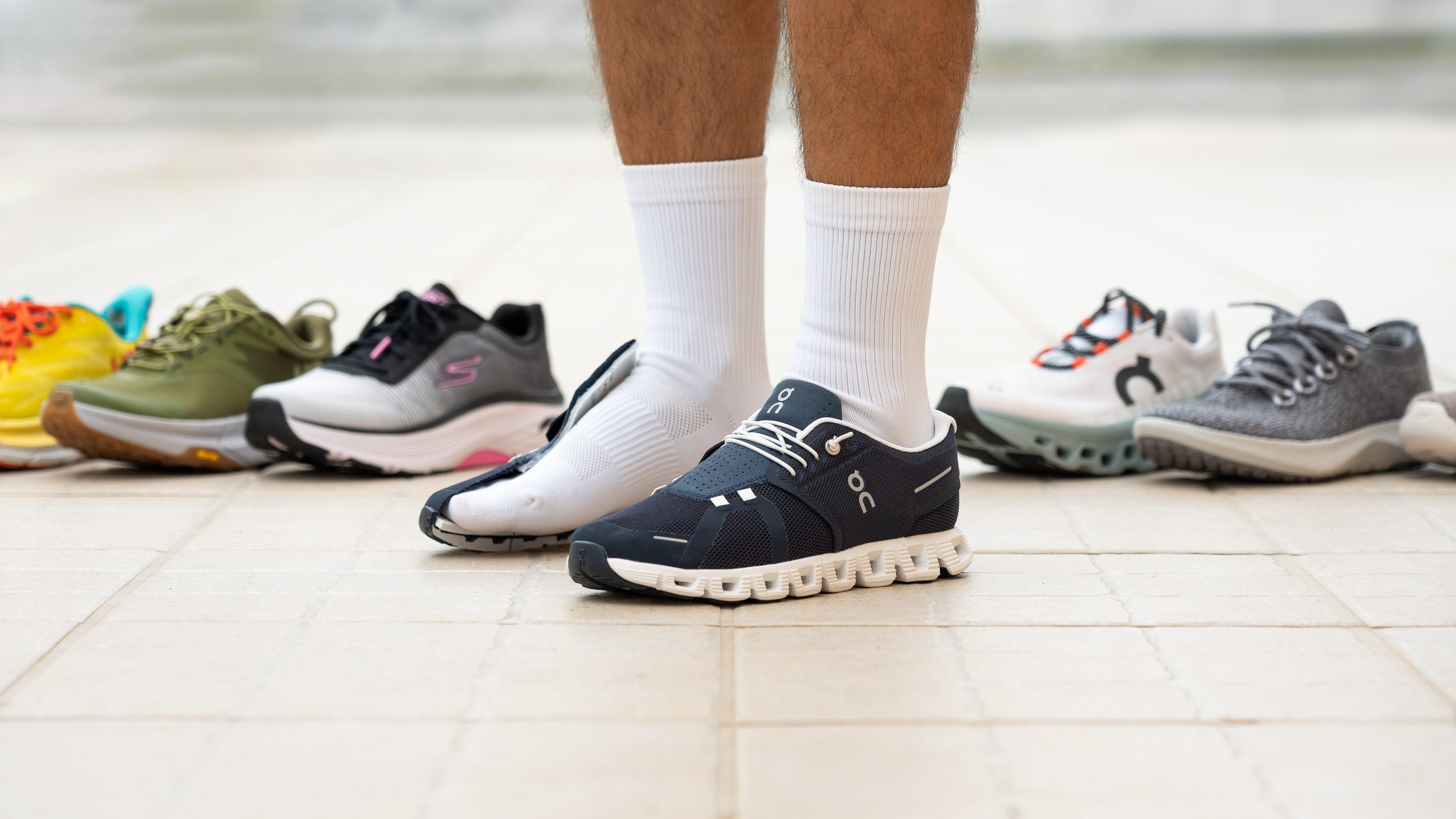
The market offers a plethora of options, but a few brands consistently earn the podiatrist recommended walking shoes seal of approval due to their commitment to research and clinical feedback. Brands like ASICS, Brooks, New Balance, HOKA, and Saucony are frequently cited by foot care professionals on platforms like YouTube and in magazine roundups. For instance, ASICS Gel technology, which utilizes silicone-based cushions, is often highlighted for its exceptional shock absorption, a feature critical for walkers on hard surfaces. HOKA ONE ONE is renowned for its maximalist cushioning and meta-rocker geometry, a design directly aligned with podiatric principles for reducing strain. Brooks, with its GuideRails support system, focuses not on controlling the foot but on guiding it, aligning with a modern podiatric philosophy that favors natural motion within safe parameters. It’s important to cross-reference these brand reputations with authoritative consumer reviews from sites like Runner’s World and podiatrist-curated lists on health websites. The goal is to match the shoe’s technological strengths with your specific foot morphology and walking environment. A shoe perfect for paved paths may differ from one ideal for treadmill use or light trail walking.
Investing in Your Foundation: The True Value of Quality Footwear
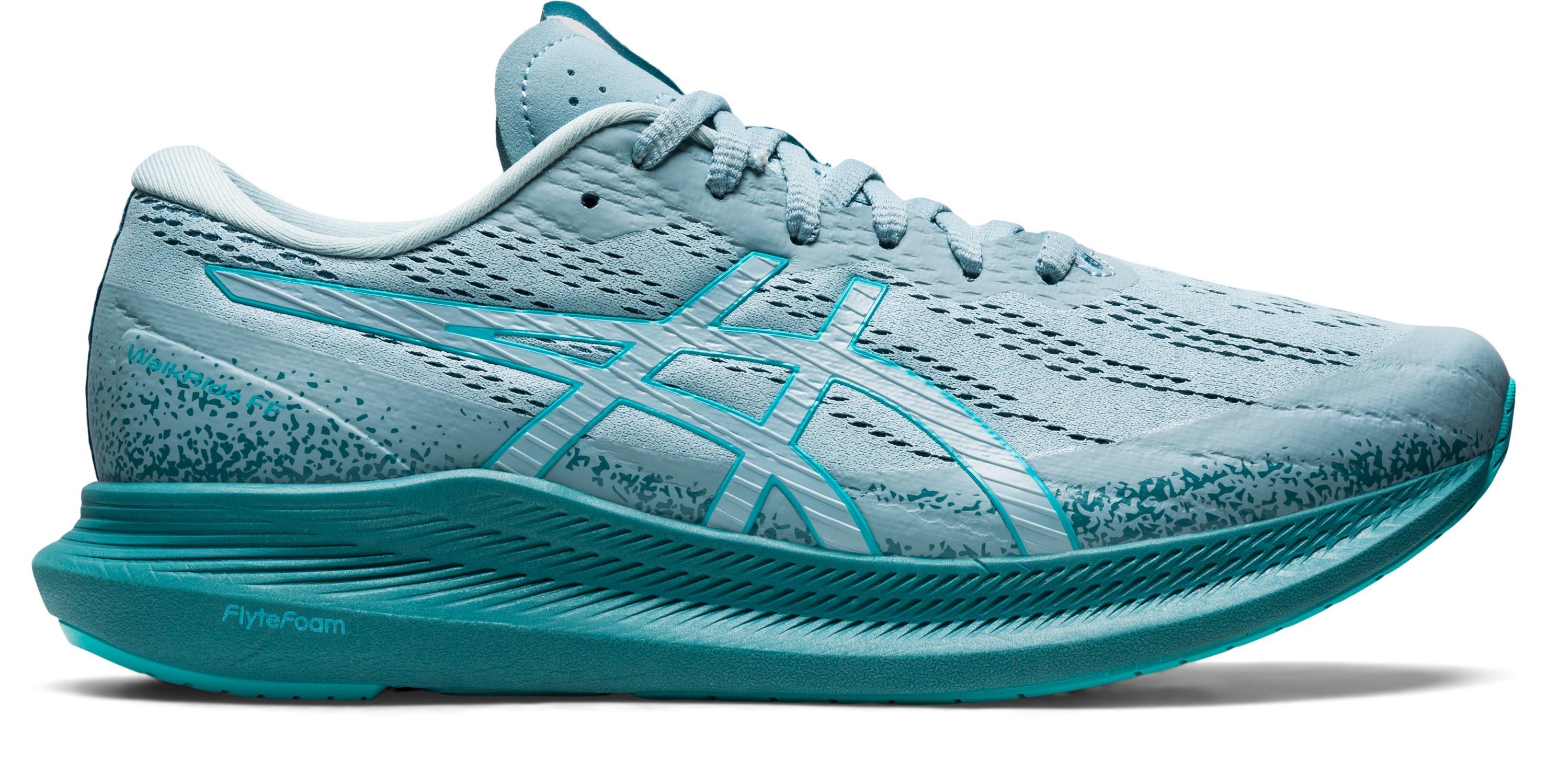
Some may balk at the price tag of high-quality, podiatrist recommended walking shoes, often ranging from $120 to $160 or more. However, this investment must be viewed through the lens of preventive healthcare. Consider the cost of a single podiatrist visit, custom orthotics, physical therapy sessions, or treatment for chronic pain conditions that could have been mitigated. As the adage goes, “You get what you pay for.” The materials, research, and precision engineering in these shoes justify the cost. Furthermore, the market often provides avenues for savings. Many reputable retailers offer previous-season models at significant discounts, sometimes 30-50% off, without compromising core performance technologies. Signing up for brand newsletters, checking deal-tracking websites, and shopping during major sales holidays like Black Friday or Amazon Prime Day are practical strategies. The key is to prioritize the essential features discussed earlier. A discounted shoe that offers proper arch support, a secure fit, and durable construction represents far greater value than a cheap, poorly designed alternative that risks your foot health. Remember, your feet carry you through life; investing in their comfort is an investment in your overall mobility and quality of life.
Your Personal Fitting: Beyond the Recommendation
Even the most highly recommended shoe is ineffective if it doesn’t fit your unique foot. A generic list of podiatrist recommended walking shoes is a starting point, not a final answer. The fitting process is personal and critical. Always try on shoes in the afternoon or evening, as feet naturally swell throughout the day. Wear the same type of socks you intend to walk in. When standing, ensure there’s adequate width across the ball of your foot—it should not feel pinched. The heel should be snug without slipping. Perform a “finger test”: with the shoe on and laced, press down on the toe box; there should be about a half-inch (or a thumb’s width) of space in front of your longest toe. Don’t rely solely on your numbered size; brands and models vary. Walk around the store on a hard surface, not just carpet. Trust how the shoe feels over any preconceived notion of a “break-in period.” Modern, well-designed walking shoes should feel comfortable almost immediately. Many specialty running stores offer gait analysis, which can provide invaluable insights into your pronation pattern and help narrow down the best category of shoe for you, making the search for the perfect pair a truly informed endeavor.
:max_bytes(150000):strip_icc()/tal-roundup-podiatrist-loved-shoes-on-sale-tout-bdbf5721fa5642efa38b61f6a5b4ff34.jpg)
Choosing the right footwear is a decisive act of self-care. It moves beyond aesthetics into the realm of functional health, where every step is supported by science and professional insight. By focusing on the principles behind podiatrist recommended walking shoes—superior arch support, biomechanical design, quality materials, and a precise fit—you equip yourself for miles of comfortable, pain-free movement. This knowledge empowers you to sift through marketing claims and identify shoes that genuinely serve your body’s needs. Whether you find your ideal pair in a cutting-edge new model or a discounted version from a previous season, the result is the same: a foundation of comfort that allows you to walk through your day, and your life, with greater ease and resilience. Your journey begins with a single, well-supported step.
