

Discover the Best Podiatrist Recommended Walking Shoes for All-Day Comfort
Your feet are the foundation of your movement, carrying you through countless steps each day. Yet, many of us overlook the critical importance of the footwear that supports this journey. The wrong shoes can lead to a cascade of discomfort, from simple fatigue to chronic pain in the feet, knees, hips, and even the lower back. This isn’t mere speculation; it’s a biomechanical reality. The quest for all-day comfort, especially for those who walk extensively for work, leisure, or health, begins with a single, informed choice: selecting the right walking shoe. More specifically, it hinges on choosing podiatrist recommended walking shoes. These are not just marketing terms; they represent a category of footwear designed with scientific principles of podiatry—the branch of medicine devoted to the study, diagnosis, and treatment of disorders of the foot, ankle, and lower extremity. This article will guide you through the anatomy of the perfect walking shoe, explain why professional endorsement matters, and highlight key features and models that deliver unparalleled comfort, blending professional insight with practical value.
:max_bytes(150000):strip_icc()/podiatrist-recommended-walking-shoes-e1b90077185d4e6cadbf6327c4d17db7.jpg)
The Science of Stride: Why Podiatrist Endorsement is Non-Negotiable
To understand the value of a podiatrist recommended walking shoe, one must first appreciate the complexity of the human foot. Each foot contains 26 bones, 33 joints, and over 100 muscles, tendons, and ligaments. According to resources like Wikipedia’s entry on Podiatry and educational literature from authoritative institutions like the American Podiatric Medical Association (APMA), the foot’s structure forms a dynamic tripod, absorbing shock and propelling the body forward. A podiatrist’s expertise lies in understanding how deviations from optimal biomechanics—such as overpronation (rolling inward) or supination (rolling outward)—can cause injury. When a podiatrist recommends a shoe, they are evaluating its ability to correct or accommodate these biomechanical patterns. For instance, a statement from Dr. Jacqueline Sutera, a renowned New York City podiatrist, often cited in health publications, emphasizes, “A good walking shoe should have a rigid heel counter, ample arch support, and flexibility at the ball of the foot.” This isn’t arbitrary advice; it’s based on preventing excessive strain on the plantar fascia and ensuring proper alignment. Therefore, a shoe bearing such a recommendation has been scrutinized for its structural integrity and its therapeutic potential, moving beyond fashion to function as a tool for health. It represents a fusion of orthopedic science and footwear engineering, designed to protect your foundation mile after mile.
Decoding the Features: The Pillars of All-Day Comfort
What specific elements transform an ordinary sneaker into a podiatrist recommended walking shoe? The answer lies in a combination of design features that work in concert. First, consider arch support. The arch acts as a natural shock absorber. Inadequate support can lead to plantar fasciitis, a common and painful inflammation. Podiatrist-approved shoes often feature built-in, contoured arch support or removable insoles that allow for custom orthotics. Second, heel counter stability. A firm heel cup cradles the calcaneus (heel bone), preventing excessive movement that can cause blisters, Achilles tendonitis, or instability. Third, adequate toe box room. As noted by many podiatrists on platforms like Quora and in health Q&As, a spacious, rounded toe box allows toes to splay naturally upon impact, preventing issues like bunions and neuromas. Fourth, appropriate cushioning and shock absorption. Materials like EVA foam, gel, or advanced polyurethane are strategically placed to cushion the heel strike, a point where forces can exceed body weight. Finally, flexibility at the forefoot. The shoe should bend easily where your foot bends—at the metatarsophalangeal joints—to facilitate a natural gait cycle. A shoe that embodies these features is engineered not just for a walk in the park, but for the cumulative impact of thousands of steps, making it a true podiatrist recommended walking shoe for enduring comfort.
:max_bytes(150000):strip_icc()/shp-best-brooks-walking-shoes-tout-f67df3ab5afa4c08a24a63ae6dca3444.jpg)
From Clinic to Pavement: Top Podiatrist-Recommended Categories and Models
Navigating the market can be overwhelming, but focusing on brands and models consistently praised by foot care professionals simplifies the choice. Brands like Brooks, ASICS, New Balance, HOKA, and Saucony frequently receive endorsements for their commitment to biomechanical research. For instance, the Brooks Ghost or Adrenaline GTS series are often highlighted for their balanced cushioning and GuideRails support system, which focuses on knee protection—a holistic approach praised by podiatrists. HOKA’s Bondi or Clifton lines, with their maximalist cushioning, are frequently recommended for those with heel pain or arthritis, as the soft yet stable ride reduces joint stress. New Balance’s 990 series, famously durable and supportive, is a long-standing favorite for its width options and stability. The common thread is that these are not fleeting trends; they are iteratively improved models backed by podiatric feedback. As a YouTube certified celebrity doctor like Dr. Mikhail Varshavski (Dr. Mike) might discuss in a segment on everyday health, investing in such shoes is a preventive measure. It’s choosing a tool validated by clinical observation to enhance your daily mobility and long-term musculoskeletal health, making them quintessential podiatrist recommended walking shoes.
Beyond the Shoe: Integrating Foot Health into Your Daily Life
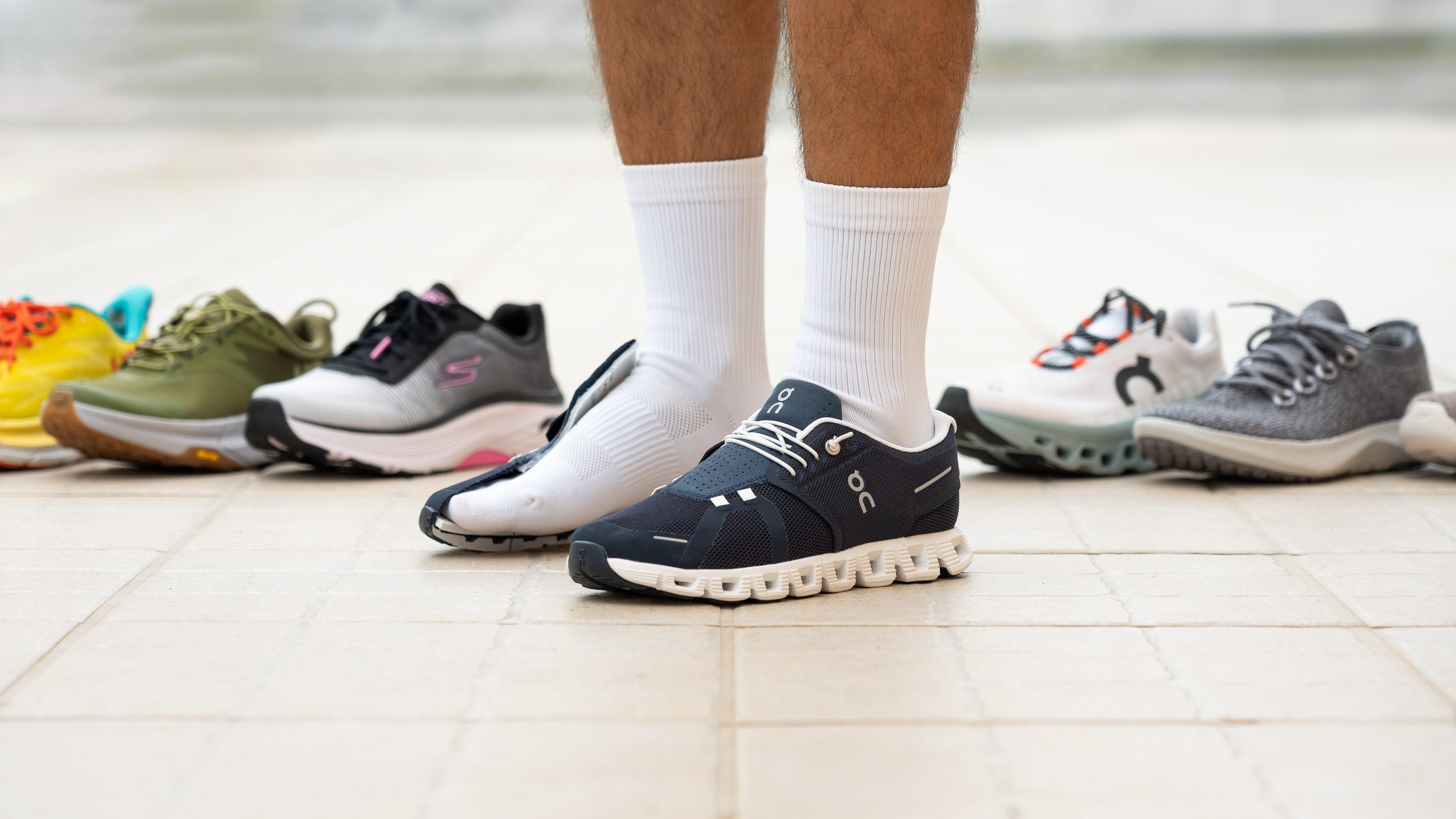
While the right shoe is paramount, true all-day comfort is a holistic practice. Think of your podiatrist recommended walking shoes as the most critical piece of equipment in a broader regimen. Pair them with moisture-wicking socks to prevent blisters and fungal infections. Be mindful of the surfaces you walk on; alternating between harder and softer terrains can vary stress patterns. Furthermore, incorporate simple foot and calf stretches into your routine to maintain flexibility and strength. The viewpoint from resources like Baidu Baike on “Foot Care” and literature from university sports medicine departments reinforces that footwear is just one component. It’s also crucial to recognize when to replace your shoes. Most podiatrists and shoe manufacturers agree that walking shoes lose a significant portion of their cushioning and support after 300-500 miles. Using them beyond this point negates their therapeutic benefit. Therefore, viewing your shoe purchase as a scheduled investment in your health, rather than an indefinite one, is key. This integrated approach ensures that the comfort engineered into your podiatrist-endorsed footwear is fully realized and sustained.
:max_bytes(150000):strip_icc()/I-Asked-Podiatrists-for-Their-Fall-Shoe-Recommendations-These-Are-Their-Top-8-Picks-8fbdf9d65f3a4228ae63f6e5253dc08c.jpg)
Smart Investment: Where Professional Knowledge Meets Value
Acquiring the best podiatrist recommended walking shoes need not be a prohibitive expense. The professional knowledge we’ve outlined empowers you to seek value intelligently. First, prioritize fit over fashion. A properly fitted shoe in a previous season’s model or colorway often costs significantly less than the latest release but offers identical core technology and support. Many reputable brands offer previous versions at discounted prices on their official websites or authorized retailers. Second, look for the APMA Seal of Acceptance, a clear indicator that a product has been reviewed by a committee of podiatrists and found to promote good foot health. This seal helps you cut through marketing noise. Third, consider shopping during major sale periods or utilizing price-tracking tools online. The goal is to translate the scientific and medical insights into a savvy purchase. As the adage goes, “You get what you pay for,” but with knowledge, you ensure you’re paying for the right things: biomechanical support, quality materials, and durable construction that will pay dividends in comfort and health, step after step. This is the essence of bringing professional knowledge and discounted prices together for the user.
Your journey toward pain-free, energized walking is a decision away. It starts with acknowledging that your feet deserve expert-level care, embodied in the shoes you choose. By prioritizing the science-backed features and professional endorsements that define podiatrist recommended walking shoes, you are not merely buying footwear; you are investing in the foundation of your mobility and well-being. Let every step be a testament to informed choice and enduring comfort.
