

The Ultimate Guide to Women’s Sneakers for 2023
This year, the landscape of women’s sneakers 2023 is not just about stepping out; it’s about stepping into a narrative of technology, sustainability, and personal expression. The conversation has shifted from mere aesthetics to a holistic consideration of what our footwear represents—our values, our activities, and our vision for the future. As we navigate through the trends, innovations, and market offerings, remember that the perfect pair is a fusion of science, art, and conscious choice.
The Foundation: Understanding Sneaker Technology and Biomechanics
Before diving into styles, understanding the engineering behind modern sneakers is crucial. The term “biomechanics” refers to the study of the structure and function of biological systems, like the human foot, through the methods of mechanics. In footwear, this translates to designs that support natural movement and prevent injury. For instance, the concept of “energy return” in midsoles, often achieved through advanced foam compounds like Adidas’s Boost or Nike’s ZoomX, is rooted in material science. These materials compress upon impact, storing kinetic energy, and then release it, propelling you forward with less effort. Dr. Casey Kerrigan, a former Harvard Medical School professor and founder of OESH Shoes, has extensively published research on how traditional footwear can negatively alter gait. Her work, cited in journals like the Journal of Physical Medicine and Rehabilitation, advocates for shoes that allow natural foot motion. This scientific backbone is what separates a generic shoe from a performance or recovery tool. When you evaluate a sneaker, you’re not just looking at its color; you’re assessing its shock absorption, arch support, heel-to-toe drop, and flexibility. These elements collectively determine whether a sneaker will be a companion for your 10k run, a support for your 12-hour workday, or a contributor to future joint pain. The market for women’s sneakers 2023 is saturated with claims, but the informed buyer looks for transparency in technology—brands that cite peer-reviewed studies or collaborate with podiatrists are often leading the charge in genuinely beneficial design.
:max_bytes(150000):strip_icc()/ins-primary-whitesneakers-jthompson-0981.jpg-6b683aa5e6e540a3b14409eac07d8a2b.jpg)
The 2023 Aesthetic Spectrum: From Retro Revival to Avant-Garde
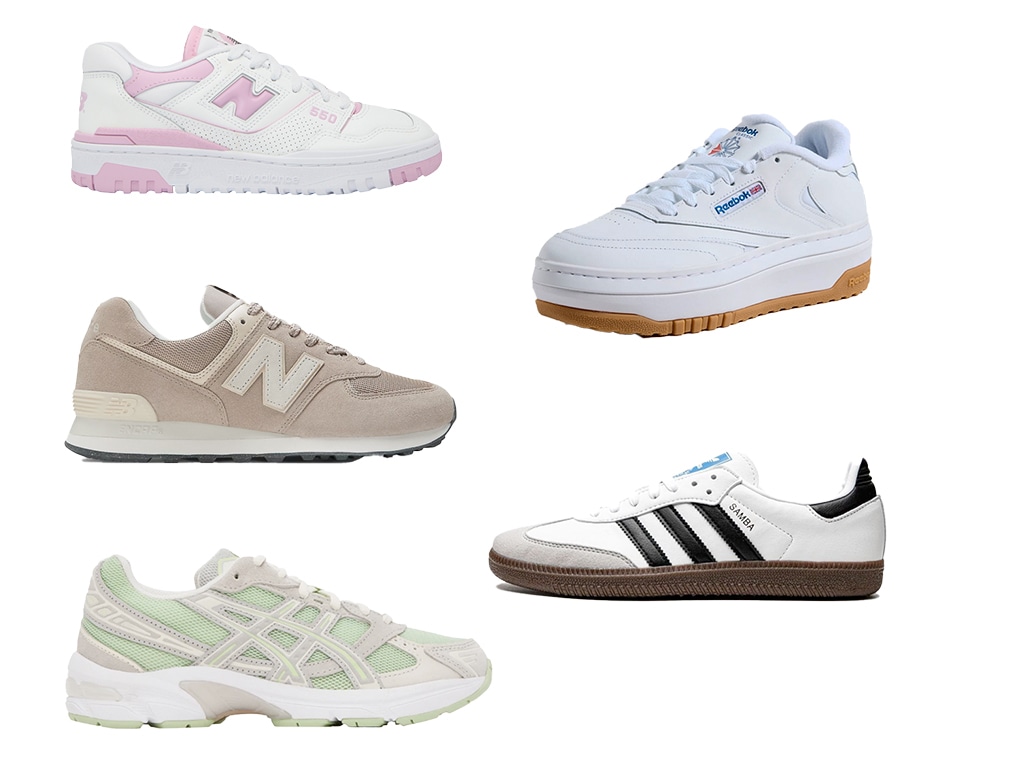
Visually, this year presents a fascinating dichotomy. On one end, we have the powerful resurgence of retro silhouettes. Models like the New Balance 550 or the Adidas Samba have transcended trend status to become wardrobe staples. Their appeal, as noted by fashion historians like Dr. Elizabeth Semmelhack of the Bata Shoe Museum, lies in nostalgia and authenticity—they represent a tangible link to specific cultural moments. On Quora threads discussing “timeless sneaker design,” users consistently point to clean lines, minimal branding, and versatile color blocking as key factors. Conversely, the avant-garde movement is equally strong. Designers are experimenting with deconstructed forms, exaggerated proportions (like massive soles), and unconventional material mixes. This trend finds its philosophical roots in the concept of “ugly chic” or “postmodern fashion,” which challenges traditional beauty standards. As filmmaker and style icon Tom Sachs famously said in an interview about his NikeCraft collaborations, “It’s not about looking good at the country club. It’s about utility and the poetry of problem-solving.” This statement encapsulates why a chunky, technical-looking sneaker resonates: it promises capability and tells a story of innovation. For you, the wearer, this spectrum means freedom. Your choice can be a homage to the past or a bold statement about the future. The unifying thread in women’s sneakers 2023 is intentionality; whether retro or radical, the design should feel deliberate and aligned with your personal narrative.
Material Innovation: Where Sustainability Meets Performance
The most significant revolution is occurring at the molecular level. The keyword here is “sustainable material science.” Brands are moving beyond organic cotton to pioneering biomaterials. For example, Mylo™, a leather alternative made from mycelium (mushroom roots), is being utilized by brands like Stella McCartney. According to a 2021 report from the Material Innovation Initiative, a non-profit promoting next-gen materials, investment in this sector has skyrocketed, driven by consumer demand for animal-free and lower-carbon options. Similarly, recycled materials are becoming more sophisticated. Parley Ocean Plastic, used by Adidas, intercepts plastic waste from beaches and coastal communities. The process, as detailed on their official site, involves sorting, cleaning, and transforming the plastic into a high-performance polyester yarn. But innovation isn’t just eco-friendly; it’s also about enhancing function. Engineered knit uppers, such as Nike’s Flyknit, provide targeted zones of stretch, support, and breathability based on digital mapping of the foot. This precision reduces waste from cutting traditional fabric patterns. When you choose a sneaker made with these materials, you’re participating in a circular economy and voting for a cleaner production model. The price premium often associated with sustainable women’s sneakers 2023 reflects the R&D and ethical sourcing involved, but as production scales, these options are becoming more accessible, offering long-term value for both your feet and the planet.
The Crossover Phenomenon: Lifestyle, Fitness, and Everything In-Between
The lines between categories have irrevocably blurred. The “hybrid sneaker” is now the standard. This reflects a broader cultural shift towards holistic wellness and fluidity in daily roles. You are no longer just an “athlete” or a “professional”; you are a person who might cycle to work, run errands, attend a meeting, and then go to a yoga class—all in the same day. Footwear has adapted accordingly. A prime example is the “training shoe” category, exemplified by models like the Nike Metcon or the Nobull Trainer. These shoes are designed for gym floor stability but are styled to seamlessly integrate with streetwear. Their design philosophy is backed by the principles of cross-training, a fitness methodology advocating for varied functional movements, as popularized by institutions like the National Academy of Sports Medicine (NASM). On the other end, running shoe technology has infiltrated everyday comfort sneakers. HOKA, a brand born in the ultra-running community, has seen explosive growth in the lifestyle market due to its maximalist cushioning. As running expert and author Dr. Peter Larson stated on his blog, Runblogger, “The comfort and injury-prevention benefits of advanced midsole foams shouldn’t be confined to the track. They have a profound impact on everyday musculoskeletal health.” This means you no longer have to sacrifice comfort for style. The ideal women’s sneakers 2023 are those that empower your entire day’s journey, providing a stable base for weightlifting, a responsive platform for a brisk walk, and a comfortable, stylish presence for social engagements.

Making an Informed Investment: Price, Value, and Smart Shopping
Navigating price points requires strategy. A high price tag doesn’t always equate to superior quality, nor does a low one guarantee a bad purchase. The key is to dissect the cost. Premium sneakers (often $150+) typically invest in proprietary technology (e.g., carbon fiber plates, advanced foam compounds), sustainable material sourcing, and collaborative design, which involves licensing fees with designers or celebrities. Mid-range options ($80-$150) often offer excellent value, incorporating proven technologies from previous generations of flagship models. Budget-friendly finds (under $80) can be surprising gems, especially from brands specializing in a specific category, like Skechers for memory foam comfort. To maximize value, consider the cost-per-wear metric. A $200 pair worn 400 times costs 50 cents per wear, while a $60 pair that falls apart after 30 wears costs $2 per wear. Look for end-of-season sales, where last season’s colorways of excellent models are deeply discounted. Subscribe to brand newsletters and follow reputable sneaker deal accounts on Twitter for flash sales. Furthermore, consider the total cost of ownership: a well-constructed sneaker with a durable outsole and replaceable insole might save you money in the long run. When you invest in a pair of women’s sneakers 2023, you’re not just buying a product; you’re funding the innovation cycle and supporting the business practices of a brand. Choose companies that align with your values and offer transparency about their manufacturing and labor practices.
The Final Step: Curating Your Personal Rotation
The concept of a “sneaker rotation” is advocated by podiatrists and seasoned enthusiasts alike. It is not mere consumerism; it’s a practical approach to foot health and product longevity. Wearing the same pair every day doesn’t allow the shoe’s midsole foam to fully decompress, leading to a faster loss of cushioning and support. A rotation of two to three pairs, each with slightly different characteristics (e.g., a high-cushion pair for long days, a stable pair for workouts, a lightweight pair for casual wear), distributes the mechanical stress on your feet and ankles in varied ways, which can prevent overuse injuries. This practice is supported by the American Podiatric Medical Association’s recommendations on varying footwear. From a style perspective, a rotation allows you to match your footwear to your outfit and activity with intention, elevating your daily presentation. Think of your collection as a toolkit. Your journey through the world of women’s sneakers 2023 culminates in this personalized assembly—a collection that speaks to your multifaceted life, protects your physical foundation, and expresses your unique identity with every step you take.
