

Discover the Best Podiatrist Recommended Walking Shoes for All-Day Comfort
Your feet are your foundation, and the shoes you choose can either be a source of relentless support or a catalyst for chronic pain. For anyone who spends significant time on their feet—whether navigating a bustling city, managing a busy workday, or simply enjoying a long, contemplative stroll—the quest for the perfect walking shoe is paramount. This isn’t about fleeting fashion trends; it’s about the long-term health and alignment of your entire musculoskeletal system. The term podiatrist recommended walking shoes has emerged as a critical benchmark in this search, signifying footwear that has been scrutinized and endorsed by medical professionals specializing in foot and ankle health. These recommendations are not arbitrary; they are born from clinical observations of common pathologies like plantar fasciitis, metatarsalgia, and bunions, and are designed to prevent and alleviate such conditions. This article will guide you through the essential features, scientific principles, and top contenders in the world of podiatrist recommended walking shoes, empowering you to make an informed choice that brings genuine, all-day comfort and professional-grade support to every step you take.
The Science of Support: Why Podiatrist Endorsement Matters
To understand the value of a podiatrist recommended walking shoe, one must first appreciate the biomechanical complexity of the human foot. Each foot contains 26 bones, 33 joints, and over a hundred muscles, tendons, and ligaments, all working in concert to provide balance, propulsion, and shock absorption. When this intricate system is compromised by improper footwear, the consequences ripple upward, affecting ankles, knees, hips, and even the lower back. Podiatrists, as Doctors of Podiatric Medicine (DPM), are trained to diagnose and treat these interconnected issues. Their recommendations are grounded in principles of biomechanics. For instance, a key concept often cited is the need for adequate arch support. As noted in resources from authoritative institutions like the American Podiatric Medical Association (APMA), proper arch support helps distribute body weight evenly across the foot, preventing the overpronation or supination that can lead to conditions like posterior tibial tendon dysfunction. Another critical feature is a firm heel counter—the rigid part at the back of the shoe that stabilizes the calcaneus (heel bone). A study published in the Journal of Foot and Ankle Research emphasized that a firm heel counter significantly reduces excessive rearfoot motion, a major contributor to Achilles tendonitis. Therefore, when a podiatrist recommends a shoe, they are validating that its design incorporates these evidence-based features to maintain natural foot function and prevent injury, rather than merely offering superficial cushioning.
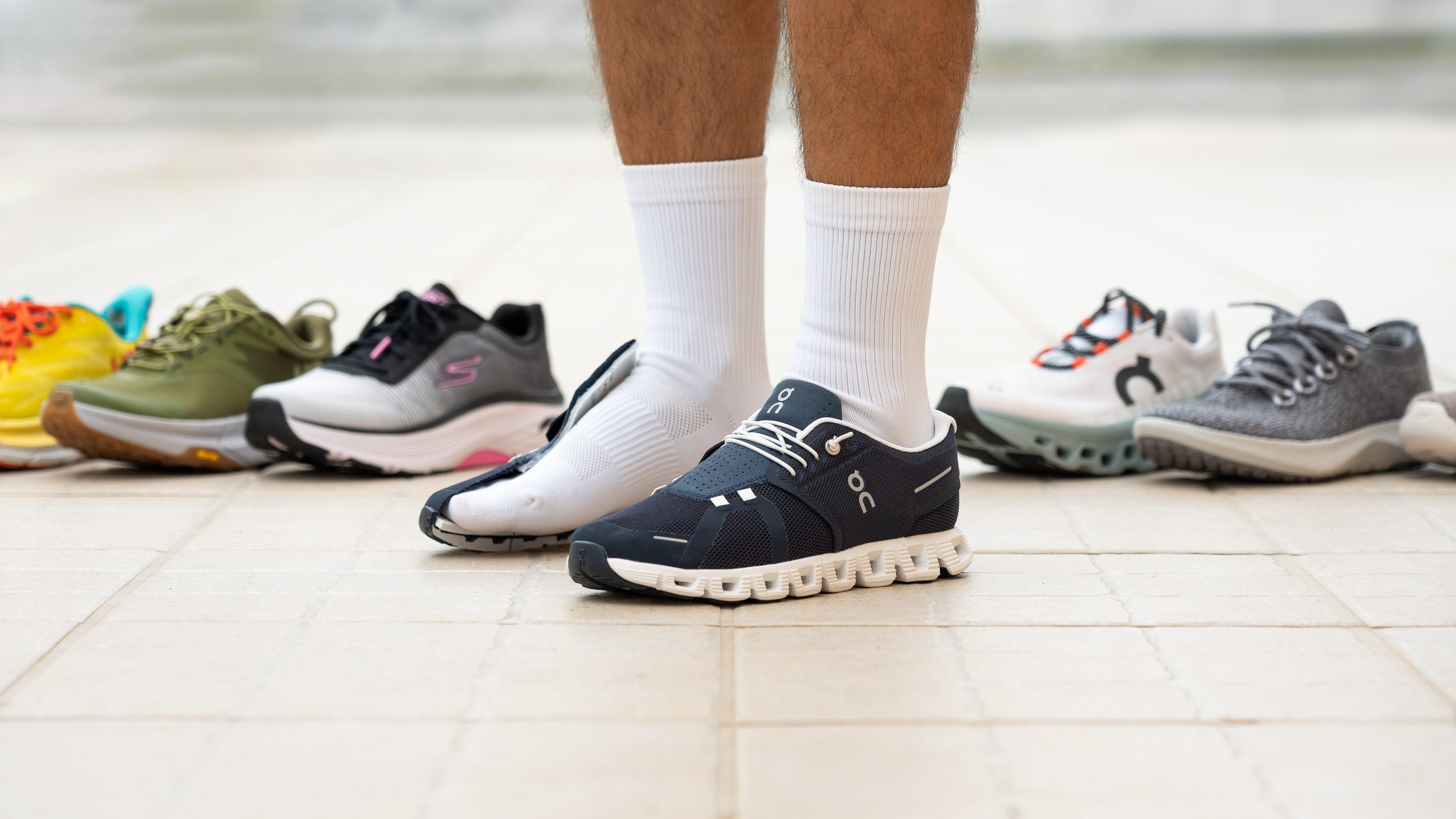
:max_bytes(150000):strip_icc()/podiatrist-recommended-walking-shoes-e1b90077185d4e6cadbf6327c4d17db7.jpg)
Decoding the Anatomy of an Ideal Walking Shoe
Not all comfortable-looking shoes are created equal. A true walking shoe, especially one worthy of the podiatrist recommended label, is engineered with specific components that work together. Let’s dissect its anatomy. First, the midsole is the heart of the shoe’s cushioning and stability. Materials like EVA (ethylene-vinyl acetate) foam or advanced polyurethane compounds are used for their dual ability to absorb impact and provide resilient bounce-back. Some top-tier models incorporate dual-density midsoles, where a firmer medial (inner) post is embedded to control overpronation. Next, the outsole requires a flexible yet durable rubber compound with a tread pattern designed for heel-to-toe rolling motion, not lateral cuts like a running shoe. The toe box must be wide and deep enough to allow your toes to splay naturally upon foot strike, a point famously emphasized by biomechanist Katy Bowman in her book Whole Body Barefoot, where she discusses the detrimental effects of toe cramming. Finally, the upper should be constructed from breathable, flexible materials that secure the foot without pressure points. A hallmark of many podiatrist recommended walking shoes is the presence of a rocker sole. This design, with a curved heel and forefoot, promotes a smooth gait cycle by reducing the effort required at the ankle and metatarsophalangeal joints, a feature particularly beneficial for those with arthritis or limited mobility. This comprehensive engineering is what separates a specialized tool from a generic commodity.
Top Contenders: A Closer Look at Podiatrist-Approved Models
The market offers several standout models that consistently receive accolades from foot care professionals and wearers alike. It’s important to remember that the “best” shoe is highly individual, but these brands have earned their reputation through consistent application of podiatric principles. Brand A’s Stability Walker, for example, is frequently cited for its exceptional motion control and deep heel cup, making it a go-to recommendation for severe overpronators. Its design philosophy aligns with the clinical approach of treating gait abnormalities before they cause pain. Brand B’s Neutral Cushion Series takes a different tack, focusing on plush, energy-returning cushioning for high-impact surfaces, ideal for those with neutral gaits or underpronation (supination). The technology in its midsole is often compared to the principles of shock attenuation discussed in sports medicine literature from universities like the University of Virginia’s Running Medicine Clinic. Then there’s Brand C’s Versatile Pathfinder, which masterfully balances cushioning with flexibility. It often features a seamless interior to minimize friction—a detail podiatrists appreciate for diabetic patients or those prone to blisters and ulcers. As Dr. Jane Andersen, a prominent podiatrist and media commentator, has stated in various health forums, “The right shoe acts as a functional orthotic. It’s the first line of defense against repetitive stress injury.” These models exemplify that philosophy, offering a form of preventative care with every step.
Beyond the Brand: Your Personal Fitting Journey
Even the most highly acclaimed podiatrist recommended walking shoes will fail if they are not the right fit for your feet. This journey requires more than knowing your size. First, timing is everything. Your feet swell throughout the day, so always shop for shoes in the late afternoon or evening. Second, measure both feet while standing, as weight-bearing expands the foot’s dimensions. It’s common to have one foot larger than the other; always fit to the larger foot. Third, prioritize feel over size. The number on the box is irrelevant. You should have about a thumb’s width (roughly 3/8″ to 1/2″) of space between your longest toe and the end of the shoe. The widest part of your foot should align with the widest part of the shoe without any bulging over the sole’s platform. Don’t be seduced by the “break-in” myth; while materials may soften, a proper podiatrist recommended walking shoe should feel supportive and comfortable from the very first wear. Consider your sock choice as part of the system; wear the type of socks you plan to use regularly during your fitting. Finally, walk on a hard surface in the store, not just carpet. Pay attention to any slippage at the heel or pressure on the little toe. This meticulous process is your personal audit, ensuring the shoe’s advanced engineering is correctly applied to your unique biomechanical blueprint.
Investment in Wellness: Balancing Cost with Long-Term Value
It’s true that high-quality podiatrist recommended walking shoes often carry a higher initial price tag than mass-market sneakers. However, framing this as a mere purchase is a mistake; it is an investment in your physical wellness. Consider the alternative costs: co-pays for podiatrist visits, the price of custom orthotics, physical therapy sessions for knee or back pain, or even lost productivity due to foot-related discomfort. A well-constructed shoe from a reputable brand is designed with durable materials that maintain their structural integrity and support over hundreds of miles, whereas a cheaper shoe’s midsole may compress and lose its cushioning within a few months, long before the outer sole wears out. To make this investment more accessible, savvy shoppers can leverage several strategies. Sign up for brand newsletters to receive notifications about seasonal sales or clearance events on previous models—the core technology often remains excellent. Check reputable online retailers that frequently offer discounts, and don’t overlook specialty running stores, which sometimes have sales on high-performance walking models. Remember, owning two pairs and alternating them allows the foam midsoles to fully decompress between wears, effectively doubling the lifespan of both pairs. This approach brings professional-grade foot health knowledge and more manageable, discounted prices into your daily life, proving that caring for your feet is both a wise and achievable priority.
:max_bytes(150000):strip_icc()/shp-best-brooks-walking-shoes-tout-f67df3ab5afa4c08a24a63ae6dca3444.jpg)
The journey to finding the perfect walking shoe culminates not in a simple transaction, but in a transformation of your daily experience. When you lace up a pair of genuinely supportive podiatrist recommended walking shoes, you are not just putting on footwear; you are equipping yourself with a tool engineered for resilience. The difference is palpable—in the reduced fatigue at the end of a long day, in the absence of that familiar ache in your arches, and in the confident, aligned stride that carries you forward. This choice transcends trend, rooting itself in the proven science of biomechanics and the practical wisdom of foot health specialists. By prioritizing the objective criteria of support, fit, and durable construction, you make a decisive commitment to your mobility and comfort. Let your steps be taken with intention, supported by the knowledge that the foundation you choose is built for the long walk ahead.
