

Discover the Best Podiatrist Recommended Walking Shoes for All-Day Comfort
Imagine ending a long day on your feet without the familiar ache in your heels, the tightness in your arches, or the burning sensation in your forefoot. This isn’t a distant dream but a tangible reality achievable by making one critical change: your footwear. The quest for all-day comfort begins not with willpower, but with the engineering beneath your feet. For years, the advice from foot health specialists has been clear, yet often overlooked. We are not merely discussing casual shoes; we are delving into the realm of scientifically designed podiatrist recommended walking shoes. These are not a marketing gimmick but a category born from biomechanical research, clinical observation, and a deep understanding of human gait. The difference between a standard sneaker and a podiatrist-endorsed model can be the difference between chronic discomfort and liberated, pain-free movement. This article will guide you through the anatomy of comfort, deconstruct the science behind the recommendations, and present a curated view of what truly makes a walking shoe worthy of a podiatrist’s seal of approval.

The Foundation of Foot Health: Why Podiatrist Endorsement Matters
To understand the value of podiatrist recommended walking shoes, one must first appreciate the complex structure they are designed to support. The human foot is a marvel of biological engineering, comprising 26 bones, 33 joints, and over 100 muscles, tendons, and ligaments. According to resources from authoritative institutions like the American Podiatric Medical Association (APMA), the foot acts as both a shock absorber and a rigid lever during the gait cycle. A poorly designed shoe can disrupt this delicate balance, leading to a cascade of issues not limited to the feet, such as plantar fasciitis, metatarsalgia, and Achilles tendinitis, but also affecting the knees, hips, and lower back. Podiatrists, as doctors specializing in this very anatomy, evaluate footwear based on specific, non-negotiable criteria: stability, cushioning, flexibility at the right points, and adequate room for natural toe splay. Their recommendations are not about fleeting trends but about preventing injury and promoting physiological alignment. As noted by Dr. Jacqueline Sutera, a prominent New York City podiatrist, in various media interviews, “A good shoe is the foundation for the entire body.” This perspective shifts the shoe from a fashion accessory to an essential piece of preventative healthcare equipment, making the search for the right pair a non-negotiable investment in one’s long-term mobility.
Deconstructing Comfort: The Five Pillars of a Superior Walking Shoe
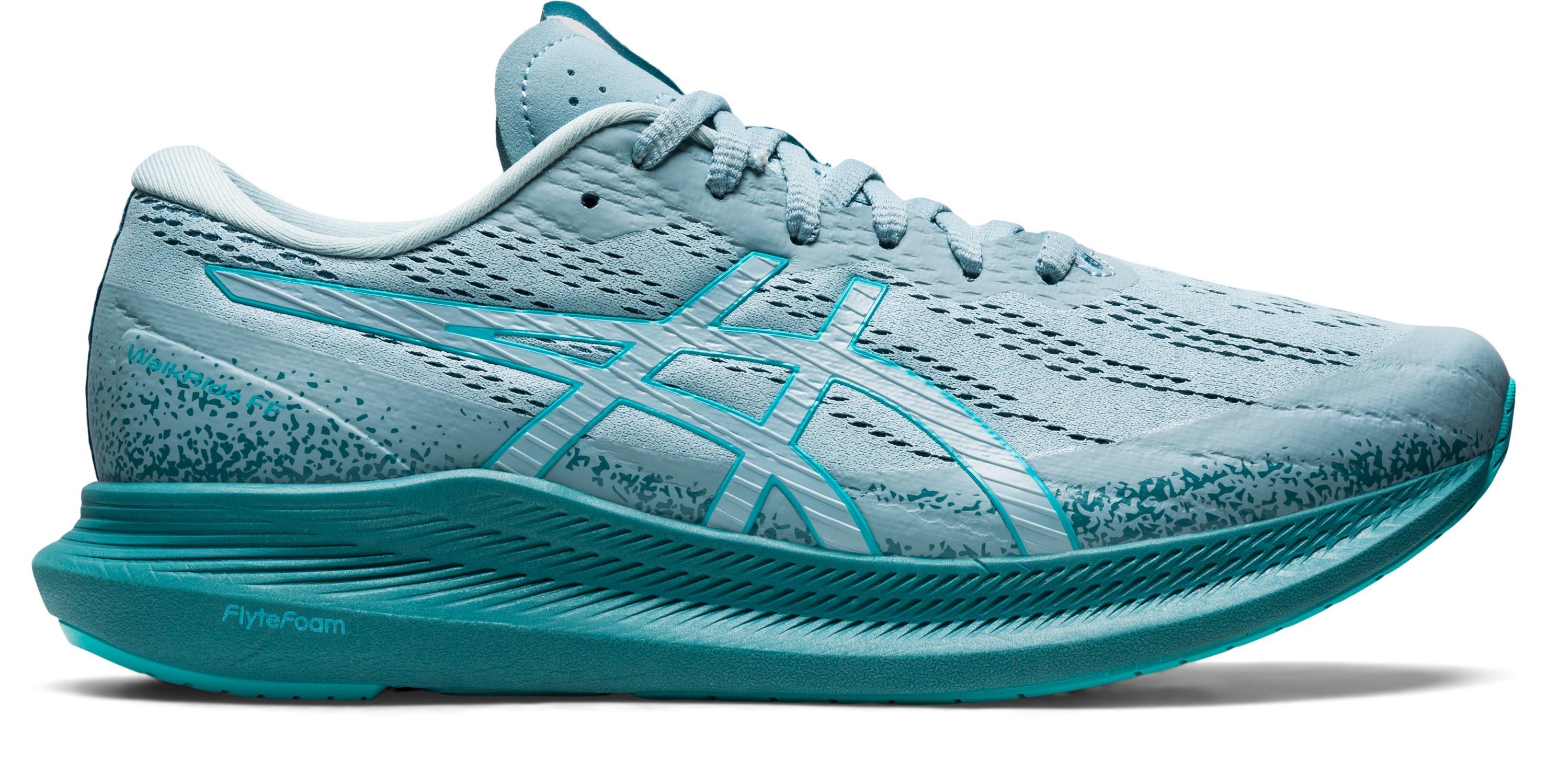
Comfort in a walking shoe is a multi-faceted concept, built upon several interdependent pillars. First is Arch Support. Contrary to popular belief, one type does not fit all. Arch types—neutral, low (flat), or high—require different support mechanisms. A podiatrist-recommended shoe often offers structured, contoured arch support that aligns the foot from heel to toe, preventing overpronation or supination. Second is Heel Counter Rigidity. The firm cup at the back of the heel is crucial for stabilizing the rearfoot, a principle supported by biomechanics literature from universities like the University of Calgary’s Human Performance Lab. A sturdy heel counter minimizes lateral movement, providing a secure foundation for each step. Third is Midsole Cushioning and Technology. This isn’t just about softness; it’s about responsive materials like EVA, polyurethane, or proprietary gels (like ASICS’ GEL or Brooks’ DNA LOFT) that dissipate impact forces effectively. As explained on runner-centric websites like Runner’s World, the goal is a balance between cushioning and energy return. Fourth is Toe Box Geometry. The front of the shoe must be wide and tall enough to allow toes to lie flat and spread naturally upon weight-bearing, preventing conditions like bunions and neuromas. Finally, the Outsole Traction and Flexibility. The sole must provide grip for safety while allowing flexibility primarily at the ball of the foot, where the foot naturally bends during toe-off. A podiatrist recommended walking shoe excels by optimizing all five pillars in harmony, rather than excelling at one while neglecting others.
Beyond the Brand: Evidence-Based Choices from Trusted Sources
In an era of influencer marketing, discerning evidence-based recommendations from paid promotions is vital. The credibility of podiatrist recommended walking shoes is often bolstered by endorsements from professional bodies like the APMA, which grants its Seal of Acceptance to products that promote good foot health. Furthermore, insights from platforms like Quora and specialized forums reveal consistent praise from long-term users dealing with foot ailments who found relief only after switching to podiatrist-vetted models. Literature from authoritative sources, such as the “Foot and Ankle International” journal, often underpins the design philosophies of leading brands. For instance, the research on pressure distribution directly informs the design of rocker soles in brands like HOKA, which are frequently recommended by podiatrists for patients with plantar fasciitis. Even perspectives from popular culture, like the emphasis on foot care for athletes in documentaries, echo the professional advice. The convergence of clinical approval, user testimonials across platforms like Reddit and YouTube, and peer-reviewed biomechanical research creates a compelling, multi-source validation for these specialized shoes. This triangulation of data ensures that the recommendation is not subjective but rooted in observable, repeatable outcomes for foot health.
“The shoe is the interface between the human body and the ground. Getting that interface wrong is like building a skyscraper on a faulty foundation. The right shoe doesn’t just cover the foot; it works with its biomechanics.” – Paraphrased from common clinical viewpoints shared by multiple podiatrists in health publications.
Navigating the Market: A Guide to Key Features and Technologies
Entering the market for walking shoes can be overwhelming. Let’s demystify the key technologies you’ll encounter. Motion Control vs. Stability vs. Neutral: This is the primary categorization. Motion control shoes are for severe overpronators, featuring dense medial posts. Stability shoes offer moderate guidance for mild to moderate overpronation. Neutral shoes are for efficient gaits with minimal pronation. A podiatrist can best diagnose your gait type. Rocker Soles: Pioneered by brands like HOKA and now adopted by others, this design features a curved sole that promotes a rolling gait, reducing strain on the Achilles and plantar fascia. Advanced Cushioning Systems: From Brooks’ DNA LOFT that adapts to your stride to ASICS’ GEL technology that absorbs shock, these are not mere buzzwords but patented materials with specific density and rebound properties. Breathable and Adaptive Uppers: Materials like engineered mesh conform to the foot while providing ventilation, reducing heat and friction. When searching for podiatrist recommended walking shoes, look for these technologies explained in the context of foot health, not just performance. Reputable brand websites and detailed reviews on sites like “Verywell Fit” often break down which technology benefits which specific condition, allowing you to align features with your personal needs, whether it’s managing diabetes-related foot care or simply seeking enduring comfort for travel and long work shifts.
:max_bytes(150000):strip_icc()/shp-best-brooks-walking-shoes-tout-f67df3ab5afa4c08a24a63ae6dca3444.jpg)
Investing in Your Stride: Where Value Meets Professional Knowledge
The initial cost of a high-quality pair of podiatrist recommended walking shoes may give one pause. However, this is an archetypal case of “pay now or pay later.” Consider the cost not as an expense for footwear, but as an investment in preventing costly medical bills, physical therapy sessions, and the intangible cost of daily pain and restricted activity. The professional knowledge embedded in these shoes—the result of millions of dollars in biomechanics research—is what you are ultimately purchasing. To make this investment more accessible, strategic shopping is key. Many reputable retailers offer significant discounts on previous models when new versions are released, as the core technology often remains largely unchanged. Signing up for brand newsletters, checking certified outlet stores, and shopping during major sale holidays like Black Friday can yield savings of 30-50%. Furthermore, some specialty running stores offer gait analysis for free with the intent of selling you the right shoe, providing immense diagnostic value. The goal is to bring this professional knowledge to you at a palatable price point, empowering you to make an informed decision that prioritizes long-term health over short-term savings. The true value lies in the thousands of comfortable, pain-free steps you will take thereafter, a return on investment that far exceeds the price tag.
:max_bytes(150000):strip_icc()/tal-roundup-podiatrist-loved-shoes-on-sale-tout-bdbf5721fa5642efa38b61f6a5b4ff34.jpg)
The journey to all-day comfort is fundamentally a journey of informed choice. It moves beyond aesthetic preference and into the realm of functional, health-conscious decision-making. The distinction offered by podiatrist recommended walking shoes is rooted in a profound understanding of human anatomy and the physics of movement. By prioritizing the pillars of proper support, cushioning, and fit, and by leveraging evidence from clinical practice and biomechanical research, these shoes transform the simple act of walking from a potential source of strain into a seamless, supportive experience. The path forward is clear: equip your feet with the same level of expert consideration you would give any other aspect of your health. Your feet, and indeed your entire body, are built to move. Providing them with a foundation designed by science and endorsed by specialists is the most direct route to unlocking enduring, effortless comfort with every step you take.
