

New Balance Wide Width Walking Shoes for Women: A Foundation for Uncompromised Movement
For many, the quest for the perfect walking shoe ends in a compromise—a sacrifice of comfort for style, or of fit for function. This is especially true for women with wider feet, who often find standard footwear constricting and counterproductive to their wellness goals. The narrative, however, shifts decisively with a dedicated category of footwear engineered not as an afterthought but as a primary solution. New Balance wide width womens walking shoes represent more than just an extended size; they embody a philosophy of inclusive biomechanical support. This discussion delves into the architectural, physiological, and experiential reasons why these shoes are not merely an option but a critical tool for anyone committed to a sustainable walking practice. We will navigate through the scientific principles of gait, the design ethos of New Balance, and the tangible benefits that translate from the laboratory to the pavement, all while providing actionable insights for your next purchase.
The Biomechanical Imperative: Why Width Matters Beyond Comfort
The human foot is a complex structure of 26 bones, 33 joints, and over a hundred muscles, tendons, and ligaments. During the walking gait cycle—comprising the stance phase (heel strike, mid-stance, toe-off) and the swing phase—the foot naturally expands and flattens under the body’s weight. This phenomenon, known as pronation, is a normal and necessary shock-absorbing mechanism. However, a shoe with insufficient width restricts this natural splay, leading to a cascade of potential issues. As noted by the American Podiatric Medical Association, improper footwear fit is a leading contributor to common ailments such as bunions (hallux valgus), hammertoes, neuromas, and general forefoot pain. The restriction forces the foot to conform to the shoe, rather than the shoe supporting the foot’s natural motion. A study from the University of Virginia’s Department of Orthopaedic Surgery emphasizes that footwear should allow for approximately a half-inch (roughly 1.3 cm) of space between the longest toe and the shoe’s end, and adequate horizontal volume to prevent lateral compression. New Balance wide width womens walking shoes are designed with this precise biomechanical understanding. They provide the essential volumetric space that accommodates the foot’s dynamic movement, ensuring stability during mid-stance and an unhindered, powerful toe-off. This foundational fit is the first and most critical step in preventing injury and transforming walking from a mundane task into an efficient, health-promoting activity.
Architectural Excellence: Deconstructing the New Balance Wide Design
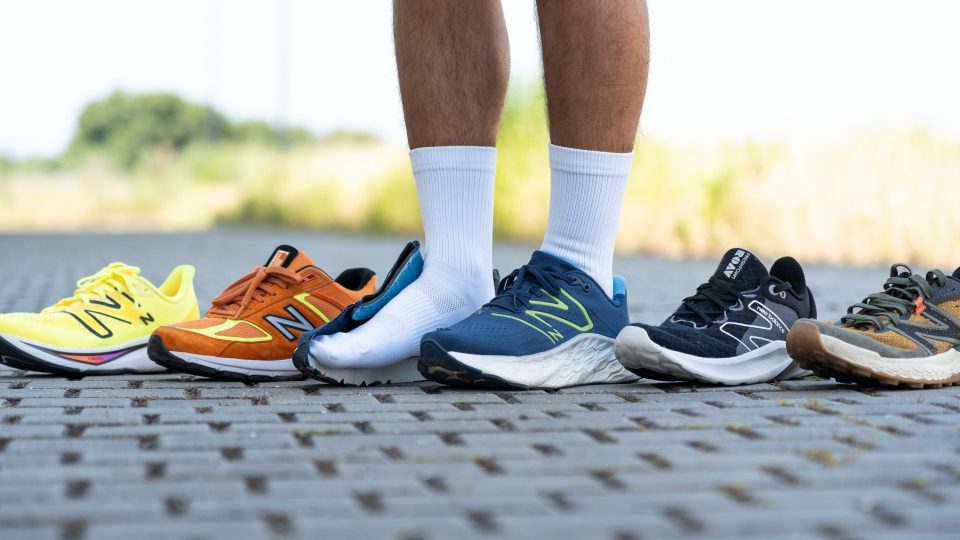
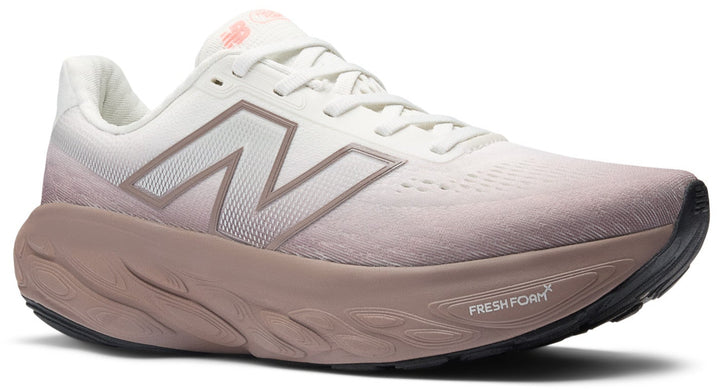
New Balance’s commitment to width sizing is not a superficial marketing claim but is deeply embedded in its last designs. A “last” is the three-dimensional mold around which a shoe is constructed, determining its fundamental shape and fit. Unlike many brands that simply stretch a standard (B width) last, New Balance develops proprietary lasts specifically for wider fittings (such as D, 2E, and 4E for women). This means the entire geometry—from the heel cup through the arch to the toe box—is proportionally scaled. The result is a shoe that maintains structural integrity and support features even in its widest iterations. Key technologies converge in models like the Fresh Foam X 1080 or the 928v3. The Fresh Foam X midsole, for instance, is a single-piece cushioning platform engineered using data from thousands of pressure-mapping scans. It provides a plush, yet responsive, ride that attenuates impact forces without bottoming out. For motion control, many New Balance wide width womens walking shoes incorporate a ROLLBAR stability post—a hardened thermoplastic unit embedded in the midsole that limits excessive rearfoot movement, a feature often cited by the American Council on Exercise as beneficial for overpronators. The upper materials, often utilizing engineered mesh, are selected for their adaptive stretch and breathability, wrapping the foot securely without creating pressure points. This holistic approach to design ensures that the wider fit does not come at the expense of heel lockdown, arch support, or overall shoe performance.
From Discomfort to Discovery: The First-Person Transition
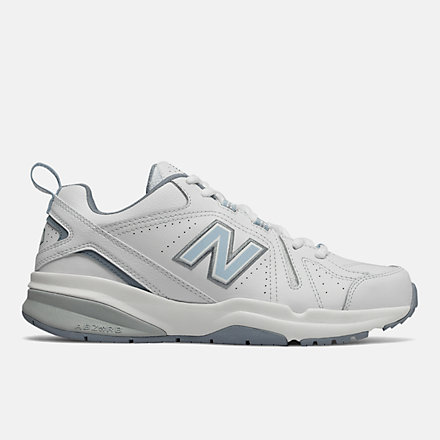
Let us shift perspective. Imagine you have spent years squeezing into standard-width shoes, accepting the lingering ache after a long day as normal. The moment you try on a properly fitted pair of New Balance wide width womens walking shoes, the difference is not subtle; it is revelatory. There is an immediate sensation of space—your toes are not touching each other or the sides of the shoe. As you take your first steps, the cushioning system engages smoothly, absorbing the jarring sensation of concrete. The arch support, now correctly aligned with your foot’s anatomy, provides a sensation of being propelled forward with less effort. This experience is echoed in countless user testimonials on platforms like Quora and specialized running/walking forums, where individuals describe the transition as “walking on clouds” or finally finding a shoe that “fits like it was made for me.” Celebrity fitness trainer Jillian Michaels has often stressed on her YouTube channel that equipment should work for you, not against you, and that proper footwear is the non-negotiable cornerstone of any fitness regimen. The psychological impact is profound: when pain and distraction are removed, walking transforms. It becomes a mindful, enjoyable practice—a time for clarity and endurance-building, not a battle against blisters and pinching. The shoe ceases to be an accessory and becomes a trusted partner in your health journey.

Navigating the Market: Selection Criteria and Informed Investment
With a recognized need and a trusted brand identified, the next step is informed selection. Not all wide-width shoes are identical, and the optimal model depends on individual gait, foot morphology, and intended use. Firstly, understand your foot type. A simple wet foot test (observing the imprint on a paper bag) can indicate if you have a low, neutral, or high arch. Those with low arches (overpronators) often benefit from stability or motion control models like the New Balance 928, which features a firm post. Neutral arches pair well with cushioned, neutral shoes like the Fresh Foam X 1080. Secondly, consider the primary walking environment. Are you primarily on paved roads, trails, or treadmill? Outsoles with more durable rubber and varied lug patterns offer better traction for varied terrain. Thirdly, do not equate softness with quality. As biomechanics researcher Dr. Casey Kerrigan, founder of OESH Shoes, has pointed out in literature, excessive cushioning can sometimes destabilize the foot. The goal is balanced cushioning that protects without isolating you from proprioceptive ground feedback. When evaluating New Balance wide width womens walking shoes, look for models that explicitly list their support technologies (e.g., Fresh Foam X, ROLLBAR, ABZORB crash pads). Finally, always purchase from retailers with a clear return policy for worn shoes, allowing you to truly test the fit over several days. An informed purchase is an investment in long-term joint health and activity sustainability, far outweighing the initial cost.
Value Beyond Price: The Long-Term Economics of Proper Footwear
It is tempting to view specialized footwear as a premium expense. However, a cost-benefit analysis from a long-term health perspective reveals a starkly different conclusion. A poorly fitting shoe can lead to chronic issues requiring professional intervention—podiatrist visits, orthotics, physical therapy, and even surgery for severe deformities. The financial and personal costs of these interventions dwarf the price of a quality pair of shoes. Furthermore, the right shoe enhances performance and consistency. When walking is comfortable, you are likely to walk more frequently, for longer durations, and with better form. This increased volume of low-impact cardiovascular exercise directly correlates to reduced risks of heart disease, diabetes, and obesity, as consistently highlighted by the Centers for Disease Control and Prevention (CDC). Therefore, a pair of New Balance wide width womens walking shoes is better understood as preventive healthcare equipment. To bring this professional knowledge to a practical point: while the MSRP for premium models like the Fresh Foam X 1080v13 Wide hovers around $150, savvy shoppers can find significant discounts. New Balance frequently offers seasonal sales on its official website, and authorized retailers often have clearance sections for previous model years, where discounts of 30-50% are common. The key is to know your exact size and model, and then patiently scout for these opportunities, ensuring you secure both professional-grade support and an economical price.
The journey toward pain-free, purposeful walking begins with a single, well-considered step. It begins with rejecting the notion that your foot must adapt to a shoe’s limitations. New Balance wide width womens walking shoes stand as a testament to a different approach—one rooted in anatomical respect, engineering precision, and a commitment to inclusive performance. They provide the essential platform upon which strength, endurance, and well-being are built, mile after mile. By choosing footwear that truly fits, you are not just buying a product; you are investing in the freedom of movement and the foundational health that makes every other activity possible. Let your shoes be the one variable you never have to doubt, so you can focus entirely on the path ahead and the strength within you to traverse it.
