

The Timeless Allure of Black Heels for Women
In the vast and ever-evolving landscape of fashion, few items command the same universal respect and enduring fascination as a pair of black heels. They are not merely footwear; they are a statement, a tool, and a piece of personal armor. Their power transcends fleeting trends, anchoring themselves in the wardrobes of women across generations and cultures. This allure isn’t accidental; it is woven from threads of psychology, sociology, history, and pure aesthetic science. From the boardroom to the gallery opening, the black heels for women serve as a silent yet potent communicator of confidence, sophistication, and intent. Let’s delve into the multifaceted reasons behind their unshakeable status.
The Psychology of Elevation: More Than Just Height
The effect of women heels black is profoundly psychological. Scientifically, the act of wearing heels alters posture, tilting the pelvis and arching the back, which can emulate signals of readiness and confidence. A study often cited in evolutionary psychology suggests that cues associated with sexual dimorphism, like the exaggerated curve of the spine in heels, can be perceived as attractive. However, to reduce their appeal to mere mating signals is a vast oversimplification. For the wearer, the change in posture demands and creates a different physical awareness. As fashion psychologist Dr. Dawnn Karen notes, “Enclothed cognition” is the systematic influence that clothes have on the wearer’s psychological processes. Slipping on a pair of sleek black heels can trigger a mental shift, encouraging the wearer to embody the attributes she associates with them: power, control, and elegance. This isn’t just about how the world sees her, but fundamentally about how she sees herself. The click of the heel on hard flooring becomes a metronome for her stride, a sound that announces presence and purpose before a single word is spoken.

A Chromatic Anchor: The Science and Symbolism of Black
Why black? The dominance of black in this context is a masterclass in color theory and cultural semiotics. Scientifically, black is the absence of light, absorbing all wavelengths. In design, it creates a slimming, lengthening line, making the leg appear elongated and the foot more refined—a perfect complement to the heel’s architecture. Symbolically, black carries immense weight. In Western cultures, it is the hue of formality (the little black dress, the tuxedo), authority (judicial robes), and modernity (the Model T Ford). It signifies sophistication, as echoed by iconic designer Coco Chanel, who liberated black from mourning and made it chic. A quote from her encapsulates this: “Women think of all colors except the absence of color. I have said that black has it all. White too. Their beauty is absolute. It is the perfect harmony.” Black is neutral yet decisive, subtle yet powerful. It doesn’t compete; it coordinates. A pair of black heels can seamlessly transition from day to night, from a corporate presentation to a dinner date, because the color itself is a chameleon of context, always appropriate, always strong. This versatility is a cornerstone of their timeless appeal.
Cinematic and Literary Icons: Heels as Narrative Devices
The cultural imprint of women heels black is solidified by their starring roles in film and literature. They are rarely just props; they are extensions of character. Think of the ruthless, clicking stilettos of Miranda Priestly in The Devil Wears Prada, a sound that instills fear and commands attention. Recall the iconic ruby slippers from The Wizard of Oz—while red, their power is analogous; they are the vehicle for transformation and agency. In a darker shade, the sleek heels of femme fatales in noir films are instruments of both allure and danger. In literature, from the sharp, fashionable heels of Carrie Bradshaw in Sex and the City—symbolizing independence, sexuality, and a love for the urban landscape—to the more subdued yet purposeful pumps of a detective like Lisbeth Salander in her professional guise, heels write a subtext about the wearer. These representations provide a shared cultural vocabulary. When a woman chooses a particular style of black heel—a sharp stiletto, a chunky platform, a strappy sandal—she is, consciously or not, tapping into this rich reservoir of imagery and association, crafting her own narrative with every step.
The Architecture of Confidence: Form, Function, and Engineering
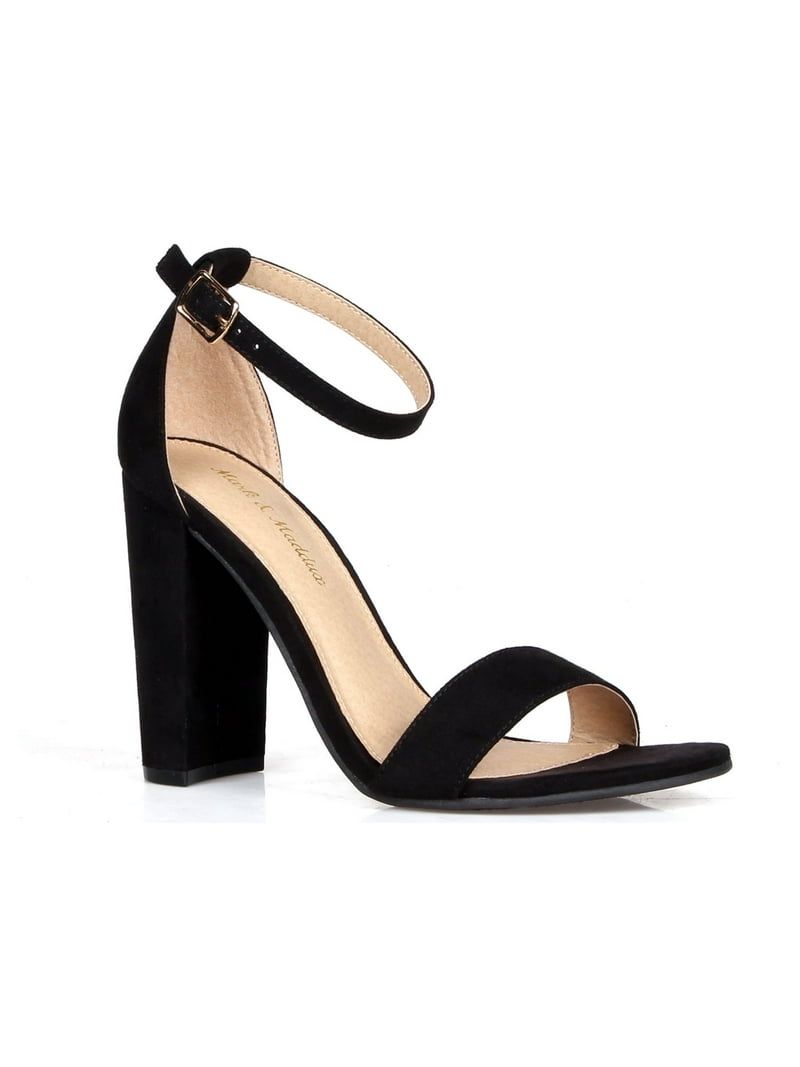
Beyond color and culture lies the object itself: a marvel of design engineering. The construction of a high-quality heel is a balance of opposing forces. The pitch of the heel, the placement of the arch support, the distribution of weight across the platform or sole—all are calculated to provide stability amidst elevation. Different styles serve different purposes. A classic black pump, with its closed toe and moderate heel, is a workhorse of professional attire, its design prioritizing a clean line and all-day wearability. A strappy black sandal heel, often featuring intricate leather or silicone bands, is an exercise in structural minimalism, holding the foot securely while appearing delicate. The recent resurgence of the chunky heel or block heel isn’t just a retro trend; it’s a response to the demand for style without sacrificing comfort, offering a wider surface area for better weight distribution. Understanding this engineering empowers the wearer. It’s the difference between choosing shoes that torture and shoes that empower. Knowledge of materials—like genuine leather that molds to the foot versus synthetic alternatives—allows for informed decisions that blend aesthetics with longevity and comfort, truly bringing professional knowledge to the user’s experience.
From Royal Courts to Feminist Statements: A Brief Historical Walk
The history of heels is a fascinating journey that underscores their transformation from utilitarian object to symbol of status and, later, personal expression. While often associated with women today, heels were initially worn by Persian cavalrymen in the 10th century to secure their feet in stirrups. They entered European fashion via aristocratic men, signifying a privileged life free from manual labor. By the 17th century, heels became elaborate for both sexes in royal courts, with Louis XIV famously wearing red heels to denote his noble standing. The 20th century saw heels become firmly gendered, central to the feminine silhouette. The post-war era introduced the stiletto, a symbol of daring sexuality. Later, in the 1990s, the “power pump” became a staple of the working woman’s wardrobe. Today, the conversation is more nuanced. Heels are seen both as tools of patriarchal expectation and as instruments of personal choice and empowerment. As scholar and author Dr. Elizabeth Semmelhack, curator at the Bata Shoe Museum, has stated, heels have a complex biography, reflecting the social and economic positions of women throughout history. Choosing to wear black heels in the modern era is to engage with this layered history, making a personal choice within a long and complicated lineage.
Curating Your Signature Silhouette: A Practical Guide
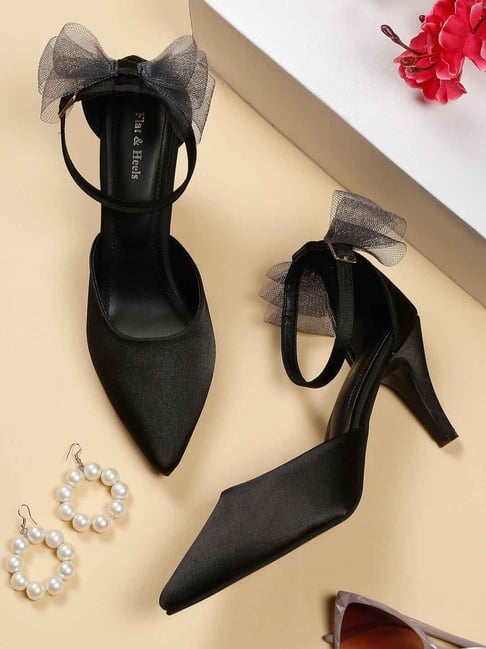
So, how does one harness this timeless allure? It begins with understanding your own silhouette and lifestyle. The key is intentionality. A pointed-toe black stiletto elongates the leg line dramatically, perfect for creating a sharp, formal look. A round-toe or almond-toe pump offers a slightly softer, more classic appeal. For those seeking height with stability, a block heel in black is an impeccable choice, offering a modern, grounded aesthetic. Consider the vamp (the part of the shoe that covers the front of the foot): a high vamp is elegant and professional, while a low-cut vamp or strappy design is inherently more casual and flirtatious. Your lifestyle dictates the portfolio. Every professional woman might benefit from the foundational elegance of a simple black pump. A socialite might lean towards a dramatic platform or an embellished sandal. The goal is to build a small, curated collection of women heels black that serve distinct purposes, rather than amassing duplicates. This strategic approach is where professional knowledge meets practical value, ensuring each purchase is an investment, not an impulse. And while quality is paramount, savvy shoppers know that timeless pieces like classic black heels often appear in seasonal sales or from direct-to-consumer brands that offer exceptional value, providing that coveted blend of discounted prices and enduring style.

The allure of black heels for women is a tapestry woven from undeniable psychological impact, profound cultural symbolism, intelligent design, and rich history. They are a sartorial shorthand for a mindset. They are not about conforming to an external standard but about harnessing a design principle to project and internalize a chosen identity. In a world of fast fashion and ephemeral trends, they remain a constant—a versatile, powerful, and eternally elegant cornerstone of personal style. Their click on the pavement is the sound of time itself being punctuated by a step taken with intention.
