

Discover the Best Podiatrist Recommended Walking Shoes for All-Day Comfort
Your feet are your foundation, carrying you through thousands of steps each day. Yet, so many of us endure discomfort, pain, and fatigue simply because we haven’t given our feet the proper architectural support they deserve. The quest for the perfect walking shoe isn’t about fleeting fashion trends; it’s a fundamental investment in your mobility and long-term well-being. This guide cuts through the marketing noise to focus on what truly matters: podiatrist recommended walking shoes. These are not just comfortable shoes; they are biomechanically engineered tools designed in collaboration with foot health specialists to promote proper alignment, absorb impact, and prevent a host of common foot ailments. Whether you’re navigating city streets, hospital corridors, or weekend trails, the right shoe can transform your experience from a chore into a pleasure, allowing you to move with confidence and ease from morning until night.
The Science of Support: Why Podiatrist Endorsement Matters
To understand the value of a podiatrist recommended walking shoe, we must first delve into the complex biomechanics of the human foot. Each foot contains 26 bones, 33 joints, and over 100 muscles, tendons, and ligaments, all working in concert to provide balance, propulsion, and shock absorption. According to biomechanics literature from institutions like the University of Delaware’s Department of Kinesiology and Applied Physiology, improper footwear can disrupt this delicate system, leading to a cascade of issues not just in the feet, but in the ankles, knees, hips, and lower back. A podiatrist, or Doctor of Podiatric Medicine (DPM), is a physician specifically trained in the diagnosis, treatment, and prevention of foot and ankle disorders. Their recommendation carries the weight of clinical experience and scientific understanding. When a podiatrist recommends a shoe, they are evaluating it against critical criteria: sufficient toe box room to prevent bunions and hammertoes, a firm heel counter to control rearfoot motion and prevent excessive pronation or supination, appropriate arch support tailored to different foot types (neutral, flat, or high-arched), and optimal cushioning that manages impact without sacrificing stability. This isn’t subjective comfort; it’s objective, anatomical engineering. As noted by the American Podiatric Medical Association (APMA), shoes bearing their Seal of Acceptance have been evaluated by a committee of podiatrists and found to promote good foot health. This external, professional validation is a key differentiator in a crowded market.
:max_bytes(150000):strip_icc()/podiatrist-recommended-walking-shoes-e1b90077185d4e6cadbf6327c4d17db7.jpg)
Architecting Comfort: Key Features of a Superior Walking Shoe
Let’s deconstruct the anatomy of an ideal walking shoe. First, consider the last—the foot-shaped form around which the shoe is built. A straight or semi-curved last is often preferred in podiatrist recommended walking shoes as it aligns better with the natural foot shape and provides more medial (inner) support compared to a sharply curved last. The midsole is the heart of the shoe’s technology. Materials like ethylene-vinyl acetate (EVA) or polyurethane (PU) offer varying densities for cushioning and durability. Many top-tier shoes now incorporate dual-density midsoles, where a firmer material on the inner side helps control overpronation. The rocker sole is another podiatrist-favored feature; it facilitates a smooth heel-to-toe transition, reducing strain on the plantar fascia and Achilles tendon. The upper must be constructed from breathable, flexible materials like engineered mesh to accommodate foot swelling and prevent irritation. A padded collar and tongue enhance comfort around the ankle and instep. Finally, the outsole requires a balance of flexibility at the forefoot for natural push-off and durable rubber with a multi-directional tread pattern for reliable traction. It’s the synergistic integration of these features—each addressing a specific biomechanical need—that defines a truly supportive shoe. Ignoring any one element can compromise the entire system, much like a building with a flawed foundation.
Beyond the Feet: The Systemic Impact of Proper Footwear
The consequences of wearing inadequate shoes extend far beyond calluses or tired feet. Consider the kinetic chain: a misalignment at the foot can cause the tibia (shin bone) to rotate inward, stressing the knee’s medial collateral ligament and potentially contributing to conditions like patellofemoral pain syndrome. This altered alignment continues upward, affecting hip rotation and pelvic tilt, which can lead to lower back pain. This interconnectedness is a core principle in orthopedics and physical therapy. Renowned sports medicine specialist Dr. Jordan Metzl has often emphasized in his publications and media appearances that “footwear is the most important piece of equipment for any athlete, and walking is the most fundamental athletic activity we all do.” Furthermore, from a neurological perspective, chronic foot pain can alter your gait and posture, leading to decreased activity levels, which is a risk factor for cardiovascular disease, diabetes, and obesity. Therefore, investing in podiatrist recommended walking shoes is not a mere purchase for foot comfort; it is a proactive measure for holistic musculoskeletal health. It is an investment in preserving your mobility, maintaining an active lifestyle, and preventing costly and painful medical interventions down the line. The shoes become a daily therapeutic device, silently correcting and supporting with every step you take.
Navigating the Market: How to Identify Truly Supportive Options
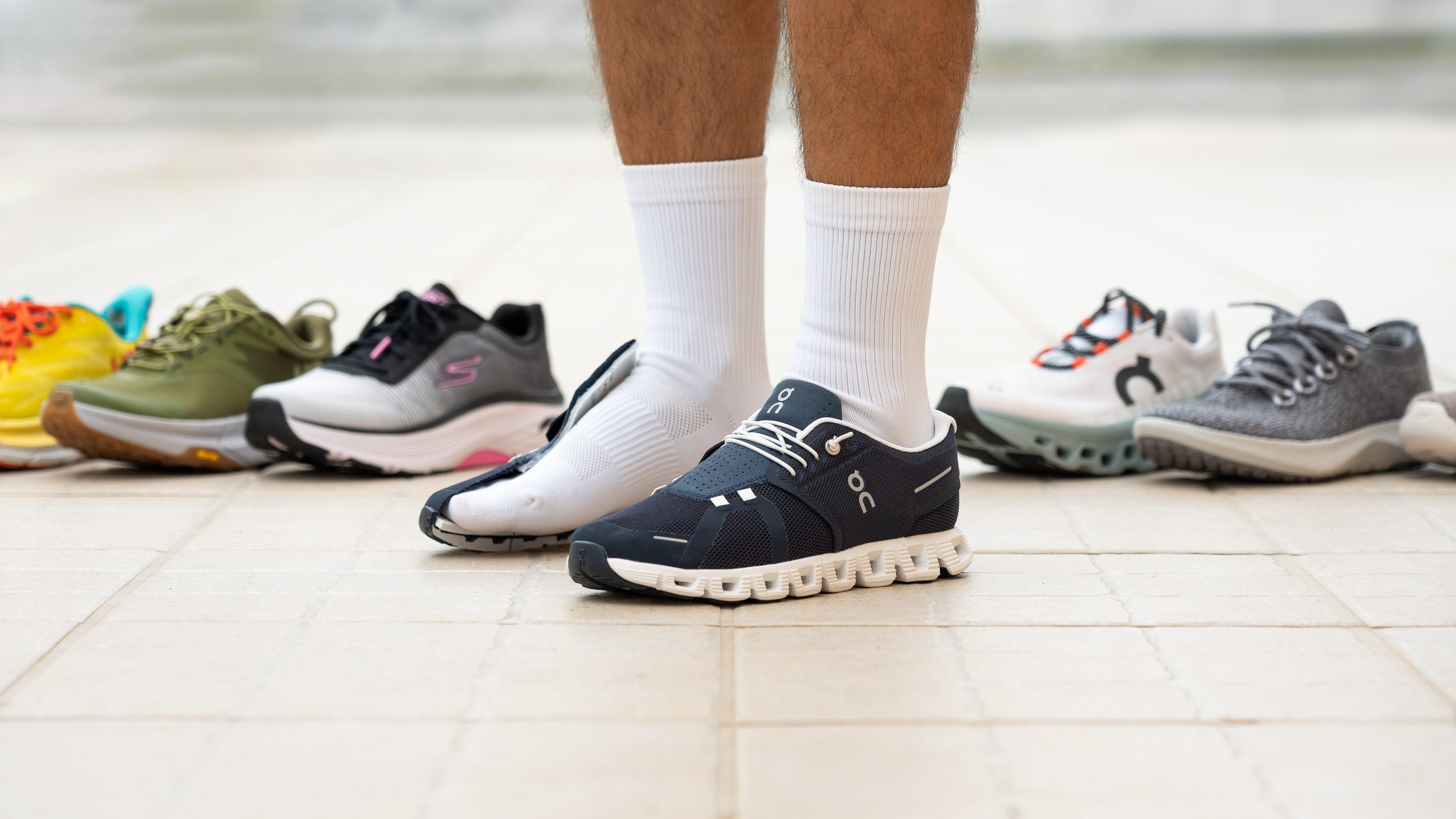
With countless brands claiming “comfort” and “support,” how does a discerning consumer identify a genuinely podiatrist-approved shoe? Start by looking for official endorsements from recognized podiatric associations like the APMA Seal of Acceptance. Research brands that have a long-standing collaboration with podiatrists in their design process, such as certain models from ASICS, New Balance, Brooks, and HOKA. These companies often employ biomechanists and consult with clinical professionals. Don’t be swayed by price alone; a higher cost often reflects advanced materials, rigorous testing, and patented support technologies. However, value is key. Many reputable retailers and the brands’ own official websites offer significant discounts on previous seasons’ models, which are functionally identical to the latest versions but at a fraction of the price. For instance, last year’s award-winning stability walking shoe might be available at a 30-40% discount, bringing professional-grade support within a more accessible budget. Always prioritize fit over style or brand loyalty. Your ideal shoe should feel secure and supportive from the moment you try it on, with no “break-in” period required—a common myth debunked by podiatrists who state that properly fitted, high-quality shoes should feel comfortable immediately.
A Curated Selection for Varied Needs
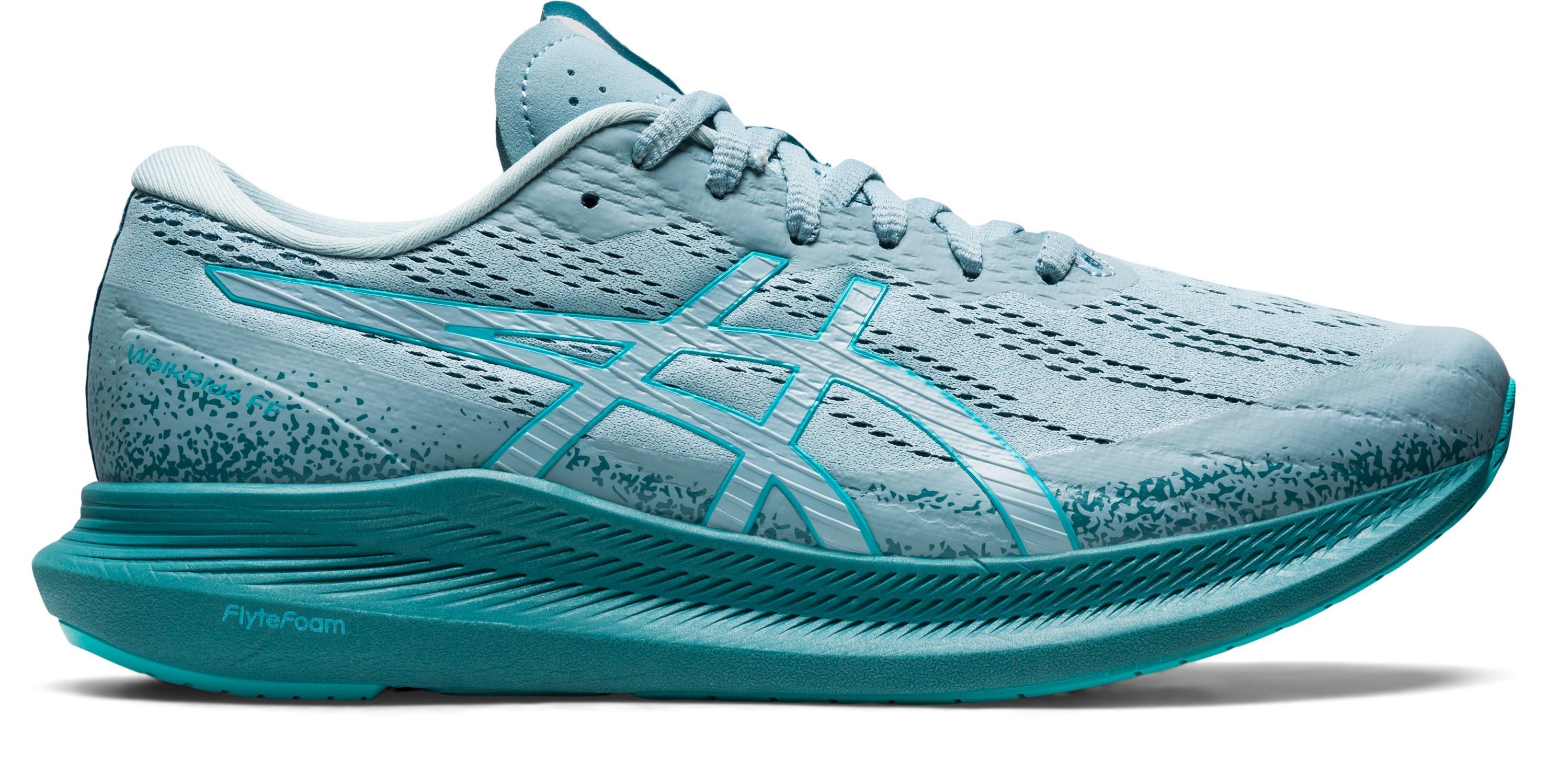
While individual needs vary, several categories of podiatrist recommended walking shoes consistently receive high praise. For those requiring maximum stability and motion control, often recommended for overpronators, shoes like the Brooks Addiction Walker or the New Balance 928v3 offer structured support with a firm heel counter and guiding rail technologies. For individuals seeking plush cushioning for long hours on hard surfaces, such as nurses or retail workers, models like the HOKA Bondi or the ASICS Gel-Nimbus provide exceptional shock absorption without a bulky feel. For walkers with neutral gaits who desire a blend of responsiveness and comfort, the Saucony Echelon or the Ryka Devotion are excellent choices. It’s crucial to have your gait analyzed, either at a specialty running store or by a podiatrist, to determine your specific category. Remember, the best shoe is the one that matches your unique foot structure and walking pattern. This personalized approach is the cornerstone of podiatric advice, moving away from one-size-fits-all recommendations and towards tailored solutions.
Your Path to Pain-Free Movement Starts from the Ground Up
Choosing the right footwear is one of the simplest yet most powerful acts of self-care you can perform. It is a decision that echoes through every joint in your body with every step you take. By prioritizing podiatrist recommended walking shoes, you are aligning yourself with clinical expertise and biomechanical science, not just marketing hype. You are choosing a tool engineered to work in harmony with your body’s natural design, to prevent injury, and to enhance your daily life. The initial investment of time to find the right pair and the potential financial investment are negligible compared to the long-term dividends of pain-free mobility, increased energy, and sustained activity. Don’t wait for discomfort to become injury. Listen to the experts who dedicate their careers to foot health. Step into shoes that are built not just for walking, but for thriving—from your first step in the morning to your last step at night, in complete and sustained comfort.
:max_bytes(150000):strip_icc()/favorite-walking-shoes-round-up-november-2024-458c3fc0c6844adca7c0a34ebc5cfb9b.jpg)
