

Discover the Top Podiatrist Recommended Walking Shoes for Ultimate Comfort and Support
Every step you take is a conversation between your body and the ground. When that dialogue is fraught with discomfort, the entire narrative of your movement suffers. This is where the expertise of podiatry transforms mere footwear into instruments of wellness. Podiatrist recommended walking shoes are not a marketing gimmick; they are the culmination of biomechanical research, material science, and clinical insight designed to align your stride with the principles of healthy movement. The right shoe acts as a mediator, cushioning impact, guiding motion, and providing a stable platform from which to propel yourself forward. This article delves beyond superficial style, unpacking the anatomical and engineering truths behind footwear that truly supports. We will navigate the critical features, decode professional endorsements, and connect you with options that bring professional-grade support to your daily life, often at accessible price points. Your journey to pain-free, energized walking begins with understanding what elevates a shoe from simple covering to essential gear.
The Foundation: Why Podiatrist Endorsement Matters
Podiatry, the branch of medicine devoted to the study, diagnosis, and treatment of disorders of the foot, ankle, and lower extremity, provides a unique lens through which to evaluate footwear. A podiatrist’s recommendation is rooted in preventative care and corrective function. Consider the foot’s architecture: 26 bones, 33 joints, and over 100 muscles, tendons, and ligaments working in concert. As noted in resources from institutions like the American Podiatric Medical Association (APMA), improper footwear can disrupt this complex system, leading to or exacerbating conditions like plantar fasciitis, metatarsalgia, bunions, and tendinitis. Therefore, a podiatrist recommended walking shoe is one that has been evaluated for its ability to accommodate, stabilize, and protect this intricate structure. It’s a product vetted against clinical outcomes, not just fashion trends. This endorsement often involves specific criteria such as adequate toe box room to prevent digital deformities, firm heel counters to control rearfoot motion, appropriate arch support to distribute pressure, and flexible yet supportive soles that facilitate the natural gait cycle. When you choose a shoe bearing this implicit seal of approval, you are leveraging medical insight to make an informed decision for your long-term musculoskeletal health.
:max_bytes(150000):strip_icc()/tal-10-podiatrist-approved-open-toed-shoes-tout-00bd6ff1c36a49cdbbff486b0b54fb27.jpg)
Deconstructing Support: The Non-Negotiable Features
To comprehend what makes a walking shoe exceptional, we must dissect its components. First is arch support. The arch acts as a natural shock absorber; flattening or over-straining it leads to fatigue and pain. A proper shoe provides contoured support that matches your arch type—whether neutral, low, or high—to maintain the foot’s natural alignment from heel strike to toe-off. This is not mere cushioning; it is structural reinforcement. Second is heel counter rigidity. The heel counter is the firm cup at the back of the shoe. Its stability is paramount in controlling excessive pronation (inward roll) or supination (outward roll), which can misalign the entire kinetic chain from ankle to knee to hip. A study cited in the Journal of Foot and Ankle Research emphasizes the role of rearfoot control in injury prevention. Third is midsole technology. Materials like EVA (ethylene-vinyl acetate), polyurethane, or proprietary gels like ASICS’ GEL or Brooks’ DNA LOFT determine energy return and impact dissipation. The goal is a balance: soft enough to comfort, yet resilient enough to not bottom out. Finally, the toe box must allow natural splay. As minimalist running advocate and author Christopher McDougall has highlighted in his works, cramped toes are a modern, shoe-induced ailment. A spacious, foot-shaped toe box prevents blisters, calluses, and conditions like hammertoes. A true podiatrist recommended walking shoe integrates these features seamlessly, creating a symbiotic relationship between foot and footwear.
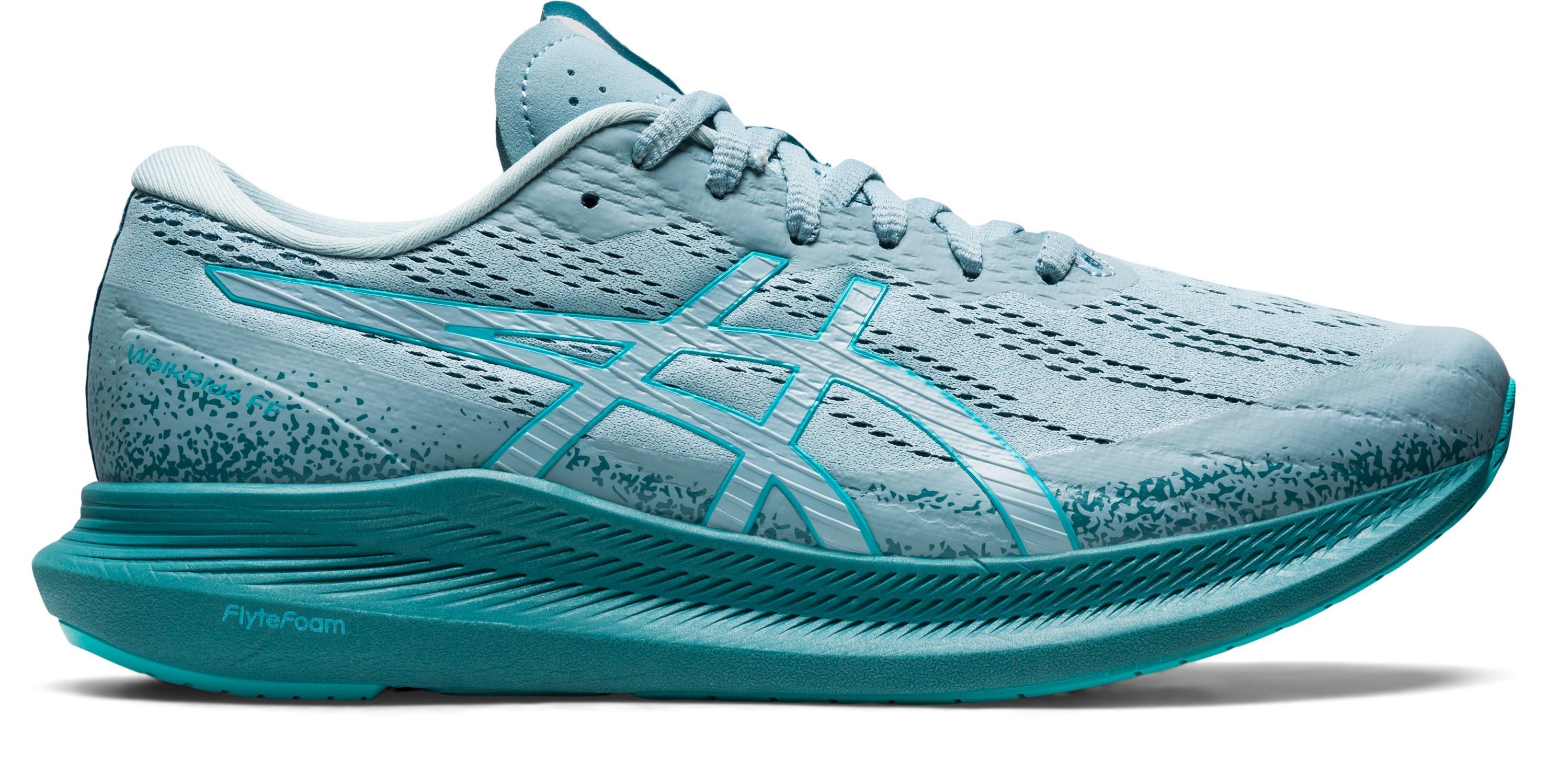
The Evidence of Endorsement: From Clinics to Consumer Voices
Credibility in the footwear world is built on a mosaic of authoritative voices. Beyond institutional seals like the APMA’s, many podiatrists actively share their expertise on public platforms. Dr. Brad Schaeffer, a prominent New York podiatrist, frequently breaks down shoe anatomy on social media, explaining how specific models benefit different foot types. On Quora and health forums, practicing podiatrists often cite peer-reviewed literature when recommending brands known for consistent last shapes and durable construction. Furthermore, publications like Consumer Reports conduct rigorous lab tests for durability, flexibility, and support, often correlating highly with clinical recommendations. The convergence of these sources creates a reliable filter. For instance, a brand consistently praised across YouTube podiatrist channels, cited in university biomechanics department literature for its gait studies, and featured in mainstream wellness magazines for its ergonomic designs, establishes a trustworthy profile. This multi-source validation is crucial. It means the shoe’s benefits are not anecdotal but are observable in lab settings, reported in patient outcomes, and verified by independent testing. When you encounter a shoe lauded across this spectrum, you are looking at a product that has proven its merit in both theory and practice.
Navigating the Market: Categories of Podiatrist-Approved Footwear
The landscape of supportive shoes is diverse, catering to varying needs and aesthetics. Stability Walking Shoes are engineered for those who overpronate. They feature medial (inner-side) posts—denser foam or dual-density midsoles—to gently correct the foot’s roll. Brands like Brooks (Addiction Walker) and New Balance (928) are stalwarts here. Neutral Cushioned Shoes are for efficient, biomechanically balanced walkers who need primarily shock absorption. Think HOKA’s Bondi or Clifton series, renowned for their maximal, soft cushioning that reduces stress on joints. Motion Control Shoes are the most robust, designed for severe overpronation or heavier individuals, offering maximum reinforcement, as seen in some Saucony and Brooks models. Lastly, the category of Everyday Orthopedic-Friendly Styles has exploded. Companies like Vionic, Abeo, and Kuru build sandals, flats, and dress-casual shoes with built-in orthotic-like arch support and deep heel cups, proving that therapeutic design need not be unattractive. The common thread is that these are all potential podiatrist recommended walking shoes, each addressing a specific biomechanical profile. The key is honest self-assessment or a professional gait analysis to match your needs with the correct category.

Investment in Wellness: The Price-Performance Paradigm
It is a rational question: why invest more in specialized footwear? The calculus is one of long-term value versus short-term cost. A cheap, unsupportive shoe is an expense. A quality, supportive shoe is an investment in your mobility and pain-free living. Consider the downstream costs of foot problems: co-pays for doctor visits, physical therapy sessions, custom orthotics, and lost productivity due to discomfort. A well-constructed podiatrist recommended walking shoe, often priced between $120 and $160, is a proactive measure against these potential expenses. The good news is that value is accessible. Many top brands offer previous-season models at significant discounts on their official websites or through authorized retailers. Subscription services for deals or cash-back apps can yield savings of 30-50%. Furthermore, the durability of these shoes—with high-quality rubber outsoles and robust uppers—means they often outlast multiple pairs of cheaper alternatives, improving their cost-per-mile ratio. The goal is not to spend the most, but to spend the smartest: allocating your budget to the engineering features that directly impact your health, and seeking out the sales cycles and outlets that make this technology affordable.
Your Path Forward: Integrating Knowledge into Choice
Armed with this knowledge, your shoe selection process transforms from bewildering to strategic. Begin by identifying your foot type and gait pattern—many specialty running stores offer free, basic analyses. Prioritize fit above all else; a shoe should feel secure and accommodating from the moment you try it on, with no “break-in” pain. Remember the key features: press on the heel counter, it shouldn’t collapse; twist the shoe, it should resist torsion; bend it at the toe, it should flex where your foot naturally does. Look for the endorsements that matter from clinical and expert sources. And finally, be a savvy shopper—use online tools to compare prices, and don’t hesitate to contact customer service for sizing advice or to inquire about upcoming promotions. The ultimate pair of podiatrist recommended walking shoes is the one that disappears on your foot, not because it’s flimsy, but because it functions so harmoniously with your body that you forget it’s there, freeing you to focus on the journey ahead, step after confident, supported step.
:max_bytes(150000):strip_icc()/I-Asked-Podiatrists-for-Their-Fall-Shoe-Recommendations-These-Are-Their-Top-8-Picks-8fbdf9d65f3a4228ae63f6e5253dc08c.jpg)
