

Discover the Best Podiatrist Recommended Walking Shoes for All-Day Comfort
Your feet are the foundation of your movement, and the shoes you choose can either be a source of constant support or a catalyst for chronic discomfort. For anyone who spends a significant portion of their day on their feet—whether you’re a healthcare professional, a teacher, a retail worker, or simply someone who enjoys long, exploratory walks—the quest for the perfect walking shoe is paramount. This isn’t about fleeting fashion trends; it’s about investing in your long-term musculoskeletal health. The market is saturated with options, but the most reliable compass points toward podiatrist recommended walking shoes. These are not merely comfortable sneakers; they are engineered solutions, often backed by clinical insight, designed to align with the intricate biomechanics of the human foot. This article will guide you through the essential features, scientific principles, and top-recommended models that define this category, empowering you to make an informed choice that brings professional-grade support and all-day comfort directly to your stride.
The Science of Stride: Why Podiatrist Endorsement Matters
To understand the value of a podiatrist recommended walking shoe, one must first appreciate the complexity of the foot’s anatomy and its role in gait. The human foot is a marvel of engineering, comprising 26 bones, 33 joints, and over 100 muscles, tendons, and ligaments. According to resources from institutions like the American Podiatric Medical Association (APMA) and anatomical literature from universities such as Stanford and Johns Hopkins, the foot acts as both a shock absorber at heel strike and a rigid lever for propulsion during toe-off. A shoe that disrupts this natural sequence can lead to a cascade of issues, from plantar fasciitis and metatarsalgia to problems ascending the kinetic chain, affecting ankles, knees, hips, and even the lower back. Podiatrists, as doctors specializing in the foot, ankle, and related structures of the leg, evaluate shoes based on specific, objective criteria: stability, motion control, cushioning density and placement, heel counter rigidity, toe box geometry, and overall flexibility. An APMA Seal of Acceptance, for instance, is granted only to products found to promote good foot health. Therefore, a shoe bearing this seal or a direct recommendation from a practicing podiatrist has been vetted against a high clinical standard. It is a product designed not just to house the foot, but to work in harmony with its biological functions, preventing injury and mitigating existing conditions.
Deconstructing Comfort: The Non-Negotiable Features
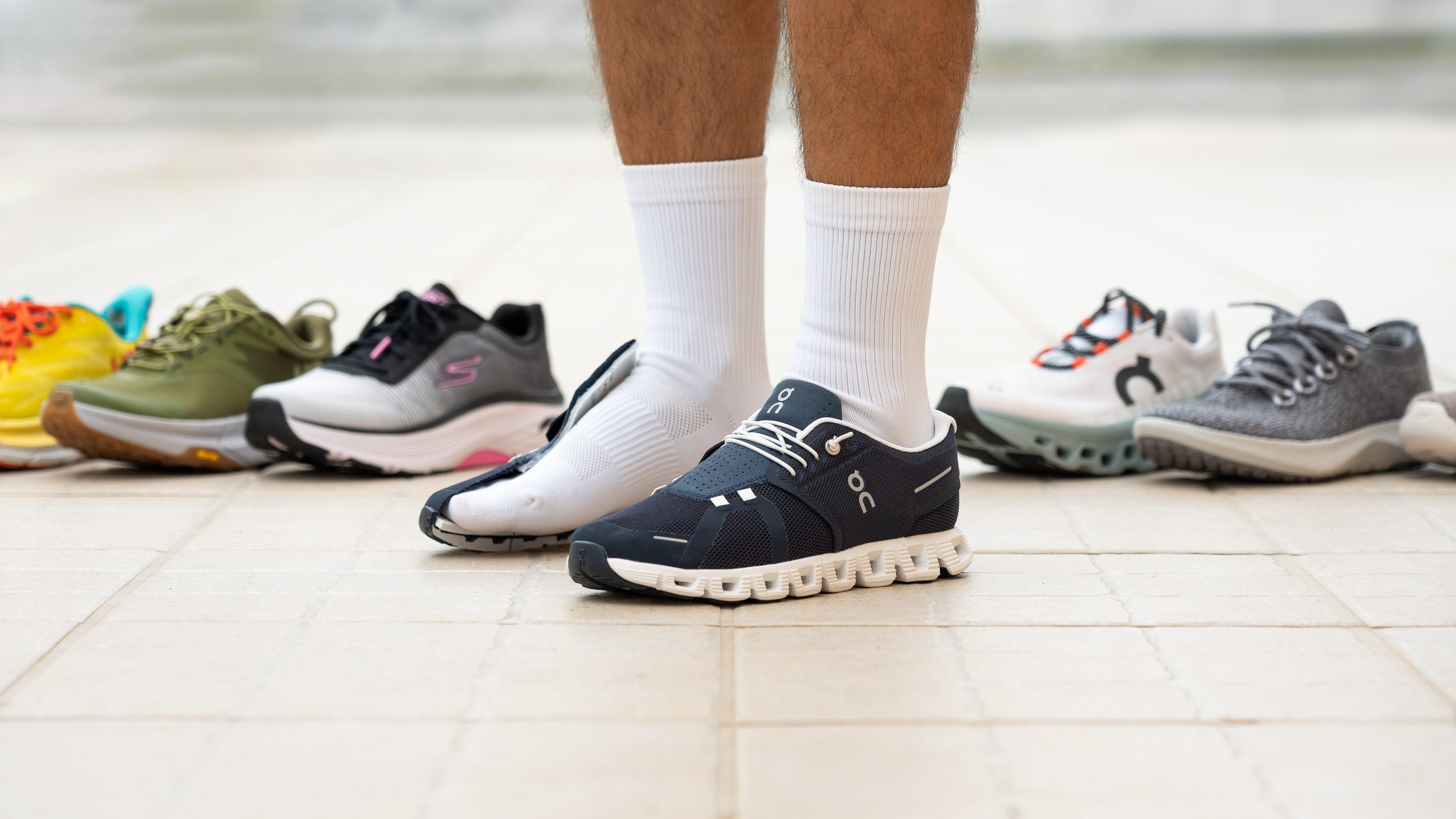
When we peel back the layers of a superior walking shoe, several key features emerge as non-negotiable. First is arch support. The arch is the foot’s natural shock-absorbing spring. A 2014 study published in the Journal of Foot and Ankle Research highlighted that proper arch support can significantly reduce strain on the plantar fascia. Podiatrist-recommended shoes often feature varying degrees of arch support to cater to neutral, low-arched (overpronator), or high-arched (supinator) foot types. Second is the heel counter. This is the firm cup at the back of the shoe that cradles the heel bone (calcaneus). A study cited in Podiatry Today emphasizes that a rigid, well-padded heel counter is crucial for stabilizing the rearfoot, preventing excessive heel movement that can lead to Achilles tendonitis or instability. Third is midsole technology. This is the heart of cushioning and stability. Materials like Brooks’ DNA LOFT, ASICS’ GEL, or HOKA’s Profly+ are not marketing gimmicks; they are proprietary compounds engineered to provide a specific balance of soft cushioning and responsive energy return. As Dr. Jacqueline Sutera, a New York City-based podiatrist, often states in her media appearances, “The right midsole can mean the difference between feeling fatigued after a mile and feeling energized after ten.” Finally, the toe box must be wide and deep enough to allow toes to splay naturally upon foot strike, a principle supported by biomechanical research to improve balance and reduce the risk of bunions and hammertoes.
:max_bytes(150000):strip_icc()/shp-best-brooks-walking-shoes-tout-f67df3ab5afa4c08a24a63ae6dca3444.jpg)
Navigating the Landscape: Top Podiatrist-Recommended Categories and Models
The world of podiatrist recommended walking shoes is diverse, with standout models tailored for different needs. For the individual seeking maximum cushioning for hard surfaces or joint sensitivity, the HOKA Bondi series is frequently at the top of lists. Its meta-rocker geometry, a technology discussed in biomechanics literature for promoting a smoother gait cycle, and ultra-soft Profly+ midsole make it a favorite among podiatrists for patients with arthritis or those recovering from injury. For those requiring exceptional stability to control overpronation, the Brooks Adrenaline GTS series is a perennial champion. Its GuideRails holistic support system, which focuses on guiding the knee into alignment rather than just propping up the arch, represents a significant evolution in stability technology, a point often highlighted by sports medicine experts. Another critical category is the versatile, all-day walker. The New Balance 990v5, a classic made in the USA, is renowned for its combination of durable pigskin suede, ENCAP midsole technology for dual-density support, and a universally accommodating fit. It’s a shoe frequently mentioned in forums and by professionals for its durability and “workhorse” reliability. For a more athleisure-oriented look that doesn’t sacrifice function, the OOFOS OOmg Low shoe is specifically designed for recovery, featuring a proprietary foam that absorbs 37% more impact than traditional footwear foam, according to company data verified by independent labs. These models exemplify how targeted engineering addresses specific biomechanical demands.
:max_bytes(150000):strip_icc()/I-Asked-Podiatrists-for-Their-Fall-Shoe-Recommendations-These-Are-Their-Top-8-Picks-8fbdf9d65f3a4228ae63f6e5253dc08c.jpg)
Beyond the Shoe: The Holistic Approach to Foot Health
While investing in the right shoes is foundational, a holistic approach ensures their benefits are fully realized. Your gait analysis, often available at specialty running stores or a podiatrist’s office, is the single most important step before purchase. It visually identifies your pronation pattern, arch type, and stride peculiarities. Furthermore, consider the synergy between your shoe and your orthotics. Many podiatrist recommended walking shoes are designed with removable insoles to accommodate custom orthotic devices, which are prescription-grade inserts that correct specific biomechanical abnormalities. As noted by the Cleveland Clinic, orthotics can transform a good shoe into a perfect, personalized tool. Equally important is the lifecycle of your shoes. The cushioning and support materials degrade with mileage, not just age. The general consensus among experts, including advice from the American Academy of Podiatric Sports Medicine, is to replace walking shoes every 300-500 miles. Wearing worn-out shoes negates all their engineered benefits and can lead to overuse injuries. Finally, pair your excellent footwear with a consistent regimen of foot and calf strengthening and stretching. Exercises like toe curls, calf raises, and rolling the arch on a frozen water bottle can build resilience, making your feet a stronger partner to the advanced technology in your podiatrist recommended walking shoes.
Investing in Your Foundation: Where Value Meets Expertise
Some may hesitate at the price point of high-quality, podiatrist-endorsed footwear, often ranging from $120 to $180. However, this perspective shifts when viewed as a healthcare investment rather than a simple apparel purchase. Consider the cost of a single podiatrist visit, physical therapy sessions for plantar fasciitis, or orthotic inserts. A single pair of properly chosen shoes can prevent these expenses. The value proposition is clear: you are paying for years of biomechanical research, advanced material science, and clinical validation. To make this investment more accessible, savvy shoppers should look to official brand outlet stores, reputable online retailers during seasonal sales (like Black Friday or end-of-model-year clearances), and subscription newsletters that offer first-time buyer discounts. Brands like Brooks and ASICS often have professional discount programs for healthcare workers, teachers, and military personnel. Remember, the most expensive shoe is not always the best for you; the right shoe is the one that matches your individual biomechanics. By prioritizing the clinical features discussed—arch support, heel counter, midsole, toe box—and seeking out verified podiatrist recommended walking shoes, you are making a conscious decision to support your body’s infrastructure. This investment pays dividends in reduced pain, increased energy, and the simple, profound joy of moving through your day unencumbered by discomfort.
:max_bytes(150000):strip_icc()/podiatrist-recommended-walking-shoes-e1b90077185d4e6cadbf6327c4d17db7.jpg)
Your journey toward all-day comfort begins with a single, informed step. The path is illuminated not by flashy advertisements, but by the clinical insights of foot health specialists and the rigorous engineering of brands that prioritize function. By choosing podiatrist recommended walking shoes, you are aligning your daily wear with the scientific principles of human movement. This choice transcends mere consumerism; it is an act of self-care that supports your arches, stabilizes your stride, and cushions every impact from morning until night. Let your footwear be a tool for empowerment, freeing you to walk further, stand longer, and engage with the world on a foundation of unwavering comfort and support.
