

Styling Women’s Low-Heel Ankle Boots for Every Season
In the ever-evolving landscape of fashion, few items promise and deliver the versatility, comfort, and enduring style of women’s ankle boots low heel. They are not merely footwear; they are a foundational element for building a year-round wardrobe that transitions seamlessly from the crisp mornings of autumn to the blossoming days of spring, and even finds its place in tempered summer evenings and layered winter looks. This exploration is not about fleeting trends but about understanding the design principles, historical context, and practical science that make this specific boot style a perennial powerhouse. We will dissect its anatomy, celebrate its adaptability, and provide a roadmap for integrating these boots into every seasonal narrative, all while bringing you professional insights and highlighting avenues for value.
The Anatomical and Historical Foundation of the Ankle Boot
To appreciate the modern women’s ankle boots low heel, one must first understand its genesis. The ankle boot, in its most fundamental form, traces its origins to practical military and utilitarian wear. Its adoption into women’s fashion was a gradual process of adaptation, symbolizing a shift towards both practicality and a subtle assertion of strength. The critical evolution came with the refinement of the heel and the shortening of the shaft. A low heel, typically defined as being between 0.5 to 2 inches, represents a masterful compromise in biomechanical design. From an ergonomic perspective, a slight elevation reduces the strain on the Achilles tendon and calf muscles compared to completely flat shoes, while avoiding the forward pitch and pressure on the ball of the foot caused by higher heels. This is supported by podiatric literature from institutions like the American Podiatric Medical Association, which often notes that a modest, stable heel can promote a more natural gait. Historically, the popularity of lower heels surged with mid-20th century pragmatism and again with the 21st-century emphasis on “athleisure” and comfort-first dressing. The ankle boot became a canvas for this philosophy, merging the protective structure of a boot with the manageable lift of a low block, kitten, or wedge heel. This design isn’t an accident; it’s a response to the human body’s mechanics and the modern woman’s demand for footwear that doesn’t compromise on style or well-being.
Autumn’s Essential Companion: Structure and Layering
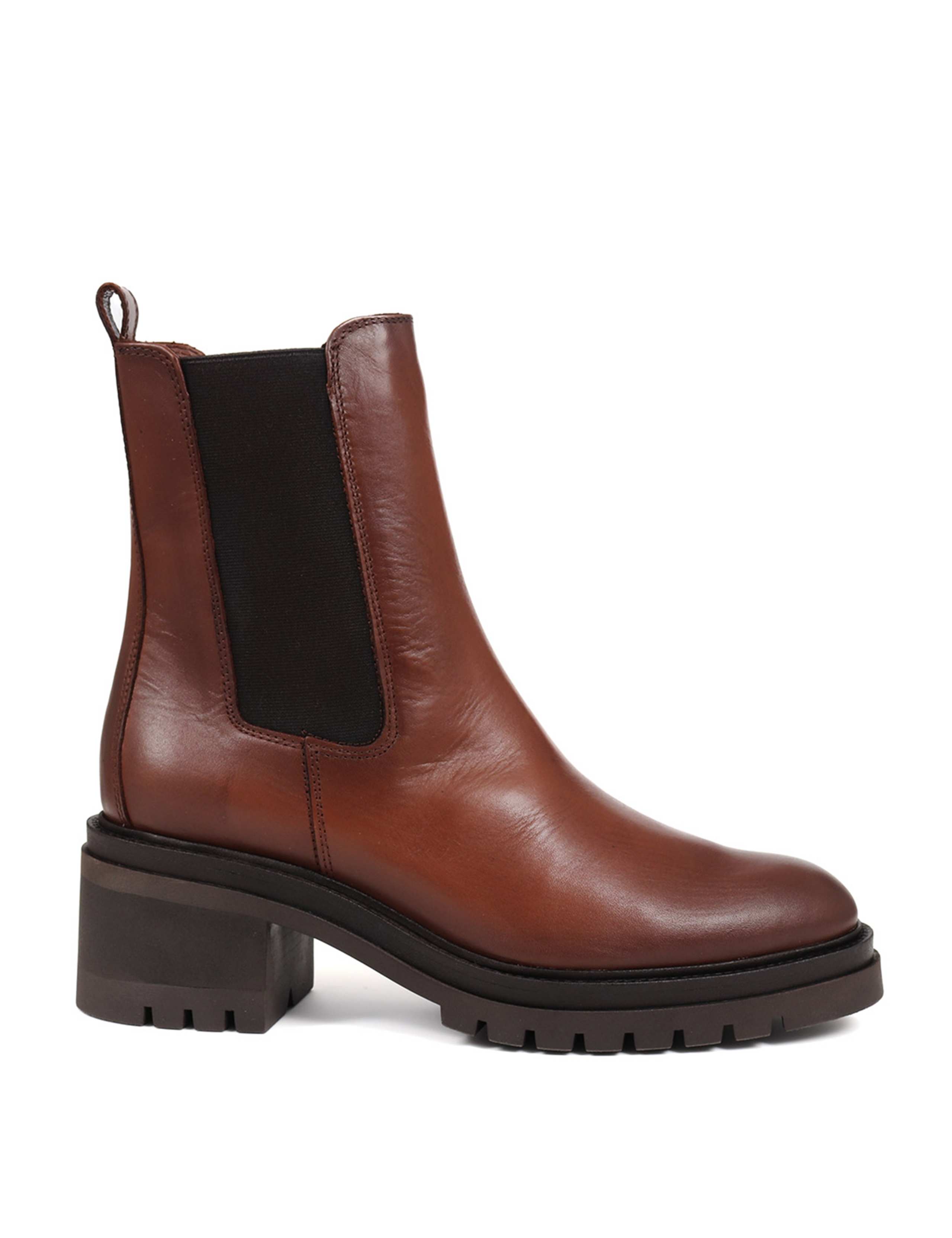
Autumn is the season where women’s ankle boots low heel truly claim their throne. The weather demands transition, and so does our wardrobe. Here, the boot functions as a sartorial anchor. The key is in material and silhouette. A sleek leather Chelsea boot with a sturdy, low block heel is unparalleled. Its elastic gussets offer easy on-and-off, while the leather provides a barrier against dampness and wind. Scientifically, leather acts as a natural insulator and a breathable barrier, a fact often cited in material science texts. This season calls for layering, and the ankle boot provides a clean, terminating point for various hemlines. Pair them with opaque tights and a midi skirt, or with cropped trousers that elegantly meet the top of the boot shaft, creating a continuous line. The low heel ensures stability on potentially slippery fallen leaves—a practical consideration rooted in physics, where a broader heel base increases stability by lowering the center of gravity and distributing weight more evenly. As fashion commentator and author Alison Freer once noted in her writings on costume design, “The right shoe doesn’t just complete an outfit; it grounds it, literally and figuratively.” The autumn ankle boot does exactly that, grounding the layered textures of knits, wools, and denim with confident, wearable style.
Winter Warriors: Insulation, Traction, and Style
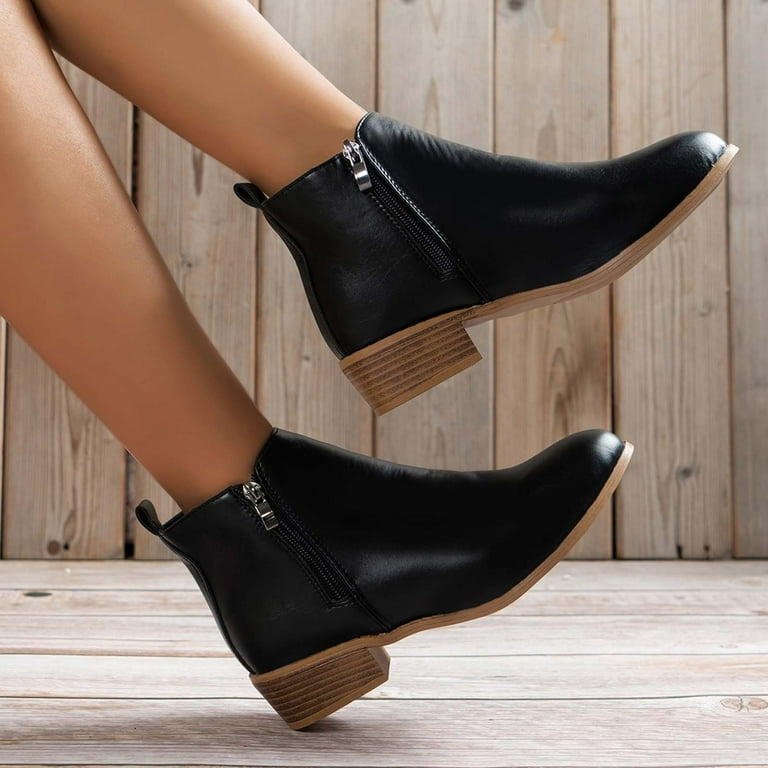
Winter styling with low-heel ankle boots requires a strategic approach focused on insulation and traction. The perception that ankle boots are insufficient for cold climates is a myth dispelled by modern material technology. Look for styles lined with shearling, faux fur, or advanced thermal materials like Thinsulate™, a lightweight insulation certified to retain heat effectively. The science of insulation relies on trapping air, and these linings create a microclimate for your feet. Furthermore, the outsole is paramount. A rubber sole with a defined lug pattern, inspired by hiking boot technology, increases the coefficient of friction on icy or snowy surfaces. From a style perspective, winter is the time to play with volume. Tuck skinny jeans or thermal leggings into sock-style women’s ankle boots low heel for a streamlined look, or pair a chunkier-soled boot with the cuff of your favorite straight-leg jeans. The low heel remains crucial here; it prevents the awkward, precarious walk that higher heels induce on uneven, winter terrain, aligning with principles of safety and practicality. As mountaineering experts often state, stability is the first principle of navigating any challenging environment, and urban winters are no different. Your ankle boots become trusted allies, offering a blend of warmth, security, and undeniable cool that heavy snow boots often lack.
Spring’s Breath of Fresh Air: Lightness and Transition
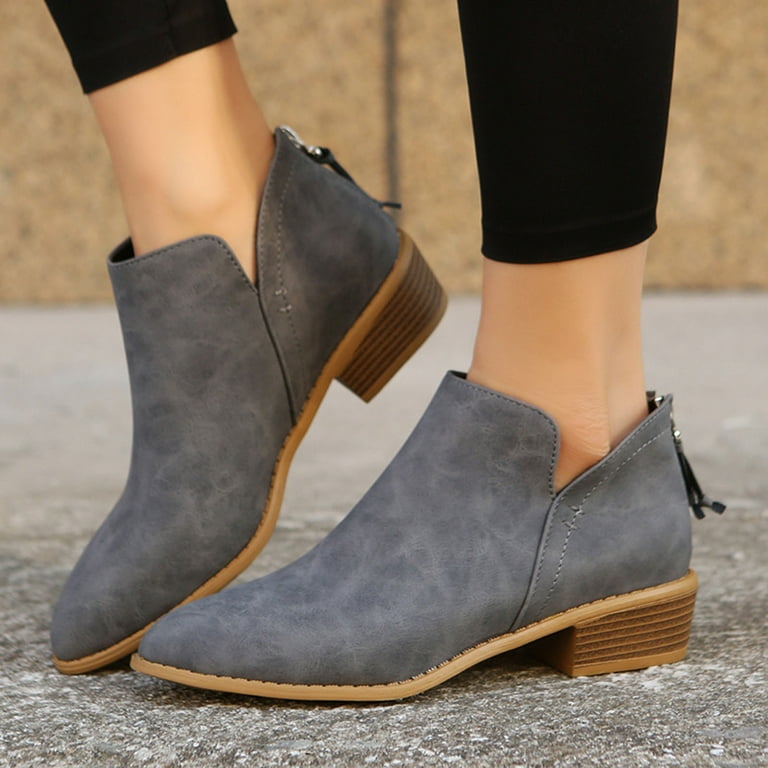
As the world thaws, so does our approach to footwear. Spring calls for women’s ankle boots low heel crafted from lighter materials and in brighter spirits. Suede becomes a beautiful, tactile option, though it requires more care against spring showers. Textiles like canvas or perforated leathers introduce breathability, a key factor in foot comfort as temperatures rise. Podiatry resources, such as those from the University of Michigan Health System, emphasize the importance of breathable materials in preventing moisture buildup and related discomfort. The styling shifts towards renewal. Pair a light-colored ankle boot with floral dresses and a denim jacket, creating a juxtaposition of soft and structured. The low heel allows for all-day wear during weekend outings or transitioning back into a more active social calendar. It’s a season for prints, pastels, and lighter washes, and the ankle boot provides a grounding element that prevents outfits from feeling too ephemeral. Think of them as the sartorial equivalent of a reliable spring jacket—not too heavy, not too light, but perfectly suited for the day’s unpredictable journey. This versatility is why style icons like Olivia Palermo have been photographed season after season leveraging low-heel ankle boots as a spring staple, demonstrating their role in creating polished yet effortless transitional looks.

The Surprising Summer Statement: Counterpoint and Evening Edge
Incorporating ankle boots into summer styling is an advanced move that yields high fashion rewards. The logic is one of deliberate counterpoint. Against the bare skin of shorts, sundresses, or lightweight skirts, a sleek women’s ankle boots low heel creates a compelling tension. It adds an edge, a touch of rock ‘n’ roll cool to the season’s inherent softness. Opt for styles in lighter hues, metallics, or even open-toe or cut-out designs that align with summer’s aesthetic while maintaining the boot’s form. The low heel is non-negotiable here for comfort during warm-weather explorations. From a cultural perspective, this pairing echoes the festival fashion seen at events like Coachella, where practicality meets bohemian expression, and the aesthetic of rock musicians who have long used boots to add grit to any outfit. As designer Rachel Zoe famously stated on her social media, “Style is a way to say who you are without having to speak.” Choosing ankle boots in summer speaks volumes about a confident, rule-bending approach to personal style. They work exceptionally well for summer evenings when the temperature dips slightly, providing more coverage and structure than a sandal while dancing at an outdoor concert or navigating a rooftop bar.
Investing in Versatility: A Guide to Smart Acquisition
Understanding the “why” behind this footwear essential naturally leads to the “how” of acquiring it. Building a capsule collection of low-heel ankle boots is an exercise in intelligent investment. Start with a classic: a black leather ankle boot with a 1.5-inch block heel. This is your wardrobe workhorse. Next, consider a tan or chestnut brown suede option for softer, daytime looks. A third could be a weather-resistant style with traction for winter, and a fourth might be a lighter-colored or textured boot for spring and summer evenings. The professional knowledge here is in the construction. Look for genuine leather uppers for durability, a well-cushioned insole, and a flexible yet grippy rubber sole. Brands often highlight these features in their product descriptions. Now, let’s talk value. While premium brands offer exceptional quality, the market is rich with options. End-of-season sales, outlet stores, and reputable online retailers frequently offer significant discounts on classic styles. Signing up for newsletters from your favorite brands can alert you to flash sales. Remember, cost-per-wear is the ultimate metric. A well-made pair of women’s ankle boots low heel worn across four seasons for multiple years represents tremendous value, far outweighing the temporary appeal of cheaper, trend-driven footwear that lacks versatility and comfort.
The journey through the seasons with low-heel ankle boots reveals a narrative far deeper than mere fashion. It is a story of intelligent design meeting human need, of historical utility transformed into modern elegance. These boots offer a unique synthesis of objective comfort science—from biomechanics to material insulation—and subjective style expression. They empower you to navigate the physical world with stability and the social world with confidence, regardless of the date on the calendar. By choosing wisely and styling thoughtfully, you are not just purchasing a pair of shoes; you are curating a tool for self-expression that stands resilient, versatile, and unequivocally stylish through every turn of the year.
