

How to Wear Womens Low-Heel Ankle Boots for Every Season
Let’s move beyond the idea that footwear is merely functional. The right pair of shoes can define an outfit, shift your posture, and alter your entire day’s perspective. Among the most versatile heroes in a wardrobe is the women’s ankle boots low heel. This isn’t about fleeting trends; it’s about a foundational piece that offers a unique convergence of comfort, style, and adaptability. Unlike their sky-high stiletto counterparts, low-heel ankle boots provide a stable foundation, allowing for all-day wear without sacrificing elegance. Their design bridges the gap between casual sneakers and formal pumps, making them a sartorial chameleon ready for any calendar page. This article will guide you through integrating this indispensable item into your year-round style, proving that practicality and panache are not mutually exclusive.
The Anatomy of Versatility: Why Low-Heel Ankle Boots Work
To understand the power of the women’s ankle boots low heel, we must first dissect its appeal from an objective standpoint. Scientifically, a low heel, typically defined as being between 0.5 to 2 inches, promotes a more natural foot position. According to biomechanics research often cited by institutions like the American Podiatric Medical Association, a modest heel can reduce strain on the Achilles tendon compared to completely flat shoes, while avoiding the excessive pressure on the ball of the foot and the altered center of gravity caused by high heels. This makes them a medically sensible choice for prolonged wear. From a design perspective, the ankle cut is universally flattering. As noted by fashion historians, the ankle boot has roots in both utilitarian workwear and equestrian gear, evolving into a fashion staple that signifies both resilience and refinement. Tim Gunn, the renowned fashion consultant and author, has often emphasized the importance of “style with substance,” a principle embodied by these boots. They offer the polish of a heel without the peril, the structure of a boot without the bulk. This duality is their core strength. Whether crafted from supple leather, sleek suede, or modern synthetic materials, the construction of a good low-heel ankle boot supports the foot, defines the ankle, and seamlessly transitions from season to season, making it a wise investment for any discerning wardrobe.
Spring: A Awakening with Florals and Fresh Cuts
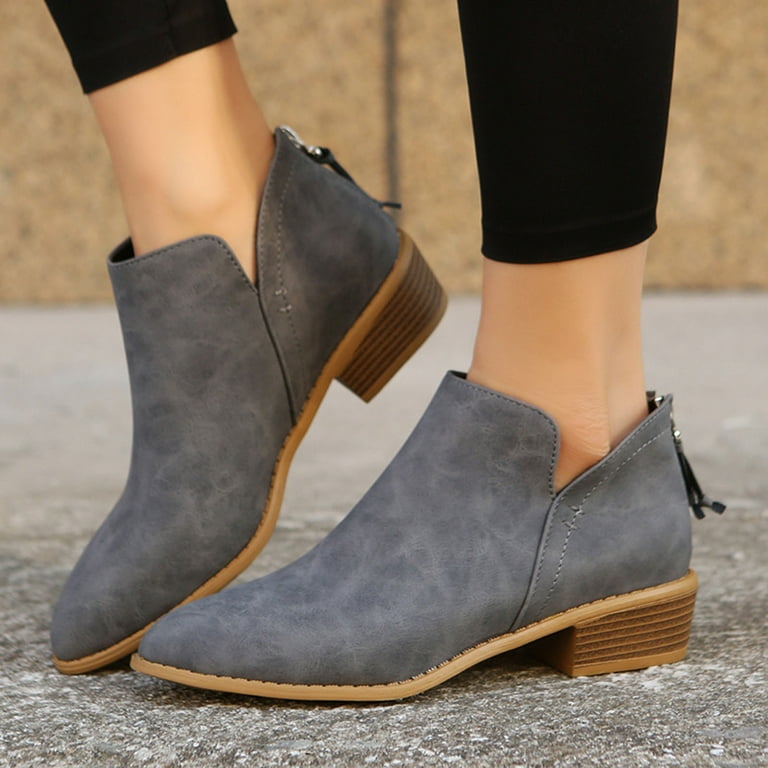
As the frost thaws and blossoms appear, your women’s ankle boots low heel becomes the perfect anchor for transitional dressing. The key in spring is to play with contrasts and lightness. Pair a sleek, black leather low-heel ankle boot with a flowing floral midi dress. The juxtaposition of the grounded, structured boot against the airy, romantic dress creates a balanced and modern look, preventing the outfit from becoming overly saccharine. Alternatively, embrace the classic combination of skinny jeans or tailored cropped trousers tucked into your boots. This elongates the leg line and provides a clean, polished silhouette perfect for a day in the city or a casual weekend brunch. Opt for boots in lighter materials or neutral tones like tan, grey, or even a pastel suede to reflect the season’s palette. A pointed-toe style can add a touch of sophistication, while a rounded toe offers a more relaxed vibe. Remember, spring weather is unpredictable. The closed-toe nature of ankle boots protects your feet from sudden showers and lingering chill, while the low heel ensures you can navigate wet pavements and garden paths with stability and grace. It’s the practical yet stylish solution for a season of change.
Summer: Defying Conventions with Smart Pairings
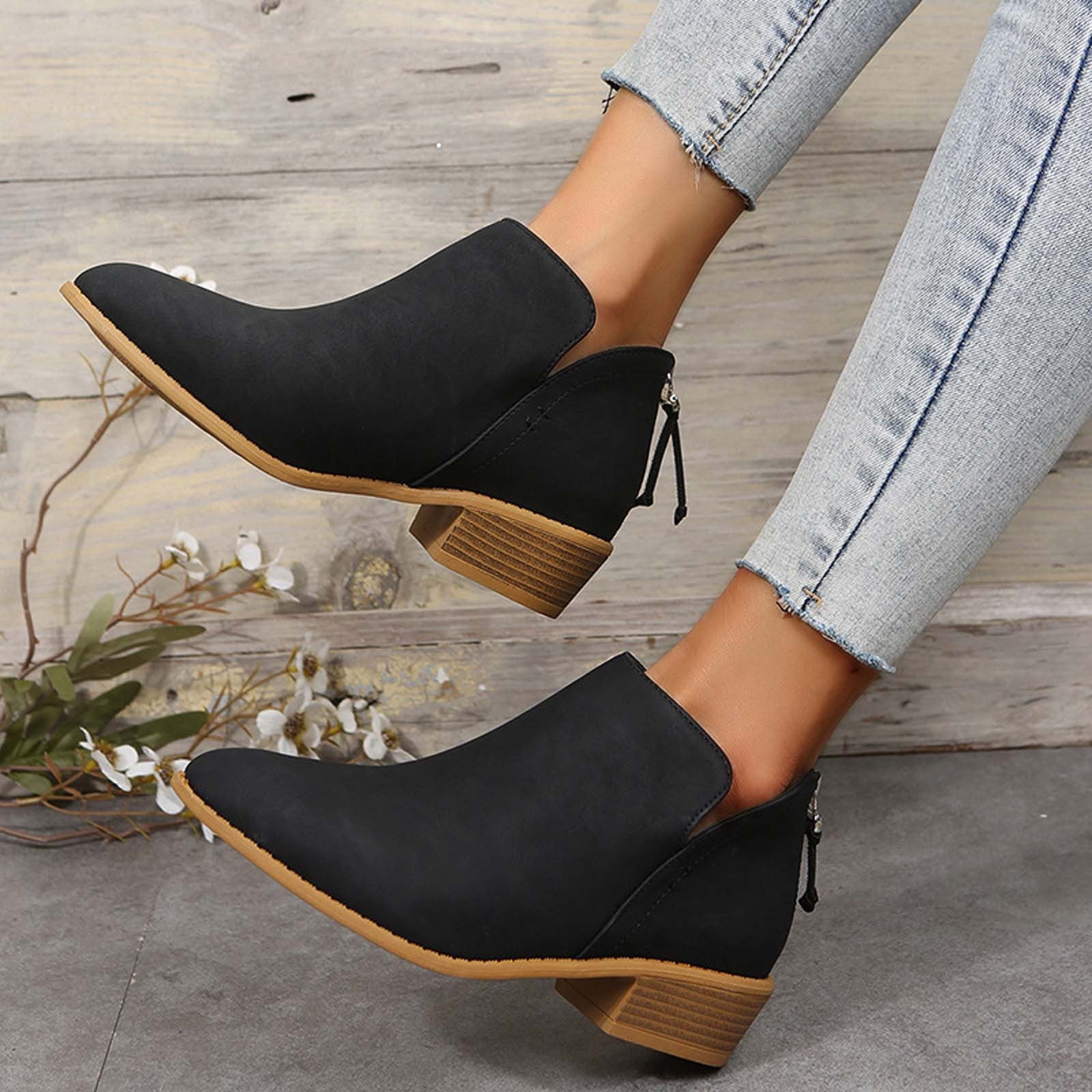
Conventional wisdom might banish boots until fall, but fashion is about intelligent rule-breaking. The secret to wearing women’s ankle boots low heel in summer lies in material and proportion. Seek out styles in perforated leather, breathable fabrics, or even lightweight knit constructions. These allow for air circulation, keeping your feet comfortable. The styling trick is to maximize skin exposure elsewhere. Picture a pair of crisp, white shorts or a mini skirt paired with a simple tank top, finished with sleek, neutral-toned low-heel ankle boots. This combination is a staple in European summer style, offering an edge that sandals cannot. Another winning look is with a sundress; choose a minimalist, structured bootie to contrast with the dress’s softness. The low heel is crucial here—it maintains a casual, effortless feel appropriate for summer evenings, rooftop parties, or a concert in the park. It provides more support and protection than a flat sandal during long summer strolls. As fashion influencer and author Aimee Song often demonstrates on her platforms, juxtaposing seasonal elements creates a more dynamic and personal style. Your ankle boots become a year-round companion, not a storage-box prisoner for half the year.
Autumn: The Natural Habitat for Texture and Layer
Autumn is the season where women’s ankle boots low heel truly come into their own, offering both style and practical defense against the elements. This is the time to embrace rich textures and deep layers. Think of your boots as the foundational element upon which to build your autumnal narrative. Suede ankle boots in burgundy, olive green, or classic brown are quintessential. Pair them with opaque tights and a tweed or wool mini skirt, or with rolled-up boyfriend jeans and a chunky knit sweater. The ankle boot provides a clean finish to layered looks, preventing bulk around the ankle and creating a defined silhouette. For a more professional setting, style a heeled ankle boot with tailored wide-leg trousers that slightly graze the top of the boot—a look frequently seen in collections from designers like Victoria Beckham, who champions powerful, wearable femininity. The low heel ensures comfort during long days, whether you’re navigating leaf-covered paths or moving from the office to an evening event. The boot’s construction also offers protection from autumn winds and early chills, making it as functional as it is fashionable. It’s the workhorse of your fall wardrobe, seamlessly integrating with every item from denim to dresses.

Winter: Practical Elegance Against the Cold
When temperatures plummet, the women’s ankle boots low heel evolves into a bastion of practical elegance. The priority shifts towards insulation and traction without sacrificing style. Look for styles lined with faux fur, wool, or thermal materials. A low, stacked heel or a wedge made of rubber or non-slip material is essential for stability on icy or wet surfaces—a practical consideration backed by safety guidelines from winter cities worldwide. Styling for winter is about smart layering. Tuck your skinny jeans or thermal leggings into your boots to create a seamless, wind-blocking barrier. Pair them with an oversized coat, a chunky scarf, and gloves for a cohesive, cozy look. For a dressier winter outfit, wear your boots with thick, cable-knit tights and a wool dress, topping it off with a long coat. The beauty of the low-heel ankle boot in winter is its ability to transition from a snowy commute to a warm indoor setting without appearing overly utilitarian. As the character of Lorelai Gilmore in Gilmore Girls often showcased, winter style can be witty and warm; her frequent boot choices reflected a need for speed and comfort without forgoing her distinctive charm. Your boots become a trusted ally against the elements, proving that winter dressing can be both defensive and decidedly chic.
Investing in Your Foundation: A Guide to Selection and Care
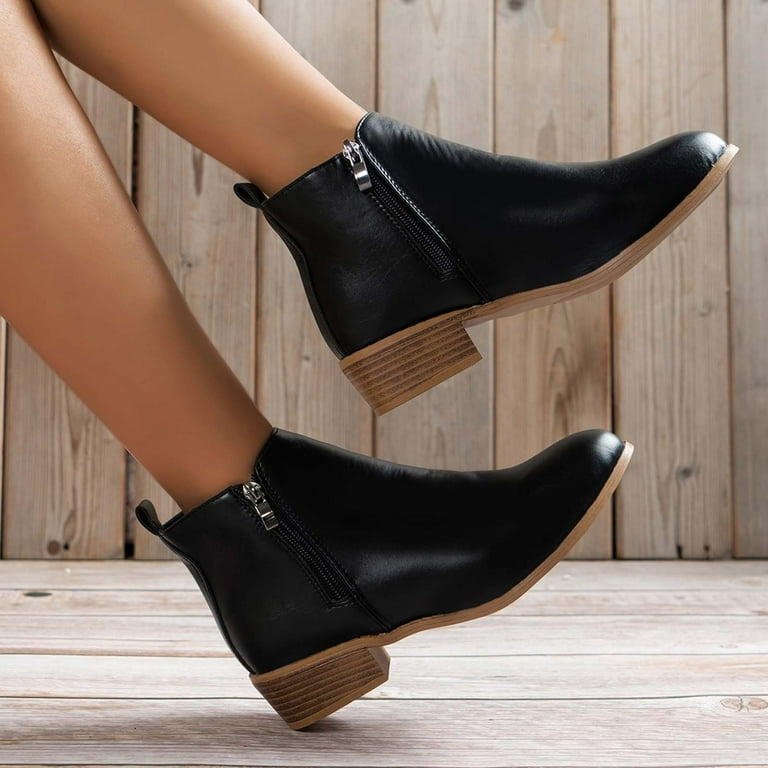
Understanding the “why” and “how to wear” is incomplete without knowing “what to buy.” Investing in a quality pair of women’s ankle boots low heel is an exercise in long-term style economics. Focus on fit first; your boots should hug your heel snugly without pinching your toes. Consider the arch support and insole comfort—brands that incorporate ergonomic design, often highlighted in reviews from sources like the Wall Street Journal’s style columns, are worth the investment. Material matters: full-grain leather and high-quality suede will mold to your foot and last for years with proper care. Versatility in color is key. A black leather boot is a non-negotiable staple, but a neutral tan or grey can be equally transformative. Now, let’s talk value. While premium brands offer exceptional craftsmanship, excellent options exist at accessible price points. Retailers frequently offer seasonal sales, and outlet stores can provide significant discounts on previous season’s styles—which for a classic item like this, is irrelevant. A well-chosen pair of low-heel ankle boots, cared for with regular cleaning and protective sprays, will yield a cost-per-wear that approaches zero, outlasting dozens of trend-driven, disposable fashion purchases. This is where professional knowledge meets smart consumerism: recognizing timeless design and quality construction is the ultimate discount.
The journey through the seasons with a single, steadfast footwear choice reveals a deeper truth about personal style. It’s not about an endless accumulation of items, but about cultivating a curated collection of pieces that work in harmony with your life. The women’s ankle boots low heel stands as a testament to this philosophy. It is the quiet, confident anchor of an outfit, offering a blend of support, style, and seasonal fluency that few other items can match. From the first blooms of spring to the deepest winter frost, it adapts, protects, and elevates. It is less about a conclusion and more about the beginning of a more intentional, versatile, and empowered approach to getting dressed every single day.
