

The Ultimate Guide to Podiatrist-Approved Walking Shoes for Everyday Support
Choosing the right walking shoe is not merely a matter of fashion or casual preference; it is a foundational decision for your long-term musculoskeletal health. Every step you take sends a shockwave through your body, and the shoe you wear is the primary mediator of that force. This guide distills the wisdom of foot health specialists into a clear, actionable resource. We move beyond marketing claims to focus on the structural and biomechanical principles that define a truly supportive walking shoe, empowering you to make an informed choice that supports your feet, your posture, and your active life.
The Non-Negotiable Anatomy of a Supportive Shoe
To understand why a podiatrist recommended walking shoe stands apart, we must first dissect its essential components. A shoe is not a monolithic block but a system of parts working in concert. The heel counter, the rigid cup that cradles your heel bone, is paramount. According to biomechanics literature from institutions like the University of Calgary’s Human Performance Laboratory, a firm heel counter is critical for controlling rearfoot motion, preventing excessive pronation (inward roll) or supination (outward roll) that can lead to conditions like plantar fasciitis or Achilles tendinitis. The midsole, typically made from EVA (ethylene-vinyl acetate) or polyurethane, is the shock absorber. Its density and compression resistance determine how well it cushions and for how long before breaking down. The arch support is not a one-size-fits-all bump; true support conforms to the medial longitudinal arch, a key structural element detailed in anatomical texts, to distribute weight evenly. Finally, the toe box must provide adequate width and height to allow toes to splay naturally upon foot strike, a concept championed by natural movement advocates and supported by podiatric observations of forefoot pathologies like bunions and neuromas when toes are cramped.
:max_bytes(150000):strip_icc()/shp-best-brooks-walking-shoes-tout-f67df3ab5afa4c08a24a63ae6dca3444.jpg)
Decoding Your Gait: The First Step to the Right Shoe
You cannot choose the correct tool without understanding the job. Your gait—your unique walking pattern—is that job. The majority of people exhibit some degree of overpronation, where the ankle rolls inward excessively. Underpronation (or supination) is less common but equally impactful. A simple, though not diagnostic, home test is the “wet foot test”: wet your foot and step onto a piece of cardboard. A full imprint suggests a low arch and a potential need for motion control or stability features. A print with a narrow connection between forefoot and heel suggests a high arch, often requiring more neutral cushioning. However, as noted in discussions from the American Podiatric Medical Association, this is a starting point. For persistent pain or an active lifestyle, a professional gait analysis conducted by a podiatrist or a specialty running store is invaluable. They observe you from multiple angles, often on a treadmill, to see how your hips, knees, and ankles align and move. This analysis directly informs whether you need a podiatrist recommended walking shoe designed for stability, motion control, or neutral cushioning. Ignoring your gait is like prescribing medicine without a diagnosis; you might get lucky, but the risk of exacerbating an issue is high.
Materials Matter: From Uppers to Outsoles
The composition of a shoe dictates its performance, durability, and comfort. Modern uppers have largely moved from heavy leather to engineered meshes and synthetic materials. These provide strategic zones of breathability and support, conforming to the foot without the lengthy break-in period of traditional materials. The importance of breathability is not just about comfort; as per dermatological resources, a moist environment fosters fungal growth like athlete’s foot. The outsole rubber is equally critical. Carbon rubber, found in high-wear areas like the heel, is exceptionally durable but heavier. Blown rubber, often in the forefoot, is lighter and provides better cushioning but wears faster. The pattern of the tread—its lugs and grooves—affects traction. A smooth, flat outsole is insufficient for varied surfaces, while an overly aggressive tread is unnecessary and unstable for pavement. The best podiatrist recommended walking shoe for everyday use will feature a balanced outsole with a slight bevel or rocker in the heel to promote a smooth heel-to-toe transition, reducing strain on the calf and Achilles tendon.
The Hallmarks of Podiatrist-Recommended Brands and Models
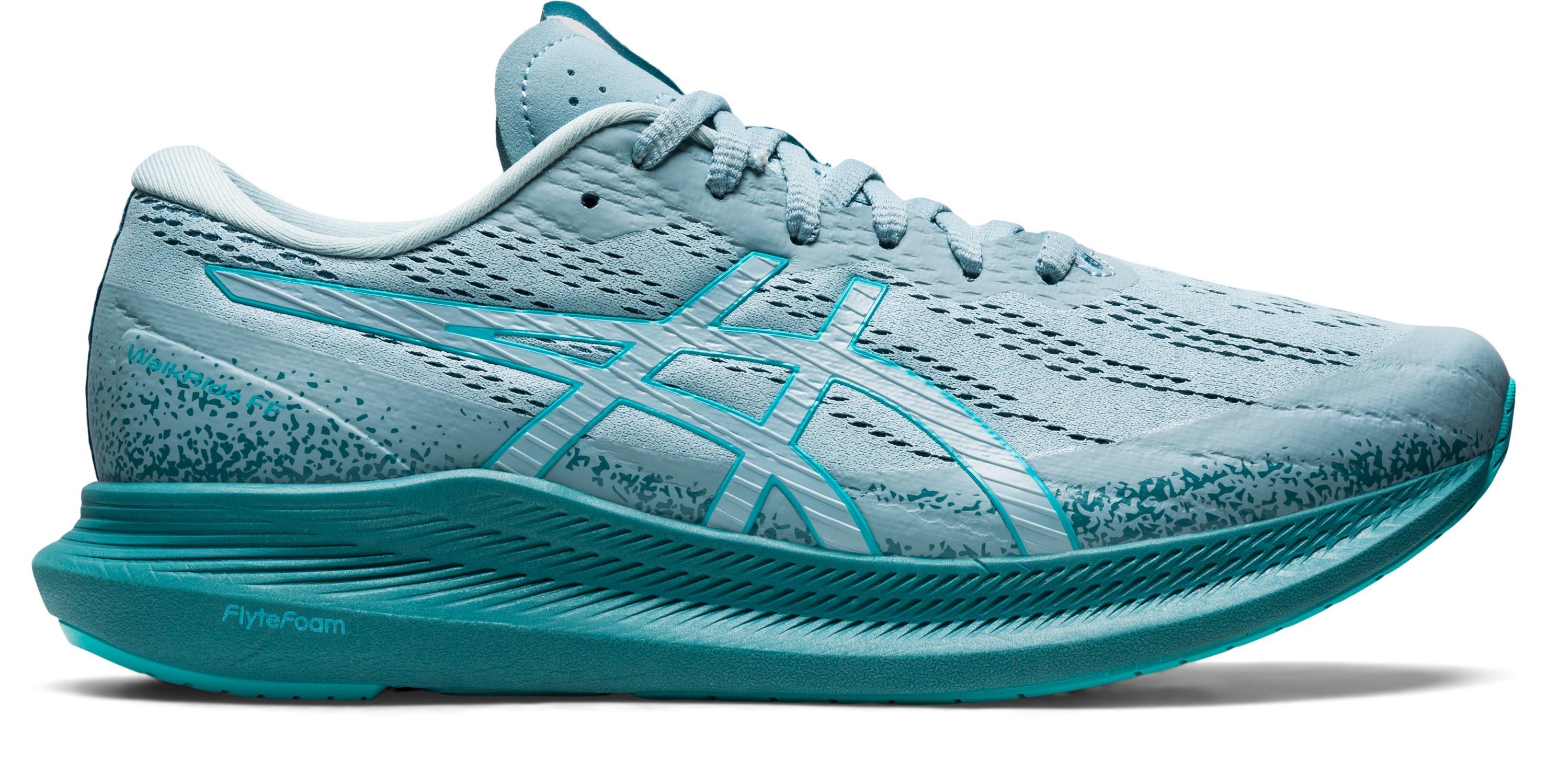
While no single brand holds a monopoly on quality, several have consistently earned the trust of foot care professionals through their commitment to biomechanical research. Brands like Brooks, ASICS, New Balance, Saucony, and HOKA are frequently cited in podiatric forums and articles. Their dedication is evident in features like Brooks’ GuideRails technology, which focuses on holistic knee alignment rather than just foot pronation, or ASICS’ use of gel and foam technologies validated through their Institute of Sport Science. HOKA’s maximalist cushioning, once niche, is now a mainstream recommendation for those needing exceptional shock absorption. It’s crucial to remember that the “best” model is highly individual. A stability workhorse like the Brooks Adrenaline GTS may be perfect for an overpronator but overly restrictive for a neutral walker. This is why the label podiatrist recommended walking shoe refers not to a specific model, but to a category defined by thoughtful construction, quality materials, and a design philosophy rooted in foot health science rather than fleeting trends.
A Note on Style and Versatility
The era of orthopedic shoes being purely functional and aesthetically unappealing is long over. Today’s leading brands seamlessly integrate technical features into designs suitable for the office, travel, or a weekend outing. The rise of “athleisure” has been a boon for foot health, normalizing the wearing of supportive shoes throughout the day. When selecting, look for clean lines and colorways that complement your wardrobe. A great walking shoe should be your go-to, not a device you reluctantly strap on only for exercise. Its versatility is a testament to its good design—it supports you invisibly, allowing you to move through your day with confidence and comfort, free from the distraction of foot pain.
:max_bytes(150000):strip_icc()/I-Asked-Podiatrists-for-Their-Fall-Shoe-Recommendations-These-Are-Their-Top-8-Picks-8fbdf9d65f3a4228ae63f6e5253dc08c.jpg)
Investment and Value: When to Replace Your Shoes
A common mistake is treating walking shoes like durable goods. They are consumable equipment. The midsole foam compresses, the outsole rubber wears smooth, and the upper’s structural integrity weakens. The general rule of 300-500 miles is useful, but visual and sensory cues are more personal. Examine the outsole: is the tread pattern still visible, particularly in the heel strike zone? Press your thumb into the midsole: does it feel resilient or flat and unresponsive? Do you feel new aches in your knees, hips, or back after a routine walk? These are signs the shoe has retired. Investing in a new pair is not an expense; it is a reinvestment in your mobility. To extend the life of your shoes, rotate between two pairs, allowing the foam to fully decompress between wears, and use them only for their intended purpose—walking, not gardening or court sports. The true value of a podiatrist recommended walking shoe is measured not just in its upfront cost, but in the miles of pain-free movement it provides and the potential healthcare costs it helps you avoid.
Taking the Next Step: Fitting and Beyond
Armed with this knowledge, the final and most critical step is the fitting. Always shop in the afternoon or evening, as feet naturally swell throughout the day. Wear the socks you intend to walk in. There should be a thumb’s width of space (about a half-inch) between your longest toe (not always the big toe) and the end of the shoe. The widest part of your foot should align with the widest part of the shoe without feeling pinched. Lace the shoe properly, ensuring a secure hold around the midfoot without cutting off circulation. Walk around the store, on hard surfaces if possible. Trust the feeling over the size number; sizing varies dramatically between brands and even models. Remember, the perfect shoe should feel good immediately. The myth of a lengthy “break-in” period is just that—a myth for well-designed footwear. A proper fit is the final, non-negotiable element that transforms a well-engineered product into your personal tool for health.
Your journey to finding the ideal walking shoe is an act of self-care with profound ripple effects. By prioritizing the structural support and biomechanical alignment that define a true podiatrist recommended walking shoe, you are investing in the foundation of your movement. This choice echoes upward, stabilizing your ankles, easing the load on your knees and hips, and promoting an upright, confident posture. It is a decision that pays dividends with every step you take, turning the simple, essential act of walking into a sustained practice of wellness and vitality.
