

Discover The Top Podiatrist Recommended Walking Shoes For Ultimate Comfort And Support
Walking is one of the most natural human movements, yet when performed in inadequate footwear, it can lead to a cascade of physical discomforts and long-term health issues. The right pair of shoes does more than just cover your feet; they serve as a critical interface between your body and the ground, influencing your gait, posture, and overall musculoskeletal health. This is where the expertise of podiatrists becomes invaluable. These medical professionals specialize in diagnosing and treating conditions of the foot, ankle, and related structures of the leg. Their recommendations are not based on fleeting fashion trends but on biomechanical principles and clinical evidence. When we talk about podiatrist recommended walking shoes, we refer to footwear that has been scrutinized for its ability to provide structural support, cushion impact forces, and promote a natural, healthy walking pattern. The consequences of ignoring such specialized advice can be severe, ranging from plantar fasciitis and Achilles tendonitis to more complex issues like knee and hip misalignment. Therefore, investing in the right footwear is not a luxury but a necessity for anyone who spends a significant portion of their day on their feet, whether for exercise, work, or daily errands.
The Science of Walking and Why Your Shoes Matter
Every step you take is a complex orchestration of biomechanical events. The gait cycle, which consists of the stance phase (when the foot is on the ground) and the swing phase (when the foot is in the air), involves a precise sequence of joint movements and muscle activations. During the heel strike, your foot absorbs a force equivalent to about 1.5 times your body weight, which then travels up through your ankles, knees, hips, and spine. Inadequate footwear can disrupt this natural shock absorption system. For instance, a shoe with insufficient cushioning fails to dissipate these forces, leading to micro-traumas in the joints and soft tissues over time. Conversely, a shoe that is too rigid can restrict the foot’s natural pronation and supination—the inward and outward rolling motion that helps distribute impact forces evenly. According to research from the University of Pittsburgh’s Department of Orthopaedic Surgery, improper foot mechanics exacerbated by poor shoe choice are a leading contributor to overuse injuries in the lower extremities. This scientific understanding forms the foundation upon which podiatrist recommended walking shoes are built. They are engineered to complement the foot’s anatomy, providing support where it’s needed—such as the arch and heel—while allowing flexibility for a natural range of motion. The goal is to create a symbiotic relationship between the foot and the shoe, ensuring that each step is as efficient and pain-free as possible.
:max_bytes(150000):strip_icc()/favorite-walking-shoes-round-up-november-2024-458c3fc0c6844adca7c0a34ebc5cfb9b.jpg)
Key Features to Look For in Podiatrist Approved Footwear
When navigating the vast market of athletic shoes, it’s crucial to distinguish between marketing hype and genuine, functional design. Podiatrists emphasize several non-negotiable features that define high-quality walking shoes. First and foremost is arch support. The arch of the foot acts as a natural shock absorber, and its collapse—a condition known as flat feet or pes planus—can lead to a host of problems. Shoes with well-contoured, firm arch support help maintain the foot’s structural integrity, reducing strain on the plantar fascia ligament. This is particularly vital for individuals with high arches or flat feet, as noted in publications from the American Podiatric Medical Association. Another critical element is heel counter stiffness. The heel counter is the rigid part at the back of the shoe that cradles the heel. A study cited in the Journal of Foot and Ankle Research found that a firm heel counter significantly improves rearfoot stability, preventing excessive side-to-side motion that can cause ankle sprains and instability. Furthermore, the midsole material is paramount. Ethylene-vinyl acetate (EVA) and polyurethane are commonly used for their cushioning properties, but the density and thickness must be balanced to avoid being too soft (which compromises support) or too hard (which reduces comfort). Lastly, the toe box must provide adequate room for the toes to splay naturally during the push-off phase of gait. Cramped toe boxes can lead to deformities like bunions and hammertoes. These features, when combined, create the foundation of any truly effective podiatrist recommended walking shoes, ensuring they protect and enhance your foot health rather than undermine it.
Top Podiatrist Recommended Walking Shoes on the Market Today
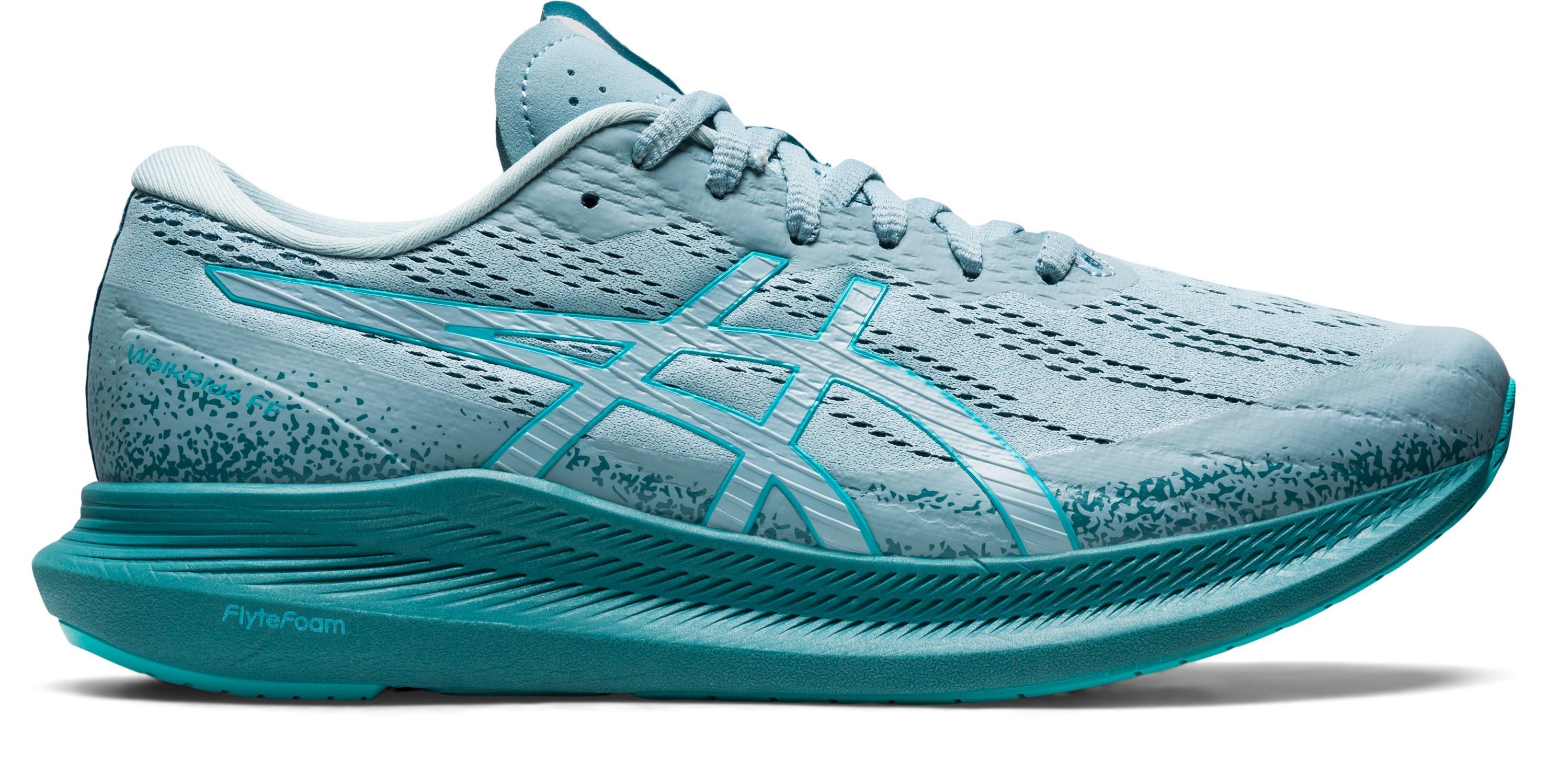
Based on clinical feedback, user reviews, and biomechanical analysis, several brands consistently earn the endorsement of foot specialists. One standout is the ASICS Gel-Kayano series. ASICS incorporates its proprietary GEL cushioning system in the rearfoot and forefoot, which effectively attenuates shock during impact and toe-off. This technology has been validated in studies conducted at the University of Tsukuba in Japan, showing a significant reduction in peak pressure on the sole of the foot. Another highly recommended option is the New Balance 990v5. New Balance is renowned for its extensive range of widths, accommodating everything from narrow to extra-wide feet—a feature podiatrists praise for ensuring a proper fit, which is as important as the shoe’s structural components. The 990v5 features a dual-density collar foam and a sturdy ENCAP midsole that provides durable support and cushioning. For those seeking maximal cushioning, HOKA ONE ONE’s Bondi model is frequently suggested. Its meta-rocker geometry promotes a smooth gait transition from heel strike to toe-off, reducing strain on the calf and Achilles tendon. As Dr. Jacqueline Sutera, a prominent New York City-based podiatrist, stated in an interview with Prevention magazine, “HOKA shoes are like walking on clouds. They are particularly beneficial for people with arthritis, diabetes, or those who stand all day.” These examples represent just a fraction of the excellent podiatrist recommended walking shoes available, each designed to address specific biomechanical needs and lifestyle demands.

How to Properly Fit and Test Your New Walking Shoes
Purchasing the right model is only half the battle; ensuring a perfect fit is the other critical component. A surprising number of people wear shoes that are the wrong size, leading to blisters, calluses, and more serious structural issues. The first rule is to always have your feet measured professionally, and do so at the end of the day when your feet are at their largest due to natural swelling. When trying on shoes, wear the same type of socks you intend to use for walking. There should be about a thumb’s width of space between your longest toe (which isn’t always the big toe) and the end of the shoe. The shoe should feel snug around the heel and midfoot without any slipping, but the forefoot should have ample room to wiggle. Don’t be seduced by the promise of a “break-in period”; high-quality podiatrist recommended walking shoes should feel comfortable from the first step. Once you have them on, perform a few simple tests. Walk on a hard surface to assess the heel-to-toe transition. Check for any pressure points, especially around the ball of the foot and the little toe. It’s also wise to test them on an incline if possible, as this can reveal issues with flexibility and support that aren’t apparent on flat ground. Many specialty running stores offer gait analysis services, which can provide invaluable insights into your walking pattern and help you select the perfect pair. Remember, a shoe that fits correctly is a proactive measure against a multitude of podiatric ailments.
:max_bytes(150000):strip_icc()/podiatrist-recommended-walking-shoes-e1b90077185d4e6cadbf6327c4d17db7.jpg)
Investing in Your Foot Health: Beyond the Initial Purchase
Acquiring a pair of expertly designed walking shoes is a significant first step, but maintaining their protective qualities requires ongoing attention. The cushioning and support materials in shoes degrade over time, typically after 300 to 500 miles of use, even if the exterior still looks new. Continuing to wear worn-out shoes is akin to driving a car with bald tires; the risk of a mishap increases dramatically. To extend the life of your footwear, rotate between two or more pairs if possible. This allows the midsole foam to fully rebound between uses, preserving its elastic properties. Furthermore, the type of insert or insole you use can dramatically enhance the shoe’s performance. While most high-quality podiatrist recommended walking shoes come with excellent stock insoles, some individuals may benefit from custom orthotics prescribed by a podiatrist to address specific biomechanical abnormalities. From a financial perspective, while the initial outlay for premium walking shoes might seem high, it pales in comparison to the cost of ongoing medical treatments for chronic foot pain. Many reputable retailers offer seasonal discounts and loyalty programs, making these essential health tools more accessible. The famous runner and author, Christopher McDougall, in his book Born to Run, explores the fundamental importance of natural movement and proper footwear, suggesting that many modern ailments stem from our disconnection from how our bodies are designed to function. By choosing and maintaining the right shoes, you are not just making a purchase; you are making a long-term investment in your mobility, comfort, and overall quality of life.
Your journey toward pain-free walking begins with a single, informed decision. By prioritizing the criteria set forth by foot health experts and selecting from the array of proven podiatrist recommended walking shoes, you actively participate in preserving your body’s foundational structures. This conscious choice empowers you to walk further, stand longer, and live more fully, free from the limitations imposed by preventable discomfort.
