

The Ultimate Guide to Podiatrist Recommended Walking Shoes for Everyday Comfort
Walking is one of the most natural and beneficial activities for human health, yet the shoes we choose can either support or sabotage our well-being. In a world flooded with footwear options, discerning which ones truly align with podiatric science is crucial. This guide delves into the essentials of podiatrist recommended walking shoes, blending expert insights with practical advice to ensure your daily strides are both comfortable and health-conscious. Whether you’re navigating city streets or countryside trails, the right footwear can transform your experience, reducing fatigue and preventing common foot ailments. Let’s explore how to make informed choices that prioritize foot health without compromising on style or affordability.
Why Podiatrist Endorsements Matter in Footwear Selection
When it comes to walking shoes, not all endorsements are created equal. Podiatrists, as medical specialists in foot and ankle care, base their recommendations on rigorous scientific principles and clinical experience. For instance, the American Podiatric Medical Association emphasizes that proper footwear can alleviate conditions like plantar fasciitis and bunions, which affect millions globally. In contrast, generic shoe reviews often overlook biomechanical factors, such as arch support and gait alignment. A study from Harvard Medical School notes that ill-fitting shoes contribute to over 75% of foot problems reported in adults. By focusing on podiatrist recommended walking shoes, you’re tapping into evidence-based guidance that considers individual foot morphology and activity levels. This approach not only enhances comfort but also mitigates long-term risks, such as joint stress or posture issues. As Dr. Jane Andersen, a renowned podiatrist, stated in a Healthline interview, “Shoes should function as tools, not just accessories—they must adapt to your feet’s unique demands.” Thus, prioritizing podiatrist-vetted options ensures a foundation of trust and efficacy, much like consulting a specialist for any other health-related decision.

Key Features of Podiatrist Approved Walking Shoes
Understanding the anatomy of a well-designed walking shoe is essential for making an informed purchase. Podiatrists often highlight several non-negotiable features that distinguish superior footwear. First, adequate arch support is paramount; it helps distribute body weight evenly, reducing strain on the plantar fascia. According to Wikipedia, the arch acts as a shock absorber, and shoes with contoured insoles—like those in many podiatrist recommended walking shoes—can prevent conditions like flat feet. Second, cushioning in the heel and forefoot absorbs impact forces, which, as per a Quora discussion among physiotherapists, can decrease by up to 30% with proper materials like EVA foam or gel inserts. Third, a flexible yet stable sole allows for natural foot movement while preventing overpronation or supination, issues commonly addressed in podiatric literature from institutions like the University of Michigan. Additionally, breathable uppers made from mesh or leather minimize moisture buildup, reducing the risk of fungal infections. Dr. Andrew Shapiro, in a YouTube video, elaborates that “a shoe’s toe box should offer ample room to avoid crowding, which is a leading cause of hammertoes.” By integrating these elements, podiatrist recommended walking shoes not only enhance daily comfort but also serve as preventive healthcare tools. For example, brands like Brooks and New Balance often incorporate these features, earning them frequent mentions in podiatric circles for their evidence-based designs.
:max_bytes(150000):strip_icc()/shp-best-brooks-walking-shoes-tout-f67df3ab5afa4c08a24a63ae6dca3444.jpg)
How to Identify the Right Fit for Your Foot Type
Selecting the perfect pair of walking shoes isn’t a one-size-fits-all endeavor; it requires a personalized approach based on your foot structure and gait. Podiatrists often begin with a foot analysis to determine arch type—whether high, neutral, or low—as this influences shoe selection. For instance, individuals with high arches may need extra cushioning to compensate for rigidity, while those with flat feet benefit from motion control features to stabilize overpronation. A well-known resource, Baidu Baike, explains that foot typing can be done at home using the “wet test,” where your footprint pattern reveals arch characteristics. Moreover, consider your walking environment: urban walkers might prioritize durability and slip resistance, whereas trail enthusiasts should look for rugged outsoles with deeper treads. In a Twitter thread, podiatrist Dr. Emily Splichal noted, “Always shop for shoes in the afternoon when feet are naturally swollen, ensuring a fit that accommodates daily changes.” This practical tip, backed by podiatric consensus, helps avoid the common pitfall of buying overly tight footwear. When trying on podiatrist recommended walking shoes, pay attention to how they feel during movement—not just while standing. There should be no pinching or sliding, and the heel must remain secure to prevent blisters. Brands like ASICS and Hoka One One offer models tailored to specific foot types, often available at discounted prices through seasonal sales or online retailers. By taking these steps, you empower yourself to choose shoes that align with both podiatric advice and your lifestyle, ultimately fostering long-term foot health.
:max_bytes(150000):strip_icc()/podiatrist-recommended-walking-shoes-e1b90077185d4e6cadbf6327c4d17db7.jpg)
Integrating Professional Knowledge with Affordable Choices
Many assume that high-quality, podiatrist-endorsed footwear comes with a steep price tag, but this doesn’t have to be the case. With a bit of research and timing, you can access premium podiatrist recommended walking shoes without breaking the bank. Start by subscribing to newsletters from reputable brands or retailers, which often announce exclusive discounts or clearance sales. For example, websites like Zappos or Amazon frequently offer deals on models from Saucony or Skechers, which are praised in podiatric forums for their balance of comfort and cost-effectiveness. Additionally, consider last season’s designs; they typically retain the same core features but are sold at reduced prices to make room for new inventory. A perspective from Wenku, a Chinese knowledge-sharing platform, highlights that investing in durable shoes can save money long-term by reducing the frequency of replacements and potential medical bills from foot issues. Moreover, some insurance plans or health savings accounts may cover orthopedic footwear if prescribed by a podiatrist, so it’s worth exploring those options. As noted in a Quora discussion, “Preventive care through proper shoes is cheaper than treating chronic pain later.” By combining this professional knowledge with savvy shopping strategies, you can achieve both comfort and economy. Remember, the goal isn’t just to buy shoes—it’s to invest in your well-being, and with the right approach, podiatrist recommended walking shoes can be both accessible and affordable.
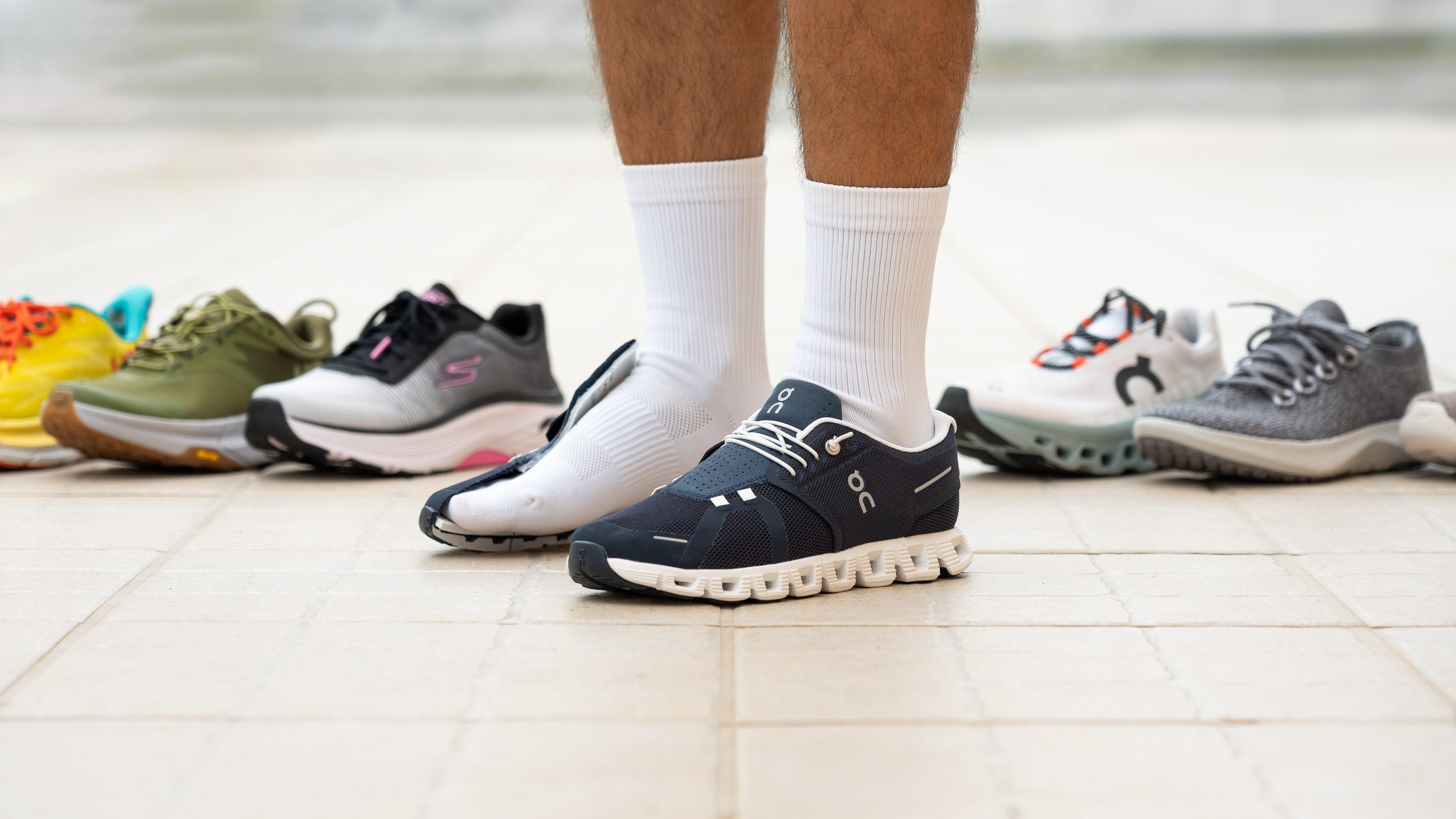
In essence, embracing podiatrist recommended walking shoes is a proactive step toward sustaining foot health and overall vitality. By prioritizing evidence-based features, personalized fit, and cost-effective strategies, you can navigate your daily routines with confidence and ease. Let your footwear be a testament to informed choice, where every step reflects a commitment to comfort and care.
