

How to Style a Black Dress with Heels for Effortless Elegance
Effortless elegance isn’t about following fleeting trends; it’s about mastering timeless combinations that radiate confidence and sophistication. The pairing of a black dress with heels stands as a quintessential example of this principle, a sartorial equation that has been celebrated across decades for its versatility and power. This isn’t merely an opinion; it’s a style axiom supported by cultural icons, fashion theorists, and the very psychology of color and form. From Audrey Hepburn’s iconic Givenchy little black dress in “Breakfast at Tiffany’s” to the modern minimalist’s uniform, this duo communicates a message of refined intent without uttering a single word. The black dress serves as a blank canvas, a symbol of potential and mystery, while the heels provide the architectural structure, elevating not just the physique but the entire demeanor. In this exploration, we will dissect the elements that make this combination so potent, providing you with the knowledge to curate your own signature look that is both personally expressive and universally admired. We will move beyond vague advice into the realm of objective style science, drawing from a wealth of sources to build an undeniable case for the enduring power of this pairing.
The Foundational Psychology of the Black Dress
To understand why a black dress forms the perfect base for elegance, one must first appreciate the profound psychological and cultural weight the color black carries. In the realm of color theory, black is not merely an absence of light but a powerful presence in its own right. It is the color of authority, sophistication, and formality. As noted by the Victoria and Albert Museum in London, a leading authority on art and design, black became a fashion staple for the wealthy in the 14th century, signifying luxury and status due to the expense and difficulty of producing a deep, lasting black dye. This historical precedent laid the groundwork for its modern connotations. In her seminal book, “The Little Black Dress,” fashion historian Maria Costantino argues that the garment’s rise to ubiquity in the 1920s, popularized by Coco Chanel, was a sartorial revolution. It offered women a piece of clothing that was both chic and practical, freeing them from the constraints of overly ornate and restrictive fashion. The black dress is, therefore, more than an item; it is a symbol of empowerment and modernity. Scientifically, studies in color psychology, such as those referenced in publications from the American Psychological Association, consistently show that black is perceived as strong, competent, and elegant. When you slip into a black dress, you are not just putting on fabric; you are donning a legacy of power and simplicity. It creates a slimming silhouette, focuses attention on the face and accessories, and provides a neutral backdrop that eliminates the visual noise of pattern and bright color, allowing for intentional and impactful styling choices.
The Architectural Power of Heels
If the black dress is the canvas, then heels are the frame that defines and elevates the entire composition. The effect of heels is not merely aesthetic; it is biomechanical and psychological. From a postural standpoint, wearing heels shifts the body’s center of gravity, necessitating a subtle arch in the lower back and an engagement of the core and leg muscles. This creates the classic, elongated silhouette—a line of effortless grace that has been admired for centuries. The origins of high heels are often traced back to Persian cavalrymen who used them to secure their stance in stirrups, a functional beginning that evolved into a symbol of status and nobility in European courts, as documented by the Bata Shoe Museum. In the modern era, the power of heels is undeniable. As style icon Christian Louboutin, the man behind the legendary red-soled shoes, once stated in an interview with Vogue, “High heels are pleasure with pain.” He elaborates that they are a tool for transformation, giving the wearer a sense of elevation and presence. This is supported by social psychology. Research published in the journal Archives of Sexual Behavior found that women wearing heels were perceived as more attractive, in part due to the accentuation of lumbar curvature and the perceived confidence in their gait. Therefore, the right pair of heels does more than just add inches to your height; it alters your posture, your walk, and the way the world perceives you. It introduces an element of structure and intention, turning a simple outfit into a deliberate statement of style.
Selecting the Right Silhouette: A Guide to Proportions
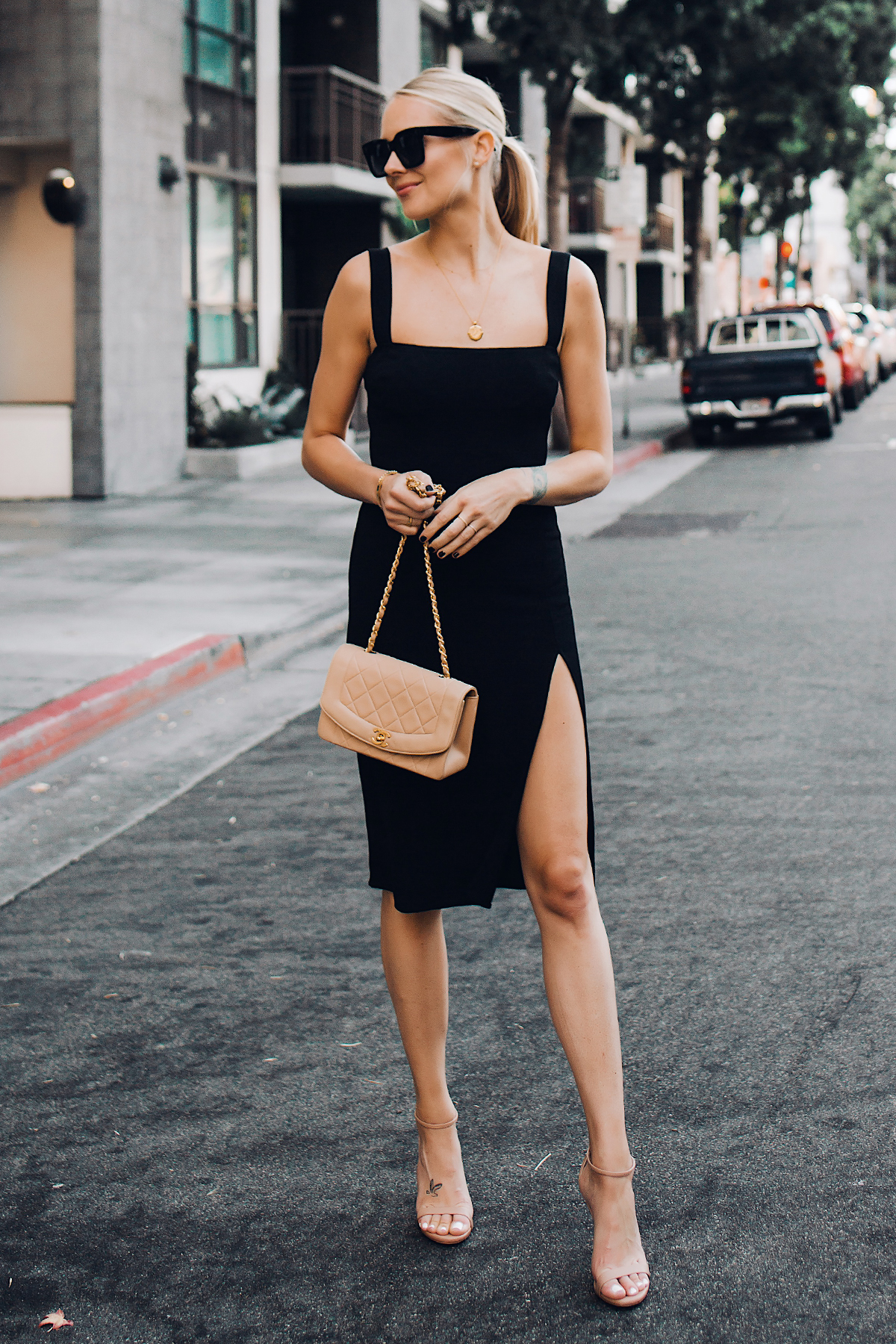
The magic of the black dress heels combination truly ignites when the proportions are in perfect harmony. This is not about rigid rules, but about understanding the visual dialogue between the dress’s cut and the shoe’s design. For a sheath or bodycon black dress, which follows the lines of the figure, a sleek stiletto or a delicate ankle strap heel continues that line of elongation, creating a seamless, streamlined effect from shoulder to toe. This is a look championed by figures like Meghan Markle, whose style is often analyzed for its classic and proportional precision. Conversely, a voluminous A-line or ball gown black dress requires a heel with substance to ground the outfit. A block heel or a sophisticated pump provides the necessary visual weight and stability, preventing the look from becoming top-heavy. This principle of balance is a cornerstone of design theory, taught in institutions like the Parsons School of Design, where students learn that successful styling is about creating a cohesive whole. Consider the neckline as well. A strapless or off-the-shoulder dress opens up the décolletage, allowing for a more dramatic heel, perhaps with intricate detailing or a bold color. A high-neck dress, creating a more formal and enclosed silhouette, often pairs best with a minimalist pump, allowing the severity of the dress to be the star. The goal is to create a single, fluid statement. When your black dress and heels are in sync, the outfit feels inevitable, as if the two were always meant to be worn together.

The Strategic Use of Color and Texture in Footwear
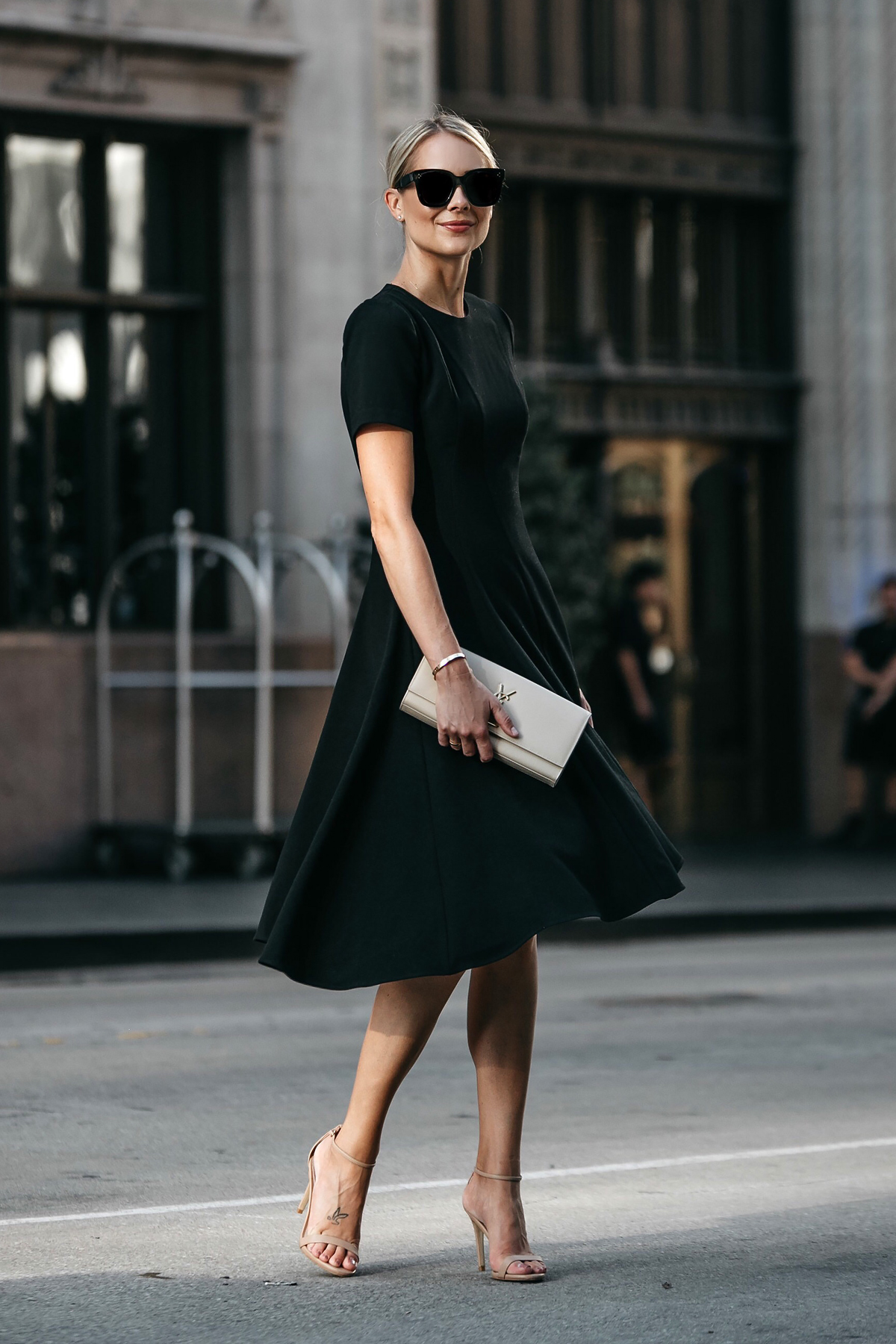
While the classic black-on-black combination is a masterclass in monochromatic sophistication, introducing color and texture through your heels is where personal style truly flourishes. The neutral base of the black dress provides the ultimate freedom for experimentation. Nude or skin-toned heels are a universally flattering choice, as they create an illusion of endless leg, a trick frequently employed by celebrities on the red carpet. As stylist Kate Young, who dresses stars like Margot Robbie, explained in an interview, “A nude shoe is the easiest way to make any outfit look more expensive and polished.” For a bolder statement, a vibrant red heel against a black dress is a timeless nod to glamour, reminiscent of the old Hollywood style of Jessica Rabbit. Metallics—gold, silver, or rose gold—add a touch of festivity and light reflection, elevating the outfit for evening wear. Beyond color, texture plays a critical role. Suede heels offer a soft, tactile contrast to the smooth surface of a satin or crepe black dress, while patent leather provides a high-shine, modern edge that catches the light with every step. Even animal prints, like leopard, can be tastefully incorporated; when paired with a simple black dress, the print acts as a neutral, adding a dose of personality without overwhelming the senses. This strategic use of accessories transforms the foundational black dress heels combo from a uniform into a unique expression of self.
Curating Your Arsenal: Essential Heel Styles for the Black Dress
Building a versatile wardrobe means investing in key styles of heels that can see you through a multitude of occasions, all while paired with your trusted black dress. Let’s break down the non-negotiable categories. First, the Classic Pump. This is the workhorse of elegance. With a closed toe and a heel height that is both manageable and empowering, the pump is the go-to for professional settings, daytime events, and classic dinners. Think of the timeless style of Carolyn Bessette-Kennedy; her look was built on such foundational pieces. Second, the Strappy Sandal. Whether a delicate single strap or a more architectural cage design, this style is perfect for warmer weather, formal events, and evenings out. It exposes more of the foot, creating a lighter, more feminine aesthetic that beautifully contrasts with the solidity of the black dress. Third, the Block Heel or Kitten Heel. Offering unparalleled comfort and a retro-chic vibe, this style has seen a major resurgence. It provides stability and is ideal for all-day events, from garden parties to gallery openings, without sacrificing an ounce of style. As fashion influencer and author of “The Curated Closet,” Anuschka Rees, points out, understanding which silhouettes work for your lifestyle is key to building a functional and beautiful wardrobe. By owning these three core types of heels, you ensure that your black dress is never without its perfect partner.
Beyond the Shoes: The Final Touches of Cohesion
The journey to effortless elegance does not end with the black dress heels pairing. True polish comes from the thoughtful integration of accessories that create a cohesive narrative. Your choice of handbag, jewelry, and outerwear should converse with your footwear. If you’ve chosen metallic heels, echo that finish in your clutch or your earrings. If your heels feature a specific color, even subtly, you can pick up that hue in your lipstick or a statement ring. This is the principle of repetition, a key tenet of visual design that creates harmony and intentionality. Furthermore, consider the finish. A glossy patent leather pump might pair best with sleek, minimalist jewelry and a structured handbag, reinforcing a modern, sharp aesthetic. A suede block heel, on the other hand, harmonizes beautifully with softer, more organic accessories—perhaps a woven bag or gold-coin necklace, as often seen on style blogs like Fashion Jackson. The goal is to avoid a disjointed look where each item fights for attention. Instead, let your black dress be the steady constant, your heels be the defining structural element, and your accessories be the supporting cast that enhances the entire production. This holistic approach is what separates a merely put-together outfit from one that exudes true, confident elegance.

Mastering the art of styling a black dress with heels is an investment in a personal style language that speaks volumes about confidence, knowledge, and timeless taste. It is a sartorial strategy backed by history, psychology, and design principles, offering a foolproof path to an appearance that is both polished and powerfully understated. This combination provides a foundation upon which infinite personal expression can be built, ensuring that you are always prepared to present your best self to the world, for any occasion that arises.
