

The Walking Shoe: Your Secret to Effortless Style and All-Day Comfort
Imagine a shoe that disappears on your foot—not in a literal sense, but one that so perfectly marries support, cushioning, and style that you forget it’s there, freeing you to move through your day with unthinking ease. This isn’t a fantasy; it’s the precise promise of the modern walking shoe. For too long, we’ve accepted a false dichotomy: shoes that look good sacrifice comfort, and shoes that feel good lack aesthetic appeal. That era is over. Today’s footwear technology and design philosophy have converged to create a category of shoe that is as much a tool for wellness as it is a cornerstone of personal style. The right pair doesn’t just carry you; it elevates your posture, aligns your stride, and becomes a silent, reliable partner in everything from your morning commute to an impromptu evening stroll. This article is a deep dive into why the specialized walking shoe is a non-negotiable element of a conscious lifestyle, dissecting the science of comfort, the principles of versatile design, and how to select the pair that will transform your daily experience.
The Anatomy of All-Day Comfort: It’s More Than Just Soft
Comfort in footwear is a complex, multi-system engineering feat, not merely the presence of a plush insole. True all-day comfort arises from a harmonious interplay between cushioning, stability, and fit. Let’s start with cushioning. Modern midsoles utilize advanced polymers like EVA (Ethylene-Vinyl Acetate) foam, polyurethane, and proprietary compounds such as Adidas’s Boost or Brooks’s DNA LOFT. These materials are engineered not just for softness, but for energy return. As Dr. Casey Kerrigan, a former Harvard Medical School professor and founder of a biomechanics-focused footwear company, has often highlighted, the goal is to manage the impact forces of walking—which can be 1.2 to 1.5 times your body weight with each step—while also propelling you forward efficiently. A shoe that’s too soft can cause your foot to sink and destabilize, leading to muscle fatigue. Conversely, a shoe that’s too firm transmits shock directly to your joints. The sweet spot is a responsive cushion that absorbs and then releases energy. Next is stability, governed by the shoe’s last (its shape) and its support structures. A good walking shoe will often feature a heel counter—a firm cup that cradles the heel bone to prevent excessive inward rolling (overpronation) or outward rolling (supination). This alignment is critical. As noted in resources from the American Podiatric Medical Association, improper alignment during the gait cycle is a primary contributor to issues like plantar fasciitis, shin splints, and knee pain. Finally, fit is paramount. Your foot swells throughout the day and expands under load during walking. A proper fit accounts for this, with adequate space in the toe box (about a thumbnail’s width from your longest toe to the end of the shoe) and a secure, non-binding hold through the midfoot and heel. This tripartite system—adaptive cushioning, intelligent stability, and dynamic fit—forms the unshakeable foundation of a shoe designed for enduring comfort.
From Clinic to Street: The Evolution of a Lifestyle Essential
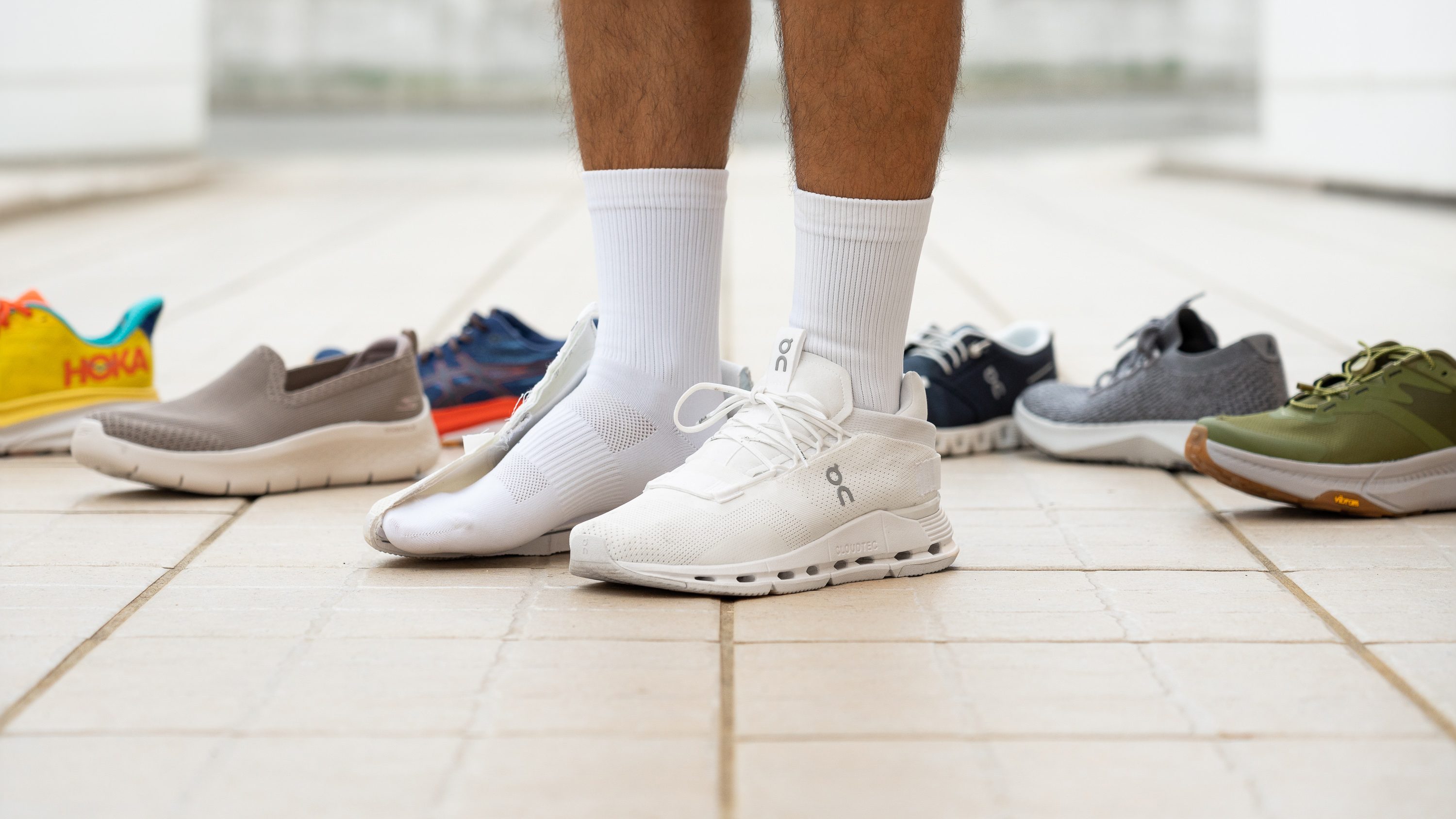
The journey of the walking shoe from a purely medical or athletic device to a lifestyle staple is a fascinating study in design democratization. Historically, shoes designed for optimal foot health were often clinical-looking, relegated to the realm of orthopedics. Meanwhile, mainstream fashion footwear frequently prioritized form over function, leading to what some experts decry as a public health issue. The shift began in earnest with the running boom of the 1970s, which introduced consumers to the concepts of technical performance. Brands like Nike, New Balance, and ASICS poured research into biomechanics. This knowledge eventually trickled down to walking-specific models. The real revolution, however, came in the last 15 years with the “athleisure” trend. This wasn’t merely about wearing sweatpants in public; it was a philosophical shift championed by figures like yoga instructor turned fashion influencer, who advocated for clothing that supported an active, fluid lifestyle. Suddenly, the technical features of a performance shoe—mesh uppers for breathability, articulated outsoles for flexibility, memory foam collars for ankle comfort—became desirable aesthetic signatures. Websites like Wirecutter and Runner’s World began publishing rigorous buying guides for “everyday walkers,” applying the same testing criteria to shoes meant for the urban jungle as for the track. This cultural convergence means that today’s best walking shoes are born from laboratory-grade research but finished with a designer’s eye for color, texture, and silhouette. They are built on lasts that accommodate the natural splay of the foot, use seamless linings to prevent irritation, and offer colorways that work with jeans, chinos, or even casual office wear. They prove that scientific integrity and style are not mutually exclusive but are, in fact, the defining characteristic of modern intelligent design.
The Style Equation: Versatility as a Design Principle
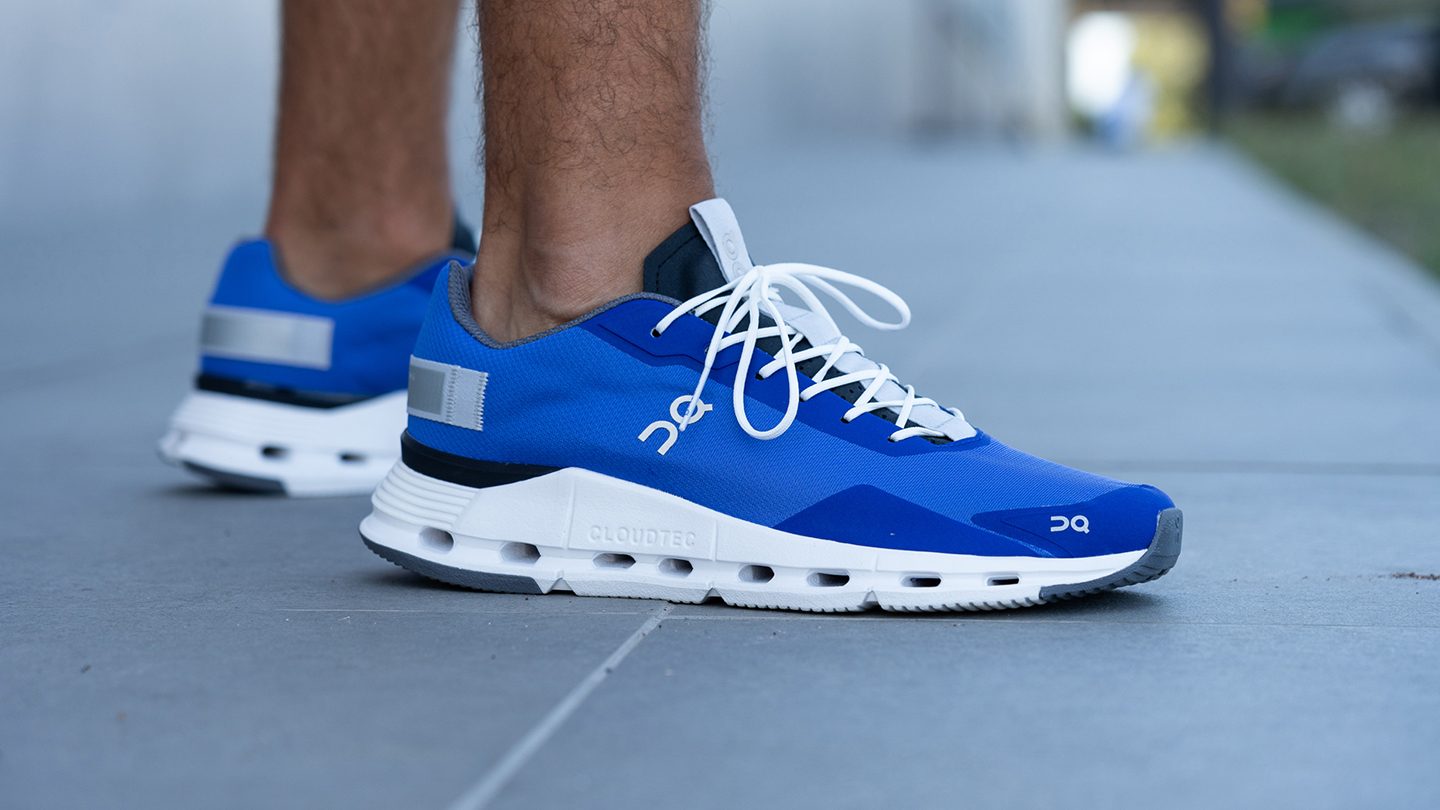
What constitutes a stylish shoe in the context of all-day wear? The answer is versatility. A truly stylish walking shoe possesses a design language that is intentionally neutral, sophisticated, and detail-oriented, allowing it to transcend specific “outfit” categories. Consider the minimalist sneaker trend, exemplified by brands like Cole Haan or certain models from ECCO. These shoes often feature clean leather or knit uppers, reduced logos, and a low-profile sole unit that doesn’t scream “athletic.” They employ what interior designers call the “quiet luxury” principle—quality evident in materials and construction, not overt branding. This philosophy is echoed in the words of renowned designer Tinker Hatfield, the mind behind many iconic Nike silhouettes, who once said, “Design must reflect the practical and aesthetic in business but above all… good design must primarily serve people.” A versatile walking shoe serves the person by moving seamlessly from context to context. The color palette is key: tones like charcoal grey, navy, off-white, or olive green act as anchors, complementing rather than competing with your wardrobe. The materials tell a story: a premium suede, a technical knit that adapts to temperature, or water-resistant coatings that add practical luxury. Furthermore, the silhouette should be streamlined. A bulky, overly technical look can anchor an outfit to a solely casual realm. The modern hybrid walking shoe often borrows the sleekness of a court shoe or the elegance of a driving loafer, integrating the comfort technology invisibly. This is where your choice becomes a secret weapon. While others may be compromising their comfort for fashion or their style for comfort, you are equipped with a single pair that delivers both, enabling a cohesive and confident presence from a day of meetings to an evening out. This effortless adaptability is the pinnacle of functional style.

Making the Investment: A Guide to Your Perfect Pair
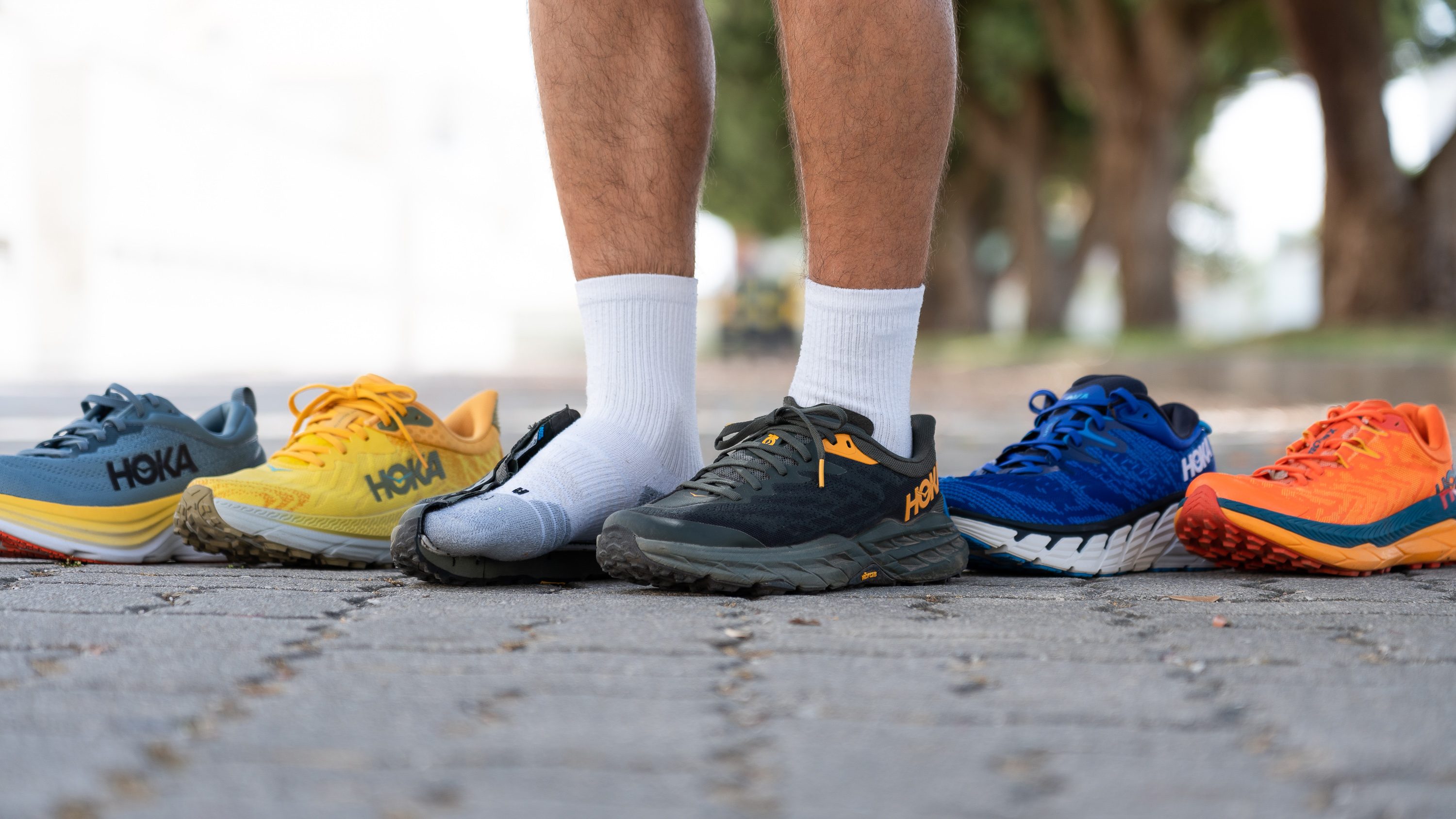
Selecting your ideal walking shoe is a personal process, but guided by a few universal principles, it becomes a rewarding investment in your daily well-being. First, know your gait and foot type. This isn’t as daunting as it sounds. Many specialty running stores offer free gait analysis. Alternatively, a simple home test involves looking at the wear pattern on an old pair of shoes or examining your wet footprint on a flat surface. A flat, full footprint may indicate a low arch (potentially needing more stability), while a footprint showing mostly the ball and heel with a thin connecting line suggests a high arch (often needing more cushioning). Second, prioritize the feel at the moment of walking, not just standing. When you try shoes on later in the day (when feet are naturally more swollen), wear the socks you intend to use and take a serious walk around the store. The heel should lock in place without slippage, the arch should feel supported but not intrusive, and your toes should have room to wiggle freely without hitting the end. Third, consider the primary terrain. Are you mostly on paved city streets, or do your walks include park trails? A shoe with a more rugged, lugged outsole offers better grip on variable surfaces, while a smoother, more flexible sole is ideal for concrete and asphalt. Finally, don’t be seduced by trends alone. A shoe that’s popular on social media may not suit your unique biomechanics. Trust brands with a proven heritage in footwear science—like Brooks, Hoka, ASICS, or New Balance—who have decades of research and athlete feedback informing their designs. Their core technologies are often adapted directly from their elite running lines into their walking and lifestyle models, meaning you’re getting proven, peer-reviewed performance engineering.
The Unseen Return on Investment: Health, Posture, and Mindset
The benefits of a proper walking shoe extend far beyond avoiding blisters. This is an investment in your systemic health. Biomechanically, a well-supported shoe promotes a more natural and efficient gait. This reduces compensatory movements that can lead to strain in the ankles, knees, hips, and even the lower back. Think of it as preventive maintenance for your body’s most fundamental transportation system. Furthermore, good footwear can improve posture. When your foundation is stable and comfortable, you’re less likely to slump or adopt awkward standing positions to relieve pressure. There’s also a significant psychological component. The concept of “enclothed cognition”—the systematic influence that clothes have on the wearer’s psychological processes, as studied by researchers like Hajo Adam and Adam D. Galinsky—applies powerfully to shoes. When you are physically comfortable and feel put-together, your confidence and mindset are positively affected. You are more likely to choose to walk that extra block, to stand a little taller in a conversation, to feel equipped to handle the day’s demands. In this sense, the right walking shoe acts as a catalyst for a more active, engaged, and positive lifestyle. It removes the barrier of discomfort that so often leads us to choose sedentary options. The return isn’t measured in miles alone, but in the quality of movement and the elevation of daily experience.
Where Performance Meets Value: Smart Shopping in a Technical Market
Navigating the market for high-performance walking shoes can seem overwhelming, with prices ranging from moderate to premium. The key is to understand what you’re paying for and how to access it intelligently. The cost of a premium walking shoe reflects intensive research and development, high-grade materials (like carbon rubber outsoles for durability or proprietary foam compounds for longevity), and often more sophisticated construction methods, such as seamless uppers or embedded guidance systems. However, exceptional value can be found. First, look to previous seasons’ models. Shoe technology evolves incrementally. Last year’s top-tier model from a major brand will offer 95% of the performance of the newest version at a significantly reduced price, as retailers clear inventory. Second, consider direct-to-consumer brands or models from brands like Skechers with their Performance Division, which often incorporate excellent technologies like memory foam and lightweight stability features at accessible price points. Third, utilize reputable review aggregators and expert sites. Resources like RunRepeat provide deep-dive, scientific analyses of shoe components, durability, and value-for-money scores, helping you cut through marketing hype. They often feature direct price comparisons across retailers. Remember, the most expensive shoe is not automatically the best for you. A $80 shoe that perfectly fits your foot and gait pattern is a vastly better investment than a $160 shoe that doesn’t. The goal is to acquire professional-grade knowledge—understanding terms like “heel-to-toe drop,” “midsole stack height,” and “upper lockdown”—to make an empowered decision. This knowledge allows you to identify which premium features are essential for your needs and where you can economize without sacrificing core comfort or support, ensuring your investment delivers maximum daily dividends.
The pursuit of the perfect walking shoe is, in essence, the pursuit of a more seamless and empowered life. It is a rejection of the notion that we must choose between caring for our bodies and expressing our personal style. By understanding the science of comfort, appreciating the design evolution that brought performance to the streets, and making an informed choice based on your unique physiology and lifestyle, you unlock a simple yet profound upgrade to your daily routine. The right shoe waits not as a piece of gear, but as a ready ally, designed to disappear beneath you and carry you forward, in comfort and style, wherever your day leads.
