

The Ultimate Guide to Stylish and Supportive Tennis Shoes for Walking
For years, the quest for the perfect walking shoe has led many down a path of specialized, often bulky, footwear. Yet, a revolution is quietly underway on pavements and park trails worldwide. The humble tennis shoes for walking has emerged not as a compromise, but as a superior fusion of athletic heritage and ergonomic design. This guide isn’t about settling; it’s about discovering how the structural intelligence born on the court can elevate your everyday stride to new levels of comfort, support, and undeniable style.
The Anatomical Advantage: Why Tennis Shoes Work for Walking
To understand the efficacy of tennis shoes for walking, one must first dissect their design philosophy. Unlike running shoes, which are engineered for forward motion, tennis involves multi-directional movement—lateral cuts, quick stops, and explosive sprints. This demands a shoe with exceptional medial and lateral support. According to biomechanics literature from institutions like the University of Calgary’s Human Performance Laboratory, this focus on stabilizing the foot during side-to-side motion directly translates to walking stability, especially on uneven urban terrain. The outsole of a quality tennis shoe often features a herringbone or modified tread pattern, offering superior grip that prevents slippage on everything from polished floors to damp sidewalks. Furthermore, the midsole cushioning, while responsive, is typically firmer than that of a maximalist running shoe. This firmness, as noted in podiatric analyses, provides a stable platform that reduces excessive foot roll (overpronation or supination), a common culprit behind walking-related fatigue and joint stress. In essence, the tennis shoe is built as a fortress for the foot, a principle that serves the walker impeccably.
Decoding the Elements: Cushioning, Support, and Breathability
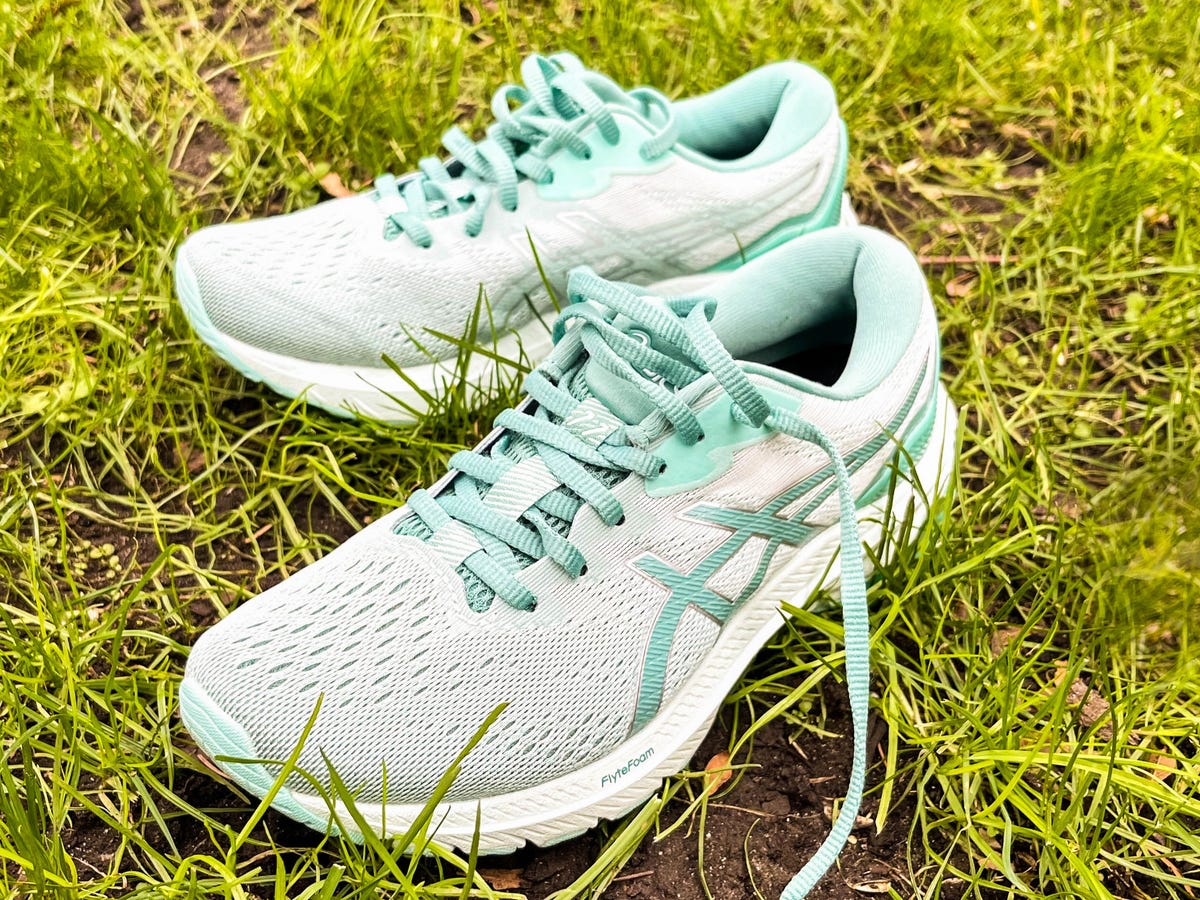
Choosing the right pair of tennis shoes for walking requires moving beyond aesthetics and into the realm of technical specifications. Let’s break down the core elements. First, cushioning technology varies widely. Brands like ASICS utilize GEL™ cushioning systems, which are silicone-based pads placed in the rearfoot and forefoot to absorb shock. This technology, derived from decades of research in impact attenuation, is exceptionally effective for walkers as it dissipates the repetitive force of heel-strike. Conversely, Adidas often employs BOOST™ foam, which offers continuous energy return with every step, creating a propulsive feeling that can make long walks feel less taxing. Second, consider the support structure. Look for features like a reinforced heel counter—the rigid cup at the back of the shoe. A study cited by the American Podiatric Medical Association emphasizes that a firm heel counter is critical for controlling rearfoot motion, ensuring your heel doesn’t wobble with each step. Third, breathability is non-negotiable. Modern uppers made from engineered mesh, like those found in many Nike models, allow for air circulation while maintaining structural integrity. As celebrity trainer Harley Pasternak has noted on his YouTube channel, proper ventilation is key to preventing moisture buildup, which can lead to blisters and discomfort during extended wear. When these elements coalesce, you have a shoe that doesn’t just carry you, but actively enhances your biomechanical efficiency.
Style Meets Substance: The Aesthetic Evolution
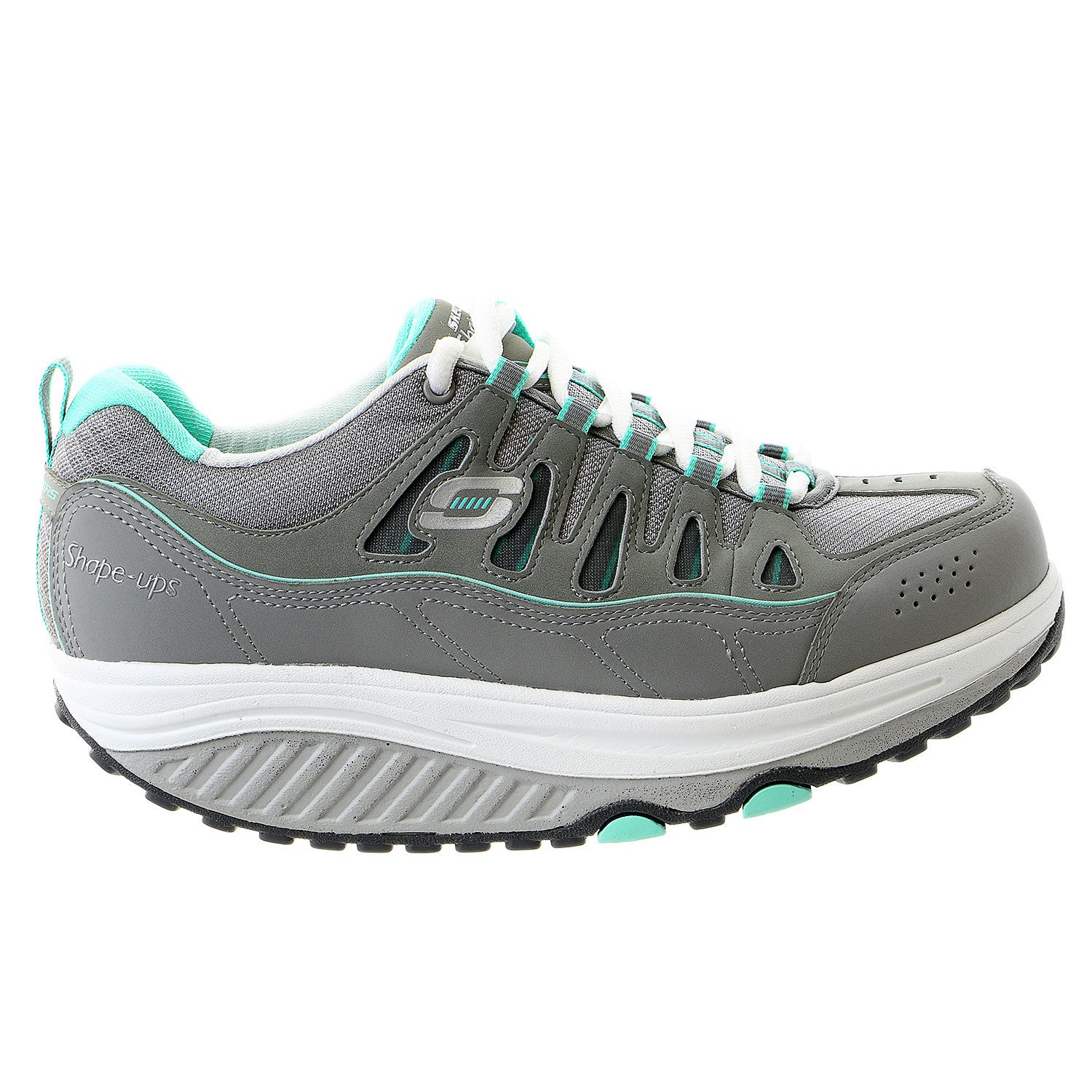
Gone are the days when performance footwear was synonymous with garish colors and clunky silhouettes. The modern iteration of tennis shoes for walking sits at the thrilling intersection of high fashion and high function. This is no accident. Designers have tapped into a cultural shift, exemplified by the “athleisure” trend, where the lines between gym wear and everyday attire are beautifully blurred. Brands like K-Swiss and Superga have built legacies on classic, clean tennis silhouettes that are as at home with jeans as they are with athletic shorts. The iconic white leather tennis shoe, a staple since the days of court legends, has been reimagined with contemporary materials and color-blocking. This aesthetic appeal is psychologically powerful. As fashion psychologist Dr. Dawnn Karen explores in her work, what we wear significantly impacts our motivation and mood. Choosing a stylish, supportive shoe can transform a mundane walk into a confident, intentional part of your day. It’s the difference between feeling like you’re wearing medical equipment and feeling like you’re wearing a piece of designed apparel that happens to revolutionize your comfort.
Making the Investment: Longevity and Value
A common misconception is that all athletic shoes are created equal and should be replaced at the same interval. However, the durable construction of a good pair of tennis shoes for walking often offers greater longevity. The outsole rubber compounds, such as Adidas’ Adiwear or Michelin-branded rubber in some styles, are formulated for high-abrasion surfaces, meaning they resist wearing down on concrete far better than a soft running shoe sole might. While the general recommendation is to replace walking shoes every 300-500 miles, a well-constructed tennis shoe may reach the upper end of that spectrum while maintaining its supportive properties. This durability translates to direct value. Consider this: investing in a $120 pair of shoes that lasts for 500 miles has a cost-per-mile of $0.24. A cheaper, $60 pair that breaks down or loses support at 250 miles has an identical cost-per-mile but may have caused discomfort or even injury in its latter life. The real value lies in consistent protection for your feet, knees, and back. As renowned physiotherapist Bob Schrupp often states on his popular social media channels, “Your shoes are the foundation of your movement. Don’t build your house on a cheap foundation.”
:max_bytes(150000):strip_icc()/vwt-walking-shoes-test-ryka-devotion-x-sahara-borja-02-18807b688fbb49e4ba30a3ee438600cb.jpeg)
A Curated Selection: Where to Begin Your Search
Overwhelmed by choice? Let’s narrow the field with some standout categories. For those seeking maximum cushioning, the ASICS Gel-Resolution series is a benchmark, offering plush comfort without sacrificing the stable platform walkers need. If lightweight responsiveness is your goal, the Nike Court Lite series combines a breathable upper with a low-profile, yet cushioned, feel. For individuals requiring pronounced arch support, brands like K-Swiss often incorporate supportive footbridges and dual-density midsoles that cradle the foot. And let’s not forget sustainability; brands like Allbirds have entered the court-inspired space with shoes made from natural materials like merino wool and sugarcane-based foam, offering a compelling eco-conscious option. Remember, the best shoe is the one that fits your foot perfectly. Always try shoes on in the afternoon when your feet are naturally slightly swollen, wear the socks you intend to walk in, and prioritize a thumb’s width of space in the toe box. This isn’t just about buying a product; it’s about selecting a partner for your journey.

The narrative that walking requires a singular, specialized type of footwear is being elegantly rewritten. The modern tennis shoes for walking represents a paradigm where decades of sports science, material innovation, and design intelligence converge to serve a fundamental human activity. It offers a proposition that is both simple and profound: you do not have to choose between looking good and feeling supported. Your daily walk, whether a purposeful commute or a leisurely exploration, deserves a foundation that is as stylish as it is scientifically sound. Step into this new standard, and feel the difference with every stride you take.
