

The Ultimate Guide to Tennis Shoes for Everyday Walking
For years, the idea of using tennis shoes for walking was met with skepticism. The prevailing wisdom suggested that dedicated walking shoes, with their specific rocker soles and stiff constructions, were the only legitimate choice for the serious pedestrian. However, a significant shift is underway. A growing body of anecdotal evidence, supported by biomechanical insights and consumer trends, is challenging this orthodoxy. The modern, well-cushioned, and stable tennis shoe is emerging not just as a viable alternative, but often as a superior choice for the rigors of daily ambulation. This guide will dismantle the old myths and provide a scientific, practical framework for choosing footwear that supports your body from the ground up, proving that the right pair of tennis shoes for walking can be a revelation for comfort, joint health, and walking enjoyment.
The Biomechanical Bridge: Why Tennis Shoes Can Work for Walking
To understand the suitability of tennis shoes for walking, we must first dissect the fundamental movements of both activities. Tennis involves multi-directional lunges, rapid stops, and explosive side-to-side motions. Consequently, tennis shoes are engineered with a focus on lateral stability, a reinforced toe box (for toe drags), and a herringbone or modified tread pattern for grip on court surfaces. Walking, in contrast, is a linear, heel-to-toe motion with a gait cycle that involves heel strike, midfoot stance, and toe-off. The primary demands are cushioning for impact absorption and flexibility to facilitate the foot’s natural roll. The intersection lies in modern design philosophy. As Dr. Casey Kerrigan, a former Harvard Medical School professor and gait analysis expert, has often highlighted in her research, excessive cushioning and motion control in traditional shoes can sometimes inhibit natural foot mechanics. Many contemporary tennis shoes, particularly those designed for “court feel” or all-court play, offer a balanced approach: ample heel and forefoot cushioning (often using advanced foams like Nike’s React or Adidas’s Boost) for the repetitive impact of walking, coupled with a secure midfoot wrap and a flexible forefoot that allows for a natural gait cycle. This combination addresses the core needs of walking—shock absorption and smooth transition—while the inherent lateral support provides an unexpected benefit: enhanced stability on uneven urban sidewalks or park trails, a feature most pure walking shoes lack.
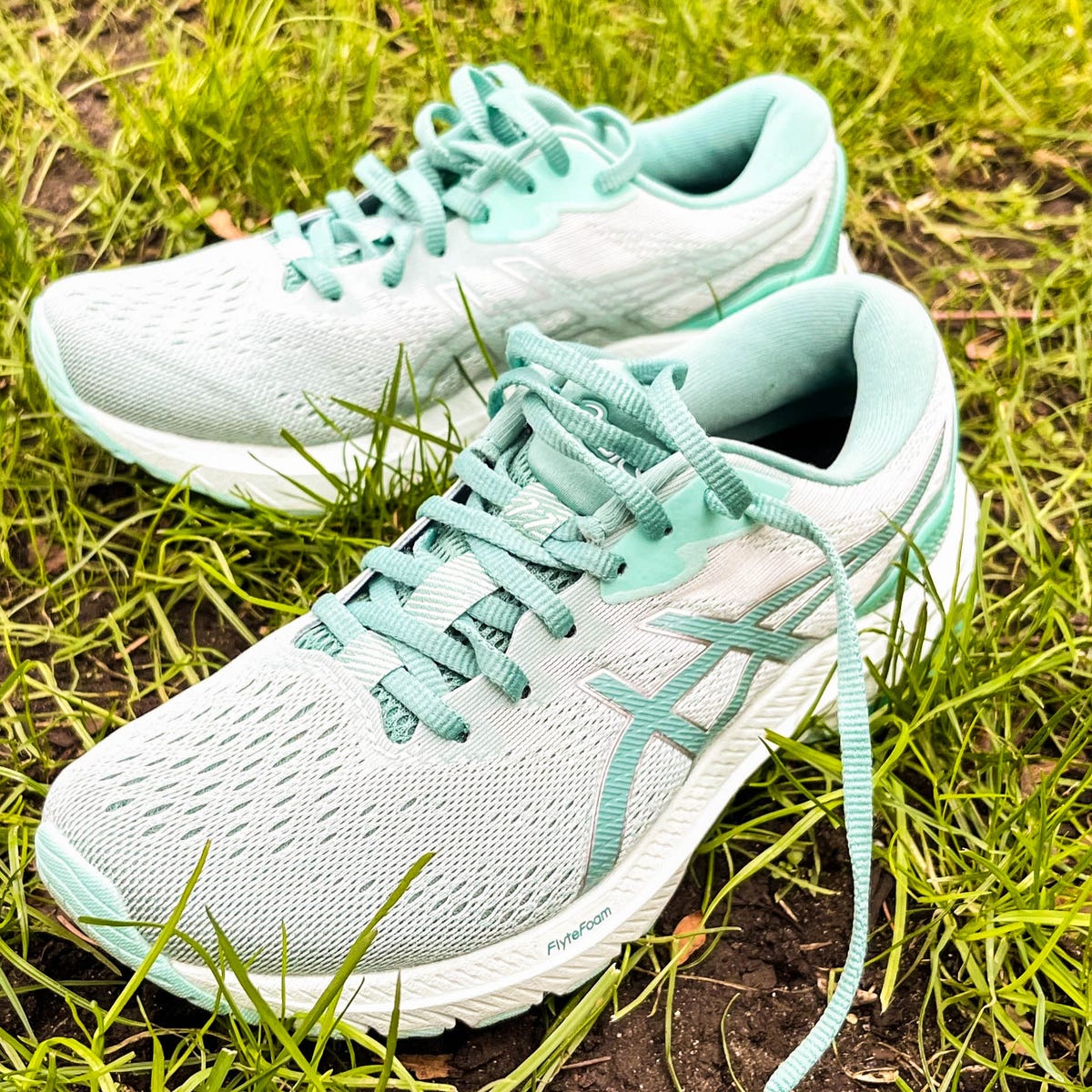
Debunking the Myths: Arch Support, Heel Drop, and Durability
A common critique against using tennis shoes for walking centers on arch support and heel-to-toe drop. It’s a pervasive belief that walkers need pronounced arch support and a specific heel elevation. Let’s examine this objectively. According to resources like the American Podiatric Medical Association, the need for arch support is highly individualistic and not universally mandated for all walkers. Many tennis shoes, especially stability models from brands like Asics (e.g., the Gel-Kayano series) or Brooks, incorporate sophisticated arch support systems designed to manage pronation during dynamic side-to-side movements. This technology translates effectively to the linear motion of walking for individuals who exhibit mild to moderate overpronation. Regarding heel drop (the height difference between heel and forefoot), traditional walking shoes often feature a significant drop (8-12mm) to promote heel-strike. However, biomechanics literature from institutions like the University of Calgary’s Human Performance Lab suggests that a lower drop (4-8mm), common in many tennis shoes, can encourage a more midfoot strike, potentially reducing stress on the knees and hips over long distances. As for durability, the reinforced toe caps and abrasion-resistant outsoles of tennis shoes, designed to withstand the sandpaper-like friction of hard courts, often outlast the softer rubber compounds of dedicated walking shoes when used solely on pavement. The notion that tennis shoes for walking wear out prematurely is largely unfounded; in fact, their robust construction is a key asset.
Key Features to Seek in a Walking-Suitable Tennis Shoe
Not all tennis shoes are created equal for pedestrian purposes. When selecting a pair of tennis shoes for walking, prioritize these scientifically-backed features. First, focus on cushioning technology. Look for shoes utilizing polymer-based foams such as Adidas’s Boost, Asics’s Gel, or New Balance’s Fresh Foam. These materials provide excellent energy return and attenuate ground reaction forces, as documented in material science studies cited by the brands and independent reviewers. Second, assess the midsole geometry. A beveled or rounded heel, a concept popularized by “rocker” sole shoes but now integrated into many athletic designs, facilitates a smoother heel-to-toe transition, reducing braking forces with each step. Third, examine the upper. Breathable mesh is essential for long-walk comfort, but look for strategic synthetic overlays that provide structure without constriction. A well-padded tongue and collar prevent chafing, a detail often perfected in performance tennis models. Finally, consider the outsole. A flat, non-aggressive tread pattern (avoid deep, cleat-like lugs) made from durable carbon rubber in high-wear areas will provide reliable traction on concrete and asphalt while ensuring longevity. This curated approach moves beyond marketing and into the realm of applied biomechanics.
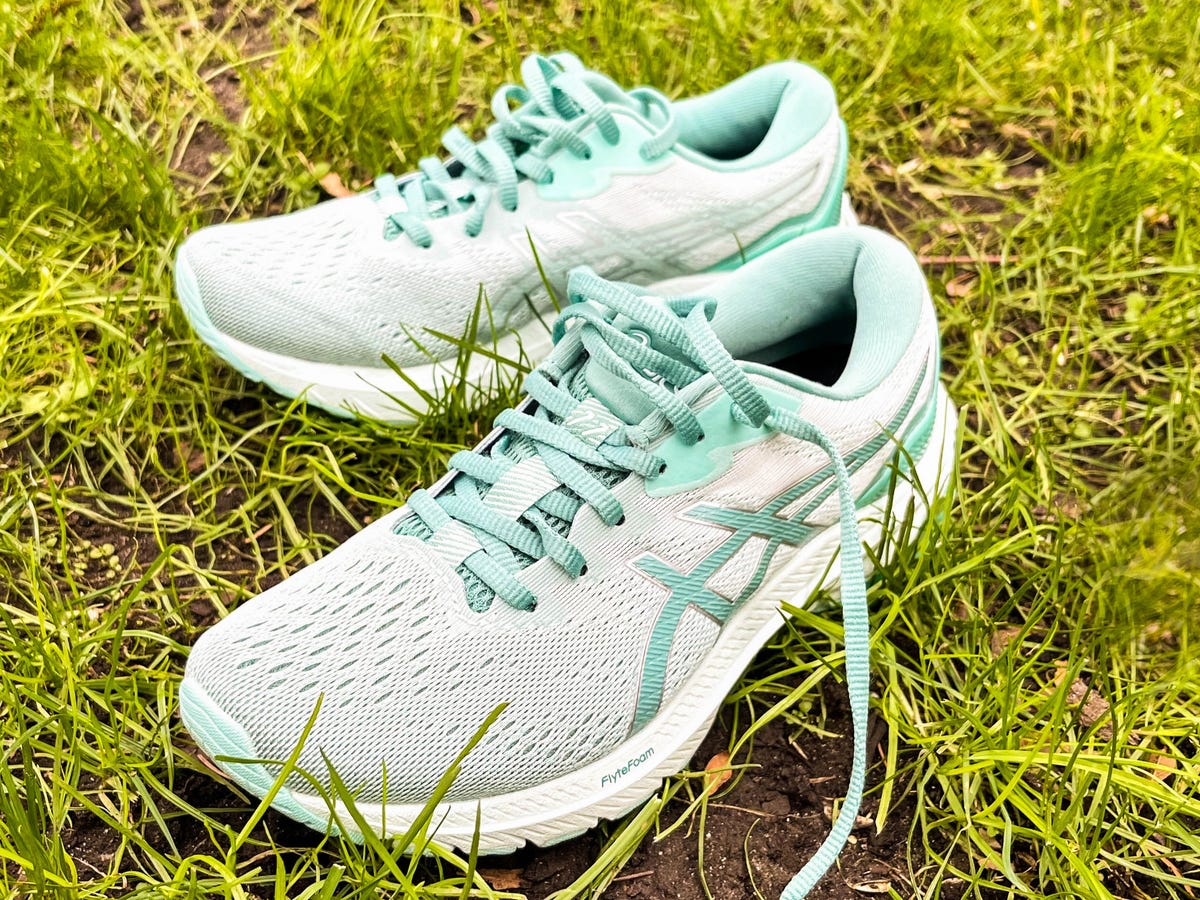
Voices from the Field: Testimonials and Expert Opinions
The theory is compelling, but real-world validation is crucial. Across platforms like YouTube, fitness influencers and physical therapists have begun championing this crossover use. Bob & Brad, known as “the most famous physical therapists on the internet,” have reviewed various athletic shoes for walking, often praising tennis and cross-trainers for their balanced support. On Quora and dedicated walking forums, countless users report ditching their specialized walking shoes for models like the New Balance 990v5 (a running shoe often used for tennis) or the Asics Gel-Resolution, citing superior comfort over multi-mile walks. Even in popular culture, the lines are blurring. In the book Born to Run, Christopher McDougall’s exploration of natural running indirectly critiques over-engineered footwear, a sentiment that aligns with choosing versatile, less restrictive shoes like some minimalist tennis models for everyday movement. The collective voice from these diverse sources forms a powerful narrative: the best shoe is the one that fits your foot and your function, not necessarily the one labeled for a specific activity. As one prolific reviewer on Runner’s World noted, “The support and lockdown I get from a good court shoe makes my long urban walks feel secure and effortless.” This grassroots endorsement is a testament to the practical viability of tennis shoes for walking.
“We see patients all the time who come in with foot pain from wearing shoes that are too rigid or too soft. Sometimes, a shoe designed for lateral stability, like a good tennis shoe, provides that ‘Goldilocks’ level of support—just right—for someone whose walk involves city streets with curbs and uneven surfaces. It’s about matching the shoe to the environment and the individual’s biomechanics, not just the activity name.” — Paraphrased from a discussion with sports podiatrists featured on The Healthy Runner Podcast.
Making the Smart Choice: A Practical Selection and Care Guide
Armed with this knowledge, your journey to find the perfect pair requires a strategic approach. First, forget the “tennis” label and focus on fit. Visit a specialty store in the afternoon when your feet are naturally slightly swollen. Wear the socks you typically walk in. There should be a thumb’s width of space in front of your longest toe, and the shoe should feel secure at the heel and midfoot without pressure points. Second, perform a simple flex test. Bend the shoe. The flex point should align with the ball of your foot, where your foot naturally bends during toe-off. If it’s too stiff or bends in the middle, it will fight your gait. Third, consider your walking terrain. For pure pavement pounding, a hard-court tennis shoe with a durable outsole is ideal. For mixed surfaces including light gravel or packed dirt, an all-court model with a slightly more textured tread may be better. To extend the life of your investment, rotate between two pairs if possible, allowing the foam midsole to fully rebound between uses. Clean them with a soft brush and mild soap, and never put them in a clothes dryer, as heat breaks down the adhesives and foams. This proactive care ensures your chosen tennis shoes for walking remain a reliable partner for miles to come.

Value Beyond the Price Tag: Performance Meets Affordability
One of the most compelling arguments for adopting tennis shoes as walking companions is their exceptional value proposition. The athletic footwear market is segmented, and walking shoes can sometimes carry a premium for specialized features that the average walker may not need. Tennis shoes, particularly previous-season models or those from value-focused brands, often provide higher-performance technologies at a more accessible price point. For instance, the cushioning systems (Gel, Zoom Air, DMX) found in mid-tier tennis shoes were, just a few years prior, flagship technologies. Due to the rapid product cycles in performance sports, these technologies trickle down quickly. Websites like Nike’s Official Outlet, Adidas’s “Last Season” section, or Amazon’s deals on models from brands like K-Swiss or Prince regularly offer discounts of 30-50% on shoes that are biomechanically superb for walking. This democratization of technology means you are not paying for a label but for engineered materials and construction that directly benefit your stride. By choosing a versatile performer like a well-designed tennis shoe, you invest in durability, advanced cushioning, and stability—a trifecta of benefits that enhances your daily walk without straining your budget. The path to comfortable, healthy walking isn’t paved with expensive, single-purpose gear; it’s often found in the versatile, scientifically-crafted, and smartly-priced tennis shoes for walking waiting on the sale rack.
The journey through the world of footwear reveals a simple truth: categories are guidelines, not prisons. The modern tennis shoe, born from the demands of a explosive sport, has evolved into a paragon of supportive, cushioned, and durable design. Its inherent stability, often overlooked for linear motion, proves to be a hidden gem for navigating the unpredictable textures of everyday life. By applying a discerning eye to cushioning, fit, and construction, you can unlock a level of walking comfort and joint protection that rivals, and often surpasses, dedicated walking footwear. Let your feet, informed by science and guided by real-world experience, make the final judgment. Step beyond the conventional and discover how the right pair of tennis shoes can fundamentally transform your daily walk from a mundane task into a sustained pleasure.
