

The Walking Shoe: Your Secret to Effortless Style and All-Day Comfort
Forget the notion that comfort and style exist in separate realms. The true secret to navigating modern life with grace and ease lies not in a fleeting trend, but in a foundational choice: the walking shoe. This is not merely about footwear; it’s about a philosophy of movement. The right pair of walking shoes is the unsung hero of your daily ensemble, a tool that empowers you to move through your world—from bustling city streets to serene park paths—without a second thought to discomfort. It’s the cornerstone of a confident stride, blending biomechanical support with aesthetic sensibility to create a sense of effortless style that lasts from morning until night. Let’s explore how this essential item transcends its basic function to become the most pivotal element in your curated wardrobe.
The Anatomy of All-Day Comfort: Beyond the Insole
Comfort in a walking shoe is a symphony of engineering, not a single note. It begins with biomechanics, the study of the structure and function of biological systems through mechanics. According to literature from Stanford University’s Biomechanics Division, proper footwear can significantly reduce the ground reaction forces traveling up the kinetic chain with each step, mitigating stress on joints. A true walking shoe addresses this through a trifecta of features: a heel-to-toe drop that promotes a natural gait cycle, a flexible forefoot that allows for the foot’s natural flexion during toe-off, and a heel counter that stabilizes the rearfoot to prevent excessive pronation or supination. The midsole, often crafted from advanced materials like EVA (ethylene-vinyl acetate) foam or proprietary compounds such as Brooks’ DNA LOFT or ASICS’ GEL, is the true workhorse. These materials are scientifically designed to absorb shock and return energy, a concept supported by research into viscoelastic polymers. Furthermore, the upper’s construction—its breathability, seam placement, and use of adaptive, stretch materials—dictates the microclimate around your foot. As noted on authoritative health platforms like WebMD, improper fit and lack of ventilation are primary contributors to common foot ailments. Therefore, the walking shoe is a holistic system, where every component, from the outsole’s rubber compound for durability and traction to the arch support’s contour, works in concert to create an environment where your feet can thrive over miles and hours, not just minutes.
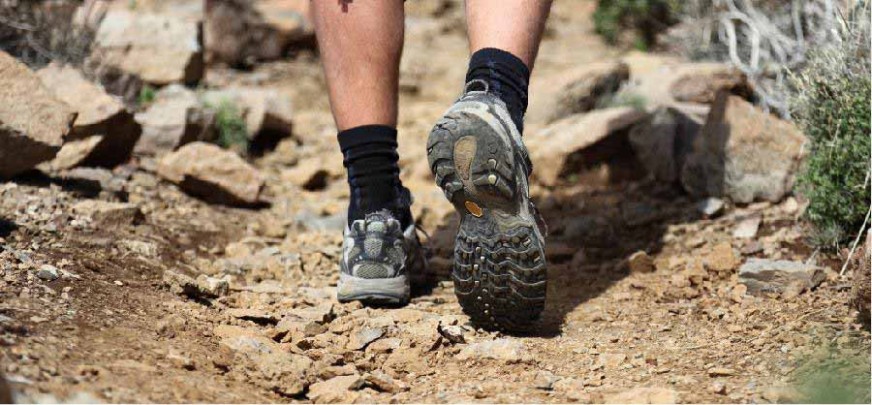
Effortless Style: When Form Meets Function with Intention
The concept of “effortless style” is often misconstrued as carelessness, when in reality, it is the pinnacle of considered design. In footwear, this means a silhouette that complements rather than competes with your attire. The modern walking shoe has undergone a quiet revolution, shedding the bulky, purely technical look of the past. Designers now draw inspiration from minimalist aesthetics, classic sneaker profiles, and even tailoring details to create shoes that transition seamlessly from a morning walk to a casual meeting or a day of exploration. This evolution mirrors a broader cultural shift noted by fashion commentators on platforms like The Cut or GQ, where the boundaries between activewear and ready-to-wear have fundamentally blurred. A sleek, monochromatic trainer in premium suede or a knit fabric can anchor a pair of tailored trousers or a midi dress with surprising elegance. The style lies in the clean lines, the thoughtful color palette—often leaning towards neutrals, earth tones, or sophisticated monochromes—and the absence of overt, logos. It’s a shoe that doesn’t shout but rather, whispers quality and intention. This intentional design allows the walking shoe to become a versatile staple, reducing decision fatigue and building a capsule wardrobe around pieces that are both beautiful and profoundly usable. The style is effortless because the shoe itself does the hard work of being adaptable, durable, and inherently well-proportioned.
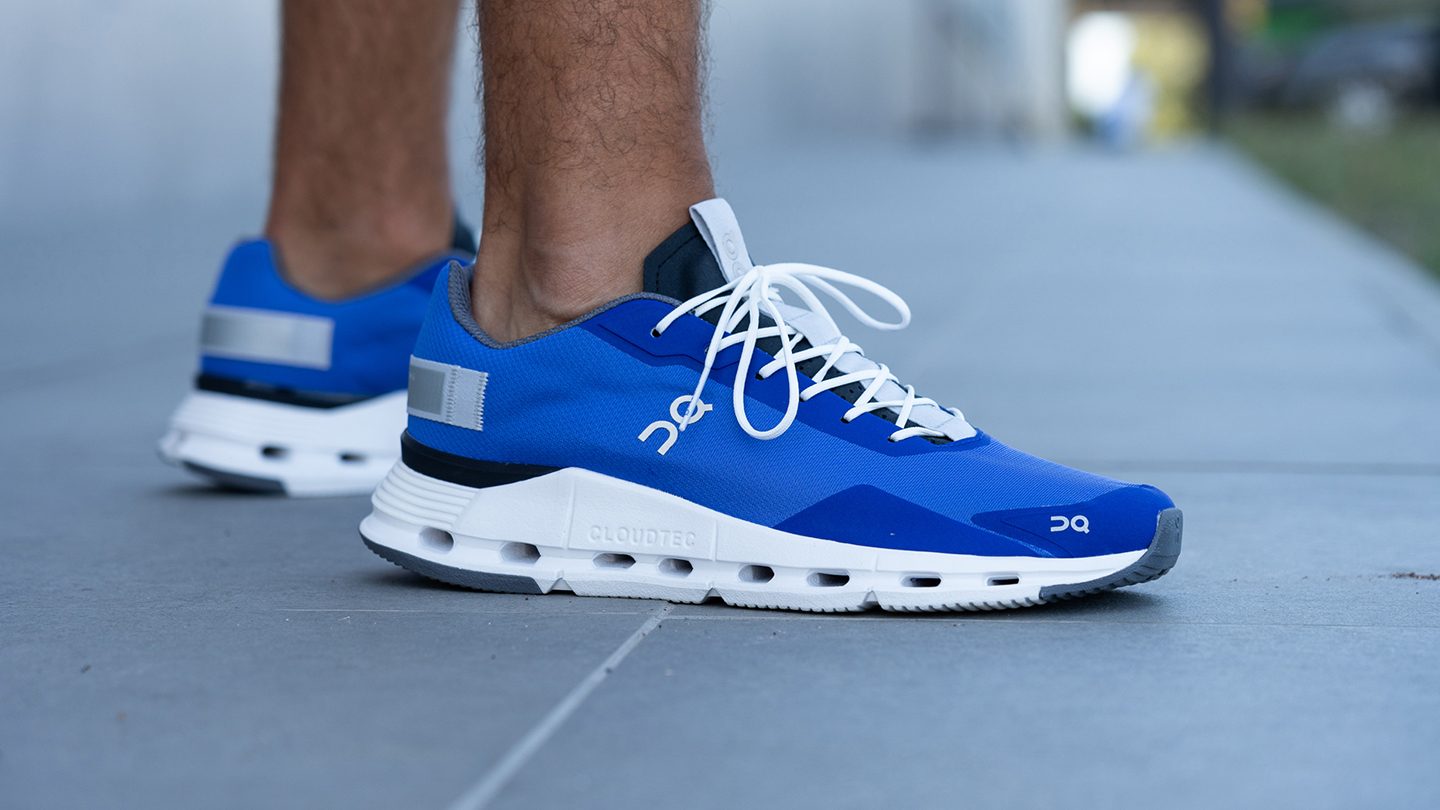
The Scientific Pillars of Support: Arch, Heel, and Metatarsals
Delving deeper into the science, the human foot is a complex structure of 26 bones, 33 joints, and over a hundred muscles, tendons, and ligaments. A proper walking shoe acts as an external exoskeleton for this system. Let’s break down the support pillars. First, the arch support is non-negotiable. Whether you have high, low, or neutral arches, as classified by the “wet test” often referenced in podiatry literature, the shoe must provide congruent support to maintain the foot’s natural tripod structure. This prevents the collapse of the arch (overpronation), a major cause of plantar fasciitis, as cited by the American Podiatric Medical Association. Second, heel cushioning and containment. The heel strikes the ground with a force of nearly 1.5 times your body weight during walking. Advanced cushioning systems dissipate this energy. Moreover, a firm heel counter—the cup at the back of the shoe—is crucial. As biomechanist Dr. Casey Kerrigan, founder of OESH Shoes, has discussed in interviews, stability should come from a well-designed base that allows natural motion, not from rigid devices that restrict it. Third, forefoot protection. The metatarsal heads bear immense pressure during the push-off phase. Features like a slightly wider toe box (a principle popularized by the “foot shape” movement and brands like Altra) and strategic cushioning under the ball of the foot protect these sensitive areas. This tripartite support system ensures that the walking shoe doesn’t just feel soft but actively aligns and protects your foot’s mechanics with every step.
Material Innovation: From Laboratory to Pavement
The quest for the perfect walking shoe has fueled a materials science arms race in the athleisure industry. Gone are the days of simple rubber and leather. Today’s uppers might be engineered knits, like Adidas’s Primeknit or Nike’s Flyknit, which offer targeted breathability and a sock-like, seam-reduced fit that minimizes friction—a key factor in blister prevention, according to long-distance hiking guides. Waterproof yet breathable membranes like GORE-TEX have migrated from mountaineering boots to urban walkers, making all-weather comfort a reality. In the midsole, the innovation is even more dramatic. Brands are utilizing data from motion-capture labs to create zonal cushioning: firmer foam where stability is needed, softer where impact absorption is paramount. Perhaps the most significant leap is in sustainable materials. Companies are now using recycled polyester from plastic bottles for uppers, algae-based foams for midsoles (as pioneered by brands like Vivobarefoot in collaboration with Bloom), and natural rubber for outsoles. This shift isn’t just marketing; it’s a response to consumer demand and environmental necessity, documented in reports from institutions like the Massachusetts Institute of Technology’s Sustainable Business Lab. These material advances mean your walking shoe is lighter, more responsive, more adaptable, and increasingly born from a cycle of renewal rather than depletion.
Your Personal Gait: The Non-Negotiable Fitting Principle
All the technology in the world is irrelevant if the shoe doesn’t match your unique biomechanical fingerprint—your gait. Gait analysis, once the domain of elite athletes and clinical podiatrists, is now accessible in many specialty running and walking stores. This process, often involving a treadmill and slow-motion camera, observes how your foot moves through the stance phase: heel strike, mid-stance, and toe-off. The goal is to identify your pronation pattern—the natural inward roll of the foot. A neutral gait requires a balanced shoe. Overpronation (excessive inward roll) often benefits from shoes with structured support or “motion control” features. Underpronation (or supination, an outward roll) typically needs a highly cushioned, flexible shoe. Ignoring this is like putting the wrong grade of fuel in a high-performance engine. As noted in Harvard Medical School’s health publications, ill-fitting shoes are a leading cause of foot pain, bunions, and even knee and hip issues over time. Therefore, investing time in a professional fitting is not a luxury; it is the single most important step in selecting your walking shoe. It transforms the purchase from a fashion guess into a health-informed decision, ensuring the shoe’s sophisticated engineering is working for your body, not against it.
Curating Your Journey: Where Knowledge Meets Value
Armed with this knowledge of biomechanics, materials, and gait, you are empowered to make an enlightened choice. But knowledge should be paired with accessibility. The market offers exceptional value at various price points. Direct-to-consumer brands often provide premium technologies at lower price points by cutting out traditional retail markups. Furthermore, previous seasons’ colorways or models—which are functionally identical to the latest releases—are frequently available at significant discounts. The key is to prioritize the technical features that align with your gait and comfort needs over superficial aesthetics. Reputable online retailers and brand outlets are treasure troves for such finds. Remember, the objective is to acquire a tool that enhances your daily life. This is where professional knowledge directly translates to smart economics: by understanding exactly what you need (e.g., a shoe with a specific heel-to-toe drop, arch type, and cushioning level), you can confidently seek out those features in discounted models, avoiding the premium paid for brand-new, trend-driven releases. The goal is to bring both expert-level insight and cost-effective solutions to your search, making superior foot health and style an achievable standard for everyone.
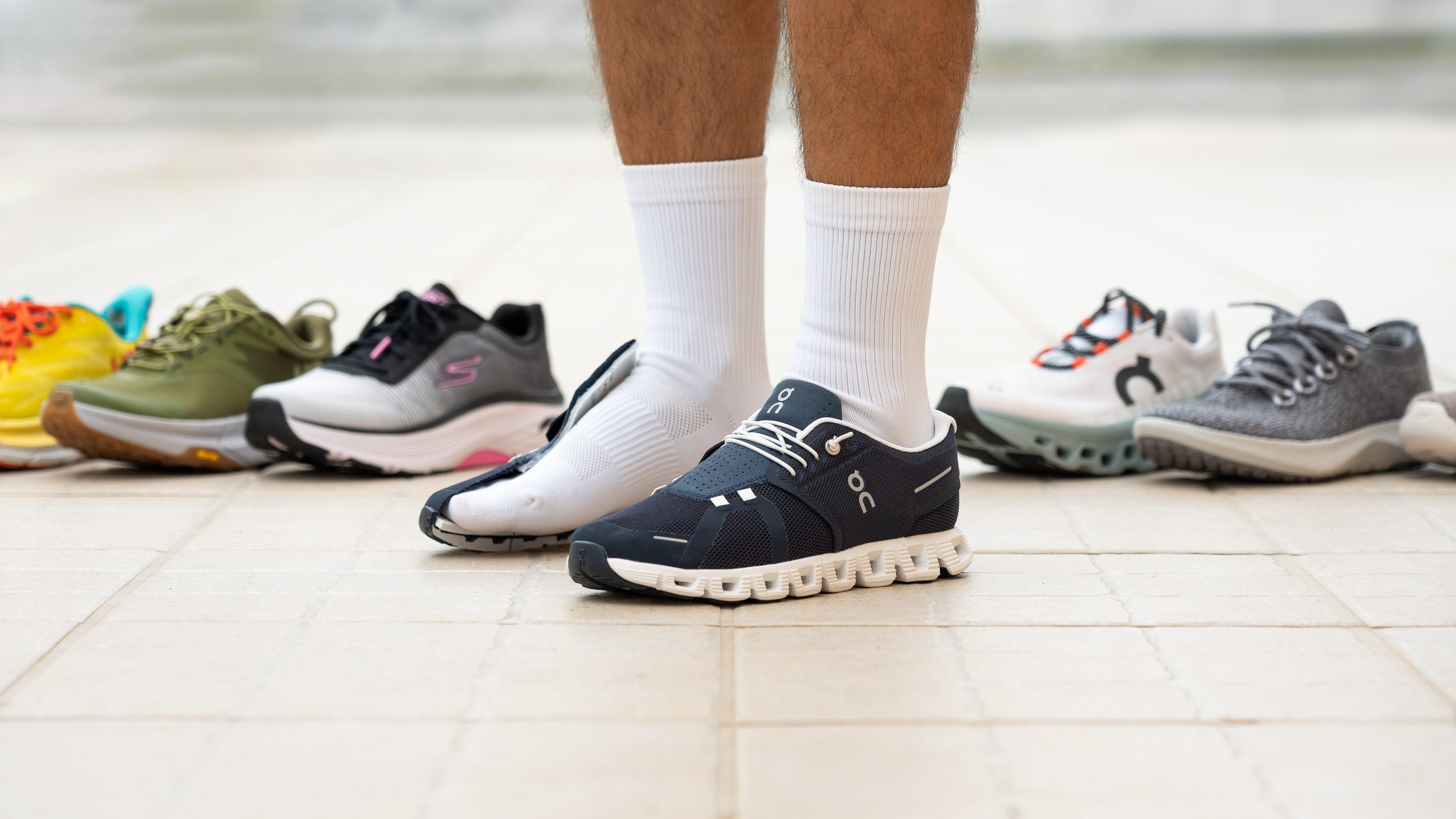
The journey to effortless style and unwavering comfort begins from the ground up. It is a conscious decision to reject the false dichotomy between looking good and feeling good. By choosing a walking shoe engineered with scientific principles, crafted from innovative materials, and fitted to your unique stride, you are not just buying footwear. You are investing in a foundation for a more active, confident, and pain-free life. Let your shoes carry you forward, not hold you back. Embrace the walking shoe as your most trusted ally in design, and step into a world where every journey, no matter how long or short, is undertaken with grace and ease.
