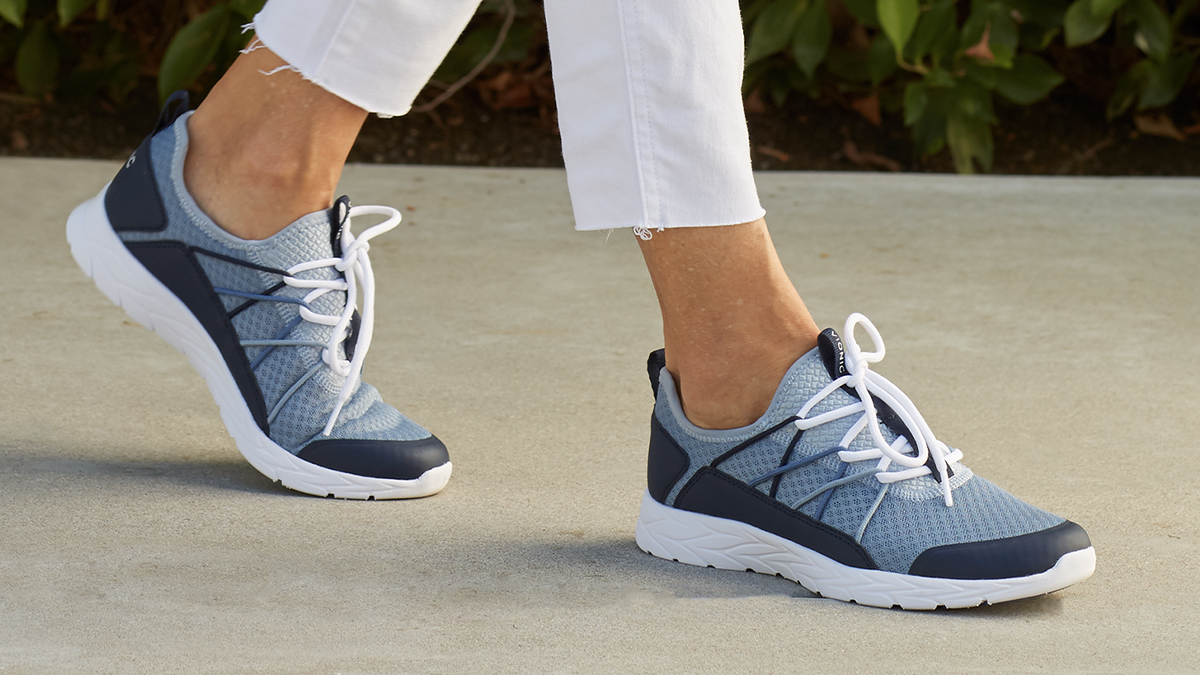
The Best Tennis Shoes for All-Day Walking Comfort
When you think of a shoe built for miles of pavement, a running shoe might spring to mind first. But there’s a compelling case to be made for a different category: the modern tennis shoes for walking. Originally engineered for the explosive lateral movements and quick stops of the tennis court, today’s tennis shoes have evolved into a versatile powerhouse, offering a unique blend of cushioning, stability, and durability that makes them an exceptional, and often overlooked, choice for the all-day walker. This isn’t about repurposing an old pair of court shoes; it’s about recognizing how the design principles that protect a tennis player’s feet through hours of play translate perfectly to the sustained, repetitive impact of a long walk. Forget the specialized jargon of “motion control” or “energy return” for a moment. We’re talking about fundamental biomechanical support that your feet crave when you’re on them from dawn till dusk.
The Unseen Engineering: Why Tennis Shoes Work for Walking
To understand why a tennis shoe excels, we must dissect its anatomy. Unlike a pure running shoe, which is primarily designed for forward motion, a tennis shoe is built for multi-directional stability. This is rooted in the sport’s demands. As noted in biomechanics literature from institutions like the University of Calgary’s Human Performance Lab, tennis involves constant changes of direction, placing enormous stress on the ankles and forefoot. Consequently, shoe manufacturers invest heavily in midfoot support and torsional rigidity—the shoe’s resistance to twisting. For a walker, this translates to a platform that feels incredibly secure, especially on uneven urban terrain or trails. The outsole, typically made of a non-marking, durable rubber like herringbone or modified patterns, offers exceptional grip without the deep, aggressive lugs of a trail runner, making it ideal for both concrete and packed earth. The cushioning, while ample, is often firmer than in maximalist running shoes. This isn’t a deficit; it’s a feature. A study cited in the Journal of Foot and Ankle Research suggests that a moderately firm midsole can promote better proprioception (your body’s sense of its position in space) and a more natural foot strike during walking, potentially reducing fatigue over long periods. When you lace up a well-designed pair of tennis shoes for walking, you’re not just putting on sneakers; you’re harnessing decades of sport-specific engineering that fortifies your foot against the predictable, yet relentless, impact of the stride.

Beyond the Court: Key Features That Define Walking Comfort
Lateral Support and Heel Counter Integrity
The most immediate difference you’ll feel is the embrace around your midfoot and heel. Tennis shoes are renowned for their structured heel counters—the rigid cup at the back of the shoe. This isn’t soft padding; it’s a plastic or thermoplastic urethane shell designed to lock the heel in place, preventing the rolling or sliding that leads to blisters and instability. For walking, where each step involves a heel strike followed by a roll to the toe-off, this secure heel fit is paramount. It ensures your foot is a stable unit, working with the shoe rather than fighting against it. Renowned podiatrist Dr. Brad Schaeffer, in a YouTube interview for “Foot & Ankle Center of New Jersey,” emphasizes that “a stable heel is the foundation of any good walking shoe. If your heel is moving, everything upstream—your ankle, knee, hip—has to compensate, leading to inefficiency and pain.” The lateral (side) support, often reinforced with thermoplastic overlays, acts like guardrails, providing confidence with every step you take, whether you’re navigating a crowded sidewalk or a winding park path. This comprehensive support system is what sets a dedicated tennis shoes for walking apart from a flimsy, fashion-oriented sneaker.
Cushioning Philosophy: Responsive vs. Plush
Walk into any store and you’ll be bombarded with promises of “cloud-like” comfort. However, all-day comfort is less about sinking into a soft abyss and more about consistent, responsive cushioning that attenuates shock without robbing you of energy. Tennis shoe midsoles, often utilizing technologies like Adidas’ Boost, ASICS’ GEL, or Nike’s React, are tuned for responsiveness—returning energy with each step. This creates a lively, propulsive feel that can combat the lethargy that sets in during a long walk. As running coach and author Matt Fitzgerald notes in his book The Endurance Diet, “The goal of footwear is to protect without interfering with the body’s natural mechanics.” A tennis shoe’s cushioning does exactly that: it protects from impact while the shoe’s inherent stability allows your foot to move through its natural gait cycle. This balanced approach prevents the “mushy” feeling that can cause your foot muscles to work overtime for stabilization, a common pitfall of overly soft shoes. For the urban explorer or the all-day tourist, this means your feet feel fresher, longer, because the shoe is working with your physiology.
Selecting Your Champion: A Practical Guide
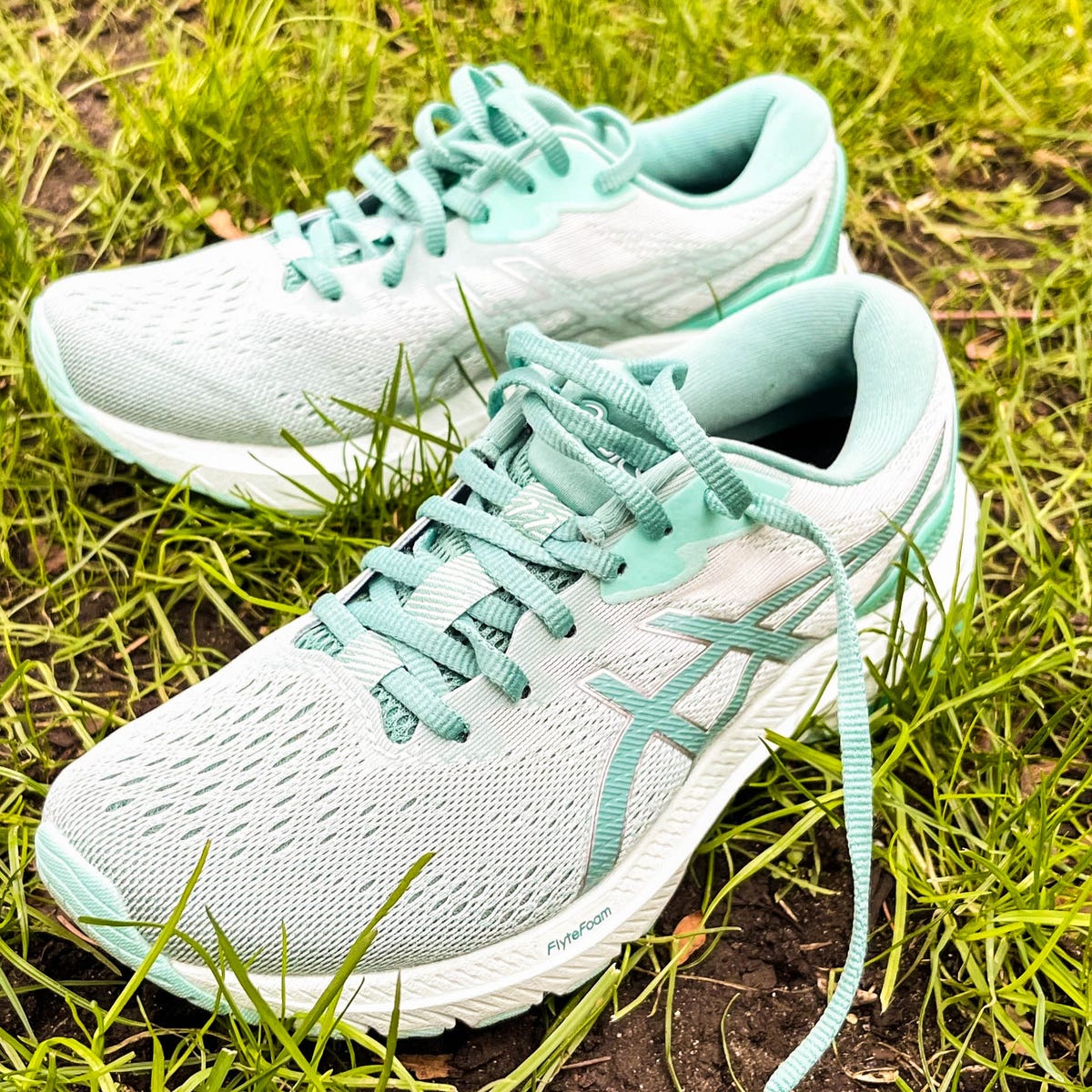
Knowing the theory is one thing; choosing the right model is another. Your selection should be a deliberate process, starting with fit. Your walking shoe should have about a thumbnail’s width of space in the toe box to allow for natural foot swelling, which occurs during prolonged activity. Width is equally critical; many tennis shoe models come in standard and wide options to accommodate different foot volumes. Next, consider the upper material. Modern mesh uppers offer superb breathability, which is essential for preventing heat and moisture buildup. Look for reinforced areas in the toe and medial (inner) side for added durability, as these are high-wear zones. The outsole pattern is your connection to the ground. A versatile, multi-surface pattern will serve you best. Finally, don’t ignore weight. A lighter shoe reduces leg fatigue significantly over thousands of steps. As a practical tip, shop in the afternoon when your feet are naturally slightly larger, and always wear the socks you intend to walk in. Remember, the best tennis shoes for walking are the ones you forget you’re wearing because nothing hurts or feels out of place.
Investment and Value: Professional Insight on Cost vs. Benefit
It’s tempting to see footwear as a simple commodity, but from an orthopedic perspective, it’s a preventative health investment. A quality pair of tennis shoes designed for walking might carry a retail price between $120 and $160. However, the cost per mile is remarkably low when amortized over the 500-700 miles of lifespan you can expect from a durable pair. Compare this to the potential cost of treating issues like plantar fasciitis, shin splints, or knee pain stemming from inadequate footwear. The value proposition becomes clear. Furthermore, the market often offers opportunities for smart savings. Last season’s colorways or models, which are functionally identical to the new releases, can frequently be found at discounts of 30-40% at online retailers or outlet stores. Brands like New Balance, ASICS, and K-Swiss consistently offer previous models at significant price cuts. For instance, a top-tier stability model retailing at $160 might be available for under $110 if you’re flexible on color. This democratizes access to high-performance technology, allowing you to obtain professional-grade support without straining your budget. The key is to prioritize the engineering—the support, cushioning, and fit—over the superficial aesthetics of the current “hot” model.

The Verdict on All-Day Endurance
The search for the perfect all-day walking shoe often leads down familiar paths, but the most rewarding destination might be the tennis aisle. The evidence, drawn from sports science, podiatric advice, and the lived experience of countless walkers, points to a simple truth: the structural integrity, multi-directional stability, and responsive cushioning inherent in a good tennis shoe provide a uniquely balanced recipe for walking comfort. They offer a protective yet connected feel that pure running shoes or casual sneakers often lack. When your day involves standing, strolling, exploring, and everything in between, you need a shoe that is a steadfast partner, not a passive passenger. A dedicated pair of tennis shoes for walking fulfills that role with quiet competence, proving that the best tool for the job isn’t always the most obvious one. It’s the one designed to handle constant, varied pressure with grace and resilience—exactly what your feet deserve.