

Step Into Style: The Ultimate Guide to Toe Walker Shoes for Effortless Chic
Fashion is a dialogue between form and function, a dance where personal expression meets the physical realities of our bodies. For a significant community, that reality includes a gait pattern known as toe walking. Long discussed in clinical and therapeutic circles, toe walking is stepping into the spotlight of conscious style, no longer a hidden concern but a characteristic around which intelligent, elegant footwear can be built. This guide isn’t about correction in the traditional sense; it’s about celebration and smart adaptation. It’s for anyone who walks on their toes—whether due to idiopathic habit, neurological diversity, or physical conditioning—and seeks shoes that don’t just fit, but elevate. We’re moving beyond purely medical devices to explore how the principles of supportive footwear for toe walkers can be seamlessly woven into contemporary, chic designs. The goal is effortless style, achieved through understanding, innovation, and a curated selection of footwear that supports your unique stride without sacrificing an ounce of your personal aesthetic.
Decoding the Stride: What Defines a Toe Walker?
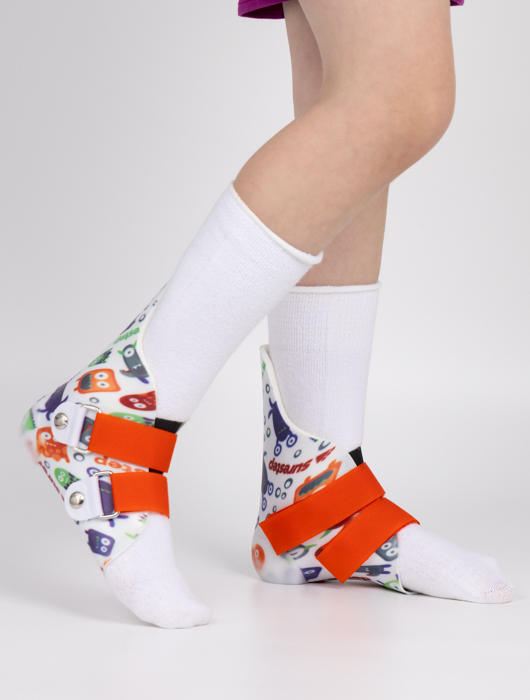
To understand the shoe, we must first understand the stride. Toe walking, or equinus gait, is a pattern where an individual makes contact with the ground primarily with the forefoot and toes, with minimal or no contact from the heel. The causes are multifaceted. According to literature from institutions like Johns Hopkins Medicine, it is common in toddlers as they learn to walk, but persistent toe walking beyond age three may be idiopathic (without a known cause) or associated with conditions such as cerebral palsy, muscular dystrophy, or autism spectrum disorder. However, it’s crucial to frame this not as a deficit but as a biomechanical reality. The foot in a toe-walking position places unique demands on footwear: increased pressure on the forefoot, a shortened Achilles tendon, and a higher instep. A shoe designed for this gait isn’t merely a comfort item; it’s a tool for stability, joint protection, and energy efficiency. The modern toe walker shoes address these needs not with bulky, clinical aesthetics, but with design intelligence that prioritizes a deep toe box, robust forefoot cushioning, firm heel counters for guidance, and often, a slight rocker sole to facilitate a smoother roll-through from toe-off. This scientific foundation is the bedrock upon which style is built.
The Anatomy of Chic: Key Features in Modern Toe Walker Footwear
Gone are the days when supportive footwear meant limited, unattractive options. Today’s market for toe walker shoes is a testament to biomechanical engineering meeting fashion-forward design. Let’s dissect the essential features. First, the Toe Box: This is non-negotiable. A wide, deep, and tall toe box allows the toes to splay naturally without constriction, reducing pressure points and blisters. Think of the spacious design of brands like Altra in running, which has popularized the “foot-shaped” toe box—a principle perfectly suited for toe walkers. Second, Forefoot Cushioning and Reinforcement: Since initial impact and primary weight-bearing occur at the forefoot, advanced materials like memory foam, Poron XRD, or dual-density EVA are used to absorb shock and prevent bruising. Third, the Heel Counter: Even if the heel doesn’t strike first, a firm, wrapped heel counter is vital. It provides essential stability to the calcaneus (heel bone), preventing excessive lateral movement and offering a secure platform from which the foot can propel. Fourth, Arch and Midfoot Support: Many toe walkers have higher-than-average arches. Structured arch support helps distribute pressure more evenly across the foot, preventing fatigue. Finally, the Rocker Sole: A subtle, engineered upward curve at the toe reduces the effort required for toe-off, making each step more fluid and less taxing on the calf muscles. When these elements are integrated into designs using premium leathers, sleek silhouettes, and contemporary color palettes, the result is footwear that is both a joy to wear and a statement to behold.
From Clinic to Catwalk: The Evolution of Perception
The narrative around adaptive footwear is undergoing a profound shift. Historically, shoes for atypical gaits were purely functional, hidden, and often a source of self-consciousness. This is changing, driven by a broader cultural movement towards inclusivity and body positivity. On platforms like YouTube and Twitter, influencers and advocates with diverse mobilities are reframing assistive devices—from prosthetic limbs to orthotic-friendly shoes—as extensions of personal style, not medical secrets. As disability rights activist and model Jillian Mercado, who has muscular dystrophy, stated in a Vogue interview: “Fashion is for everybody… It’s about expressing who you are.” This ethos directly applies to toe walker shoes. Brands are now listening. We see collaborations between orthotists and designers, collections featuring hidden internal support systems within outwardly fashionable boots and sneakers, and a growing acknowledgment that “comfort” and “style” are not mutually exclusive but are the new mandatory partnership. This evolution means you no longer have to choose between supporting your body and expressing your identity. The market is finally catering to the whole person.
Curating Your Wardrobe: Categories of Shoes That Work
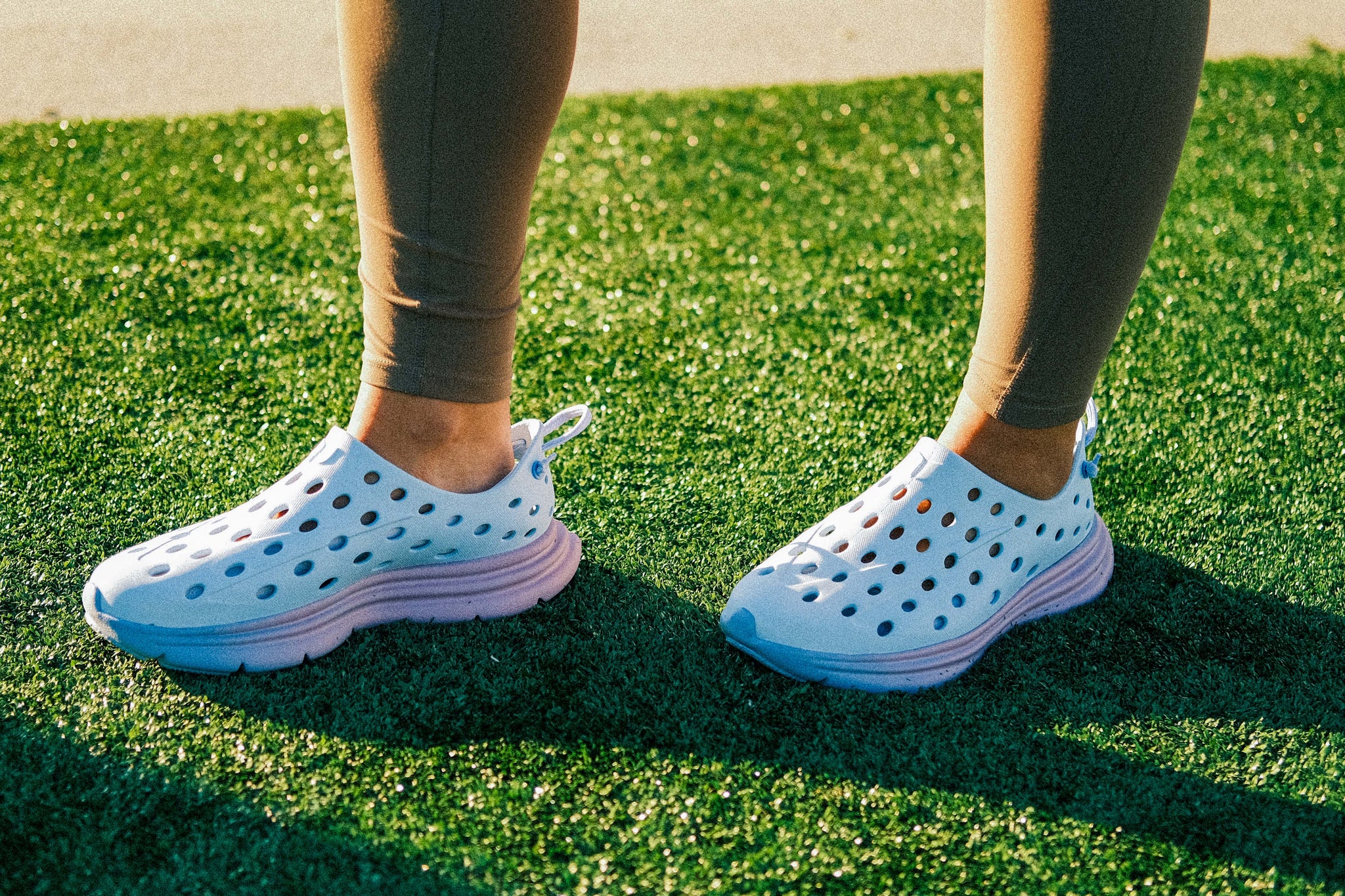
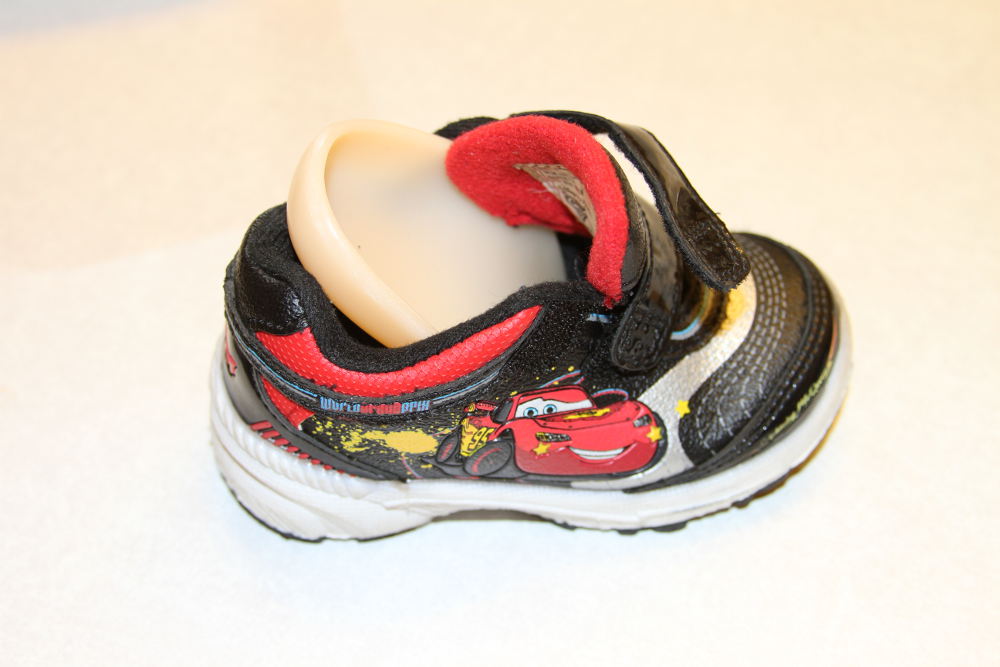
Building a chic wardrobe around your gait is about knowing which styles naturally accommodate or can be adapted to the needs of a toe walker. Let’s explore key categories. Elegant Boots: Ankle boots and Chelsea boots with a slightly wider calf opening and a hidden internal depth are ideal. Look for styles with a side zipper for easy entry over potential orthotics. Brands like Cole Haan and Clarks often incorporate innovative cushioning into sophisticated designs. Modern Sneakers: The athleisure trend is a boon. Premium leather or knit sneakers from brands like Koio, Cariuma, or even certain New Balance models offer deep footbeds, removable insoles (for custom orthotics), and sleek profiles that transition from day to night. Stylish Flats: The search for the perfect flat ends here. Opt for designs with a structured vamp (the front part of the shoe) and a non-slip lining. Moroccan-inspired babouche slippers or loafers with a bit of a platform can provide the necessary toe room and a touch of elevation that eases the calf. Adaptable Sandals: In warmer months, look for sandals with adjustable straps across the forefoot and ankle, such as those from Naot or Mephisto. A contoured cork and latex footbed molds to your foot, offering custom support in an open, airy design. Remember, the most versatile toe walker shoes are those that allow for the insertion of custom orthotics if needed, turning any stylish shoe into a perfectly personalized one.
The Insider’s Edge: Professional Tips and Smart Shopping
Navigating this world like a pro requires a blend of knowledge and strategy. First, prioritize a professional fit. Visit a specialty shoe store or a pedorthist later in the day when feet are naturally more swollen. Always bring any orthotics or inserts you plan to use. Second, understand materials. Full-grain leather and suede will stretch and mold to your foot’s shape, offering a custom fit over time. High-tech knits offer adaptive flexibility. Third, look for strategic sales. End-of-season clearances (e.g., buying boots in spring, sandals in fall) on reputable sites like Zappos, Nordstrom Rack, or directly from orthotic-friendly brand websites can yield savings of 30-50%. Sign up for newsletters for first-access to discounts. Fourth, don’t neglect care. Using a shoe horn preserves the heel counter; regular conditioning of leather maintains suppleness. Investing in quality shoe trees helps retain the shape and absorb moisture, extending the life of your investment. This insider knowledge empowers you to make choices that are both economically savvy and supremely stylish, ensuring your footwear collection is as enduring as it is elegant.
Your Stride, Your Statement
The journey to finding the perfect shoe is deeply personal, but it should never be a compromise. The landscape of footwear has expanded to embrace diversity in every step we take. The modern toe walker shoes represent this beautiful convergence—where biomechanical precision fuels aesthetic freedom. They whisper a powerful message: that understanding the unique mechanics of your body is the first step toward true, effortless chic. By choosing footwear that honors your stride, you are not just making a practical decision; you are crafting a personal style narrative that is authentic, confident, and uncompromisingly you. So step forward, explore these options, and let every footprint you leave be a mark of both support and sophistication.

