

Your Ultimate Guide to Stylish and Comfortable Everyday Footwear
Let’s be honest: for years, the world of comfortable shoes felt like a compromise. On one side, you had the sleek, stylish options that left your feet aching by midday. On the other, you had the undeniably supportive shoes that, while functional, often lacked any semblance of contemporary flair. That binary choice is now a relic of the past. Today, the intersection of biomechanical science, advanced materials, and thoughtful design has given rise to a new generation of footwear that refuses to sacrifice form for function, or vice versa. This guide is dedicated to navigating that exciting convergence, providing you with the knowledge to select footwear that supports your body’s mechanics without demanding a stylistic surrender. We’re moving beyond mere “comfort” into the realm of holistic foot health and confident personal expression.
The Foundation: Why Your Choice of a Walking Shoe Matters More Than You Think
It’s easy to view shoes as simple accessories, but from a physiological standpoint, they are a critical interface between your body and the ground. The average person takes between 4,000 to 6,000 steps per day, with each step generating forces of up to 1.5 times your body weight. A poorly designed shoe can misdirect these forces, leading to a cascade of issues not just in your feet, but in your ankles, knees, hips, and lower back. The American Podiatric Medical Association consistently emphasizes that proper footwear is a cornerstone of preventive foot care. A well-chosen walking shoe acts as a shock absorber and a stabilizer. It mitigates impact, provides medial-lateral stability to prevent excessive rolling (overpronation or supination), and offers a secure, non-constricting fit that allows for the natural splay of the foot upon weight-bearing. Think of it not as a cage for your foot, but as a sophisticated piece of biomechanical equipment designed to facilitate one of humanity’s most fundamental movements. Investing in the right pair is an investment in your long-term mobility and overall physical well-being, making the selection of the perfect walking shoe a decision of genuine consequence.
Decoding the Anatomy of a Superior Walking Shoe
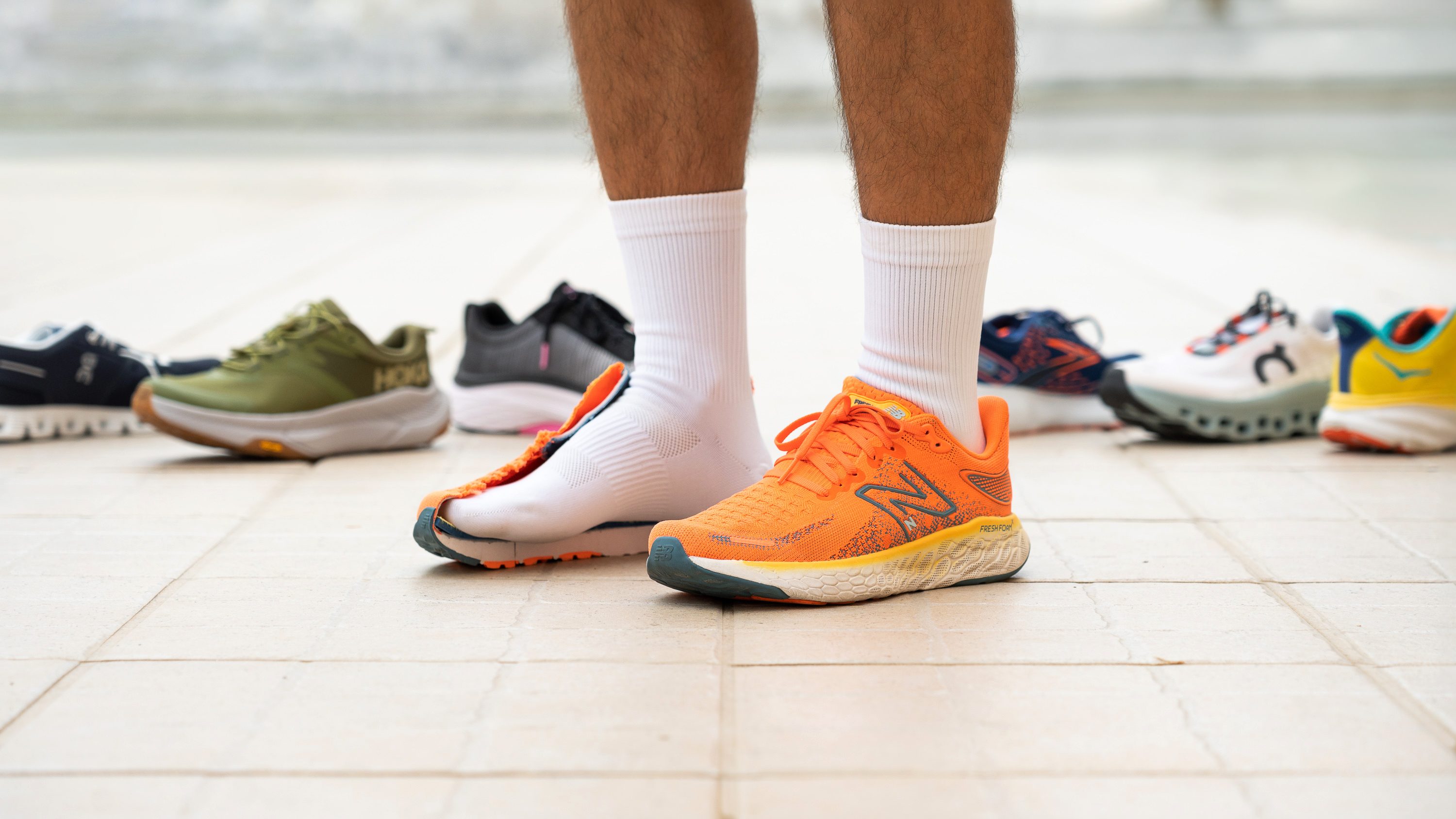
To make an informed choice, you need to speak the language. Let’s dissect the key components. The upper is everything above the sole. Modern uppers utilize engineered meshes, knit fabrics, and synthetic leathers that offer breathability, flexibility, and targeted support without bulk. Look for seamless constructions or strategically placed overlays to minimize friction and hot spots. The midsole is the heart of the shoe’s comfort and performance. This is where technologies like EVA (ethylene-vinyl acetate) foam, polyurethane, and proprietary compounds like Brooks’ DNA LOFT or ASICS’ GEL come into play. The midsole’s job is cushioning and energy return. A study from the University of Colorado Boulder’s Locomotion Laboratory often cites midsole composition as the primary factor in reducing metabolic cost during walking—essentially, a good midsole makes walking feel easier. The outsole provides traction and durability. Carbon rubber is common in high-wear areas like the heel for longevity, while blown rubber offers lighter weight and better grip. Finally, the last is the three-dimensional form around which the shoe is built. It determines the overall shape—straight, semi-curved, or curved—which should correspond to your foot’s arch type and gait pattern. Understanding these elements transforms you from a passive buyer into an active specifier of your own comfort.
The Fit Paradigm: It’s Not Just About Size
Perhaps the most critical, and most often overlooked, aspect is fit. A shoe can have all the award-winning technology, but if it doesn’t fit your unique foot, it’s useless. Fit is multidimensional. Length: There should be about a thumb’s width (roughly 3/8″ to 1/2″) of space between your longest toe (which isn’t always the big toe) and the end of the shoe. This allows for natural foot swelling, which occurs throughout the day and during prolonged activity. Width: The shoe should hold your foot securely without pinching across the ball. Your foot should not spill over the side of the footbed. Many brands now offer multiple width options (Narrow, Standard, Wide). Volume: This refers to the vertical space inside the shoe. A high-volume foot has a taller instep; a low-volume foot is flatter. Lacing systems can often help adjust volume. Always try shoes on with the type of socks you intend to wear with them, and do so in the afternoon or evening when your feet are at their largest. As renowned running coach and author Jay Dicharry puts it in his book “Anatomy for Runners,” “Your shoe is a tool, not a solution. It must match your anatomy.” This principle is equally vital for the dedicated walking shoe.
:max_bytes(150000):strip_icc()/vwt-asics-womens-gel-pulse-16-jinfeng-chen-21-712f0f140e834b84b3a8dcf0bf154771.jpeg)
Stylish Synergy: Where Design Meets Function
The great liberation in modern footwear is the dissolution of the “comfort vs. style” dichotomy. Brands like Cole Haan, Allbirds, ECCO, and even traditional athletic companies have mastered the art of integrating performance features into silhouettes that work seamlessly from a morning commute to a casual dinner. The key is looking for subtle integrations. A dress shoe may now feature a Grand.ØS rubber outsole derived from sneaker technology, offering flexibility and cushioning invisible from the outside. A minimalist white sneaker might conceal a contoured, arch-supporting footbed made from antimicrobial cork. The aesthetic trends—clean lines, monochromatic colorways, premium materials like suede and wool knit—now coexist with technical specs. This means you no longer need a “rotation” of shoes for different parts of your life; a single, well-chosen pair of versatile walking shoes can cover vast ground, both literally and stylistically. The goal is a shoe that you forget you’re wearing because it’s so comfortable, yet one that you receive compliments on because of its sharp look.
The Longevity Equation: Caring for Your Investment
A high-quality walking shoe is an investment, and like any good investment, it requires proper stewardship to maximize its return. The cushioning materials in the midsole compress and lose resiliency over time, long before the outsole wears out. Most experts, including those cited in resources from Harvard Medical School, recommend replacing walking shoes every 300 to 500 miles. For a daily walker, that could be every 6 to 9 months. To extend their life, practice rotation. Having two pairs and alternating days allows the foam in the midsole to fully decompress, restoring its bounce. Avoid machine washing and drying, as the heat and agitation can break down glues and deform materials. Instead, use a soft brush, mild soap, and air drying. Stuff them with newspaper to absorb moisture and maintain shape. Furthermore, be mindful of the surfaces you frequent. Consistent wear on harsh, abrasive concrete will degrade an outsole faster than mixed use on pavement and indoor surfaces. By adopting these simple habits, you ensure that your shoes provide consistent, reliable support for their entire intended lifespan.
:max_bytes(150000):strip_icc()/when-should-i-replace-my-walking-shoes-3436325-0801-7a1840d83573471092e0380f9e230ecc.jpg)
Navigating the Market: A Curated Approach
With countless options, how do you choose? Start by identifying your primary use-case. Is it for long urban walks, all-day standing at work, or light trail paths? For urban durability and style, look to brands like ECCO or Cole Haan. For maximum cushioning and support for high mileage, dedicated athletic brands like HOKA, Brooks, or ASICS are leaders. For sustainable, minimalist comfort, Allbirds or Veja are strong contenders. Don’t be swayed by marketing jargon alone; look for the objective features we’ve discussed. Read reviews from reputable sources that conduct lab tests on metrics like energy return, flexibility, and breathability. Remember, the most expensive shoe is not necessarily the best shoe for you. Your perfect pair is the one that fits your foot, suits your lifestyle, and addresses your specific needs, whether that’s arch support, extra width, or a particular aesthetic. This is where knowledge empowers you to cut through the noise and make a selection that truly serves you.
Smart Shopping: Leveraging Knowledge for Value
Armed with this technical and practical knowledge, you are positioned to shop not just effectively, but efficiently. Sign up for newsletters from your preferred brands and reputable retailers to get alerts on sales. Consider shopping for previous seasons’ models, which often see significant discounts while offering 90% of the performance of the latest version. Outlet stores and certified online discounters can be excellent sources. The goal is to procure the high-quality, biomechanically sound footwear we’ve defined, without paying a premium for marginal, often marketing-driven “upgrades.” When you understand what a gusseted tongue is for, or why a dual-density midsole matters, you can confidently identify a true technological bargain versus a mere style markdown. This approach brings professional-grade footwear into a accessible price range, ensuring that superior comfort and support are not luxury items, but attainable standards for everyday life.
The journey to finding your ideal everyday footwear is no longer a quest for a mythical unicorn. It’s a deliberate process of applying scientific understanding to personal needs and aesthetic preferences. The perfect walking shoe exists—it’s the one that disappears beneath you in comfort while standing out for its style, supporting every step of your day without a second thought. Your feet are your foundation; give them the thoughtful, informed consideration they deserve, and they will carry you forward in confidence and ease.
