

Your Ultimate Guide to Comfortable and Stylish Footwear for Every Outfit
Footwear is the foundation of any ensemble, a silent partner in our daily journeys that can elevate our style or undermine our comfort. For too long, the choice has been framed as a binary: the plush, technical walking shoe versus the sleek, fashionable statement piece. This guide dismantles that false dichotomy. We will explore how the principles of ergonomic design, material science, and aesthetic harmony converge to create footwear that doesn’t force you to choose between feeling good and looking great. From the biomechanics of your stride to the color theory of your wardrobe, we’ll equip you with the knowledge to select shoes that are an investment in both your well-being and your personal expression.
The Science of Stride: Why Your Feet Deserve More Than Just Covering
Before we delve into style, we must first respect the engineering marvel that is the human foot. Each foot contains 26 bones, 33 joints, and over 100 muscles, tendons, and ligaments, working in concert to provide balance, propulsion, and shock absorption. A poorly designed shoe disrupts this intricate system. According to research from the American Podiatric Medical Association, improper footwear is a leading contributor to common ailments like plantar fasciitis, bunions, and knee pain. The core function of any shoe, therefore, must be to support this natural architecture. This is where the modern walking shoe excels, but its principles can—and should—be applied to all footwear. Key scientific concepts include the ‘heel-to-toe drop’ (the height difference between heel and forefoot), which affects Achilles tendon tension; ‘torsional rigidity’ (the shoe’s resistance to twisting), which stabilizes the midfoot; and ‘toe box volume’, which allows for natural toe splay upon foot strike. Ignoring these for aesthetics is akin to building a skyscraper on a fragile foundation; the eventual structural failure is inevitable. As renowned orthopedic surgeon Dr. James R. Christina stated in a publication for the University of Pennsylvania’s medical school, “Shoes should conform to the foot, not the foot to the shoe.” This isn’t just medical advice; it’s the first principle of intelligent footwear selection.
Decoding the Anatomy of a Perfect Walking Shoe
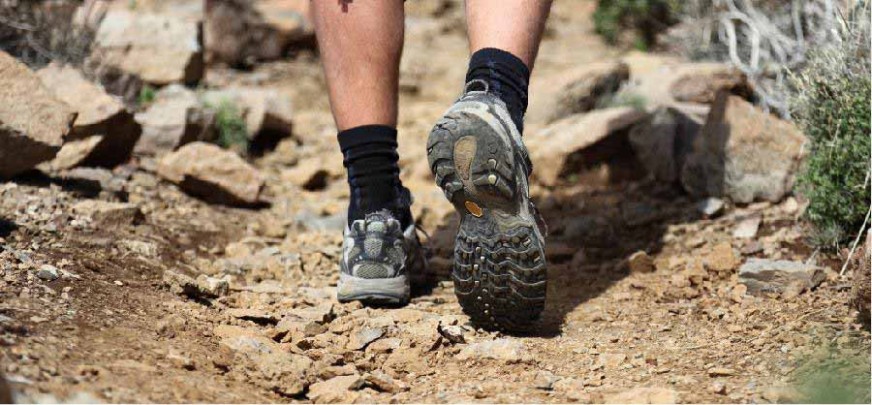
Let’s dissect what makes a dedicated walking shoe so effective, translating its features into a checklist for any shoe you consider. First, the midsole: this is the heart of cushioning and stability. Materials like EVA (ethylene-vinyl acetate) foam or advanced polyurethanes provide responsive shock absorption. Brands like Brooks or ASICS often incorporate gel or air capsules for targeted cushioning. The outsole needs flexible grooves (siping) to facilitate the natural rolling motion of the foot from heel strike to toe-off, while providing durable traction. A firm heel counter—the rigid cup at the back—is non-negotiable; it locks the heel in place to prevent slippage and control pronation (inward roll) or supination (outward roll). The upper should be constructed from breathable, adaptive materials like engineered mesh that conforms without pressure points. Remember, the perfect walking shoe isn’t about the most cushioning; it’s about the right balance of support, flexibility, and durability for your unique gait. Websites like Runner’s World and Verywell Fit offer extensive wear-test reviews that break down these components for hundreds of models, providing an objective lens beyond marketing claims.

Style is a Symphony: Harmonizing Footwear with Your Wardrobe
With the technical foundation laid, we can now compose the style symphony. The goal is harmony, not monotony. A classic leather sneaker, for instance, can inherit the supportive insole of a walking shoe while offering timeless versatility. The key is understanding silhouette and context. A sleek, minimalist white sneaker harmonizes with tailored trousers, crisp denim, and even midi dresses, creating a look of effortless chic. Conversely, a rugged hiking-inspired boot brings texture and substance to slim-fit jeans and a flannel shirt. Consider color as your conductor’s baton. Neutral tones (black, white, grey, tan) form the backbone of a versatile shoe collection, acting as the rhythmic bass line. Pops of color or bold patterns are the melodic flourishes—use them intentionally to draw attention or express mood. As fashion historian and author of “Shoes: A History from Sandals to Sneakers,” Dr. Giorgio Riello, notes on platforms like Quora, “Shoes have always been a profound social signifier. Today, the signifier is not just wealth, but knowledge—the knowledge to choose wisely for both body and context.”
From Boardroom to Brunch: Scenario-Based Footwear Strategies
Let’s apply this knowledge to real-life scenarios. For the professional setting, seek out dress shoes or flats with hidden orthotic-friendly qualities. Brands like Cole Haan and Ecco have pioneered this space, using Grand.ØS technology or anatomical lasts to combine formal aesthetics with sneaker-like comfort. Look for a wider toe box and cushioned footbeds even in a classic loafer or pump. For weekend wear, the modern athleisure trend is your ally. A high-quality, stylish trainer from brands like APL (Athletic Propulsion Labs) or Veja offers cutting-edge materials and ethical production, perfect for a day of errands or casual meet-ups. The critical step is to never sacrifice the core structural elements—adequate arch support, a secure heel, and flexible forefoot—for the sake of a trend. Your evening out shoe might have a heel, but it can be a block heel for stability, or a wedge that distributes weight more evenly than a stiletto. The insight is this: every category of shoe now has options that integrate the wisdom of the walking shoe.
Investment and Care: The Long-Term Relationship with Your Shoes
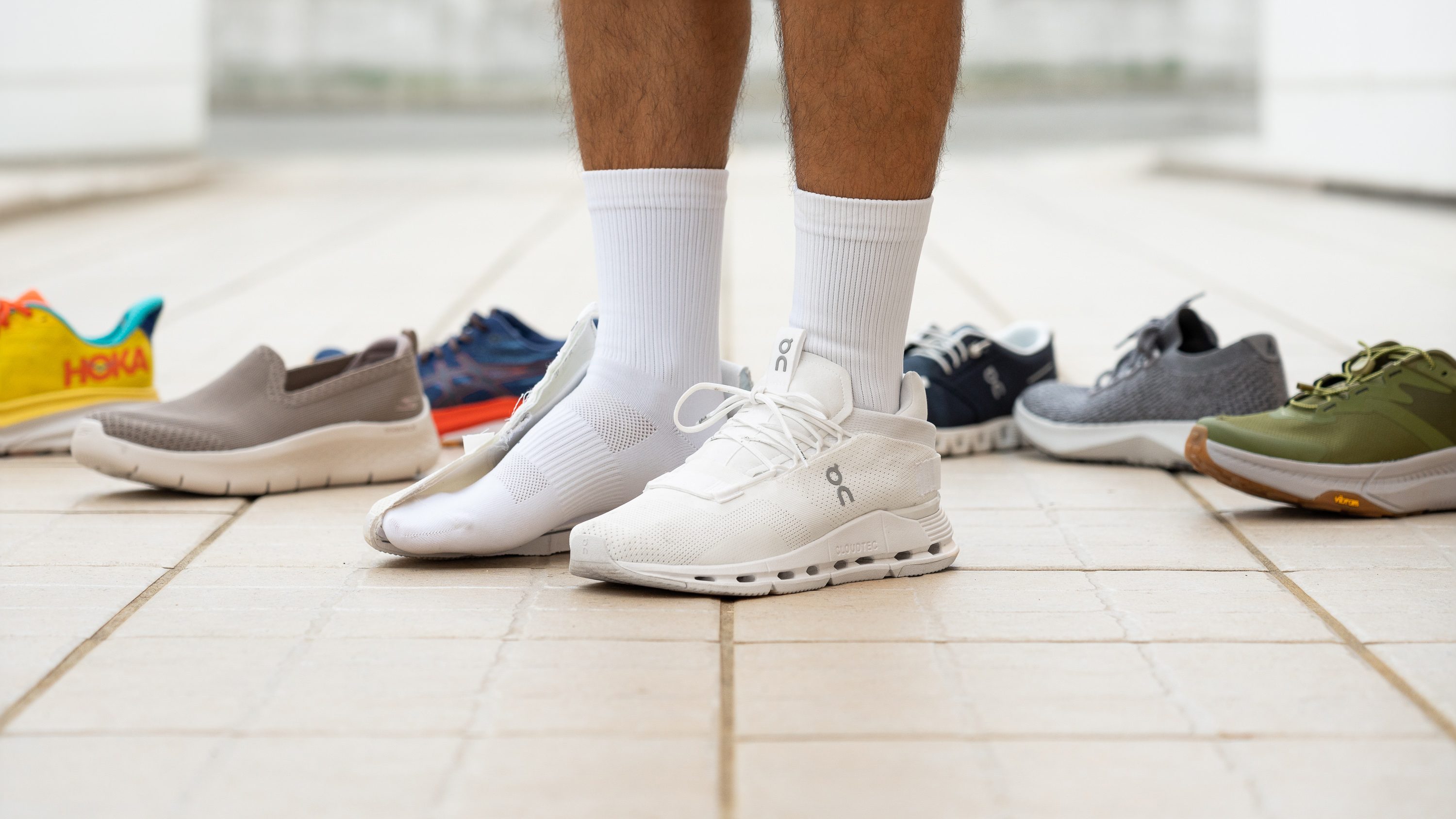
Viewing footwear as a long-term investment reshapes your purchasing mindset. A well-constructed, slightly more expensive pair that lasts three years is more economical and sustainable than three cheap pairs that disintegrate and cause discomfort. Professional knowledge here translates directly to discounted long-term costs. To care for this investment, practice rotation. Wearing the same pair day after day doesn’t allow the midsole foam to fully rebound, accelerating its breakdown. Having at least two primary pairs in rotation can double their functional lifespan. Pay attention to wear patterns. Excessive erosion on the heel’s outer edge or the ball of the foot is a clear sign from your body about your gait, and a cue to seek shoes with specific corrective features. Most experts, including podiatrists featured on YouTube channels like “The Foot Practice,” agree that even the best walking shoe loses a significant portion of its cushioning and support after 300-500 miles of use. They are not immortal; plan for their retirement and replacement as part of your health budget.
:max_bytes(150000):strip_icc()/when-should-i-replace-my-walking-shoes-3436325-0801-7a1840d83573471092e0380f9e230ecc.jpg)
Your Personal Fitting: Beyond the Size Number
The final, most personal piece of the puzzle is the fit. Your shoe size is a starting point, not a destination. Always try on shoes in the late afternoon or evening, when feet are naturally at their most swollen. Wear the socks you intend to pair them with. There should be a thumb’s width (about 1/2 inch) of space between your longest toe (not always the big toe) and the end of the shoe. The widest part of your foot should align with the widest part of the shoe. Don’t “break in” shoes that are painfully tight; that’s a myth that leads to blisters and deformities. A good shoe feels comfortable from the first step. For those with specific needs like high arches, flat feet, or bunions, custom orthotics or brands with multiple width options (like New Balance or Altra) can be transformative. This personalized approach is the ultimate synthesis of professional knowledge—it’s science applied directly to you.
The journey to a wardrobe of comfortable and stylish footwear is one of informed choice, not chance. It begins with respecting the biomechanical needs of your feet, understanding the hybrid design innovations that now permeate every style category, and making deliberate choices that align with your life’s rhythms. When you lace up a shoe that offers the engineered support of a dedicated walking shoe within a form that complements your personal aesthetic, you’re not just getting dressed. You’re equipping yourself for the day with confidence, poised to move through the world with both grace and grounded strength.
