

Your Ultimate Guide to Comfort and Style for Every Outfit
Fashion and function are not mutually exclusive. The quest for the perfect ensemble often stumbles at the feet—literally. We meticulously curate tops, bottoms, and accessories, only to compromise on footwear, sacrificing comfort for aesthetics or vice versa. This ends now. True style is an all-encompassing experience, and its foundation is a pair of shoes that don’t just look good but feel incredible from the first step to the ten-thousandth. This guide dismantles the myth that you must choose between looking polished and feeling pampered. We will navigate the intersection of biomechanics, material science, and design principles to equip you with the knowledge to select footwear that seamlessly integrates with every outfit in your wardrobe, proving that the ultimate accessory is unwavering comfort.
The Foundation: Understanding Foot Biomechanics and Shoe Architecture
Before we delve into styles, we must understand the science of the step. Your foot is a complex marvel of engineering, with 26 bones, 33 joints, and over 100 muscles, tendons, and ligaments. According to research from the American Podiatric Medical Association, the average person takes between 5,000 and 7,000 steps per day, with each step exerting a force of up to 1.5 times your body weight on your feet. A poorly designed shoe disrupts this natural mechanics, leading to a cascade of issues from localized foot pain to problems in the knees, hips, and back. The architecture of a shoe is its response to this biomechanical reality. Key components include the walking shoe midsole, often made from EVA (ethylene-vinyl acetate) or polyurethane for cushioning; the insole or sockliner for immediate comfort; the outsole for traction and durability; the heel counter for rearfoot stability; and the upper for breathability and fit. A study published in the Journal of Foot and Ankle Research emphasizes that optimal footwear should complement the foot’s natural gait cycle, providing support where needed without imposing rigid, unnatural motion. Therefore, selecting any shoe, especially a dedicated walking shoe, is not merely a fashion choice but a decision impacting your musculoskeletal health.
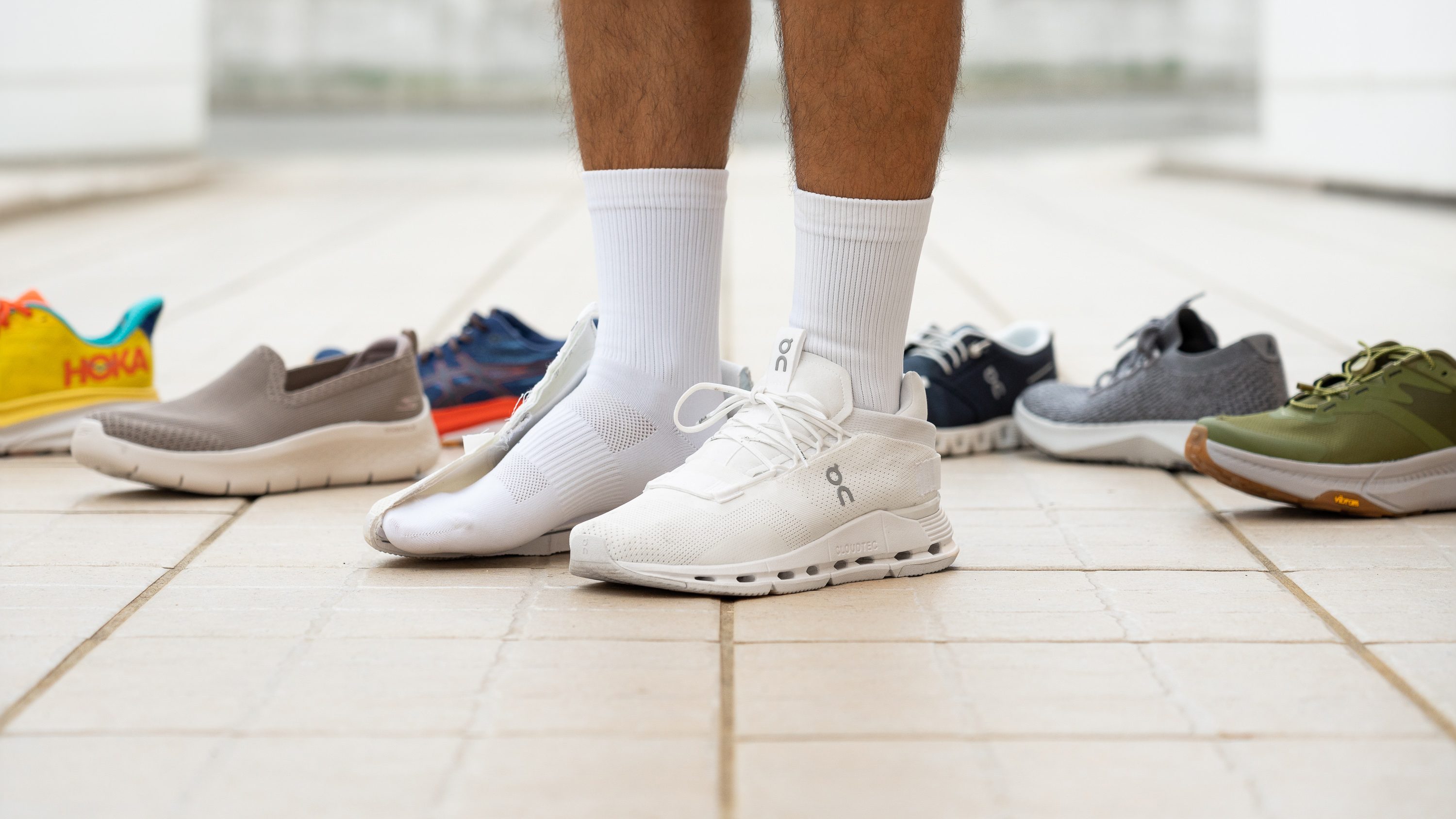
The Pillars of a Perfect Fit: Beyond the Size Number
Your shoe size is a starting point, not a destination. A perfect fit accommodates the unique three-dimensional shape of your foot. Renowned running coach and author Jack Daniels, Ph.D., famously stated, “The most important piece of equipment is your shoes. Don’t buy them for looks; buy them for fit.” This wisdom applies universally. First, consider length: there should be about a thumb’s width (roughly 3/8 to 1/2 inch) of space between your longest toe and the end of the shoe. This allows for natural foot swelling, which occurs throughout the day and during activity. Second, assess width: the ball of your foot should sit comfortably in the widest part of the shoe without feeling pinched or having excess material bunching up. Third, evaluate the heel: your heel should be cradled snugly with minimal slippage. A common mistake is confusing a tight fit for a secure fit. A truly secure fit holds the foot in place without pressure points. Always try on shoes with the type of socks you intend to wear them with and do so in the afternoon or evening when your feet are at their largest. Remember, a well-chosen walking shoe feels good immediately; it should not require a lengthy “break-in” period that risks blisters and discomfort.
Material Matters: Synthetics, Leather, and Breathability
The materials constituting your shoes dictate their durability, climate adaptability, and overall feel. Traditional full-grain leather offers exceptional durability, structure, and a classic aesthetic that molds to the foot over time, as noted in resources like The Leatherworking Handbook. However, modern synthetic meshes and engineered knits, such as those developed by major sportswear brands, provide superior breathability, lightweight flexibility, and often incorporate targeted zones of stretch and support. For a versatile walking shoe, a hybrid approach is often ideal. Look for uppers that combine structured leather or synthetic overlays in high-stress areas (like the eyestay and heel) with breathable mesh panels across the toe box and instep. This design, frequently highlighted in buying guides from sources like Runner’s World, ensures foot stability without sacrificing ventilation, keeping your feet cool and dry during extended wear. The choice between materials should align with your primary use-case: urban exploration in variable weather may lean towards water-resistant leather, while warm-weather fitness walking benefits immensely from advanced, breathable synthetics.
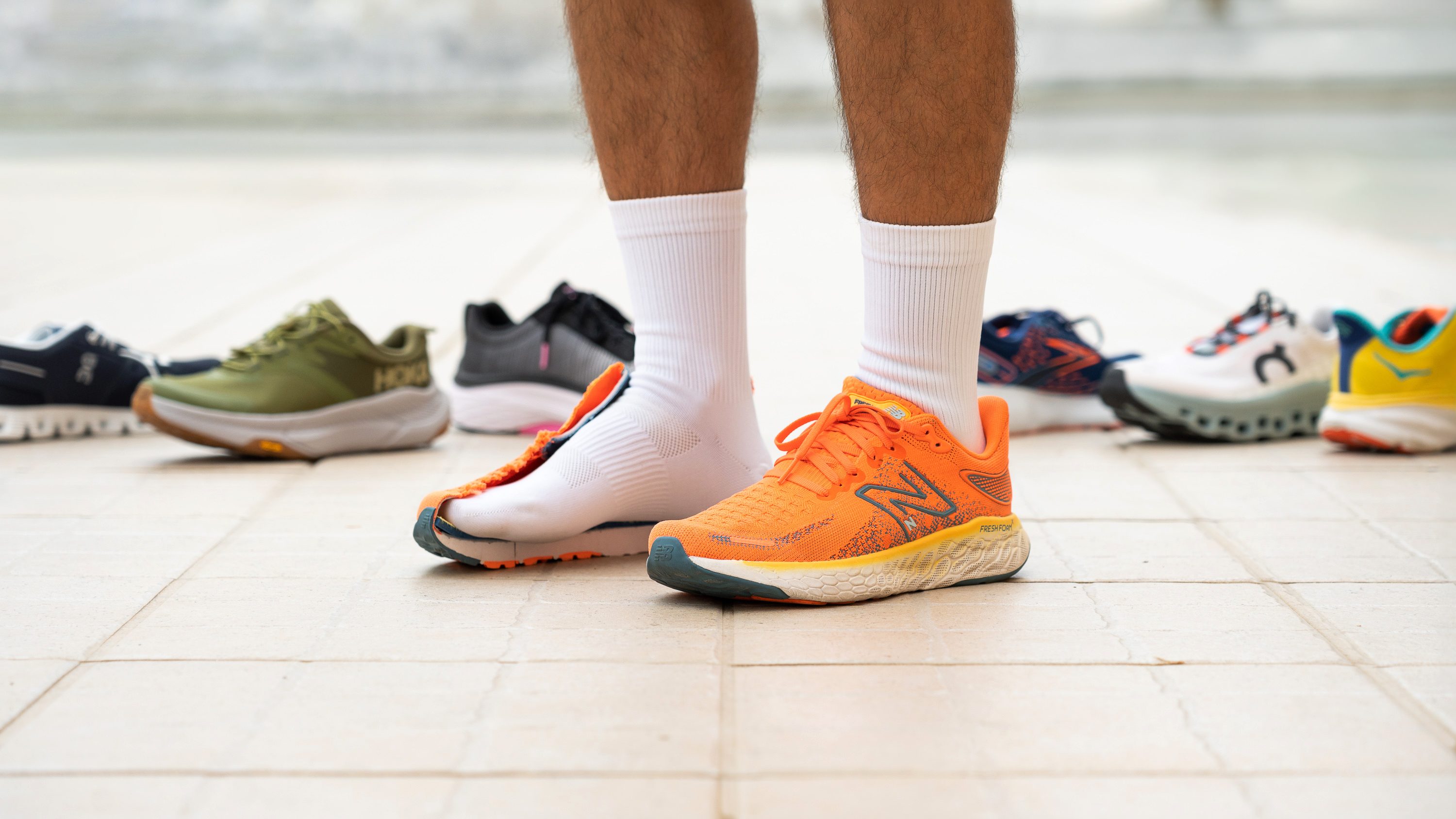
Styling Synergy: Pairing Function with Fashion
The integration of a comfortable shoe into a stylish outfit hinges on intentionality and understanding silhouette. The days of orthopedic-looking shoes are long gone. Today’s market is replete with options that feature clean lines, neutral color palettes, and minimalist designs that complement rather than clash with your wardrobe.
The Modern Sneaker: A Universal Workhorse
A sleek, white leather or grey knit sneaker has become a contemporary classic for a reason. As fashion influencer and author Brittany Bathgate often illustrates, its simplicity allows it to bridge style categories effortlessly. Pair a crisp, minimalist sneaker with tailored trousers and a blazer for a smart-casual look that retains full-day comfort. The key is proportion—a slim or slightly oversized sneaker works well with cropped or tapered pants that allow the shoe to be showcased. This style of walking shoe is your ally for museum visits, city tours, or casual Fridays, providing the cushioning and support needed for hard floors and pavement while maintaining a polished appearance.
Elevated Comfort: Loafers and Oxfords with Support
Formal wear no longer demands painful footwear. Many heritage and modern brands now produce lace-ups and loafers with hidden comfort technologies. Look for styles that incorporate memory foam or proprietary cushioning insoles, flexible outsoles with subtle traction, and soft, lined interiors. As Tim Gunn, fashion consultant and television personality, has advocated, “Style is about self-expression and, above all, attitude.” Choosing a refined leather loafer with built-in arch support is an attitude of self-care. These shoes pair perfectly with everything from dresses and skirts to chinos and denim, proving that support can be invisible. They are the ideal solution for work environments, dinner engagements, or any occasion where traditional dress codes are observed but your comfort is non-negotiable.
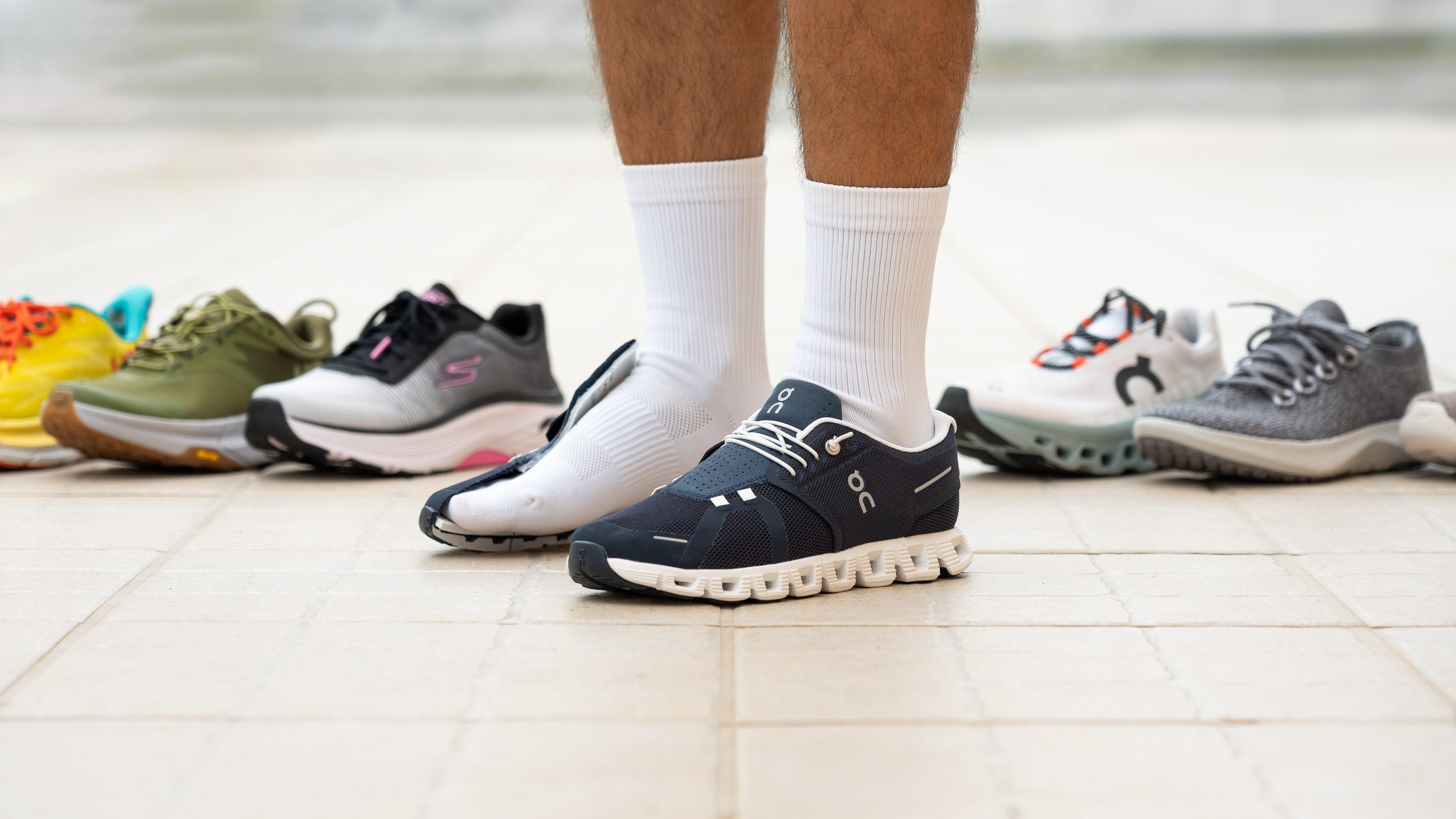
The Investment and Care Cycle: Longevity for Your Feet and Wallet
High-quality, comfortable shoes are an investment in your well-being. However, even the best shoes have a finite lifespan. The cushioning materials in the midsole compress over time, losing their shock-absorption properties long before the upper shows visible wear. Experts from organizations like the American Academy of Podiatric Sports Medicine recommend replacing dedicated walking or running shoes every 300-500 miles. For everyday shoes, pay attention to how they feel. Persistent foot or leg fatigue, new aches, or visible uneven wear on the outsole are clear indicators that the supportive structures have broken down. To extend the life of your shoes, rotate between two or three pairs to allow the materials to decompress between wears. Use a gentle cleaner appropriate for the material, and never put leather shoes near a direct heat source to dry. Stuffing them with newspaper helps maintain shape and absorb moisture. This mindful approach to care ensures your footwear—particularly your crucial walking shoe rotation—remains a reliable and comfortable asset for as long as possible.
:max_bytes(150000):strip_icc()/when-should-i-replace-my-walking-shoes-3436325-0801-7a1840d83573471092e0380f9e230ecc.jpg)
Bringing Expertise and Value to You
Navigating the world of footwear can be overwhelming. Our mission is to distill complex biomechanical research, material science, and style trends into actionable advice for you. We partner with podiatrists, orthotists, and fashion stylists to review and recommend products that truly deliver on their promises. Furthermore, we understand that investing in quality should not mean overpaying. We are committed to scouring the market to bring you direct links to trusted retailers offering competitive discounts and seasonal sales on the brands and models we endorse. Whether you’re seeking a premium leather walking shoe from a heritage brand or a cutting-edge athletic sneaker from an innovative startup, we connect you with both the professional knowledge to choose wisely and the discounted prices that make building a versatile, comfortable wardrobe accessible.
Your journey toward effortless style and enduring comfort begins with a single, well-considered step. By prioritizing the symbiotic relationship between your foot’s needs and your personal aesthetic, you unlock a new dimension of confidence. Let your shoes be the silent, supportive partners that carry you through every moment in comfort, allowing your style to speak for itself, unhindered by distraction or discomfort.
