

The Walking Shoe: Your Secret to Effortless Style and All-Day Comfort
Let’s be honest: for years, shoes forced us to choose. On one side, the altar of fashion—a realm of sleek silhouettes, captivating colors, and designs that whispered of confidence, but often screamed of blisters by noon. On the other, the kingdom of comfort—a land of bulky soles, technical fabrics, and orthopedic nods that promised support but sacrificed any claim to style. We compartmentalized our lives: these shoes for the office, those for the weekend walk, another pair for the evening out. But what if the most revolutionary item in your wardrobe isn’t a statement coat or a designer bag, but something far more fundamental? The paradigm is shifting. The true secret to unlocking a seamless, confident, and energized day lies in a single, transformative concept: the walking shoe reimagined. This is not about a specific brand or a passing trend. It is about a holistic category of footwear engineered to dissolve the archaic barrier between looking impeccable and feeling invincible, from your first morning step to your last evening one.
The Anatomy of All-Day Comfort: It’s More Than Just a Soft Insole
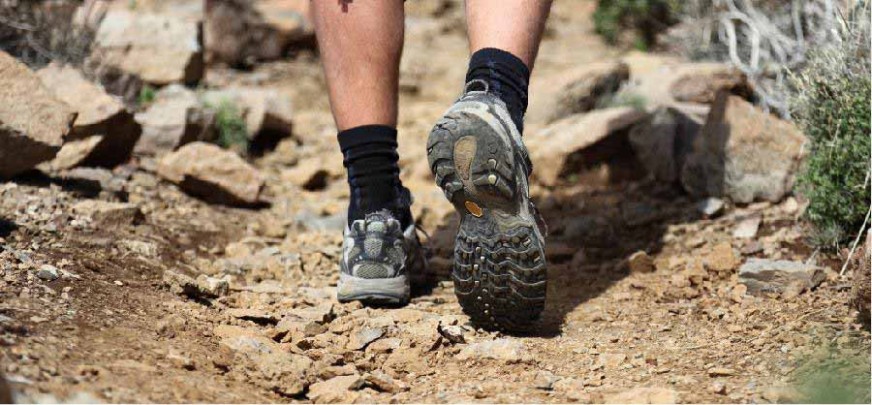
To understand why the modern walking shoe is a game-changer, we must move beyond subjective feelings of “softness” and delve into the objective, biomechanical science of foot health. The human foot is a marvel of engineering—a complex structure of 26 bones, 33 joints, and over 100 muscles, tendons, and ligaments. When this system is improperly supported or unnaturally positioned, the repercussions cascade upwards. As Dr. James Ioli, Chief of Podiatric Surgery at Brigham and Women’s Hospital, has noted, “Foot problems can lead to issues in your knees, hips, and back. Proper footwear is the first line of defense.” The genius of a scientifically-designed walking shoe lies in its synergistic components. The midsole isn’t merely cushioning; it’s often made from advanced polymer foams like EVA or polyurethane that provide energy return, propelling you forward rather than just absorbing shock. The arch support is contoured to the foot’s natural plantar fascia, preventing overpronation or supination—gait abnormalities that can cause long-term injury. The toe box allows for natural splay upon impact, a feature highlighted by Harvard Medical School publications on choosing healthy footwear. This isn’t guesswork; it’s applied podiatric science. When you wear a shoe built on these principles, you’re not just avoiding discomfort; you’re actively investing in the kinetic chain of your body, ensuring that every step contributes to vitality rather than detracting from it through micro-stresses that accumulate into pain.
From Technical Gear to Street Style: The Aesthetic Revolution
The historical chasm between comfort and style wasn’t born from a lack of consumer desire, but from a limitation in material science and design philosophy. Early performance shoes prioritized function with a capital ‘F’, using materials that were technically superior but visually stark. The turning point can be traced to a cultural convergence. High-fashion designers began deconstructing sportswear, while athletic brands hired talent from luxury houses. The result is what we see today: shoes that possess the technical pedigree of a lab-tested running shoe but the clean lines, premium materials, and color palettes of a designer loafer. Take, for instance, the widespread adoption of knitted uppers. Originally developed for performance runners to provide a sock-like, adaptive fit, this technology has been refined into elegant, seamless patterns that rival any knitwear. Celebrity stylist and fashion commentator Allison Bornstein often emphasizes on platforms like YouTube that “the most modern looks are built on juxtaposition—a tailored blazer with an effortlessly cool, comfortable shoe. It signals confidence and a practical kind of luxury.” This ethos is embodied in the modern walking shoe. Brands are now producing models in suede, polished leather, and minimalist mesh that pair flawlessly with tailored trousers, midi skirts, or classic denim. The aesthetic revolution proves that attention to anatomical detail does not require a sacrifice in form; in fact, it can inspire a new, more intelligent and sustainable form of elegance where you own fewer, better, more versatile pieces.

The Psychology of Uninterrupted Ease: How Your Shoes Shape Your Day
The impact of footwear extends far beyond the physical. Cognitive psychology reveals a profound link between physical comfort and mental state. Discomfort is a cognitive load. A pinching heel or an aching arch constantly pulls fragments of your attention away from the task at hand, be it a creative project, a crucial conversation, or simply enjoying a moment. This phenomenon is echoed in the words of author and productivity expert Chris Bailey, who stated in an interview, “Every ounce of willpower you spend tolerating minor discomfort is an ounce you don’t have for deep work or meaningful engagement.” When you eliminate the background noise of physical distress, you free up mental bandwidth. The right walking shoe acts as a psychological enabler. It grants you the freedom to spontaneously walk to a farther lunch spot, stand confidently through a networking event, or chase after a bus without a second thought. This uninterrupted ease fosters a state of flow and presence. Furthermore, the confidence derived from knowing you look polished—without the suffering traditionally associated with “dress” shoes—is palpable. It’s the difference between dressing for an image and dressing for your actual life. Your posture improves, your stride lengthens, and your demeanor becomes more open when you are not bracing against pain with every step. The shoe becomes an invisible foundation for a more capable, resilient, and focused version of yourself.
Demystifying the Features: A Buyer’s Guide to Intelligent Selection
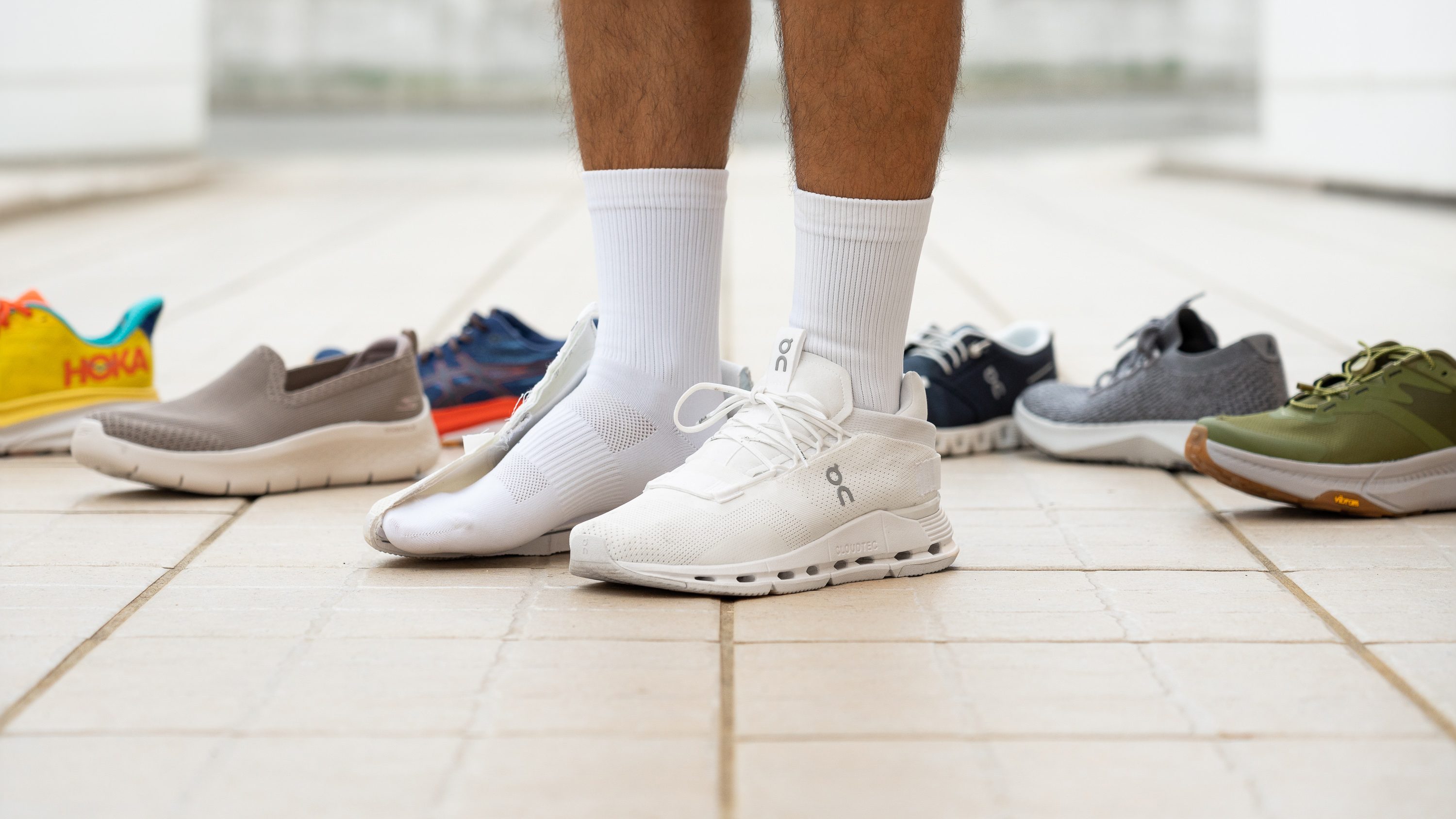
Navigating the market for the perfect walking shoe can be daunting. Let’s translate the technical jargon into practical knowledge. First, consider the last—the foot-shaped form around which the shoe is built. A curved last typically suits high arches, while a straighter last benefits flatter feet. Look for a heel-to-toe drop (the height difference between heel and forefoot) of 4-8mm for a natural gait that encourages a midfoot strike. The outsole should offer flexible grooves for natural foot movement but with durable rubber at key wear points for longevity. Perhaps most critically, prioritize fit over size. Your shoe size can change over time, and different brands have different calibrations. Always try on shoes in the afternoon when your feet are naturally slightly swollen, and ensure there’s a thumb’s width of space between your longest toe and the end of the shoe. Renowned running coach and biomechanist Jay Dicharry, in his book Anatomy for Runners, underscores that “the best shoe is the one that matches your foot’s structure and your movement pattern, not the one with the most marketing hype.” This principle is paramount. A shoe that is perfect for a friend’s foot may be disastrous for yours. Therefore, understanding these features empowers you to make an informed choice, transforming the purchase from a gamble into a strategic investment in your well-being.
Beyond the Pavement: The Versatility of a Modern Essential
The true test of the modern walking shoe is its ability to transcend a single activity. This is where it truly earns its place as a wardrobe essential. Consider a day that might involve a morning commute on the subway, hours of standing and presenting in an office, an evening stroll through a park, and finally, a casual dinner. A traditional dress shoe would fail by midday; a dedicated running shoe would look out of place in the boardroom. The modern walking shoe, however, navigates all these scenarios with grace. Its water-resistant treatments handle unexpected puddles, its breathable linings manage temperature throughout the day, and its sophisticated design maintains a professional yet approachable aesthetic. This versatility is not just convenient; it’s economically and environmentally savvy. It aligns with the “capsule wardrobe” philosophy championed by sustainable fashion advocates, reducing the need for excessive, single-purpose footwear. By choosing one exceptionally well-designed pair over three or four mediocre ones, you participate in a culture of mindful consumption. The shoe becomes a workhorse of your daily life, a reliable companion that supports your ambitions and adapts to your rhythms, proving that the most practical choice can also be the most stylish and sustainable one.
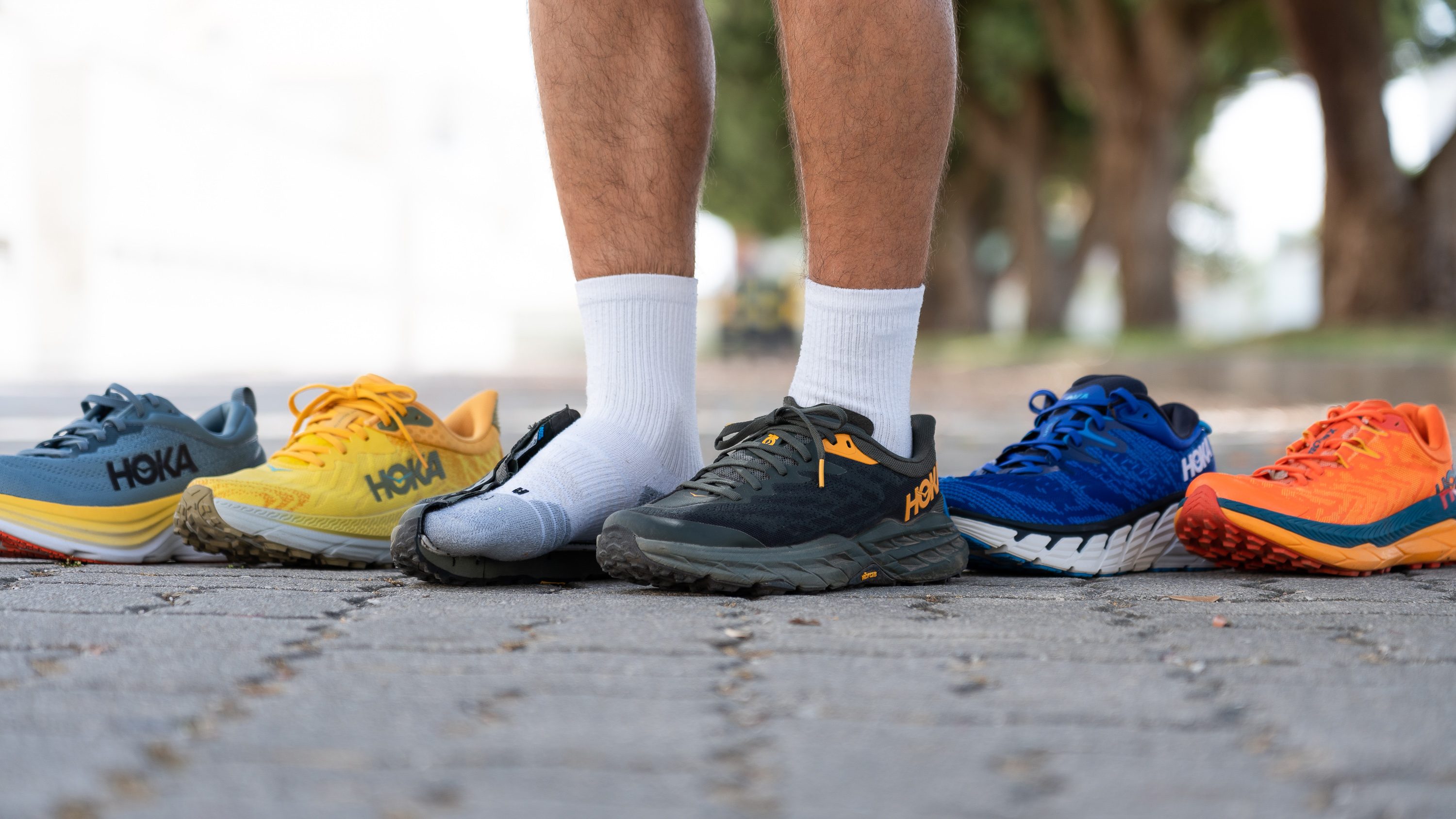
The journey through the science, style, and psychology of footwear leads us to an undeniable conclusion: the era of compromise is over. The pursuit of a shoe that offers both unwavering comfort and authentic style is no longer a fantasy but a readily available reality. This isn’t merely about purchasing a product; it’s about adopting a new philosophy for navigating your world. It’s about recognizing that your foundation—literally, what stands between you and the ground—fundamentally influences your physical health, your mental clarity, and your expressive style. The modern walking shoe is the secret because it works silently, supporting you so completely that you forget it’s there, freeing you to fully engage with your life. It is the ultimate tool for effortless living, proving that when you start with the right foundation, every step you take is a step toward a more comfortable, confident, and capable you.
