

The Ultimate Guide to Tennis Shoes for Everyday Walking
For years, the idea of using tennis shoes for walking was met with skepticism. However, a shift is underway. The modern athletic shoe landscape has blurred the lines between specialized sports gear and versatile everyday wear. This guide isn’t about convincing you to wear court shoes on a hike; it’s about exploring how the engineering principles behind high-performance tennis footwear can be uniquely beneficial for the daily pedestrian. We will dissect the anatomy of a tennis shoe, translate its technical features into walking advantages, and provide a clear-eyed evaluation of when they are—and aren’t—the optimal choice for your miles.
The Unlikely Synergy: Tennis Demands Meet Walking Needs
To understand why tennis shoes for walking can be effective, one must first appreciate the brutal biomechanics of tennis. As noted in sports medicine literature from institutions like the University of British Columbia’s Human Performance Laboratory, tennis involves a unique combination of multi-directional sprints, sudden lateral stops, and constant weight shifting. This places immense stress on the foot’s medial and lateral sides. Consequently, tennis shoe design prioritizes lateral support and stability to prevent ankle rolls—a feature often under-engineered in traditional running shoes, which are built primarily for forward motion. For the everyday walker navigating urban environments, curbs, uneven sidewalks, and quick directional changes, this inherent lateral stability is a significant, often overlooked benefit. It provides a secure platform that can enhance confidence and safety with every step.
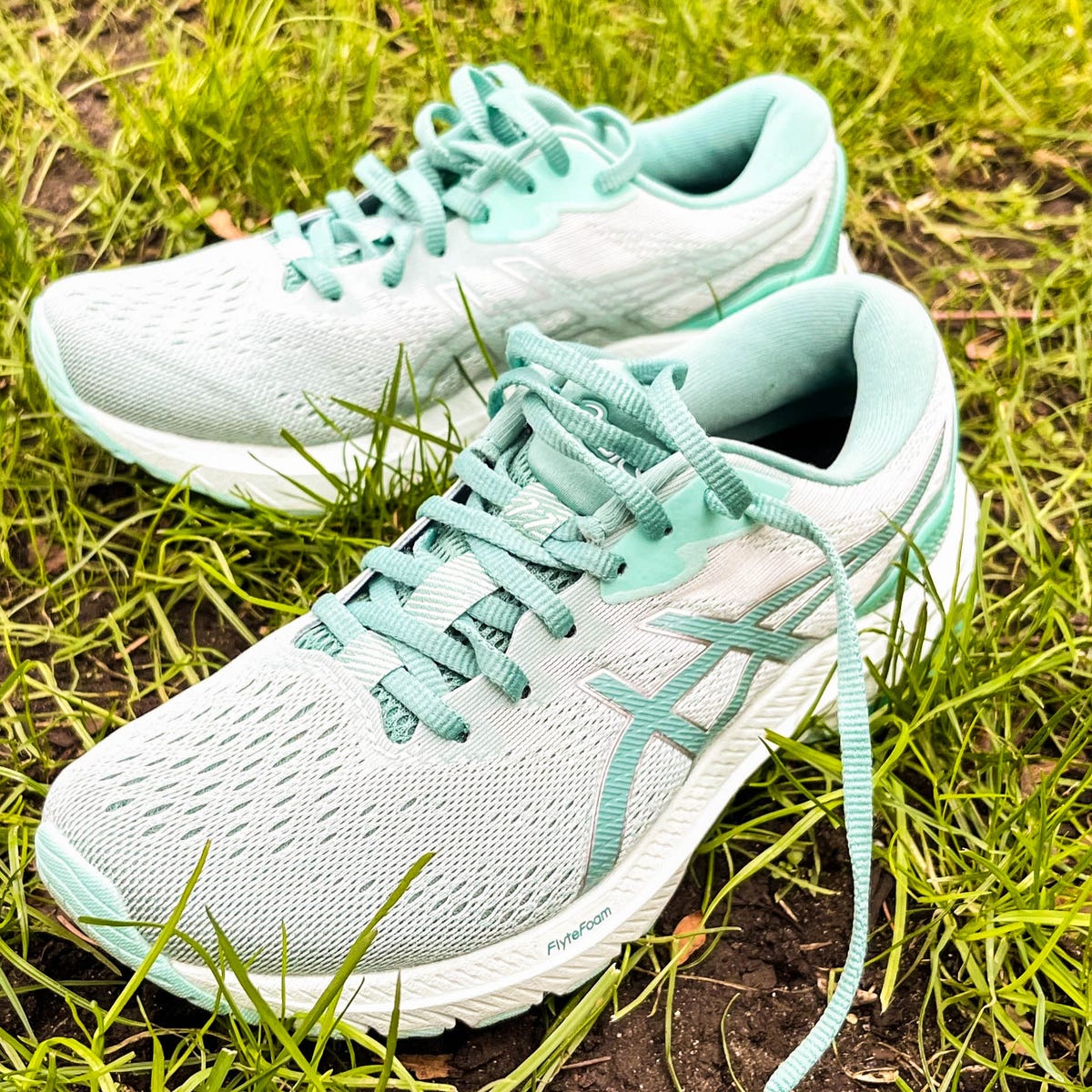
Deconstructing the Tennis Shoe: Key Features for the Walker
1. The Foundation: Midsole Cushioning and Durability
The midsole is the heart of any athletic shoe. In running shoes, cushioning is often tuned for heel-to-toe impact at the expense of density. Tennis shoes, however, require a different compromise. As explained by podiatrists on platforms like Quora and in peer-reviewed journals, the foam must be responsive enough for explosive movement yet durable enough to withstand the abrasive “dragging” of the foot during lateral slides on court. This often results in a slightly firmer, more resilient midsole compound. For walking, this translates to long-lasting cushioning that resists premature compaction. You’re not just getting softness; you’re getting structured support that maintains its integrity over hundreds of miles. Brands like ASICS, with their GEL technology, and Nike, with their Air units, often incorporate these durable cushioning systems into their tennis lines, providing excellent shock absorption for the repetitive impact of walking.
2. The Guardian: Outsole Traction and Pattern
Look at the bottom of a tennis shoe. You’ll rarely find the deep, aggressive lugs of a trail runner or the simple, smooth pattern of a casual sneaker. Instead, you find a herringbone or modified hexagonal pattern. This design, as documented by equipment reviews on sites like Tennis Warehouse, is engineered for omnidirectional grip on hard, smooth surfaces. For the walker, this means superior traction on pavement, tile, and hardwood floors. The flat, wide-outsole profile also increases surface contact, enhancing stability. Compared to a running shoe’s outsole, which may prioritize lightweight flexibility, the tennis shoe’s outsole is typically made of a harder, more abrasion-resistant rubber (like Nike’s Durabuck or Adidas’s Adiwear), dramatically extending the shoe’s lifespan against the concrete grind of daily commutes.

3. The Framework: Upper Support and Fit
The upper of a tennis shoe is a fortress. To contain the violent lateral motions of the sport, uppers are often constructed with reinforced synthetic overlays, sturdy mesh, and robust stitching in high-stress areas. This creates a “locked-down” feel. For a walker with a neutral gait or one who values a secure fit, this can prevent the foot from sliding within the shoe, reducing blister risk. Furthermore, the toe box area is frequently fortified with a “toe guard” or extra material to protect against toe-drags during serves—a feature that coincidentally protects your toes from accidental bumps against furniture or curbs. However, this structured design can be less forgiving for those with particularly wide feet or who prefer a highly flexible, sock-like feel.
When Tennis Shoes Excel as Walking Companions
The ideal use case for tennis shoes for walking is in structured, urban, or suburban environments. If your daily routine involves a mix of surfaces—walking to the train, navigating office corridors, running errands on paved streets—the tennis shoe’s blend of cushioning, lateral stability, and hard-surface traction is unparalleled. They are also excellent for those who incorporate walking into a dynamic fitness routine that might include light gym work or standing for long periods, as the stable base is easier on the joints than minimalist footwear. As celebrity trainer Harley Pasternak has mentioned in interviews, consistency is key to fitness, and comfortable, supportive shoes you can wear all day encourage more incidental movement. A well-chosen pair of tennis shoes can be that all-day tool.
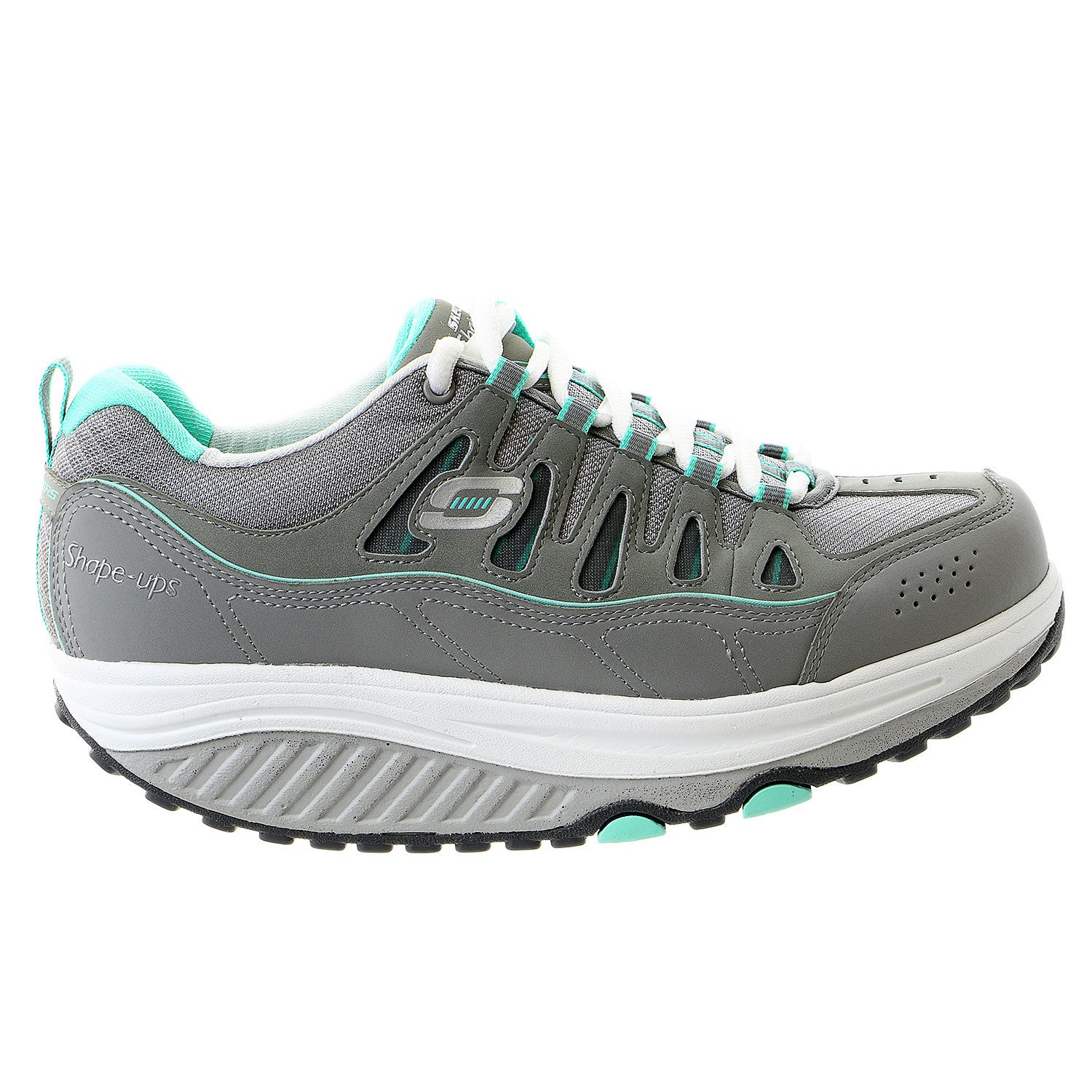
The Caveats: When to Choose a Dedicated Walking Shoe
Objectivity demands we address the limitations. Tennis shoes are not magical. Their firmer midsole and structured upper can be overkill for a straightforward, long-distance walk on a perfectly flat path. Dedicated walking shoes or some running shoes might offer a softer, more plush ride for pure forward motion. Furthermore, the very stability features that help some can hinder others. Individuals with a pronounced overpronation (rolling inward) or supination (rolling outward) may require the specific motion-control or cushioning technologies found in gait-analyzed running or walking shoes. As the American Podiatric Medical Association suggests, the “best” shoe is highly individual and activity-specific. For dedicated, multi-mile fitness walks, a shoe designed specifically for the biomechanics of walking may offer a more optimized experience.
Making an Informed Choice: A Buyer’s Perspective
You are now armed with the science. When you shop, look beyond the sport label. Examine the shoe’s components: Is the midsole a reputable, durable foam? Is the outsole rubber substantial with a flat, grippy pattern? Does the upper provide secure, comfortable support without pressure points? Try them on in the afternoon when your feet are slightly swollen. Walk around the store, making side-to-side movements to test the lateral support. Remember, the goal is to find a tool that supports your lifestyle. The value of a true tennis shoes for walking strategy lies in its versatility and durability, which often translates to cost-per-wear savings. Investing in a quality pair from brands like New Balance, ASICS, or K-Swiss, especially during seasonal sales or through reputable online retailers, can bring professional-grade support to your everyday life at a discounted price, making advanced footwear technology accessible beyond the court.

The Final Verdict: A Paradigm of Practical Performance
The journey through the world of tennis shoes for walking reveals a compelling truth: optimal gear is defined by the demands placed upon it, not just the label on the box. The tennis shoe, born from the crucible of one of the most demanding court sports, emerges as a surprisingly adept performer in the theater of everyday life. Its DNA—forged in lateral stability, durable cushioning, and tenacious traction—provides a robust, protective, and long-wearing solution for the multifaceted movement patterns of modern living. It is a testament to the idea that the best tool for the job might already be in your closet, waiting for its potential to be fully realized on the pavement, in the park, or on your daily commute.
