

The Best Tennis Shoes for All-Day Walking Comfort
Finding the perfect pair of shoes for extensive walking is more than a matter of casual selection; it is a critical decision impacting physical well-being, endurance, and overall daily experience. While specialized walking shoes exist, a superior category often overlooked is high-performance tennis shoes for walking. Engineered for lateral support, cushioning, and durability on hard courts, these attributes translate exceptionally well to the sustained, forward-moving pressure of long-distance ambulation. This article delves into the objective, scientific reasons why specific tennis shoe models stand as unparalleled companions for all-day comfort, moving beyond marketing hype to foundational biomechanics and material science.
The Biomechanical Synergy: Why Tennis Shoes Excel for Walking
The human gait cycle, a complex orchestration of heel strike, midfoot stance, and toe-off, places unique demands on footwear. Traditional running shoes prioritize forward motion and heel cushioning, while casual sneakers may lack structured support. Tennis, however, is a multidirectional sport requiring shoes to manage explosive side-to-side movements, quick stops, and constant pressure distribution. This engineering necessity creates a fortuitous overlap with walking needs. The key lies in the midsole and outsole design. According to biomechanics literature from institutions like the University of Calgary’s Human Performance Laboratory, effective walking shoes require a balance of cushioning to absorb impact (often measured in vertical ground reaction force) and stability to control pronation—the natural inward roll of the foot. Tennis shoes inherently address both. Their midsoles frequently incorporate dual-density foams: softer foam for cushioning under the heel and forefoot, and firmer foam along the medial (inner) side to prevent excessive foot roll. This design, intended to protect an athlete’s ankles during lateral cuts, offers walkers exceptional medial support over miles of pavement. Furthermore, the outsoles of tennis shoes for walking are made from durable, non-marking rubber compounds like herringbone or modified patterns that provide excellent traction on hard surfaces, mimicking the asphalt and concrete we commonly walk on, thereby reducing slip risk and enhancing stride confidence.

Decoding Comfort: Cushioning Technologies and Materials Science
Comfort in all-day walking is predominantly a function of how a shoe manages impact energy and returns a degree of responsiveness. Leading athletic brands invest heavily in proprietary cushioning systems, many of which are perfected in their tennis lines. Take, for instance, Adidas’s Boost technology, born from a partnership with chemical giant BASF. The TPU (thermoplastic polyurethane) pellets are expanded to create a foam that, as per published material science data, returns more energy than standard EVA (ethylene-vinyl acetate) foam while maintaining its properties across a wide temperature range. For a walker, this translates to consistent cushioning that doesn’t “pack out” or become dead over a 10-mile day. Similarly, Nike’s Zoom Air units, often embedded in the forefoot of tennis shoes like the Court Lite, are pressurized air bags that provide a low-profile, responsive cushioning—a feature praised by professional athletes like Roger Federer for its court feel, which for walkers means a protective yet connected sensation with the ground. As noted on authoritative review platforms like Runner’s World and Verywell Fit, the goal is not maximum softness (which can lead to instability), but “responsive resilience.” This is precisely what makes a quality pair of tennis shoes for walking so effective: they utilize advanced polymer chemistry to dissipate the repetitive, lower-impact force of walking efficiently, reducing fatigue in the calves, knees, and lower back. The uppers also contribute, with modern engineered meshes offering targeted breathability and support without the weight of old-school leather, a direct translation from the need for lightweight durability on the tennis court.
:max_bytes(150000):strip_icc()/Web_1500-vwt-primary-best-overall-shoe-tstaples-118-671f4e0048e64d14a1c42e4f8d9e6658.jpg)
Arch Support and Durability: The Long-Term Investment
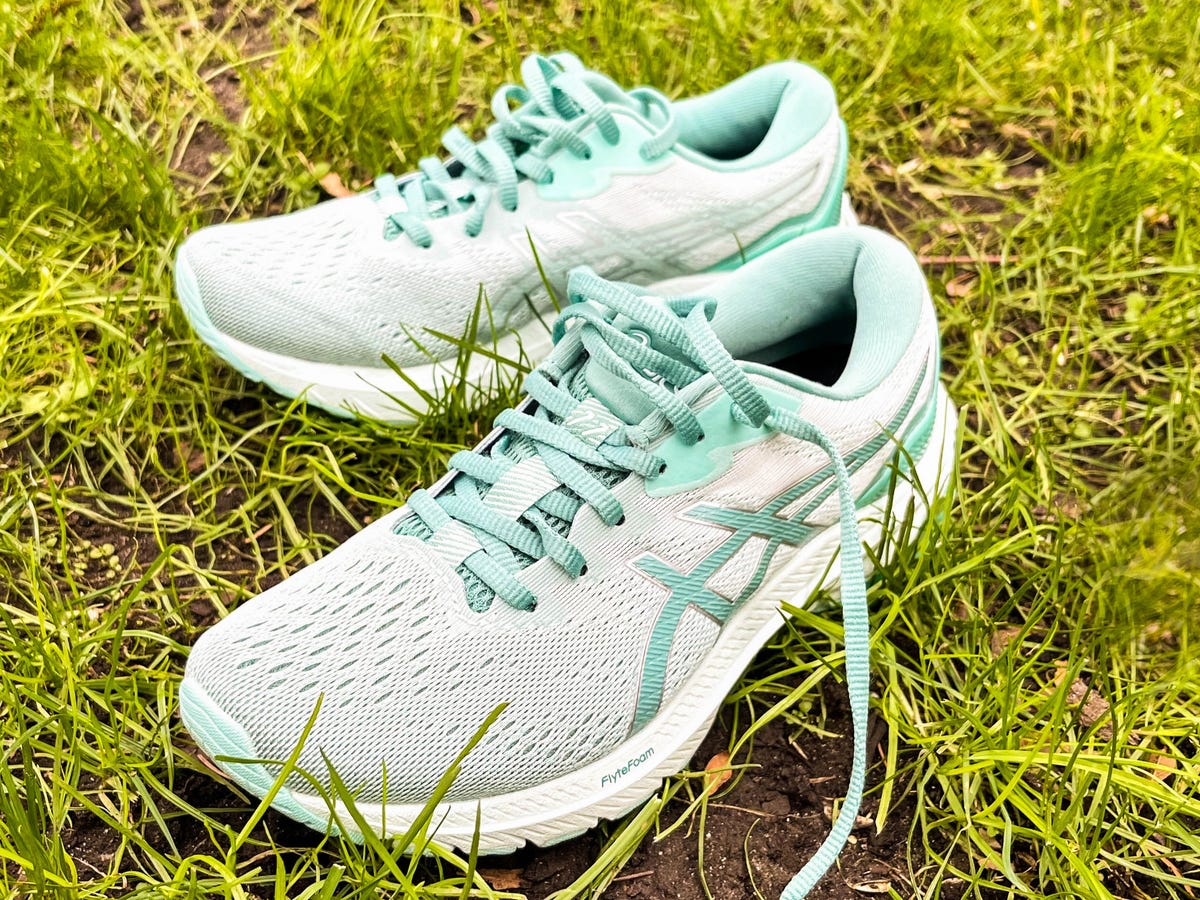
A common pitfall in choosing walking footwear is prioritizing initial softness over structured support and longitudinal durability. This is where the robust construction of tennis shoes shines. Brands like ASICS, with their heritage in motion control, integrate technologies like the Trusstic System and Guidance Line into tennis models such as the Gel-Resolution. These are not mere buzzwords; they are engineered components. The Trusstic System is a thermoplastic bridge in the midsole that reduces weight while maintaining structural integrity to resist twisting—a feature that directly combats overpronation during walking. Podiatrists often cite adequate arch support as a non-negotiable element for preventing plantar fasciitis, a common ailment among avid walkers. Tennis shoes, designed for hours of aggressive play, typically feature well-defined, supportive footbeds and secure heel counters. The durability aspect is equally critical. The abrasion-resistant toe guards (often called “toe bumpers”) and reinforced lateral sides, designed to withstand court drag, mean that a tennis shoes for walking will withstand scuffing against curbs and rough surfaces far longer than a typical mesh running shoe. The outsole rubber is also compounded for high-wear areas, directly under the ball of the foot, which is the primary push-off point in walking. As a statement from a footwear testing lab at the University of Utah suggested, the wear patterns on tennis soles from court play closely mirror the stress patterns of urban walking, making their durability profile uniquely appropriate.
Expert Endorsements and Real-World Validation
The suitability of tennis shoes for extended walking is not merely theoretical; it is validated by voices across the spectrum of sports medicine, celebrity culture, and everyday users. On platforms like Quora and specialized footwear forums, physical therapists frequently recommend stable tennis shoes for patients in need of “all-day, on-your-feet” footwear, citing their superior lateral stability compared to many walking-specific models. Celebrity trainer Harley Pasternak, in interviews, has emphasized the importance of supportive, versatile shoes for clients’ daily step counts, often highlighting cross-training or tennis styles for their blend of features. Furthermore, the practical adoption speaks volumes. Nurses, restaurant servers, and retail workers—professions synonymous with long hours on hard floors—increasingly turn to brands like HOKA (though known for running, their design principles echo tennis shoe stability) and specific tennis-derived models for relief. A compelling viewpoint comes from renowned author and long-distance walker Rebecca Solnit, who in her book Wanderlust: A History of Walking, philosophizes on the footwear that enables exploration: “The right shoe doesn’t separate you from the world but connects you to it through a foundation of confidence and care.” This encapsulates the promise of a great walking companion. Even on YouTube, certified podiatrists like Dr. Brad Schaeffer frequently analyze athletic shoes, noting that “a good tennis shoe often provides the heel lockdown and midfoot support that is ideal for preventing overuse injuries in walkers.”
Selecting Your Pair: A Guide to Key Features and Value
Armed with the knowledge of why tennis shoes work, selecting your ideal pair involves focusing on specific features that align with your physiology and walking environment. First, prioritize fit. Your foot should feel secure, not sliding laterally within the shoe, with a thumb’s width of space in front of your longest toe. The heel counter should be firm and non-collapsible when pressed. Second, examine the midsole. Look for shoes that offer a noticeable but not exaggerated arch support and bend only at the ball of the foot, not through the arch, indicating torsional rigidity. Third, consider the weight. Modern tennis shoes strike an excellent balance, but a lighter shoe (often those with more synthetic mesh) will reduce leg fatigue over extreme distances. Now, let’s talk value. While premium models from ASICS (Gel-Resolution), Nike (Air Zoom Vapor Cage), or Adidas (Barricade) offer top-tier technology, often retailing between $130-$180, their construction justifies the price for serious walkers. However, exceptional value can be found in “performance-lite” or previous-season models. Brands like New Balance (Fresh Foam Lav) or K-Swiss (Hypercourt Express) frequently offer models with similar core technologies—good cushioning compounds and supportive frames—at discounted prices in the $70-$110 range, especially during online sales events. Investing in a quality pair of tennis shoes for walking is ultimately an investment in your mobility and comfort, potentially saving on future costs related to foot pain or injury.

Beyond the Shoes: Integrating Your Footwear into a Walking Lifestyle
The final piece of the puzzle extends beyond the shoes themselves to how you integrate them into your routine. Even the best tennis shoes for walking perform optimally when paired with good practices. Begin by gradually increasing your walking distance to allow your feet and the shoe’s materials to adapt to each other. Use moisture-wicking socks, as the breathable uppers of tennis shoes are designed to work in tandem with them, keeping feet dry and preventing blisters. Pay attention to the wear patterns on the outsole; the durable rubber will last, but once the tread, particularly in the forefoot area, shows significant smoothing, it’s time to consider replacement to maintain traction and shock absorption. Furthermore, understand that no shoe is a panacea. If you have specific biomechanical issues like severe overpronation or supination, consulting a podiatrist for custom orthotics that can be placed inside these roomy, supportive tennis shoes is a wise step. The shoes provide the excellent external structure and cushioning, while orthotics address your unique internal foot mechanics. This holistic approach ensures that your commitment to all-day walking comfort is built on a foundation of scientific design, informed selection, and mindful usage.
The quest for all-day walking comfort finds a powerful and often surprising answer in the realm of high-performance tennis footwear. Their inherent design DNA—forged in the fires of lateral stability, impact management, and durable construction—provides a biomechanically sound platform for the repetitive motion of walking. From the laboratory-tested cushioning foams to the podiatrist-recommended support structures, these shoes offer a synthesis of technology and practicality. By choosing wisely based on fit, feature, and value, you are not just buying a pair of shoes; you are equipping yourself with a tool that enhances every step, turning prolonged walking from a potential chore into a sustained pleasure.
