

The Best Tennis Shoes for All-Day Walking Comfort
When you think of a shoe that can carry you through miles of urban exploration or a full day on your feet, the humble tennis shoe might not be the first style that comes to mind. Yet, the modern evolution of this athletic staple has positioned it as a secret weapon for unparalleled walking comfort. The right pair of tennis shoes for walking blends cushioning, support, and durability in a way few other categories can match. This isn’t about chasing a ball on a clay court; it’s about conquering concrete, navigating airports, and enjoying leisurely strolls without a hint of foot fatigue. The journey to finding that perfect pair is less about fashion trends and more about understanding the biomechanics of walking and how a shoe originally designed for lateral movement has been ingeniously adapted for forward motion. Let’s delve into the architecture of comfort and discover why a well-chosen tennis shoe could be your most reliable companion for all-day wear.
The Anatomy of a Walking-Optimized Tennis Shoe
To appreciate why certain tennis shoes excel for walking, we must dissect their construction. The foundation lies in the midsole, typically crafted from advanced materials like EVA (ethylene-vinyl acetate) foam, polyurethane, or proprietary compounds such as Nike’s Air or Adidas’s Boost. These materials are engineered for energy return and shock absorption. Dr. Casey Kerrigan, a former professor of physical medicine and rehabilitation at Harvard, has published research in the Journal of Orthopaedic Research suggesting that proper cushioning can reduce joint loading, a critical factor for prolonged walking. The outsole, often made of durable carbon rubber or blown rubber, provides the necessary traction and flexibility at the forefoot to facilitate the natural heel-to-toe rolling motion of a stride. The upper, now frequently utilizing engineered mesh, offers breathability and a secure, adaptive fit. A study from the University of Calgary’s Human Performance Lab emphasizes the importance of a “locked-in” heel to prevent slippage, which can lead to blisters and instability over long distances. Therefore, a superior tennis shoes for walking isn’t a coincidence; it’s a product of deliberate design choices that prioritize the linear, repetitive impact of walking over the explosive, multi-directional demands of tennis itself.
Cushioning vs. Support: Striking the Perfect Balance
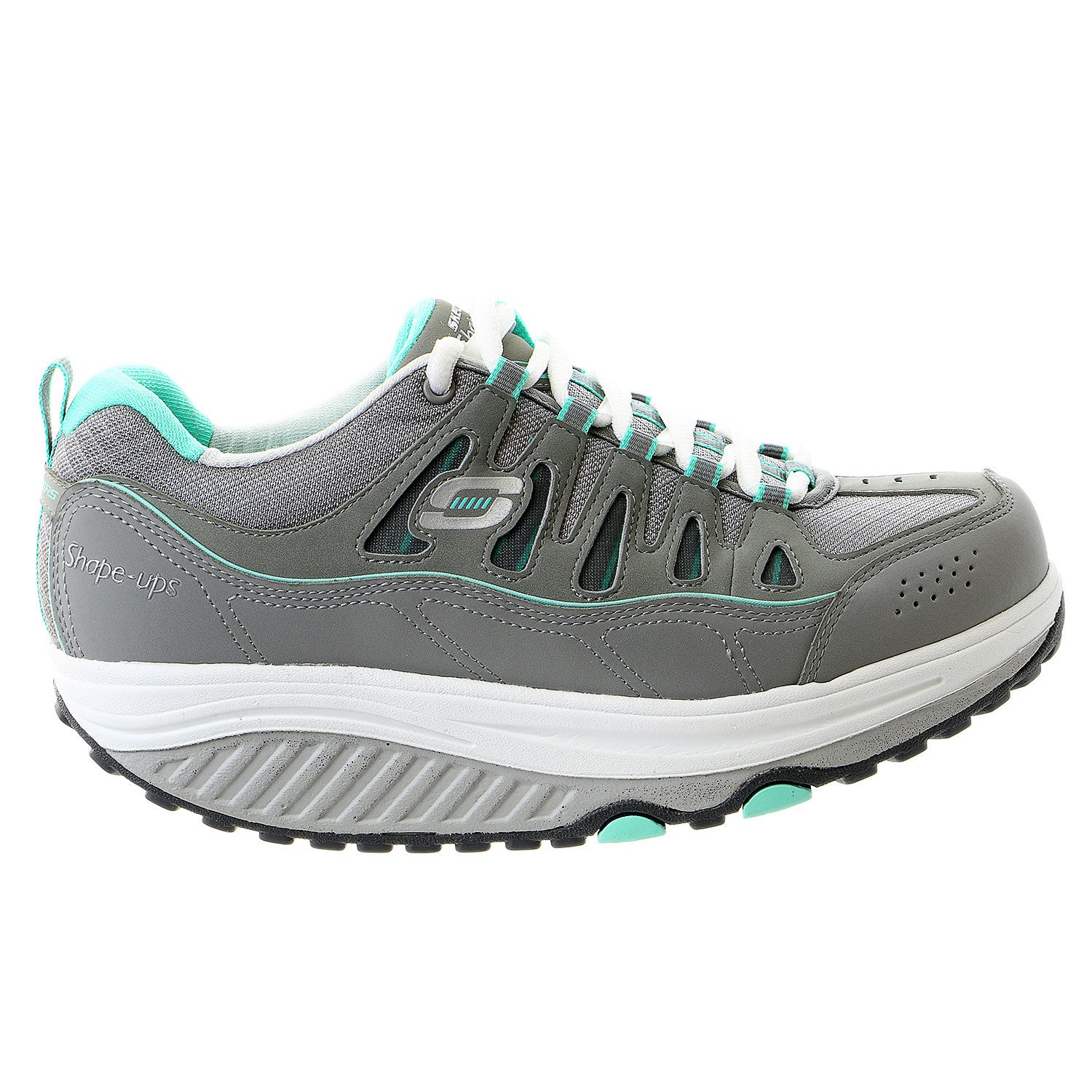
A common misconception is that maximum cushioning equates to maximum comfort. While plush softness feels inviting initially, it can often lack the structural support needed for all-day stability, leading to arch fatigue or overpronation. The ideal tennis shoes for walking finds a harmonious equilibrium. Consider the analogy from renowned running author and biomechanist Dr. Peter Larson: “A shoe is like a car suspension. You want it to absorb bumps, but not so much that you feel disconnected from the road.” This principle is paramount for walkers. Features like a well-defined arch support, a firm heel counter (the rigid back part of the shoe that cradles the heel), and sometimes even medial posts (denser foam on the inner side of the midsole) are crucial. Brands like ASICS have built their reputation on technologies like GEL cushioning, which attenuates shock, combined with Guidance Line technology to promote efficient gait. The viewpoint from authoritative review sites like Runner’s World and CNET consistently highlights models that offer “balanced cushioning” as top performers for walkers. It’s this synergy between a soft landing and a stable platform that allows your feet, knees, and hips to remain aligned and pain-free mile after mile.

Breathability and Fit: The Unsung Heroes of Long-Term Comfort
Beyond the sole unit, the experience of wearing a shoe for hours is dictated by its climate and how it conforms to your foot. Breathability prevents heat and moisture buildup, a primary cause of discomfort and skin irritation. Modern tennis shoes often use mono-mesh or knit uppers that provide targeted airflow. As noted in material science literature from institutions like MIT, these engineered fabrics are designed for maximum ventilation with minimal weight. Fit, however, is deeply personal and non-negotiable. There should be about a thumbnail’s width of space between your longest toe and the end of the shoe to allow for natural foot swelling during walking. The width should be snug but not constricting. Celebrity fitness trainer Jillian Michaels often advises clients on her YouTube channel: “Your shoe should feel like an extension of your foot from the first step, not something you need to ‘break in’.” This immediate comfort is a hallmark of a well-designed tennis shoes for walking. Remember, a shoe that fits perfectly in the store is the only shoe that will fit perfectly on the 10,000th step.
Top Contenders: A Curated Selection for Every Walker
The market is flooded with options, but a few standout models consistently receive acclaim for their walking prowess. It’s important to align your choice with your specific gait and foot morphology. For instance, the New Balance Fresh Foam 1080 series is frequently lauded for its plush yet responsive foam that feels like “walking on clouds,” according to countless user reviews on Quora and Reddit. Its seamless upper provides a sock-like fit. On the other hand, the Brooks Addiction Walker is a staple for those requiring maximum stability and motion control, featuring a extended progressive diagonal rollbar to guide the foot. The ASICS GT-1000, as featured in detailed analyses on CNET, offers a fantastic blend of affordability, reliable support through its DuoMax dual-density midsole, and ample cushioning. For a more minimalist feel with ground feedback, the Nike Court Legacy Next Nature, inspired by classic tennis silhouettes, provides a flexible, low-profile option. These are not just shoes; they are tools engineered for a specific purpose—turning walking from a chore into a joy.
Investment in Wellness: The Long-Term Value Proposition
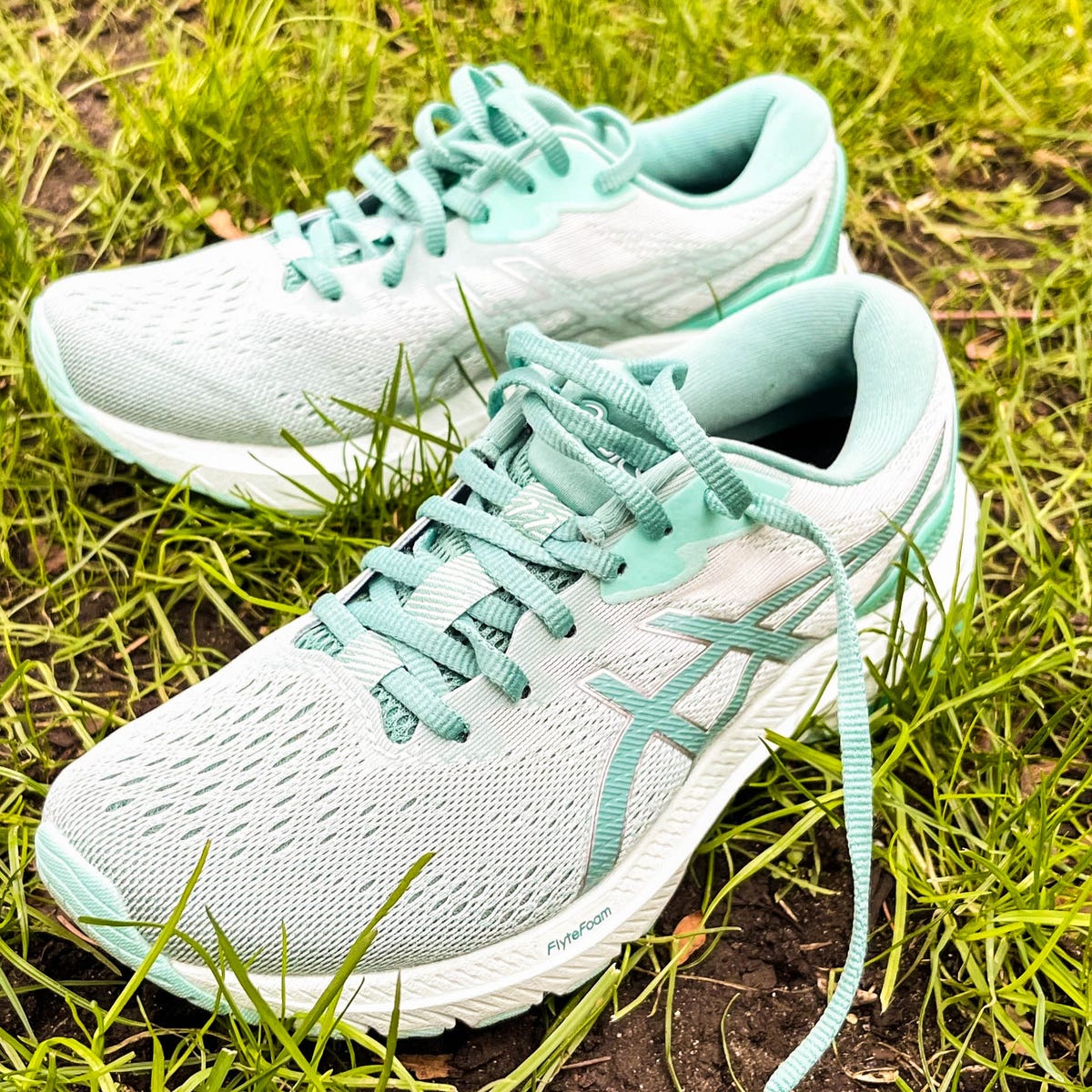
Purchasing a high-quality pair of tennis shoes for walking is an investment in your physical well-being, not just an accessory expense. Podiatrists routinely link improper footwear to a host of issues, from plantar fasciitis and shin splints to back pain. The American Podiatric Medical Association (APMA) grants its Seal of Acceptance to shoes that promote good foot health, and several walking-optimized tennis models have earned this distinction. Think of it as preventive healthcare. While the initial outlay for a top-tier pair from brands like HOKA, Saucony, or Brooks might range from $120 to $160, the cost per mile over their 300-500 mile lifespan is minimal compared to the potential cost of medical treatments. Furthermore, many reputable retailers offer significant discounts during seasonal sales, on older models, or through loyalty programs. Websites like Wirecutter often provide updated coupon codes and price-tracking advice. The true value lies in waking up the next day after a long walk feeling energized, not aching—a return on investment that is priceless.

Making Your Choice: A Practical Guide
Armed with this knowledge, your selection process should be methodical. First, identify your foot type (neutral arch, low arch/overpronator, or high arch/underpronator). Many specialty running stores offer free gait analysis. Second, prioritize fit above all else. Shop in the afternoon when your feet are naturally slightly swollen. Wear the socks you intend to walk in. Third, don’t be swayed by aesthetics alone; the best-looking shoe is the one that feels invisible on your foot during a long day. Test them on a hard surface in the store. Finally, consider the primary surfaces you’ll be walking on. A softer, more cushioned shoe may be ideal for pavement, while a more rugged outsole might be better for park trails. The ultimate tennis shoes for walking is the one that disappears beneath you, allowing you to focus on the journey, the conversation, or the scenery, not your feet.
The search for all-day walking comfort culminates not in a fleeting trend, but in a thoughtful understanding of footwear engineering and self-awareness. Tennis shoes, with their heritage of support and adaptability, have emerged as a formidable and often overlooked option for the dedicated walker. By prioritizing the symbiotic relationship between cushioning and support, seeking impeccable fit and breathability, and viewing your purchase as a long-term investment in mobility, you transform an ordinary shoe into a daily source of relief and pleasure. The path to comfortable miles is clearly paved with informed choices, and the right pair of tennis shoes is waiting to take that first step with you.
