

Your Ultimate Guide to Stylish and Comfortable Everyday Footwear
Let’s move beyond the idea that style and comfort are opposing forces in footwear. The perfect pair for daily life doesn’t force you to choose; it seamlessly blends aesthetic appeal with foundational support, transforming your everyday movement from a mundane necessity into a sustained pleasure. This guide is built on the principle that informed choices lead to better experiences. We’ll dissect the science of comfort, decode the language of style, and provide you with the knowledge to select shoes that support not just your arches, but your entire lifestyle. Forget vague advice; we’re grounding our recommendations in biomechanics, material science, and design principles, referencing authoritative sources to build a comprehensive roadmap for your feet.
The Foundation: Understanding What Makes a Shoe Work for You
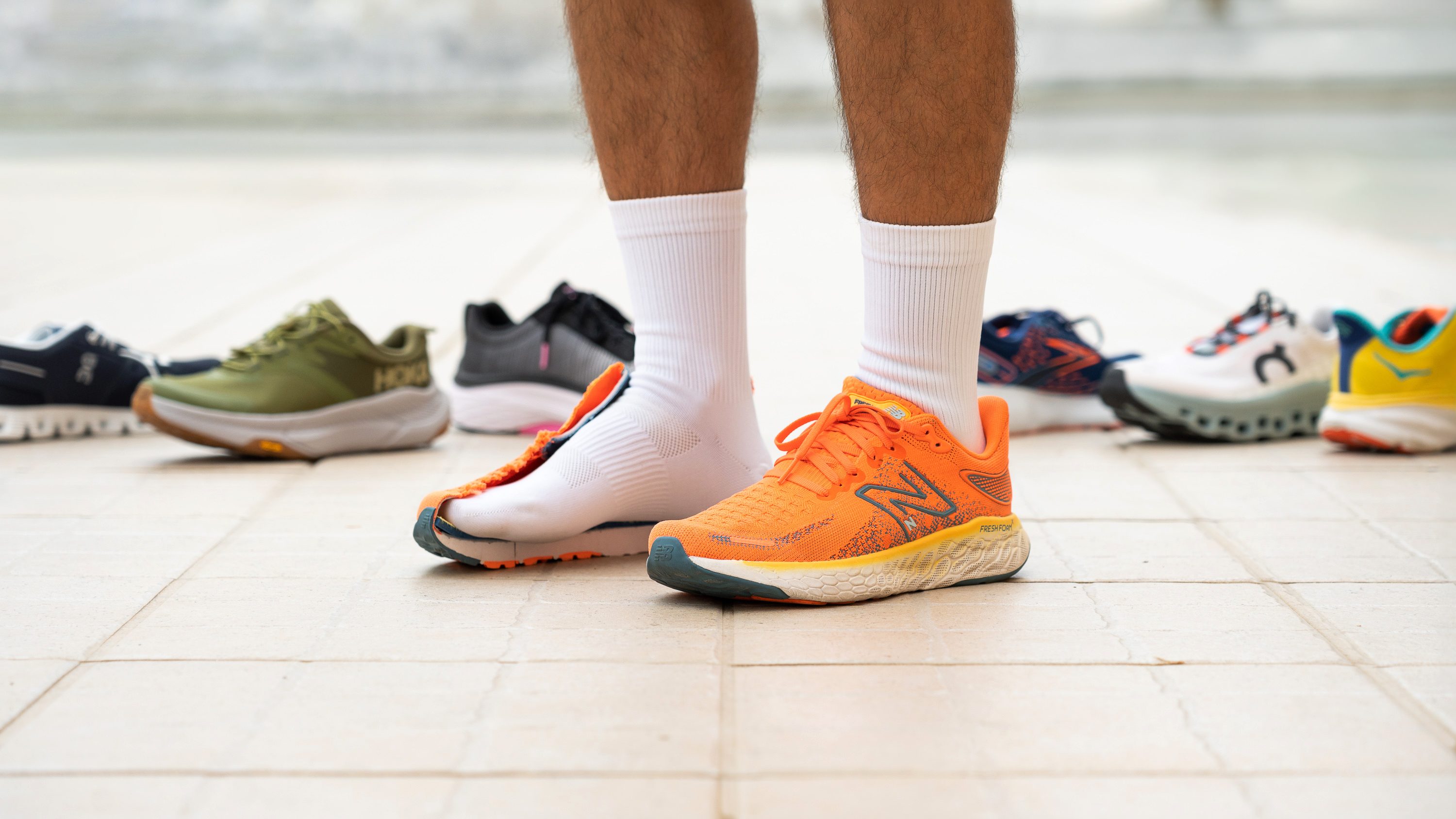
Before admiring a sleek silhouette or a trendy colorway, we must start from the ground up—literally. The primary function of any shoe, especially one meant for all-day wear, is to interface effectively between your body and the ground. This is where the concept of the walking shoe becomes critical, not as a bland category, but as an engineered solution. According to biomechanics research often cited in podiatric literature, a proper walking shoe manages the gait cycle—the sequence from heel strike to toe-off—by providing structured cushioning, stability, and flexibility in the right places. Harvard Medical School publications on foot health emphasize that repetitive stress from improper footwear can lead to a cascade of issues, from plantar fasciitis to knee and back pain. Therefore, the core of a great everyday shoe isn’t invisible; it’s in its construction. Key elements include a heel counter that locks your foot in place, a midsole with appropriate density (often using EVA or polyurethane compounds) to absorb shock, and a last (the shoe’s form) that matches your foot’s general shape. When you slip on a well-designed walking shoe, you’re not just putting on a covering; you’re engaging a system designed to protect and propel you efficiently throughout the day.
Material Matters: Breathability, Durability, and Sustainability
The shell of your shoe is its first line of defense and its most visible attribute. Materials dictate not only how a shoe looks and feels but also how it performs over time and in different conditions. Traditional leather offers durability and a capacity to mold to the foot, but modern synthetics and knits have revolutionized everyday footwear. Technical meshes, like those used in many premium running and walking shoes, provide exceptional breathability, a factor crucial for foot health as noted by the American Podiatric Medical Association, which warns that damp environments can foster fungal infections. Furthermore, the sustainability conversation is now front and center. Brands are increasingly utilizing recycled polyester, ocean plastics, and bio-based materials. When evaluating a shoe, consider the lifecycle of its materials. A durable upper made from recycled content represents a fusion of practicality, comfort, and environmental responsibility. This material intelligence allows you to choose a shoe that feels good on your foot and aligns with your values, ensuring your walking shoe is a thoughtful companion for the long haul.
The Style Synthesis: Where Form Meets Function
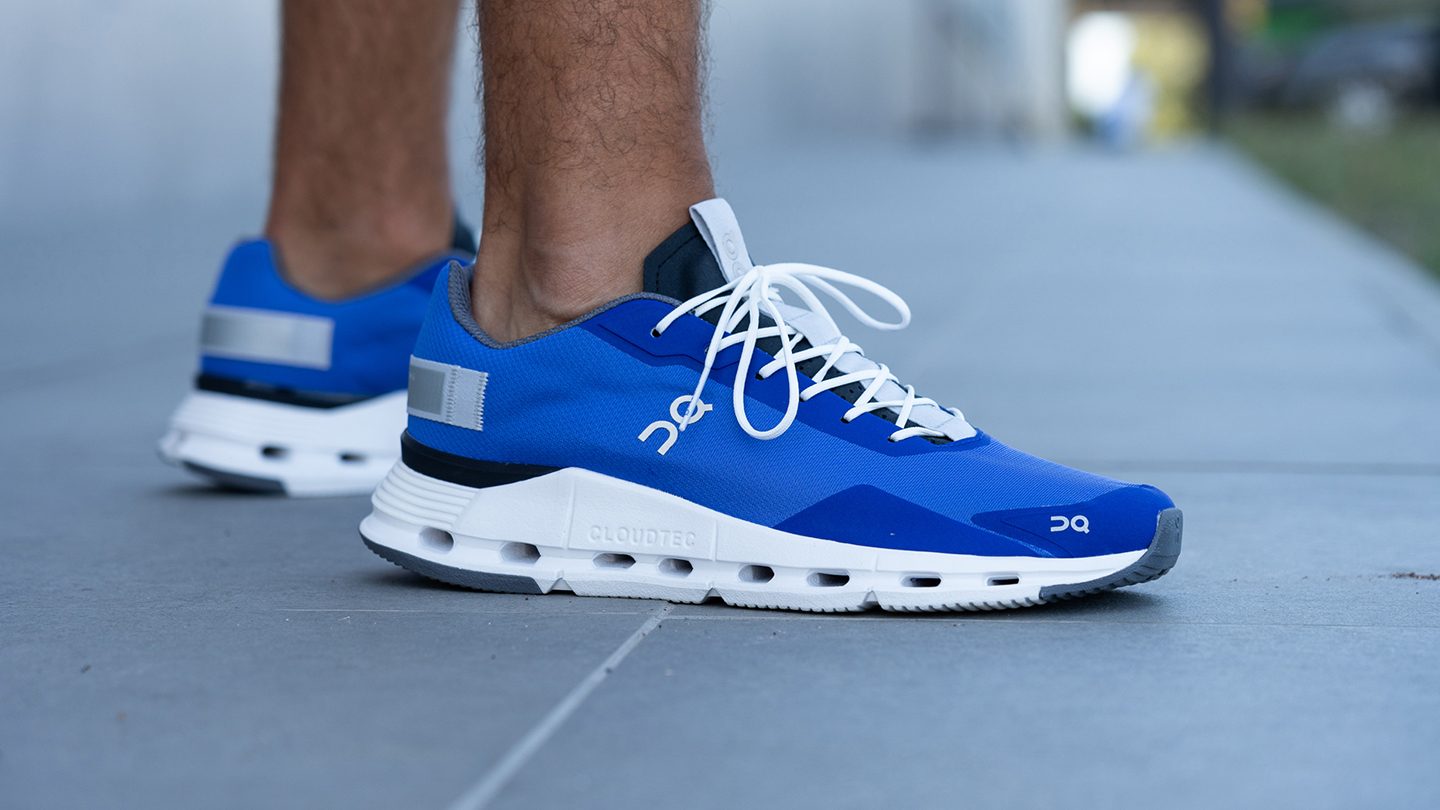
Gone are the days when “comfort shoes” were sartorial sacrifices. Today’s design landscape is a thrilling synthesis where athletic technology infiltrates casual silhouettes and classic styles are re-engineered with modern comfort features. The rise of the “athleisure” trend, as dissected by fashion industry analysts from Vogue Business to Business of Fashion, isn’t merely a fad; it’s a consumer-driven demand for versatility. A modern walking shoe can possess the clean lines of a minimalist sneaker, the rugged appeal of a trail-inspired design, or the polished look of a leather low-top. The key is in the details: a thickened, sculpted midsole borrowed from running shoe technology provides cloud-like comfort while making a bold fashion statement. A sleek, knitted upper offers a sock-like fit that looks streamlined. This fusion means you no longer need to pack an extra pair of shoes. The one you wear for a day of meetings, errands, or travel can effortlessly transition to a casual dinner, looking intentionally stylish rather than merely practical.
Fit is Everything: The Non-Negotiable Rule
All the technology and design in the world are meaningless if the shoe doesn’t fit your unique foot. This is the most personal and critical step. Renowned shoe fitter and author of “The Perfect Fit,” Dr. Alexandra Burns, often states, “Shoes are tools for your feet. You wouldn’t use a hammer to screw in a bolt.” Fitting a walking shoe requires attention beyond simple length. Width is paramount—many foot ailments arise from shoes that are too narrow, compressing the metatarsals. There should be about a thumb’s width of space between your longest toe and the end of the shoe to allow for natural foot swelling during the day and the forward motion of your gait. Always try on shoes with the type of socks you intend to wear them with, and do so in the afternoon or evening when your feet are at their largest. Walk on a hard surface, not just carpet, and pay attention to any points of pinch or slip. The shoe should feel secure and supportive from the moment you put it on, with no “break-in” period required for a well-designed modern comfort shoe.
Investment and Longevity: Cost Per Wear Wisdom
Viewing footwear through the lens of cost-per-wear is a financially and environmentally savvy strategy. A cheaper shoe that disintegrates or causes discomfort in three months is a far worse investment than a slightly more expensive, well-constructed pair that lasts for years and supports your body correctly. High-quality components—like carbon rubber outsoles, durable stitching, and resilient cushioning foams—directly impact longevity. It’s also essential to know when to retire a shoe. As a general rule, most walking shoe midsoles lose their protective cushioning after 300-500 miles of use, even if the upper looks intact. Continuing to wear them beyond this point exposes you to increased impact forces. To maximize your investment, rotate between two pairs if possible. This allows the midsole foam to fully rebound between wears, dramatically extending the functional life of both pairs. When you factor in the professional-grade comfort, injury prevention, and enduring style, the true value of a well-chosen shoe becomes clear, making its initial price a wise long-term investment in your well-being.
:max_bytes(150000):strip_icc()/when-should-i-replace-my-walking-shoes-3436325-0801-7a1840d83573471092e0380f9e230ecc.jpg)
Bringing Expertise and Value to Your Decision
Armed with this knowledge, you are now equipped to navigate the market not as a passive consumer, but as an informed individual. To bring this guide full circle, let’s translate expertise into actionable value. Many direct-to-consumer brands and specialty retailers offer significant advantages. They often provide detailed fit guides, virtual fitting tools, and generous trial periods—sometimes up to 30 or 60 days—allowing you to truly test the shoes in your daily life. Furthermore, subscribing to newsletters or following trusted review platforms can alert you to seasonal sales, where last season’s colors (with identical technology) are offered at discounted prices. The goal is to acquire footwear that represents a pinnacle of design and comfort without overpaying. Remember, the right pair is an investment in your daily joy and health. It’s the foundation for every step you take, turning the simple act of walking into a confident, comfortable, and stylish expression of your day.
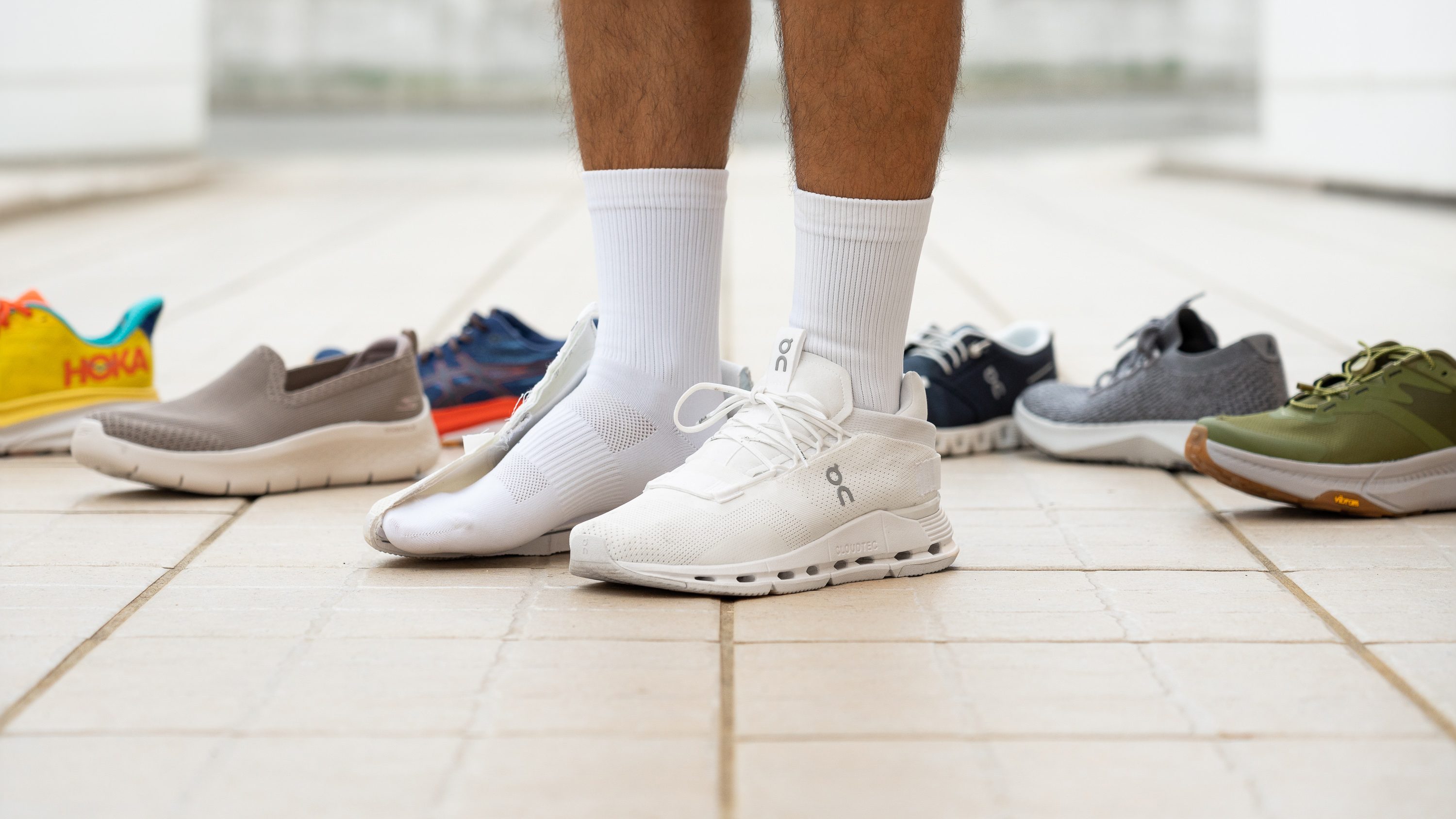
Your journey to finding the ideal everyday footwear ends not with a conclusion, but with a new beginning for your feet. You now possess the framework to evaluate, select, and enjoy shoes that are built to perform and designed to delight. Step forward with the confidence that comes from understanding the synergy between science and style, and let every pavement, hallway, and path feel a little more supportive underfoot.
