

Your Ultimate Guide to Comfort and Style for Every Outfit
Fashion and function are not mutually exclusive. The quest for the perfect ensemble often stumbles at the feet—literally. We meticulously curate tops, bottoms, and accessories, only to compromise on footwear, sacrificing comfort for aesthetics or vice versa. This ends now. The cornerstone of a truly successful outfit, one that carries you confidently from dawn to dusk, is a foundational understanding of footwear that supports both your body and your personal style. This guide dismantles the myth that you must choose between looking good and feeling good. We will navigate the intersection of biomechanics, material science, and design, proving that the right pair of shoes, particularly the versatile walking shoe, is the most powerful accessory in your wardrobe. It’s not just about a shoe; it’s about an instrument of mobility and expression.
The Anatomy of Support: Beyond the Insole
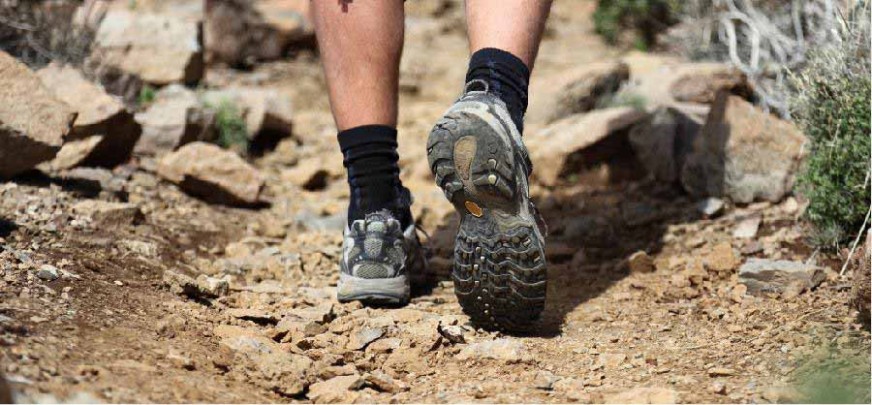
Let’s begin with a principle often overlooked: true comfort is structural, not superficial. A plush insole feels good for the first hour, but without proper engineering beneath it, your body’s architecture bears the cost. Consider the human foot: a complex structure of 26 bones, 33 joints, and over 100 muscles, tendons, and ligaments. According to biomechanics literature from institutions like the University of Calgary’s Human Performance Lab, the foot acts as both a mobile adapter and a rigid lever during the gait cycle. A shoe that fails to facilitate this dual function invites fatigue, pain, and long-term issues. The modern walking shoe is a product of decades of scientific research into this cycle. Key features include a heel counter—the firm cup at the back that stabilizes the calcaneus (heel bone)—to prevent excessive pronation or supination. The midsole, often made from advanced compounds like EVA (ethylene-vinyl acetate) or polyurethane, provides cushioning that attenuates shock, a force that can be up to 1.5 times your body weight with each step. The rocker sole, a design championed by podiatric medicine, facilitates a smooth heel-to-toe transition, reducing strain on the Achilles tendon and calf muscles. This isn’t marketing; it’s applied physics and physiology. When you understand that a well-designed shoe is a prosthetic for natural gait, your criteria shift from “pretty” to “performative.”
Material World: Where Technology Meets Texture
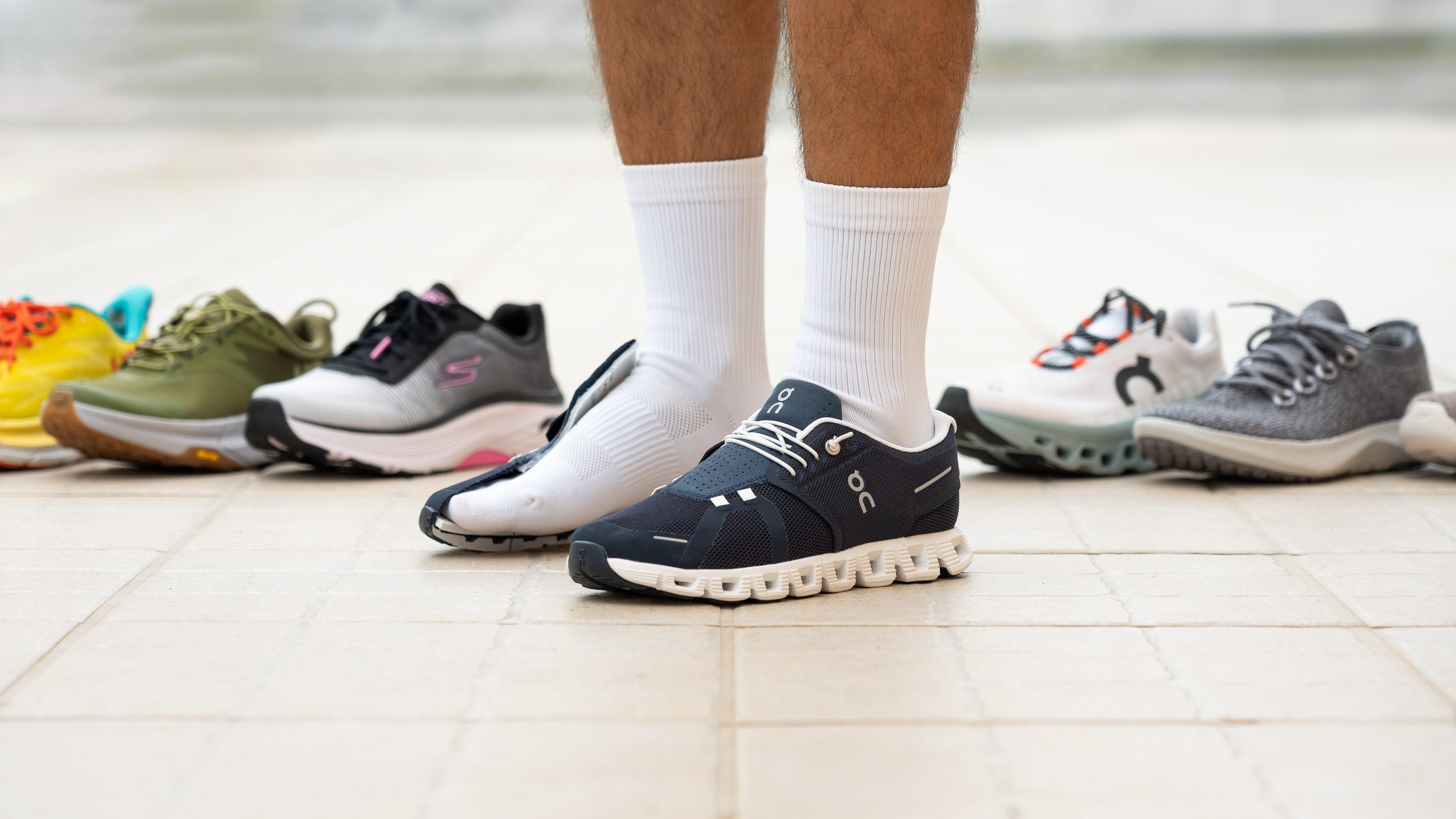
If the sole unit is the foundation, the upper is the environment. The materials enveloping your foot dictate climate, durability, and, crucially, style. The evolution here is remarkable. Traditional leather offers durability and a classic mold-to-the-foot fit but can be heavy and less breathable. Modern synthetics like engineered mesh provide targeted breathability—zones with higher weave density for structure and open areas for ventilation. This technology, frequently highlighted in reviews on authoritative sites like Runner’s World, directly impacts comfort over distance by managing moisture and temperature, preventing blisters and discomfort. Furthermore, sustainability has entered the chat. Brands are now utilizing recycled polyester, algae-based foams, and plant-dyed textiles, allowing you to make an ethical choice without sacrificing performance. The aesthetic translation is profound. A sleek, knitted upper can give a walking shoe the minimalist look of a fashion sneaker, while strategic use of suede or recycled leather panels can elevate its appearance for smart-casual settings. The point is this: the material innovation in today’s footwear allows for a shoe that breathes like athletic wear, conforms like a glove, and presents itself with the sophistication demanded by contemporary style. You are no longer choosing between a “techy” sneaker and a “nice” shoe; the categories have converged.
The Style Algorithm: Silhouettes for Every Scenario
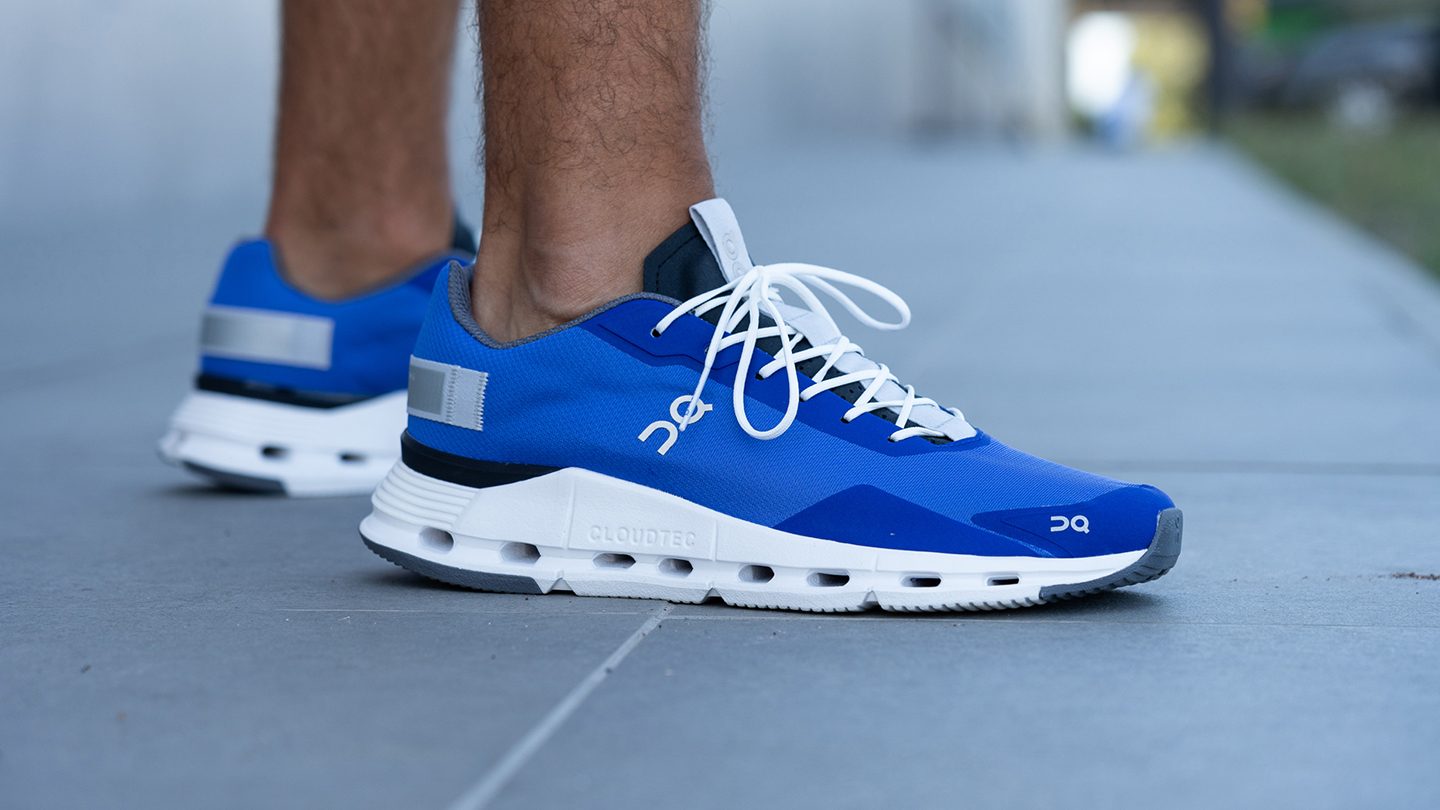
With engineering and materials understood, we can now decode style. The goal is intentional pairing, not happenstance. The fashion principle of silhouette is paramount. A shoe’s profile can complement or contradict your outfit’s lines. For tailored, straight-leg trousers or wide-leg jeans, a streamlined, low-profile walking shoe with a minimal midsole maintains a clean, elongated line. Conversely, cropped or tapered pants can balance well with a slightly more substantial, but not bulky, sneaker silhouette. Color blocking is another tool. A monochromatic shoe—think all-white or all-black—acts as a neutral anchor, letting your clothing shine. A shoe with a contrasting color pop at the heel or outsole can become the focal point of a simpler outfit. This isn’t mere opinion; it’s a practice visible in street style photography from fashion capitals and endorsed by stylists on platforms like YouTube. As celebrity stylist Law Roach, known for his work with Zendaya, has stated in interviews, “Footwear is the exclamation point of an outfit. It can whisper or it can shout, but it must always be in the same language as the rest of the sentence.” Your walking shoe should speak the language of your entire ensemble: cohesive, considered, and confident.
The All-Day Test: From Commute to Dinner
The ultimate benchmark for any shoe is its performance across the spectrum of a real day. Let’s chronicle a scenario: a day involving a walk to the train, hours on your feet in an office or museum, an evening social event, and the journey home. A traditional dress shoe might fail by midday; a flimsy fashion sneaker might leave your feet aching by evening. The modern performance-walking hybrid is designed for this marathon. The cushioning that absorbed pavement shock at 8 AM is still protecting your joints at 8 PM. The breathable upper that prevented sweat on your commute is now ensuring comfort in a crowded restaurant. This versatility is economic and practical. It embodies the “capsule wardrobe” philosophy for your feet—investing in fewer, higher-quality items that serve multiple purposes. Websites like Quora and expert Q&A forums are replete with testimonials from professionals in healthcare, retail, and hospitality who have transitioned to premium walking shoes and report a transformative difference in daily endurance. The shoe disappears in the best way possible: it ceases to be a point of concern, freeing you to fully engage with your life and style.
Investment and Intelligence: Navigating the Market
Knowledge is power, but it also leads to savings. Understanding what you’re paying for demystifies price points. A shoe priced higher often reflects advanced proprietary technologies (like Adidas’s Boost or ASICS’s Gel cushioning systems), higher-grade sustainable materials, and more sophisticated construction methods like seamless welding. However, excellent options exist at various tiers. The key is to prioritize the features that matter most to your gait and style. Brands like HOKA and Brooks, often cited in university sports medicine literature for their evidence-based designs, offer exceptional support. Meanwhile, brands like Allbirds and Cole Haan have successfully bridged the gap to fashion-forward audiences. To bring this professional knowledge to you with tangible value, consider this: direct-to-consumer brands often provide superior technology at a lower price by cutting out middlemen. Furthermore, end-of-season sales, outlet stores, and even certified pre-owned markets on specialized platforms are treasure troves. Investing in a $150 pair of shoes that lasts two years and prevents pain is infinitely wiser than cycling through three $50 pairs that cause discomfort. Your feet are your foundation; subsidizing their comfort is a false economy.
:max_bytes(150000):strip_icc()/vwt-asics-womens-gel-pulse-16-jinfeng-chen-21-712f0f140e834b84b3a8dcf0bf154771.jpeg)
The journey to effortless style and unwavering comfort begins with a single, informed step. It requires rejecting the outdated compromise and embracing footwear as a synthesis of science and art. The perfect walking shoe is out there—it has the arch support your biomechanics require, the breathable materials your feet deserve, and the sleek silhouette your wardrobe demands. It is the silent partner to your confidence, the engine for your exploration, and the final, crucial piece that unites every outfit you wear. Stop walking away from your potential. Step into it.
