Your Ultimate Guide to Chic and Feminine Outfits
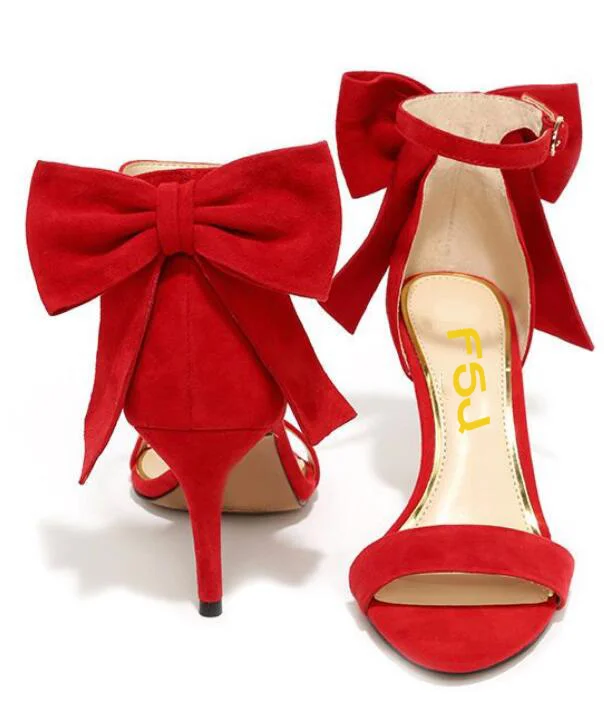
Feminine style is not a monolith dictated by fleeting trends; it is a nuanced language of self-expression, weaving together silhouette, texture, color, and detail to articulate confidence, grace, and individuality. It transcends the simplistic notion of “dressing like a lady” and instead embraces a spectrum of aesthetics—from the romantic and soft to the powerfully elegant. This guide is crafted to move beyond superficial styling tips, offering a foundational understanding of the principles that underpin chic femininity. We will dissect its core components, supported by objective insights from design theory, cultural commentary, and authoritative voices in fashion. Our journey will equip you with the knowledge to build a wardrobe that feels authentically and powerfully you, culminating in a celebration of a quintessential symbol: the bow red heels.
The Architecture of Femininity: Silhouette and Proportion
The foundation of any outfit lies in its silhouette—the shape it creates against the body. Historically, feminine silhouettes have oscillated between the restrictive and the liberated, from the corseted hourglass of the Victorian era to the flapper shifts of the 1920s. Modern chic femininity often plays with the balance between defined and fluid forms. A scientifically-informed approach, often referenced in design literature from institutions like the Fashion Institute of Technology, emphasizes the role of line and shape in perception. An A-line skirt, for instance, creates a stable, triangular form that visually narrows the waist and conveys a classic, graceful stability. Conversely, a bias-cut slip dress follows the natural curves of the body, offering a more sensual and fluid line. The key is intentionality. Understanding your own proportions allows you to manipulate silhouette for effect. A well-tailored blazer (structured) over a silk camisole (fluid) creates a dynamic tension that is both professional and softly appealing. This principle of balanced contrast is a cornerstone of sophisticated dressing, as noted by designers like Phoebe Philo, whose work for Céline championed a “quiet luxury” built on impeccable proportion and minimalist silhouette over overt adornment.
The Vocabulary of Texture and Fabric
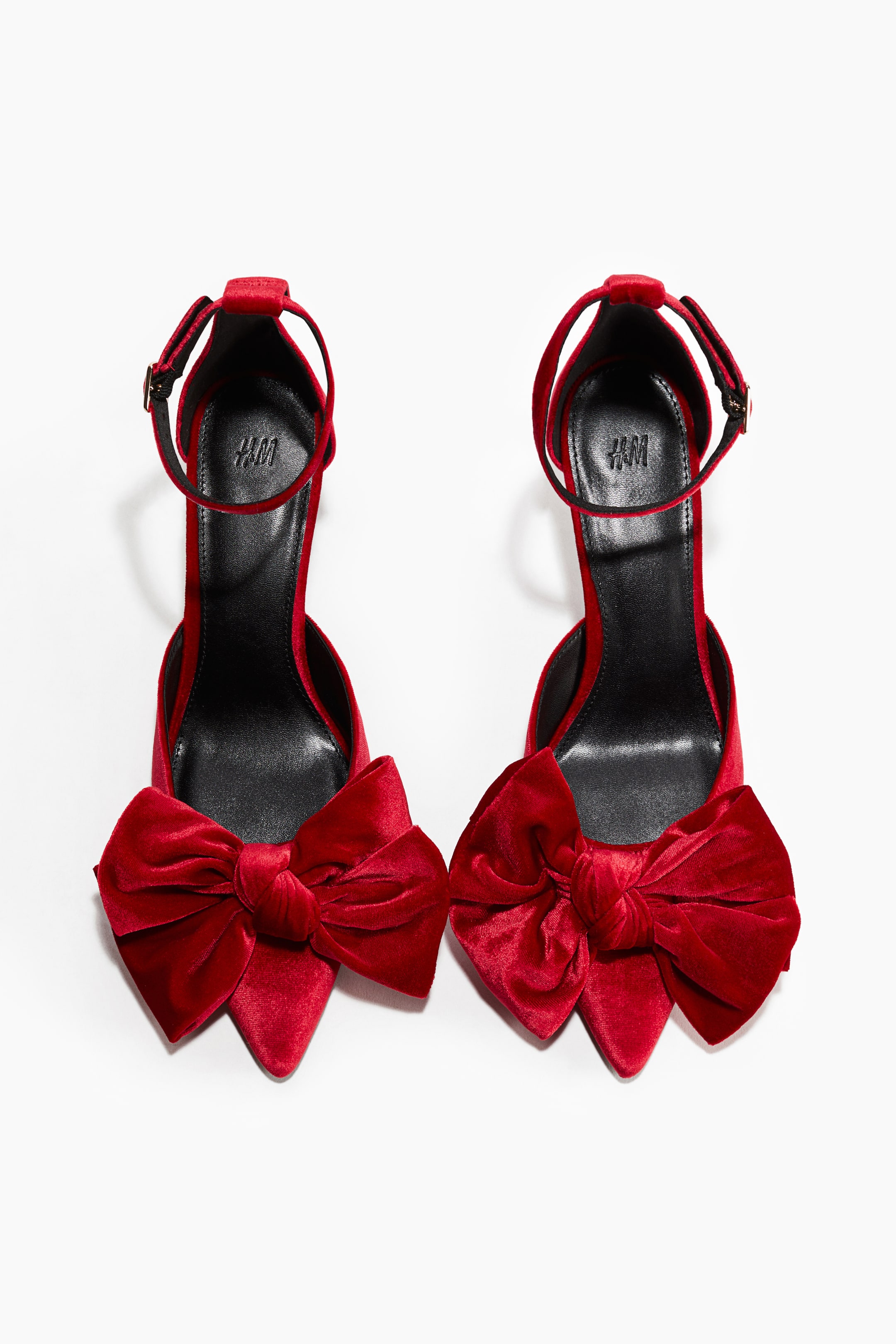
If silhouette is the grammar, texture is the vocabulary of your outfit’s language. The tactile quality of fabrics communicates subtleties that color and shape alone cannot. Scientifically, texture influences both visual weight and perceived value. Luxe, feminine textures often engage the senses: the delicate whisper of chiffon, the cool, heavy drape of silk satin, the soft, inviting pile of cashmere. As explained in textile science resources, the way a fabric interacts with light—its luster, opacity, and flow—directly impacts its aesthetic effect. Matte fabrics like cotton or wool crepe offer a grounded, modern feel, while lustrous fabrics like silk or fine rayon reflect light, drawing attention and adding a touch of glamour. A truly chic outfit often employs a mix of textures to create depth and interest. Imagine a outfit built on a foundation of crisp, white cotton poplin (structured and matte), paired with a skirt of flowing, matte jersey (fluid and soft), and punctuated by an accessory of patent leather or a silk bow. This layered textural dialogue prevents an outfit from appearing flat or one-dimensional. The authoritative fashion website Business of Fashion frequently analyzes how luxury houses leverage fabric innovation and traditional textile craftsmanship to create desire and define a brand’s feminine identity, underscoring that material choice is never incidental.
Color Psychology and the Feminine Palette
Color is emotion made visible. While feminine style is in no way confined to a pink palette, understanding color psychology, a field studied in both art theory and marketing, provides powerful tools. Traditional associations link softer hues like lavender, blush, and powder blue with calmness, romance, and gentility. However, chic femininity confidently commands the entire spectrum. The power of a bold red, as analyzed in numerous cultural studies, is universally acknowledged—it signals confidence, energy, and passion. A deep emerald green conveys richness and stability, while a vibrant cobalt blue suggests clarity and intelligence. The objective is not to follow rules but to understand the message you wish to broadcast. A monochromatic outfit in varying shades of cream and beige projects serene, sophisticated minimalism. A strategic pop of color, however, can define an entire look. This is where an accessory like a pair of stunning bow red heels becomes transformative. They anchor a neutral outfit with decisive charisma. As the iconic designer Christian Louboutin, famous for his red-lacquered soles, once stated in an interview with Vogue: “Red has a kind of vitality. It’s not a shy color. It’s a color that has a real presence.” This presence is exactly what a well-chosen color accent provides.

The Power of Detail: Where Personality Resides
Details are the punctuation marks of fashion—the commas, exclamation points, and periods that give an outfit its unique rhythm and meaning. This is the realm of personal signature. Chic femininity often employs details that are delicate, intentional, and sometimes whimsical. Think of intricate lace insets, finely pleated fabric, pearl buttons, or, most iconically, the bow. The bow, as a motif, carries centuries of cultural baggage, from frivolous ornament to a symbol of gift-wrapped perfection and poised elegance. In her book The Language of Clothes, sociologist Alison Lurie explores how such details function as non-verbal communication. A small bow at the neckline of a blouse softens a severe line; a grosgrain ribbon defining the waist of a coat adds a touch of tailored sweetness. And then, there is the ultimate statement: the bow red heels. This particular detail combines the powerful symbolism of the color red with the classic femininity of the bow, creating an accessory that is both playful and profoundly assertive. It’s a detail that doesn’t whisper but declares. When you choose such a piece, you are not just selecting shoes; you are adopting an attitude. As style icon and actress Audrey Hepburn, whose personal style is endlessly dissected in university fashion courses for its timeless femininity, demonstrated, the smallest detail—a neck scarf, a pair of elegant gloves—could elevate simplicity into an unforgettable statement.
Investment Pieces vs. Trend Accents: A Strategic Approach
Building a wardrobe with longevity requires strategic thinking, akin to managing a curated collection. The core, or “capsule,” should consist of high-quality investment pieces. These are items defined by exceptional fabric, timeless design, and versatile silhouettes: a perfectly fitted trench coat, a pair of tailored trousers, a little black dress of substantial material, and yes, a pair of exceptional heels. The rationale is economic and sartorial. As investment experts often analogize, these are the “blue-chip stocks” of your wardrobe—they may require a higher initial outlay but provide consistent value and wear over time. The cost-per-wear diminishes significantly with each use. Surrounding this core are trend accents and expressive pieces. This is where you incorporate seasonal colors, playful patterns, or statement items like our featured bow red heels. These items inject personality and current relevance without necessitating a complete wardrobe overhaul. For instance, a classic beige trench coat (investment) worn over a simple black dress (investment) is instantly revolutionized by the addition of those bow red heels (expressive accent). This approach brings professional knowledge to your closet logistics, ensuring you get both timeless style and contemporary flair, ultimately offering a form of discounted price through intelligent, long-term planning and reduced impulse buying.
The Culmination: An Ode to the Bow Red Heels
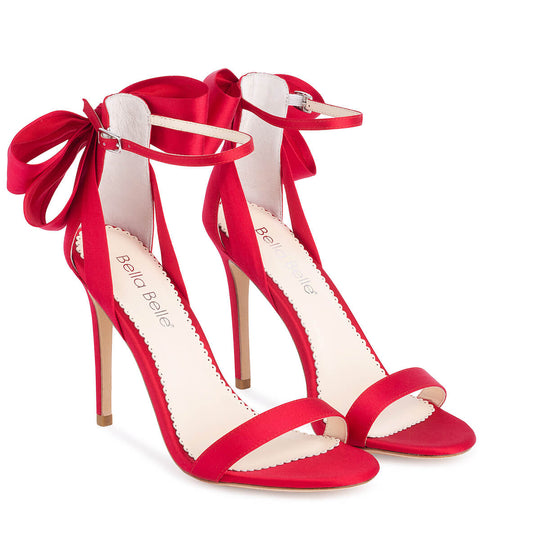
Let us now focus on the piece that encapsulates so many of these principles: the bow red heels. They are more than footwear; they are a sartorial thesis. From a design perspective, they masterfully combine multiple elements of chic femininity. The heel itself alters the wearer’s silhouette, promoting a posture that is inherently poised—a biomechanical fact that influences perception of confidence. The color red, as previously established, is a powerhouse of psychological impact, drawing the eye and commanding space. The bow detail adds a layer of intricate, deliberate craftsmanship and romantic reference, softening the shoe’s power with a note of charm. This combination is why they appear so frequently in popular culture, from the iconic ruby slippers in The Wizard of Oz (a metaphor for power and home) to the sleek designs favored by modern celebrities on red carpets. They represent a fusion of strength and sweetness, modernity and tradition. Owning and wearing such a pair is an act of sartorial confidence. They can transform the simplest jeans-and-tee combination into a deliberate look, or provide the exclamation point to an already elegant evening gown. In your wardrobe hierarchy, they are the ultimate expressive accent, a piece that consistently delivers a high emotional and stylistic return on investment.
Ultimately, chic and feminine style is a personal architecture built on knowledge of form, texture, and color, articulated through intentional detail. It is a dialogue between the enduring and the contemporary, the structured and the soft. By understanding these foundational principles, you move from following trends to authoring your own aesthetic narrative. Your wardrobe becomes a curated collection of possibilities, where every piece, from the foundational trench to the spectacular bow red heels, serves a purpose in telling your unique story. Go forth and build with intention, express with confidence, and remember that true style is not worn—it is inhabited.