

The Walking Shoe: Your Ultimate Guide to Comfort and Style
Forget the notion that comfort and style exist in separate worlds. The modern walking shoe has evolved into a sophisticated piece of footwear technology, engineered to support your body through thousands of steps while making a deliberate statement about your approach to life. This isn’t about choosing between looking good and feeling good; it’s about understanding that the right shoe fundamentally enhances both. Whether you’re navigating city streets, exploring park trails, or simply seeking all-day support, the perfect pair is a fusion of biomechanical science and aesthetic design. Let’s dismantle the old stereotypes and explore how the right footwear can transform your daily movement from a mundane task into a sustained experience of well-being.
The Anatomy of Comfort: More Than Just a Soft Sole
When we speak of comfort in a walking shoe, we are referring to a complex interplay of structural elements designed to work in harmony with the human gait. It begins with the midsole, often crafted from materials like EVA (ethylene-vinyl acetate) or polyurethane, which provides the primary cushioning to absorb the shock of heel strike—a force that can be up to three times your body weight with each step. However, as noted by researchers at the University of Virginia’s Motion Analysis and Motor Performance Laboratory, cushioning alone is insufficient without proper stability. This is where the medial post, a firmer density material on the inner side of the midsole, comes into play to control overpronation, the inward rolling of the foot that can lead to a cascade of alignment issues from the ankles to the lower back. The upper, meanwhile, must balance breathability with structure. Materials like engineered mesh allow for ventilation, preventing moisture buildup, while synthetic overlays or thermoplastic polyurethane (TPU) elements provide essential lockdown, ensuring your foot doesn’t slide within the shoe. The heel counter, the rigid cup at the back, is crucial for stabilizing the rearfoot, a feature emphasized in podiatric literature as fundamental for preventing Achilles tendon strain. Therefore, true comfort is an active, dynamic state of support, not a passive feeling of softness.
:max_bytes(150000):strip_icc()/when-should-i-replace-my-walking-shoes-3436325-0801-7a1840d83573471092e0380f9e230ecc.jpg)
Style as Self-Expression: The Aesthetic Revolution in Performance Footwear
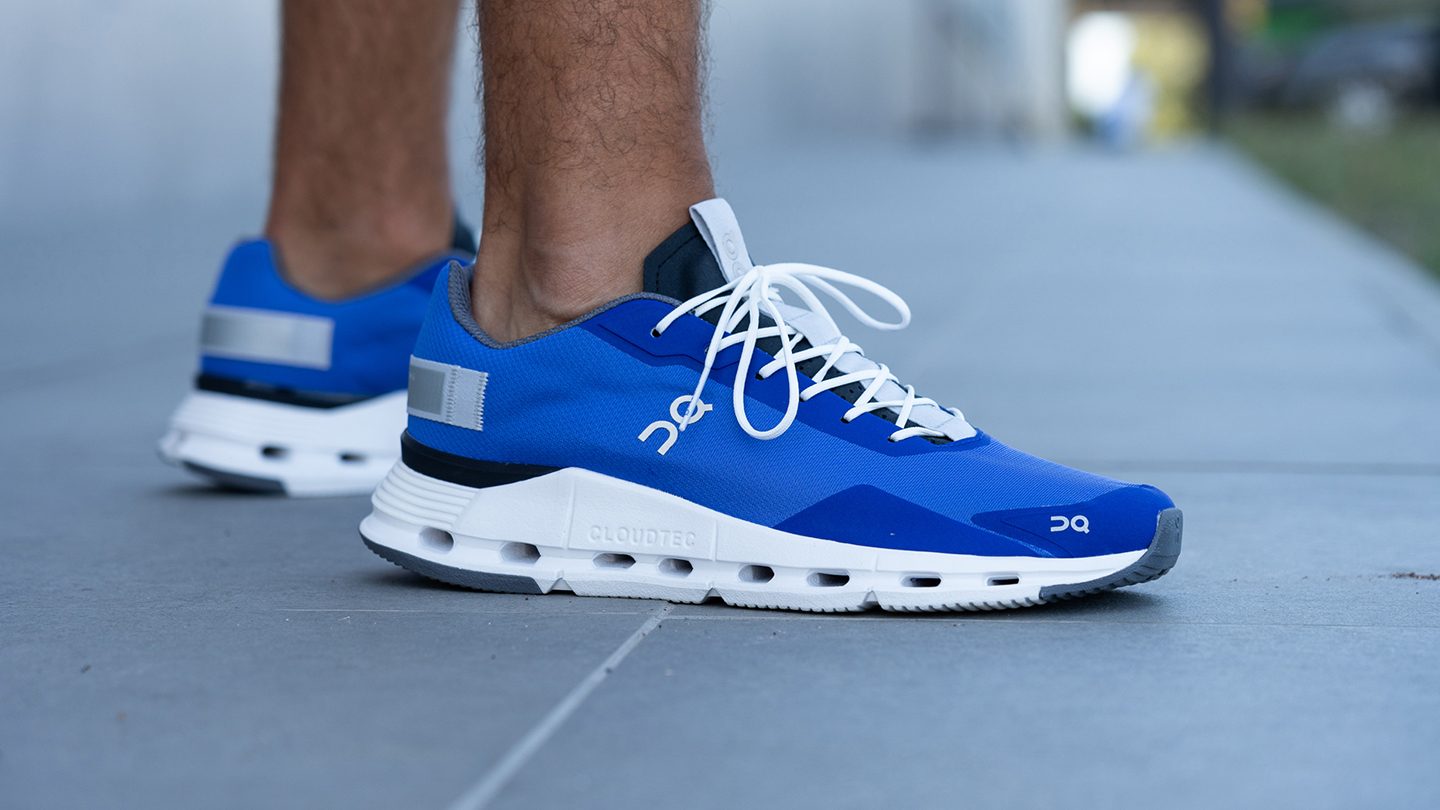
Gone are the days when functional shoes were eyesores. Today, the design of a walking shoe is a critical component of its appeal, reflecting broader trends in athleisure and the blurring of lines between gym, street, and office. From minimalist, monochromatic designs that pair seamlessly with tailored trousers to bold, color-blocked statements that become the focal point of an outfit, style in this context is about intentionality. As designer Tinker Hatfield, the visionary behind many iconic Nike silhouettes, once articulated, “Design must reflect the practical and aesthetic in business but above all… good design must primarily serve people.” This philosophy is evident in the modern walking shoe, where color theory is used to highlight structural elements, and sleek profiles are achieved without compromising toe box volume. Brands collaborate with fashion houses and artists, transforming technical footwear into wearable art. This aesthetic revolution matters because when you feel confident in what you’re wearing, your posture improves, your stride lengthens, and your entire demeanor shifts. The right shoe doesn’t just carry you; it represents you, proving that practicality and panache are not mutually exclusive but are, in fact, complementary forces.
The Critical Fit: Why Your Shoe Size is a Starting Point, Not a Rule
Perhaps the most pervasive mistake is assuming your numerical shoe size is a constant. The fit of a walking shoe is a three-dimensional puzzle involving length, width, and volume, and it varies dramatically between brands and even models. Your feet swell throughout the day and expand under load during walking, necessitating a fit that accommodates this dynamic change. A proper fit requires about a thumb’s width (roughly 1/2 inch) of space between your longest toe and the end of the shoe. The width should secure your foot without pinching, particularly across the metatarsals. As renowned ultrarunner and biomechanist Dr. Ray McClanahan often emphasizes, the goal is to allow your toes to splay naturally upon weight-bearing, which is fundamental for balance and propulsion. Furthermore, you should always try on shoes with the type of socks you intend to wear with them. A shoe that feels “snug” in the store will often become painfully tight during a long walk. Remember, a shoe that fits correctly from the first step is the single most important factor in preventing blisters, black toenails, and long-term discomfort. It’s a personalized equation where your unique foot shape is the most important variable.
Material Science: Innovations That Elevate the Everyday Walk
The fabrics and compounds used in contemporary walking shoes are the result of decades of material science innovation. The outsole, for instance, is no longer simple rubber. High-abrasion carbon rubber is placed in critical wear zones like the heel, while lighter, more flexible blown rubber might be used in the forefoot to facilitate a smooth toe-off. Some brands incorporate silica-based compounds for exceptional wet surface grip. In the midsole, we’ve moved beyond standard EVA to advanced foams like Adidas’s Boost or Nike’s React, which offer greater energy return and durability—meaning the cushioning remains resilient over more miles. The upper has seen perhaps the most dramatic transformation. Knitted uppers, made from polyester yarns, provide a truly adaptive, sock-like fit that moves with your foot. Waterproof yet breathable membranes like GORE-TEX allow for all-weather versatility without the sauna effect. These aren’t just marketing terms; they are tangible technologies that directly impact the longevity, performance, and environmental adaptability of your shoe. Investing in these materials means investing in consistent performance and protection, mile after mile.
Listening to the Experts: Voices from Science and Sport
To navigate the claims and counterclaims, it helps to ground our choices in expert perspectives. The value of proper footwear is not anecdotal; it is supported by extensive research and professional experience. For instance, the American Podiatric Medical Association (APMA) grants its Seal of Acceptance to shoes that promote good foot health, a reliable indicator for consumers. On platforms like YouTube, certified pedorthists and physical therapists, such as Bob & Brad, break down gait analysis and shoe selection with clinical clarity, offering a bridge between complex biomechanics and practical advice. In literature, books like “Born to Run” by Christopher McDougall, while focused on minimalist running, sparked a global conversation about foot strength and shoe design that influenced the entire industry, leading to a greater variety of options, including more flexible and foot-shaped walking shoes. Even on Quora and specialized forums, insights from marathon walkers and hiking enthusiasts provide real-world, long-term wear tests that can be more revealing than any lab simulation. These diverse voices collectively underscore a central truth: informed selection, based on evidence and experience, is paramount.
“The shoe is a tool. It should protect you from the ground, not change the way you naturally move. The best walking shoe is the one that disappears on your foot, allowing your body’s own biomechanics to work efficiently.” — Paraphrased from common principles in modern podiatry and biomechanics.
Making the Investment: Where Knowledge Meets Value
Armed with this knowledge, your purchasing decision becomes an act of informed self-care. A high-quality walking shoe, typically in the $120-$160 range, represents a direct investment in your musculoskeletal health. The engineering that goes into proper cushioning, stability, and durability directly correlates to reduced impact on your joints and a lower risk of injury. However, value doesn’t always mean paying full price. Savvy shoppers know to look for previous model years, which often see significant discounts as new versions are released, even though the core technology remains excellent. Many reputable retailers offer seasonal sales, loyalty discounts, and bundle offers. Furthermore, consider the total cost of ownership: a well-constructed $150 shoe that lasts for 500 miles is a far better value than a $60 shoe that breaks down and causes discomfort after 150 miles. Your time, comfort, and health are the ultimate currencies. By prioritizing the technical merits and seeking out strategic discounts, you secure not just a product, but a partnership in your daily well-being.

The journey to finding your ideal walking shoe is a personal exploration at the intersection of physiology, technology, and personal taste. It requires looking beyond superficial features to understand the engineered support within, and recognizing that a design you love will encourage you to walk more often and with greater confidence. Let this guide be your starting point—a framework for asking the right questions and seeking the right fit. Your feet are your foundation; choose the shoes that honor that foundation with every step you take.
