

The Walking Shoe: Your Secret to Effortless Style and All-Day Comfort
Let’s be honest: for years, the term “walking shoe” conjured images of clunky, purely functional footwear, often relegated to the realm of orthopedics or long tourist days. Style was an afterthought, a compromise one made for the sake of comfort. But that era is decisively over. Today, the modern walking shoe represents a revolutionary synthesis—a point where biomechanical engineering meets contemporary design, creating a category that doesn’t force you to choose between looking good and feeling good. This isn’t about a fleeting trend; it’s about a fundamental shift in how we approach daily wear. The right pair is no longer just an accessory; it is the foundation of a confident, comfortable, and stylish life, enabling you to move through your day with unparalleled ease, from the morning commute to an evening stroll, without a second thought to your feet.
The Anatomy of All-Day Comfort: It’s More Than Just Cushioning
To understand why a dedicated walking shoe is transformative, we must move beyond superficial claims and delve into the objective science of human gait and footwear design. Walking is a complex, repetitive motion involving heel strike, midfoot roll, and toe-off. A shoe designed for running, with its emphasis on forward propulsion and high-impact cushioning, does not optimally support this distinct mechanics. According to research from the Spaulding National Running Center, affiliated with Harvard Medical School, footwear should be task-specific. The key components of a true walking shoe include a flexible sole that bends naturally at the ball of the foot, facilitating the roll-through motion; a beveled or rounded heel to promote a smooth heel strike and reduce braking forces on joints; and adequate arch support to maintain proper foot alignment, preventing overpronation or supination. Dr. Casey Kerrigan, a former professor of physical medicine and rehabilitation at Harvard, has published extensively on how shoe design influences joint loads, noting that “shoes that are more flexible in the forefoot and have a lower heel height can significantly reduce knee joint torques.” This isn’t mere opinion; it’s biomechanics. The cushioning, often provided by advanced foams like Adidas’s Boost or Brooks’s DNA LOFT, must be responsive and durable, absorbing shock without being so soft that it destabilizes the foot. A well-constructed walking shoe acts as a precise tool, working in harmony with your body’s mechanics to distribute pressure, minimize fatigue, and protect your joints over thousands of steps.
From Clinic to Catwalk: The Style Revolution
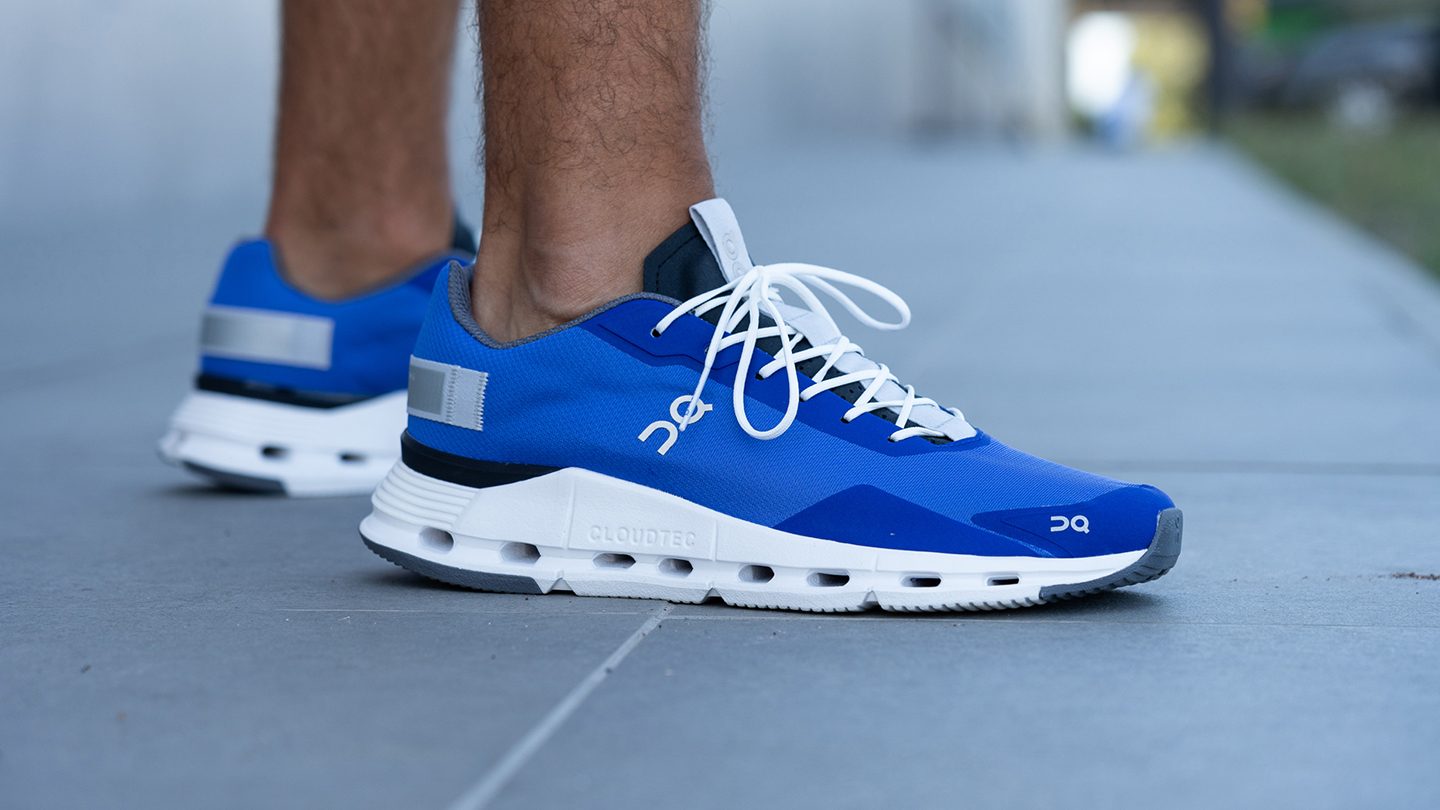
The seismic shift occurred when heritage brands, athletic innovators, and fashion designers converged on this space. The once-rigid boundary between performance wear and casual style has completely dissolved. Consider the trajectory of brands like Hoka One One or On Running. Initially embraced by endurance athletes for their maximal cushioning and stability, their distinctive, chunky silhouettes were co-opted by the fashion world, appearing on city streets and in high-end editorials. This signals a broader cultural acceptance: comfort is now a non-negotiable component of style. As designer and creative director Virgil Abloh once insightfully remarked in an interview with GQ, “The next decade of fashion is about the hybrid. It’s about taking something from a technical realm and giving it a cultural context.” The modern walking shoe is the ultimate hybrid. You can find sleek, minimalist options from brands like Cole Haan or Allbirds that pair effortlessly with tailored trousers, as well as bold, statement-making designs from Salomon or New Balance that add an athletic edge to casual outfits. This revolution means you are no longer sacrificing aesthetic appeal for physical well-being. The shoe on your foot can be a point of conversation, an expression of personal style, while simultaneously performing its primary function flawlessly. The market has responded with an explosion of choices, offering premium materials, refined color palettes, and designs that consider the entire silhouette, proving that practicality and panache are not mutually exclusive.
Investment in Well-being: The Long-Term View
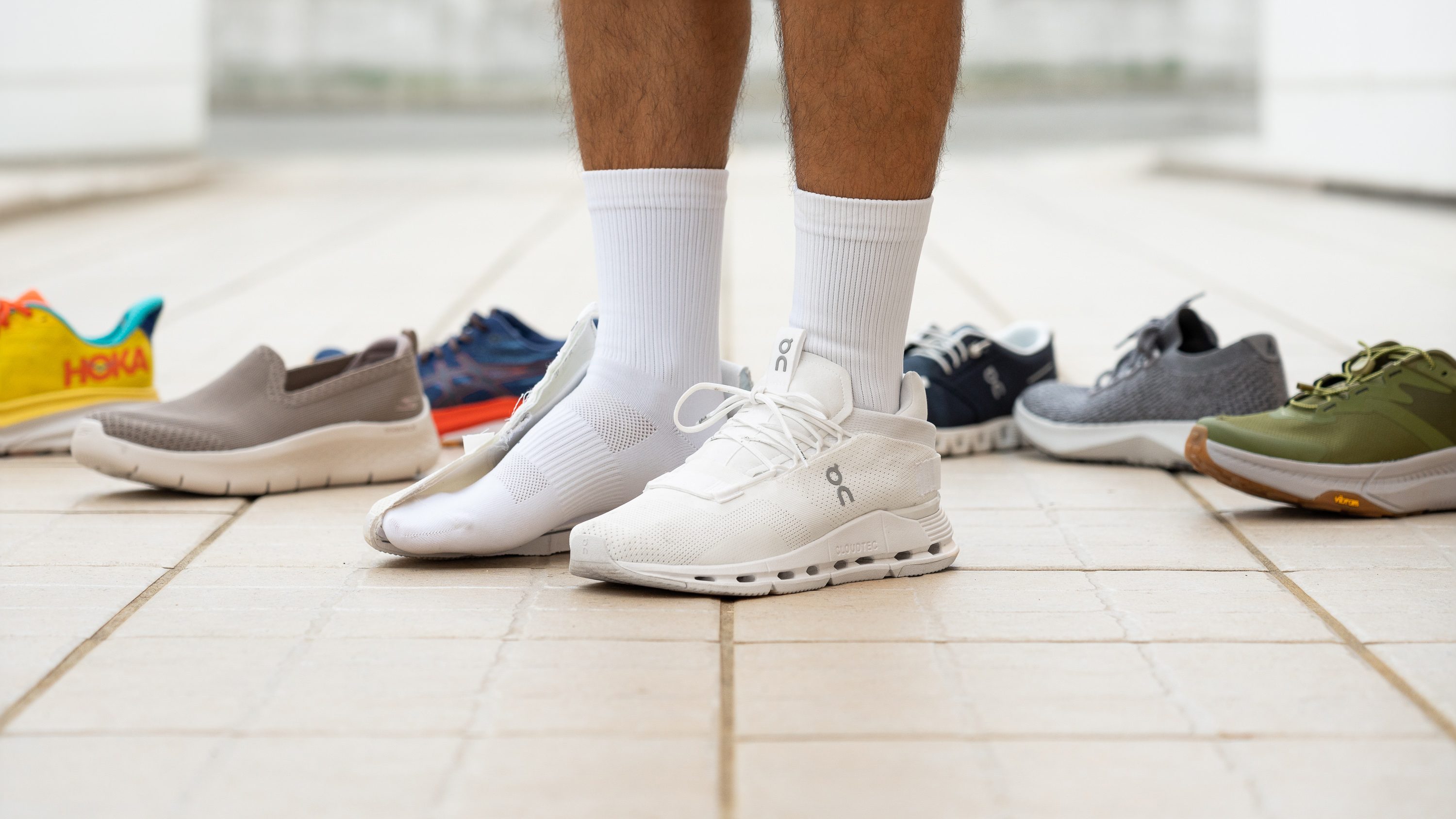
Viewing a quality walking shoe as a mere purchase is a profound underestimation; it is an investment in your long-term physical health and daily quality of life. The consequences of improper footwear are well-documented and extend far beyond transient foot pain. The American Podiatric Medical Association (APMA) consistently highlights that shoes lacking proper support can lead to a cascade of issues including plantar fasciitis, Achilles tendinitis, bunions, and even contribute to knee, hip, and lower back pain due to misalignment. Conversely, a shoe that supports the foot’s natural architecture can prevent these ailments. Think of it as preventive care. The cost of a premium pair, often ranging from $120 to $160, must be weighed against the potential costs—both financial and personal—of chronic pain, medical bills, and compromised mobility. Furthermore, the right shoe encourages more walking, which is arguably the most accessible and beneficial form of exercise. A study published by the University of Cambridge found that a brisk 20-minute walk daily can reduce the risk of premature death by up to 30%. Your shoes are the enablers of this simple, powerful habit. They are the equipment that turns a daunting errand into a pleasant, health-boosting activity. This perspective transforms the shoe from a commodity into a crucial tool for holistic well-being, paying dividends in energy, posture, and vitality every single day.
Navigating Your Perfect Fit: A Practical Guide
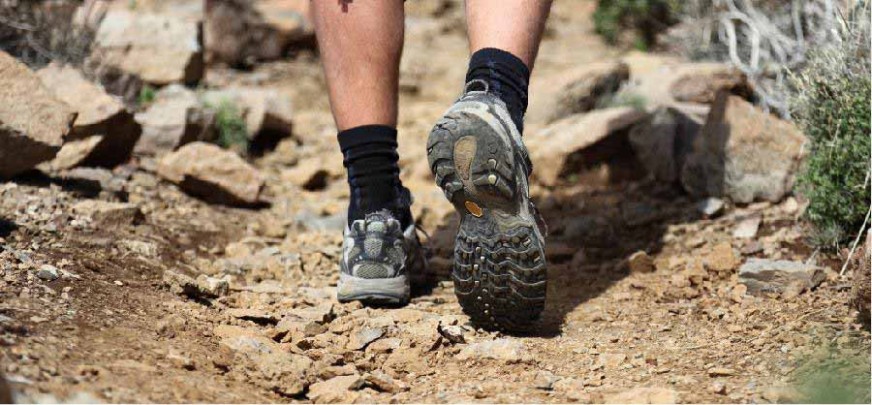
With the “why” established, the “how” becomes critical. Selecting your ideal pair is a personal journey, but guided by a few universal principles. First, prioritize fit over everything. Your feet swell throughout the day, so shop in the afternoon or evening. There should be about a thumb’s width of space between your longest toe and the end of the shoe. Width is equally important; constriction can cause neuromas and blisters. Second, understand your gait. Many specialty running stores offer free gait analysis. Are you a neutral walker, or do you overpronate (foot rolls inward)? This will determine if you need stability features. Third, consider the primary terrain. Are you mostly on paved city streets, or do you incorporate park trails? A road-walking shoe will have smoother, more flexible soles, while a hybrid might offer slightly more lug for grip. Fourth, don’t ignore materials. Breathable mesh uppers keep feet cool, while leather or synthetic leather offers more structure and weather resistance. Finally, trust the feel. The best walking shoe should feel comfortable and supportive from the first step, without a significant “break-in” period that promises future comfort at the expense of present pain. The notion that you must suffer to break in shoes is a myth perpetuated by poor design.
Where Performance Meets Value: Smart Shopping
Embracing this philosophy does not require an exorbitant budget. The market is rich with value, especially if you know where to look. Last season’s colorways or models often see discounts of 30-50% as retailers make room for new inventory, yet the core technology and performance remain identical. Outlet stores, official brand online outlets, and reputable retailers during major sales events (like Black Friday or end-of-season clearances) are treasure troves. Furthermore, several direct-to-consumer brands have disrupted the pricing model by cutting out middlemen, offering premium materials and innovative designs at more accessible price points. The key is to identify the features that matter most to you—perhaps a specific type of arch support or a particular cushioning technology—and then seek out models that offer those features. This targeted approach prevents you from paying for unnecessary bells and whistles. Remember, the goal is to bring professional-grade knowledge to your search, empowering you to make an informed decision that delivers maximum comfort and style for your investment. The perfect shoe is out there, and it doesn’t have to command a perfect price.
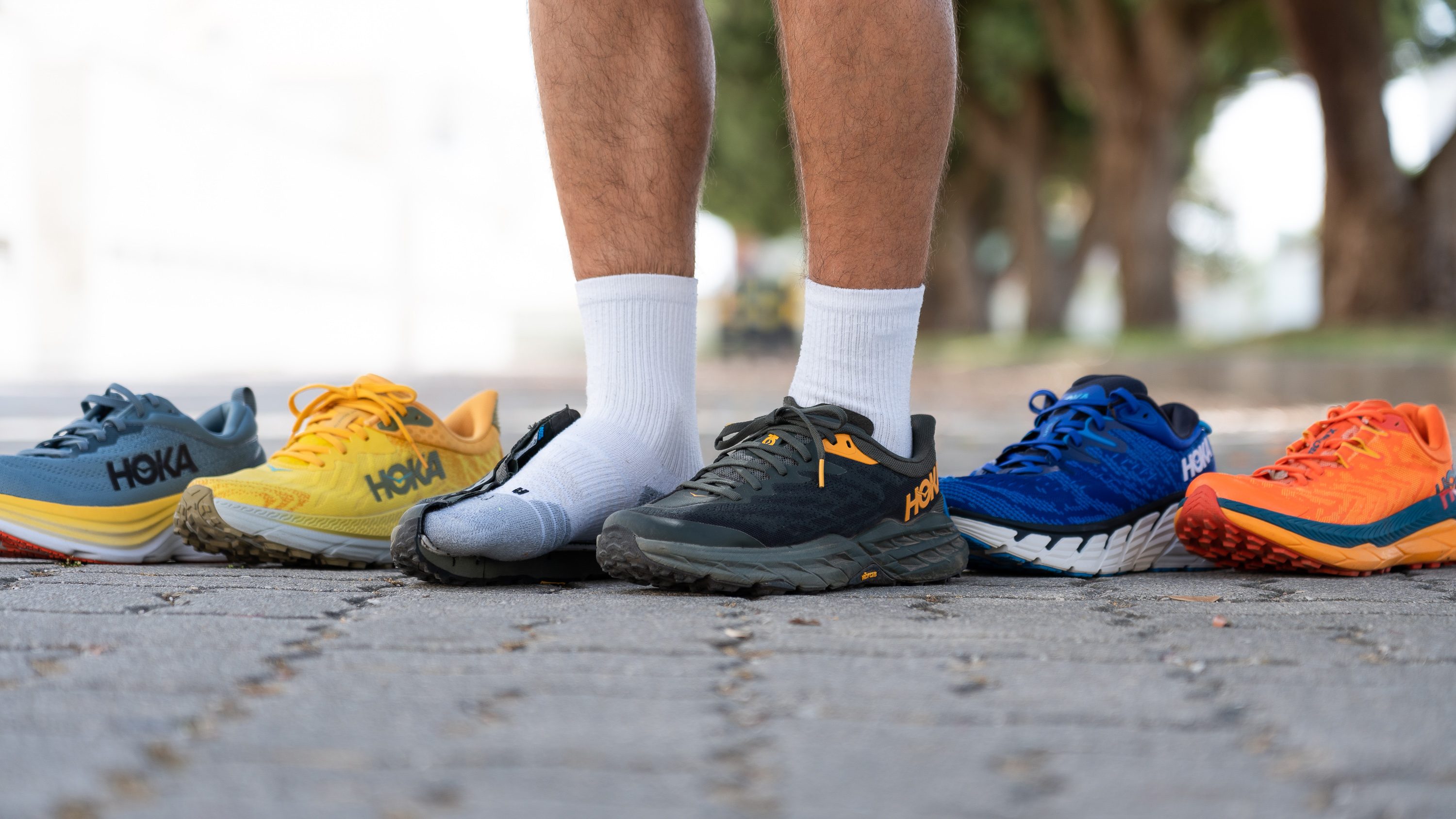
The journey through our days is composed of steps—to the kitchen, out the door, through the park, across the office, around the block. Each step is an opportunity, and what you place between your foot and the ground fundamentally shapes that experience. The modern walking shoe is the silent, steadfast partner in this journey, a masterpiece of design that has finally reconciled what was once a dichotomy. It grants you the freedom to move without forethought and the confidence to be seen without compromise. This is the new standard: a foundation of effortless style and engineered comfort, proving that the best shoe for your life is the one that disappears in its perfection, allowing you to simply live, walk, and be.
