

The Walking Shoe: Your Secret to Effortless Everyday Style
Forget the endless chase for the perfect, fleeting trend. The true cornerstone of a versatile and confident wardrobe isn’t found on the runaway; it’s grounded, quite literally, in what you put on your feet every morning. The unassuming walking shoe has evolved from a purely functional item into the silent hero of modern style, seamlessly bridging the gap between comfort, performance, and aesthetic appeal. This isn’t about bulky, technical sneakers reserved for the gym, but a refined category of footwear engineered for all-day support that looks impeccable from a morning commute to an evening stroll. Let’s dismantle the outdated notion that comfort necessitates a sacrifice in style and explore how the right pair can become the most reliable and stylish asset in your closet.
The Anatomy of All-Day Comfort: More Than Just a Soft Sole
The science behind a superior walking shoe is profound, involving biomechanics, material engineering, and ergonomic design. It begins with the midsole, often crafted from advanced compounds like EVA (ethylene-vinyl acetate) or polyurethane. According to biomechanics research from institutions like the University of Calgary’s Human Performance Laboratory, the midsole’s primary role is to absorb the shock of heel strike—a force that can be multiples of your body weight—and then provide a responsive return of energy to propel you forward efficiently. This isn’t mere cushioning; it’s dynamic energy management. The outsole’s design is equally critical. A flexible groove pattern, often inspired by the natural flexion of the foot, allows for a smooth heel-to-toe transition, while durable rubber compounds offer necessary traction. The upper must balance breathability, often through engineered mesh, with structural support through strategic overlays to prevent excessive foot movement that leads to fatigue. As Dr. Casey Kerrigan, a former Harvard Medical School professor and founder of a biomechanics-focused footwear company, has often stated in interviews, “The goal is to complement the foot’s natural function, not constrain it. Good design reduces the metabolic cost of walking, meaning your body expends less energy with each step.” This scientific foundation is what transforms a simple shoe into a tool for effortless living.
From Pavement to Patio: The Versatility Revolution
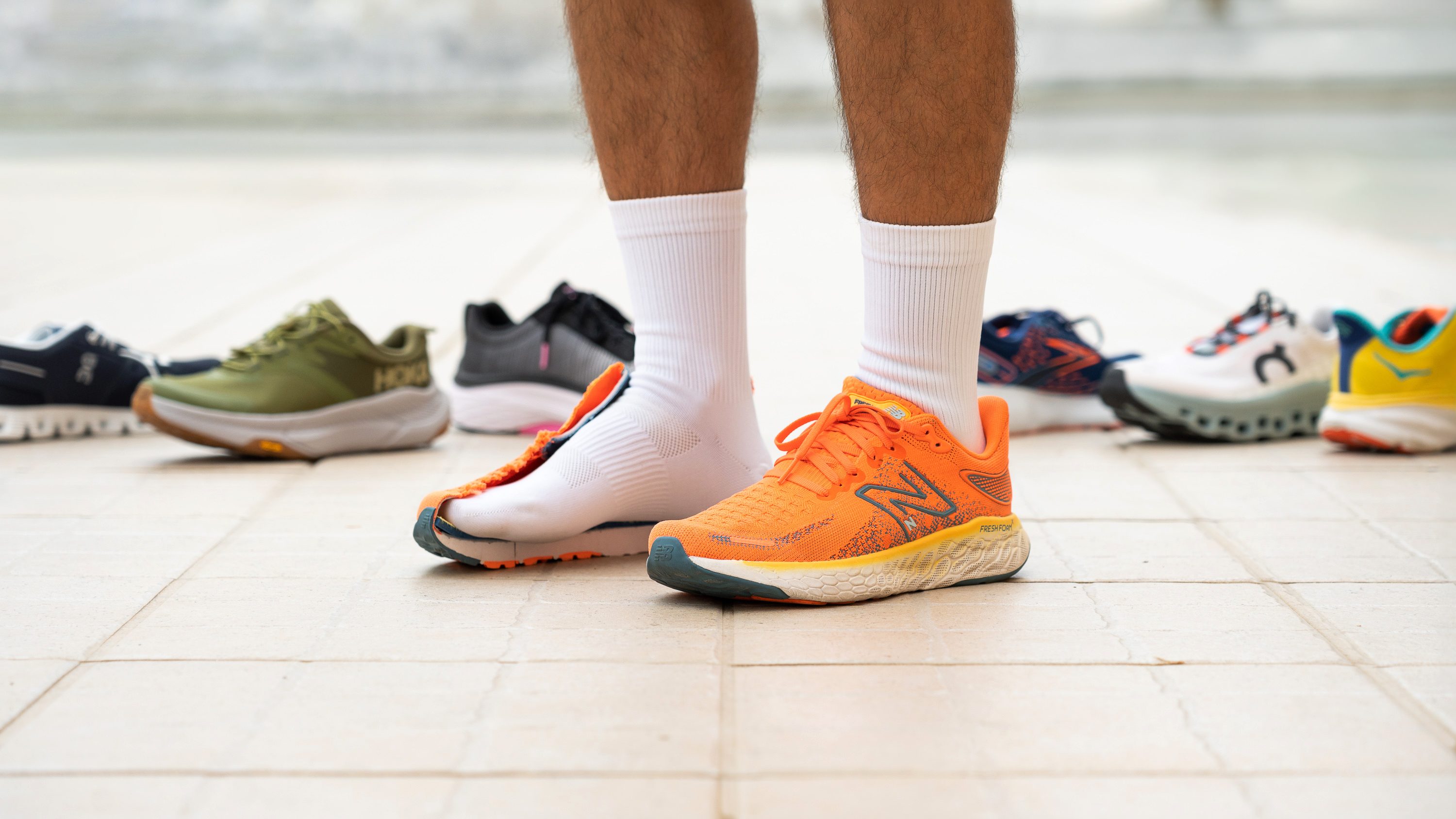
Gone are the days when comfortable shoes screamed “athletic wear only.” The modern walking shoe has undergone a design renaissance. Brands now offer models in minimalist white leather, sleek black monochrome, rich suedes, and even sophisticated tonal mesh that pairs effortlessly with chinos, tailored joggers, or even casual dresses. This versatility is the key to building a capsule wardrobe. Consider the philosophy of style icons like Meghan Markle or David Beckham, who are frequently photographed off-duty in stylish yet practical sneakers—their looks are polished, not pretentious. This shift is echoed in fashion commentary from websites like GQ and Vogue, which regularly feature “elevated sneakers” as essential for smart-casual dress codes. The right pair provides a foundational element; you can build an outfit upwards from a reliable, comfortable base. They offer the freedom to navigate a day that might include a 30-minute walk to work, hours on your feet in the office, and an impromptu social gathering, all without a second thought about your footwear. This adaptability is their superpower, liberating you from the tyranny of uncomfortable “fashion” shoes that cut your day short.
The Long-Term Investment: Health and Economics
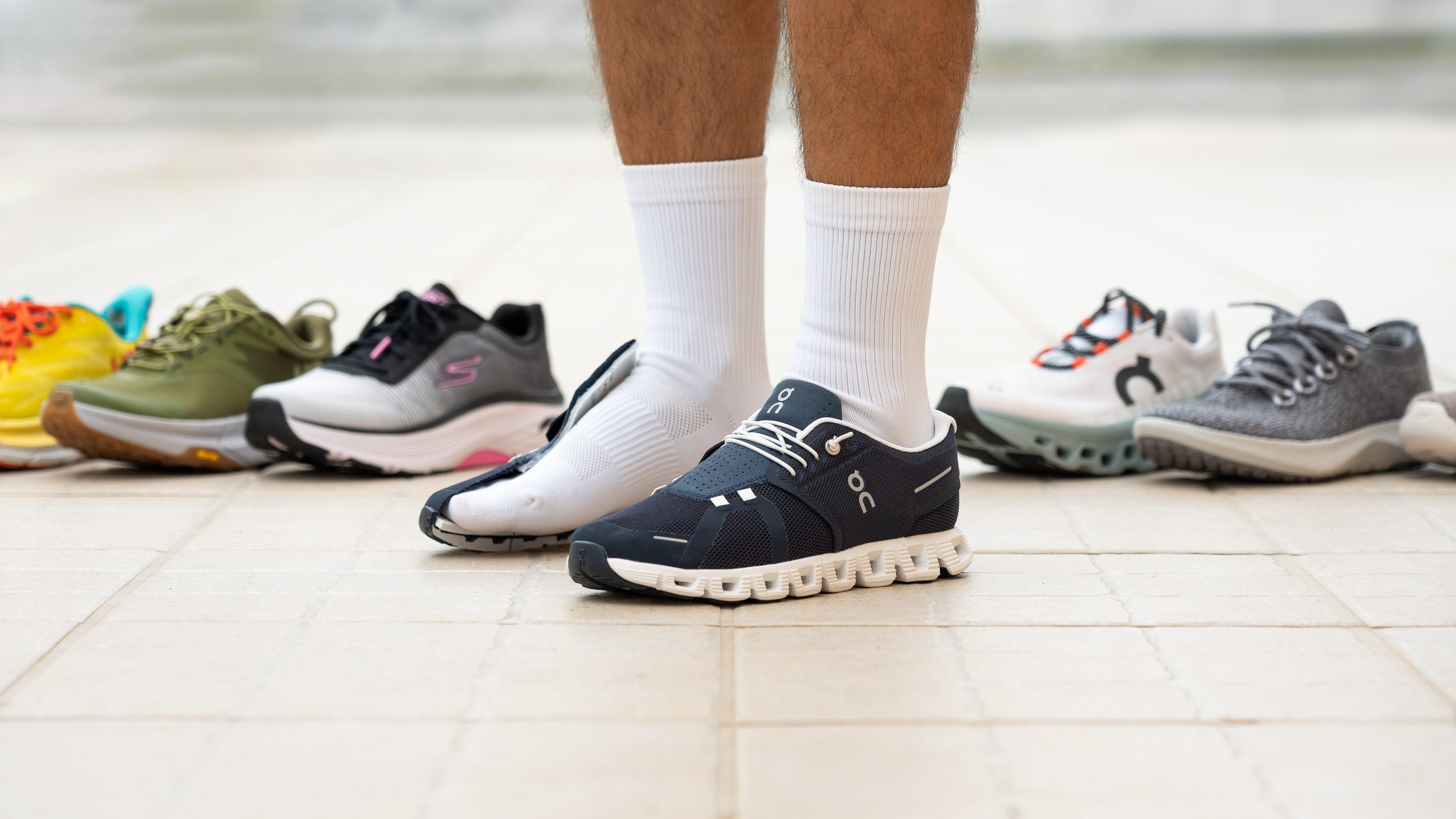
Viewing a quality walking shoe as a mere purchase is a mistake; it is an investment in your long-term physical and financial well-being. Podiatrists and physical therapists consistently warn about the repercussions of improper footwear, which can contribute to a cascade of issues including plantar fasciitis, shin splints, knee pain, and even back problems. The American Podiatric Medical Association (APMA) grants its Seal of Acceptance to products found to promote good foot health, a valuable indicator for consumers. By providing proper arch support, cushioning, and alignment, a well-designed shoe acts as preventive medicine. Economically, while the initial outlay for a premium pair from brands like Hoka, Brooks, or ECCO might be higher, their durability and the avoidance of pain-related expenses offer superior value. As the old adage goes, “Take care of your feet, and they will take care of you.” Furthermore, recognizing when to replace them is crucial. The general consensus from sources like Verywell Fit and runner’s forums is to consider replacement every 300-500 miles. If the midsole foam no longer rebounds, or the tread pattern is visibly worn, the shoe has lost its protective engineering and is now just a shaped upper.
:max_bytes(150000):strip_icc()/when-should-i-replace-my-walking-shoes-3436325-0801-7a1840d83573471092e0380f9e230ecc.jpg)
Curating Your Perfect Pair: A Personal Guide
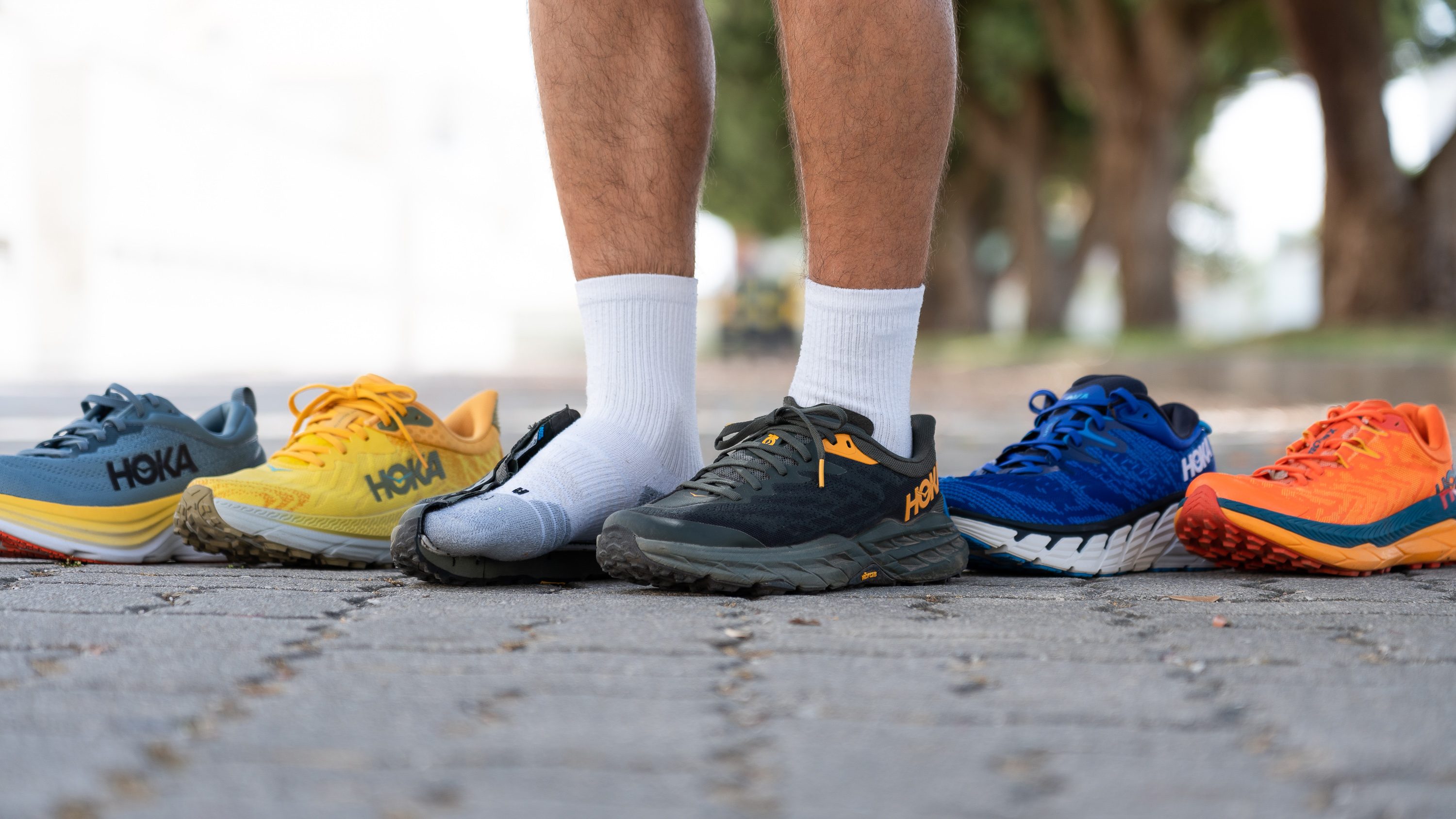
Finding your ideal walking shoe is a personal journey, as unique as your footprint. Start by understanding your gait and arch type—many specialty running stores offer free gait analysis. Do you overpronate (foot rolls inward), supinate (rolls outward), or have a neutral stride? This will guide you toward shoes designed for stability, cushioning, or neutral support. Next, consider the primary environment. Will you be primarily on urban concrete, park trails, or a mix? A road shoe prioritizes cushioning, while a light trail shoe offers more aggressive tread. Finally, be ruthlessly honest about fit. Your feet swell throughout the day, so shop in the afternoon. There should be a thumb’s width of space between your longest toe and the end of the shoe, and the heel should lock in without slippage. Don’t be seduced by a style name; be devoted to the feeling of supported, natural movement. As renowned ultrarunner and author Scott Jurek philosophizes in his book Eat and Run, “It’s not about the shoes, but what you do in them. Yet, the right shoes let you forget about your feet and focus on the journey.” Your journey begins with that perfect fit.
Beyond the Step: A Philosophy of Conscious Movement
Embracing the walking shoe is ultimately about adopting a philosophy of conscious, integrated movement. It’s a rejection of the sedentary and a commitment to incorporating activity seamlessly into the fabric of your daily life. When your footwear is no longer a barrier, you’re more likely to choose the stairs, extend your lunchtime walk, or explore a new neighborhood on foot. This mindset aligns with global wellness trends and the “active living” concepts promoted by public health organizations. It echoes the sentiment from famous films like Forrest Gump, where the simple act of walking became a transformative, cross-country journey of discovery. In literature, from Thoreau’s Walking to Rebecca Solnit’s Wanderlust: A History of Walking, the act is celebrated as fundamental to thought and creativity. The right shoe removes the friction, both physical and mental, that stands between you and that spontaneous exploration. It empowers you to move through your world with intention, comfort, and an understated style that speaks of practicality and confidence.
The quest for effortless style finds its most honest answer not in a closet full of unworn statement pieces, but in the reliable, engineered comfort of a purpose-built walking shoe. It is the foundation upon which dynamic days are built, a synthesis of proven science and considered design that pays dividends in well-being and versatility. By choosing footwear that respects the intricate mechanics of your body, you unlock a quieter confidence and a readiness for whatever path the day lays before you. This is the secret: style that doesn’t announce itself with a shout, but with the quiet, assured comfort of every step you take.
