

The Ultimate Guide to Walking in Tennis Shoes
Let’s dispel a common myth right at the start: while they might be in your closet, your standard tennis shoes are not the ideal tool for dedicated walking. This isn’t about dismissing a versatile piece of footwear; it’s about understanding the specific biomechanical demands of walking and how the design of a true walking shoe meets them. The act of walking, a seemingly simple heel-to-toe transfer of weight, involves a complex symphony of joint movements and force distributions that differ fundamentally from the lateral cuts, sprints, and jumps of tennis. Using tennis shoes for walking on a regular basis, especially for fitness or long-distance ambles, can be a compromise that leads to discomfort, inefficiency, or even injury. This guide will walk you through the science of gait, the anatomy of footwear, and why choosing the right tool for the job matters more than you might think.
The Biomechanics of Walking: It’s All in the Gait Cycle
To understand why footwear specialization exists, we must first look at the human gait cycle. According to research from the Gait Analysis Laboratory at Stanford University, the walking cycle is divided into two main phases: stance (when the foot is on the ground) and swing (when the foot is moving forward). The critical moment for footwear is the “roll-over” process during stance. In walking, the heel strikes first, with the foot then progressing smoothly along its outer edge in a motion called pronation, which helps absorb shock, before pushing off from the big toe. This creates a primary force vector that is straight forward and backward. Dr. Casey Kerrigan, a renowned biomechanist and former professor at Harvard Medical School, has published extensively on how shoe design influences joint loads. Her work suggests that even subtle features like heel geometry can significantly alter the work done by hip and knee joints. A shoe built for walking optimizes for this linear, heel-to-toe motion, providing structured cushioning exactly where the foot needs it during this specific sequence.
Tennis Shoes vs. Walking Shoes: A Design Philosophy Clash
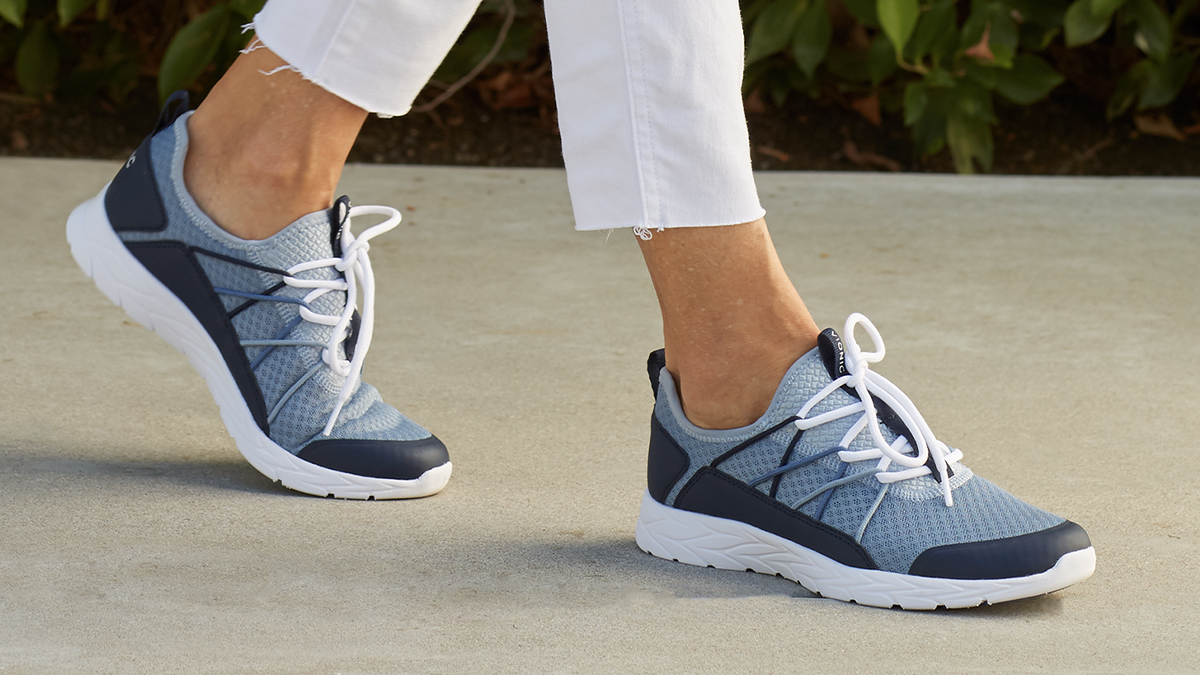
Now, place the walking gait cycle next to the demands of tennis. Tennis involves rapid, multi-directional movement—forward sprints, sudden stops, lateral shuffles, and jumps. A tennis shoe is engineered as a stability platform for these activities. Its key features tell the story: a reinforced, often abrasion-resistant toe drag pad for serves and lunges; a wide, flat sole with a herringbone or modified tread pattern for grip on court surfaces; and substantial sidewall support (the “upper”) to prevent ankle roll during aggressive side-to-side cuts. The cushioning, while present, is often firmer and more evenly distributed to provide a stable, grounded feel. When you use tennis shoes for walking, you’re essentially carrying this robust, laterally-focused architecture on a journey that requires fluid, linear flexibility. The stiff side support can inhibit the natural pronation motion of walking, while the court-focused tread may not offer the ideal heel-to-toe rocker effect or the same level of shock absorption on pavement.
Decoding the Key Features of a Purpose-Built Walking Shoe
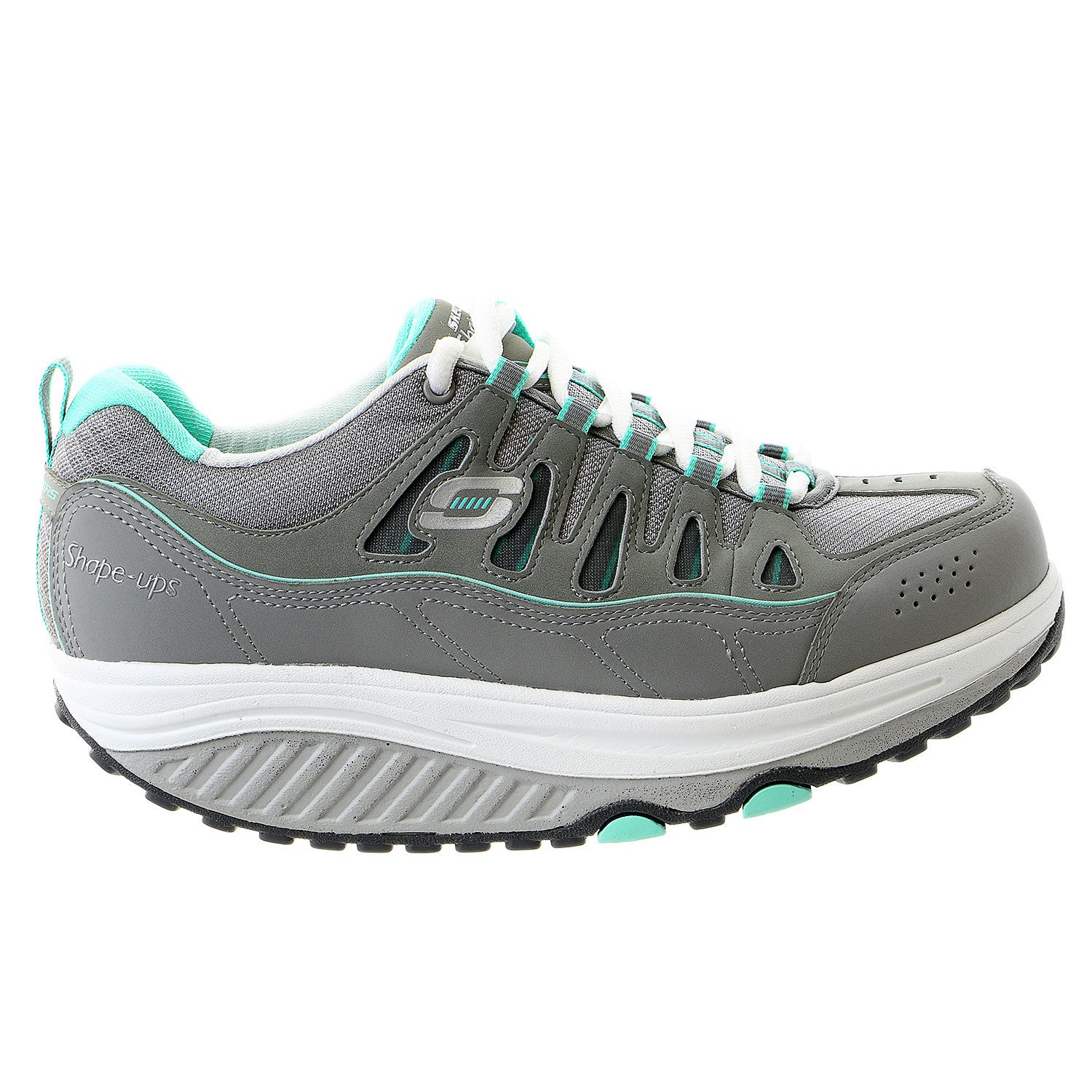
What should you look for if walking is your primary pursuit? The features are distinct and scientifically justified. First, a flexible forefoot. Bend the shoe in your hands; it should articulate easily at the ball of the foot, mirroring your toe-off. Second, a beveled or rounded heel. This design, often cited in podiatry literature, promotes a smoother heel strike and reduces the braking force with each step, making your gait more efficient. Third, targeted cushioning. Unlike the uniform feel of some tennis shoes, walking shoes often have enhanced cushioning in the heel and forefoot—the primary impact zones in the gait cycle. Brands like Brooks and New Balance, leaders in walker-specific designs, utilize materials like DNA LOFT or Fresh Foam that are calibrated for the slower, repetitive impact of walking versus the high-energy impact of a tennis match. Finally, consider the rocker sole. This subtle curvature, pioneered by brands like Hoka and extensively studied for rehabilitation, assists the foot’s natural roll-over motion, reducing strain on the Achilles tendon and calf muscles.

The Compromise and The Consequence
Is it a crime to walk to the grocery store in your old tennis shoes? Of course not. The issue arises with volume, intensity, and pre-existing conditions. Using tennis shoes for walking daily for exercise or long distances means you’re consistently working against the shoe’s design. The podiatry community, through platforms like the American Podiatric Medical Association’s public resources, notes that ill-fitting or inappropriate footwear is a leading contributor to common ailments. Plantar fasciitis, for instance, can be exacerbated by a lack of proper arch support and heel cushioning—features a dedicated walking shoe prioritizes. Shin splints may flare up from the harder, less forgiving impact of a court shoe on pavement. Even beyond pain, you’re simply expending more energy. As noted running and walking coach Jeff Galloway often states on his training blogs, “The right shoe acts like a spring, recycling energy. The wrong shoe acts like a brake.” You may finish your walk feeling more fatigued in your legs and feet than you should, all because your footwear was fighting your physiology.
Voices from the Field: What Experts and Enthusiasts Say
Don’t just take the biomechanical analysis at face value. The experience of countless walkers and the advice of experts solidify the argument. On platforms like Quora and dedicated walking forums, a common thread emerges among serious walkers: the switch from general athletic shoes to dedicated walking models was a “game-changer” for comfort and endurance. Celebrity fitness trainer Harley Pasternak, in interviews and his bestselling books, consistently emphasizes specificity in gear: “You wouldn’t use a butter knife to chop carrots. Use the tool designed for the task.” This sentiment is echoed by orthopedic surgeons on YouTube channels like “Medicine Made Simple,” who visually compare gait analyses in different shoe types, clearly showing the altered joint angles and pressure points caused by wearing stiff, laterally-stable shoes for linear motion. The collective wisdom, from peer-reviewed literature to practical community advice, points in one direction: specialization matters.
Making the Smart Choice: Knowledge Meets Value
Armed with this knowledge, your next step is an informed purchase. This is where professional knowledge translates into smart savings. First, get professionally fitted at a specialty running or walking store. Their analysis of your gait and foot type is invaluable. Once you know if you need a neutral, stability, or motion-control shoe, you can shop strategically. Last season’s models of top brands like Asics, Saucony, or Mizuno often offer 95% of the technology at a 30-50% discount. Sign up for brand newsletters and check reputable online retailers for flash sales. Remember, the most expensive shoe isn’t necessarily the best for you; the right shoe is. Investing in a proper pair of walking shoes isn’t an extravagance—it’s an investment in the sustainability of your walking habit, potentially saving you from pain, injury, and the associated costs down the line. It is a far wiser financial and health decision than persistently using tennis shoes for walking and hoping for the best.
Your Path Forward
The journey of a thousand miles begins not just with a single step, but with the right shoe for that step. The evidence from biomechanics labs, podiatry clinics, and the lived experience of walkers worldwide converges on a clear point: footwear is functional equipment. While your tennis shoes are brilliant for the court, granting stability and traction for dynamic play, they ask your feet and joints to adapt to an alien environment during a dedicated walk. Embracing a shoe designed specifically for the heel-to-toe rhythm, impact profile, and endurance of walking transforms the activity from a potential chore into a sustainable, joyful, and truly beneficial practice. Give your feet the specialized tool they deserve, and feel the difference with every stride you take on the path ahead.

