The Ultimate Guide to Vionic Walking Shoes for All-Day Support
For anyone who spends significant time on their feet, the quest for comfortable, supportive footwear is not merely about fashion—it’s a fundamental aspect of health and daily performance. Ordinary shoes often fall short, leading to fatigue, discomfort, and even long-term musculoskeletal issues. This is where specialized footwear, engineered with biomechanical principles in mind, becomes essential. Among the leaders in this field, Vionic walking shoes have carved out a reputation for merging podiatrist-developed orthotic support with contemporary style. This guide delves deep into the science, design, and real-world benefits of these shoes, moving beyond marketing claims to explore why they are a pivotal investment for your foot health and overall well-being.
The Biomechanical Foundation: Why Support Isn’t Optional
To understand the value of a shoe like the Vionic walking shoe, one must first grasp the biomechanics of walking. The human foot is a complex structure of 26 bones, 33 joints, and over 100 muscles, tendons, and ligaments. During a single step, forces equivalent to 1.5 times your body weight travel through your feet. Without proper support, particularly in the arch and heel, this can lead to overpronation (excessive inward rolling) or supination (outward rolling), disrupting the entire kinetic chain from ankles to knees, hips, and lower back. As noted by the American Podiatric Medical Association (APMA), improper footwear is a leading contributor to common ailments like plantar fasciitis, metatarsalgia, and Achilles tendonitis. The core innovation of Vionic lies in its proprietary biomechanical footbed. This isn’t a generic cushioned insole; it’s a three-zone comfort system designed to actively align the foot from heel strike to toe-off. The deep heel cup stabilizes the rearfoot, the arch support maintains the foot’s natural contour, and the forefoot platform provides a stable base for push-off. This design philosophy is rooted in orthotic theory, which, according to research from institutions like the University of Pittsburgh School of Medicine, aims to correct abnormal motion and redistribute pressure—principles that are clinically proven to alleviate pain and improve function.

Deconstructing the Vionic Difference: Key Technological Features
What separates a Vionic walking shoe from a well-cushioned sneaker? The distinction is in the intentional, podiatrist-informed engineering of every component. First, the signature Orthaheel Technology footbed is the heart of the system. It’s removable, allowing for customization with custom orthotics if needed, but its design is so comprehensive that for most users, it suffices. The EVA midsole is not just a slab of foam; it’s often dual-density, meaning firmer material is placed in critical support areas like the medial (inner) arch to prevent collapse, while softer cushioning surrounds it for comfort. The outsole is designed for flexibility at the right points—typically at the ball of the foot—to facilitate a natural gait cycle, while providing durable rubber for traction and longevity. Furthermore, many models feature a durable rubber outsole with strategic flex grooves. This attention to detail ensures the shoe works with your body’s mechanics, not against them. As Dr. Andrew Shapiro, a board-certified podiatrist, has stated in industry publications, “Footwear that incorporates functional orthotic principles can serve as a first-line intervention for many patients experiencing lower extremity discomfort.” This professional endorsement underscores the clinical rationale behind Vionic’s design, moving it from a consumer product into the realm of therapeutic devices.
From Heel to Toe: A Material and Construction Analysis
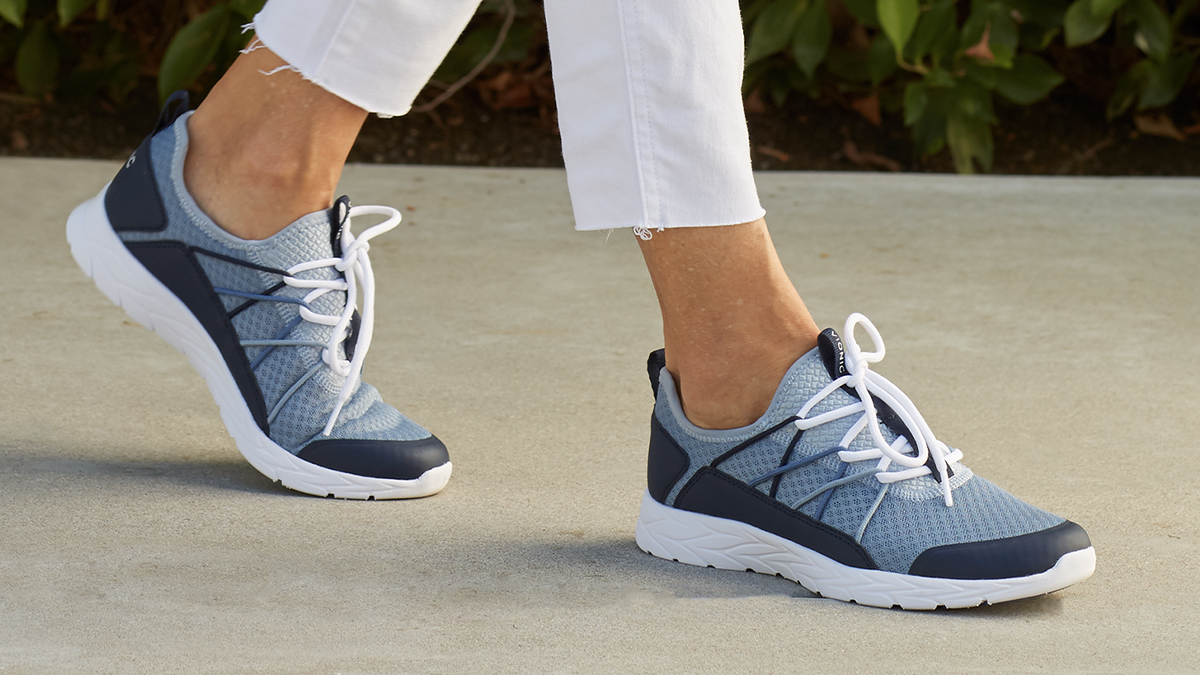
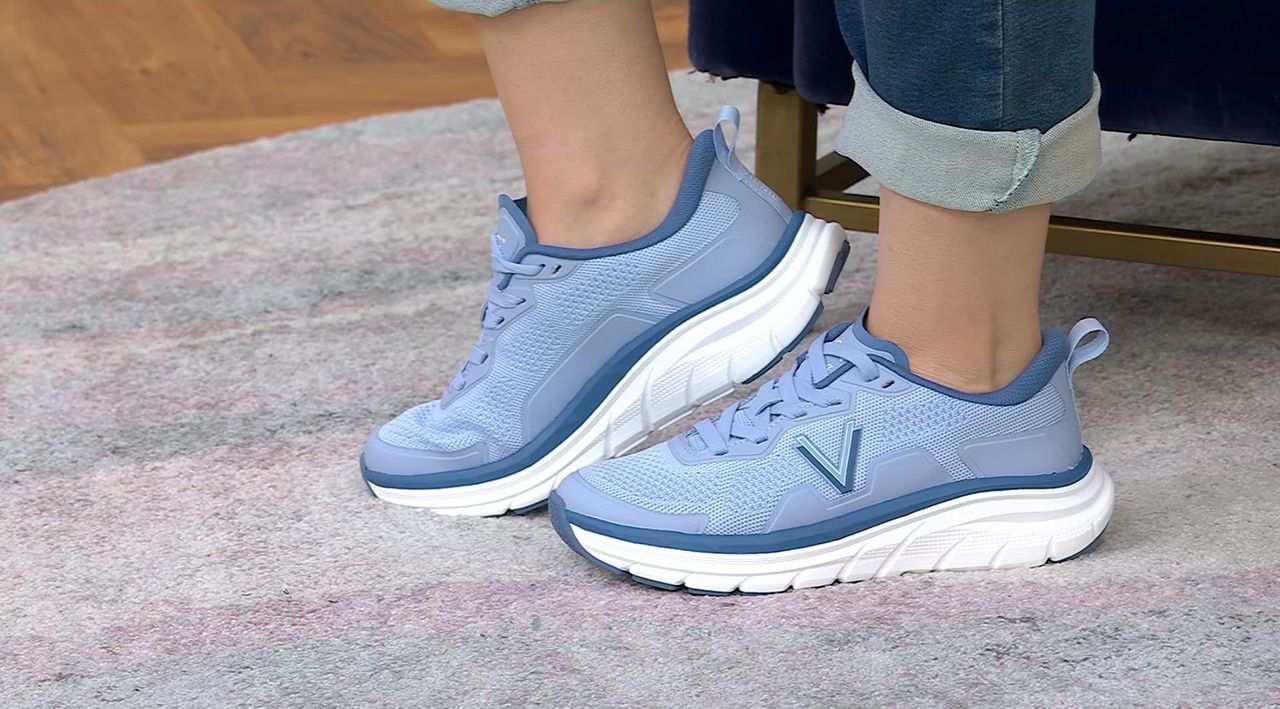
Beyond the footbed, the material choices and construction of Vionic shoes contribute significantly to their all-day comfort. Uppers are often crafted from premium leather, breathable mesh, or knit fabrics that conform to the foot without constriction. Seamless interiors minimize friction points that can cause blisters—a critical feature for long-distance walkers. The toe box is typically engineered with adequate volume and width to allow toes to splay naturally upon foot strike, which is a principle advocated by natural movement experts and is crucial for balance and propulsion. The collar and tongue are padded to protect sensitive ankle bones and the dorsum of the foot. When you combine these features with the biomechanical footbed, you get a synergistic effect. The shoe doesn’t just house your foot; it actively guides and supports its movement. This holistic approach to construction is why the Vionic walking shoe consistently earns the APMA Seal of Acceptance, a mark granted only to products found to be beneficial to foot health. It’s a testament that the design meets rigorous scientific and professional standards.
Real-World Applications: Who Benefits Most?
The utility of these shoes extends far beyond a niche group. Consider the healthcare professional logging 12-hour shifts on hard hospital floors. For them, fatigue is not just an inconvenience; it can impact concentration and performance. A study published in the “Journal of Occupational and Environmental Hygiene” found that appropriate footwear significantly reduced musculoskeletal discomfort in nurses. The Vionic walking shoe, with its shock-absorbing properties and support, is directly applicable here. Similarly, teachers, retail workers, travelers navigating airports, and avid walkers for fitness all subject their feet to prolonged standing and repetitive impact. For individuals with specific conditions like plantar fasciitis, the deep heel cup and firm arch support of a Vionic shoe can provide the tension relief needed for the plantar fascia ligament, a point frequently highlighted in patient education materials from orthopedic clinics. Even for those without acute pain, wearing supportive shoes is a proactive measure. As the famous runner and author Christopher McDougall explored in his book “Born to Run,” while focusing on minimalist running, the broader conversation is about mindful footwear choices that respect natural anatomy. Vionic offers a supported, rather than minimalist, path to that same goal of harmonious movement.
Style Meets Substance: The Evolving Aesthetic
A common historical critique of orthopedic footwear has been a lack of style. Vionic has fundamentally challenged this notion. Their designs range from classic athletic sneakers and sleek loafers to casual sandals and boots. This is a critical evolution. When people feel confident in how their shoes look, they are more likely to wear them consistently, thereby reaping the ongoing health benefits. The integration of technology is seamless; the supportive footbed is hidden within a stylish exterior. This design philosophy reflects a broader trend in wellness technology—where health features are embedded into desirable lifestyle products. You are no longer forced to choose between looking good and feeling good. This fusion is perhaps one of the brand’s most significant achievements, making podiatric health accessible and appealing to a mainstream audience.

Investment and Value: Beyond the Sticker Price
It’s true that Vionic walking shoes often carry a higher initial price point than mass-market athletic shoes. However, evaluating them solely on purchase price misses the broader value equation. First, consider the cost of not wearing supportive shoes: potential expenses for pain relievers, physical therapy sessions, orthotic inserts, and treatment for chronic conditions. A quality pair of Vionics, with their built-in, podiatrist-designed orthotic, can preempt many of these issues. Second, the construction quality—from durable outsoles to premium upper materials—typically results in a longer lifespan than cheaper, glued-together alternatives. When cost-per-wear is calculated over hundreds of comfortable miles, the investment becomes clear. Furthermore, the market often provides opportunities to acquire these shoes at discounted prices. End-of-season sales, promotions on the brand’s official website, and discounts from authorized retailers can make these premium shoes more accessible. Investing in your foot health is a long-term commitment to your mobility and quality of life, and a well-chosen pair of shoes is a cornerstone of that commitment.
“The foot is a masterpiece of engineering and a work of art.” – This often-referenced statement, attributed to Leonardo da Vinci, reminds us of the intricate design we rely on every day. Protecting that masterpiece requires equally thoughtful design in what we wrap around it.
Ultimately, the journey to finding footwear that truly supports an active, demanding life leads many to the doorstep of biomechanically engineered options. Through a combination of podiatric science, quality materials, and thoughtful design, Vionic walking shoes present a compelling solution. They stand as a testament to the idea that everyday comfort is not a luxury, but a necessary component of sustained health and vitality. Whether you are addressing specific discomfort or proactively safeguarding your well-being, the right shoe underfoot can transform your daily experience from a test of endurance into a platform for effortless movement.