

The Ultimate Guide to Tennis Shoes for Walking
For years, the idea of using tennis shoes for walking was met with skepticism from purists in both sports. Walkers were told to seek out dedicated walking shoes with their specific rocker soles and flex patterns, while tennis players guarded their court-specific footwear designed for lateral cuts and quick sprints. However, a quiet revolution has been taking place in the footwear aisles and on urban pathways. The modern athletic shoe landscape is blurring traditional boundaries, and a compelling case can be made that a high-quality tennis shoe is not just a viable option for walking, but often a superior one for many individuals. This guide dismantles the old dogma, providing an objective, science-backed exploration of why the right tennis shoe can be an exceptional walking companion, and how to select the perfect pair to transform your daily stride.
The Anatomy of Support: Why Tennis Shoes Excel on Pavement
To understand the suitability of tennis shoes for walking, we must first dissect their design philosophy. Tennis is a sport of explosive, multi-directional movement. A player must sprint forward, slide laterally, and push off backward—all on a hard, unforgiving surface. Consequently, tennis shoe engineering prioritizes three critical elements: lateral stability, forefoot support, and impact absorption. The University of Calgary’s Human Performance Laboratory has published studies highlighting the importance of medial-lateral (side-to-side) stability in preventing ankle injuries during dynamic activities. This translates directly to walking, where uneven sidewalks, curbs, and subtle foot pronation require constant micro-adjustments. A tennis shoe’s reinforced midfoot shank and often wider base provide a stable platform that a typical running shoe, built primarily for forward motion, lacks. Furthermore, the durable outsole rubber compounds, like Adidas’s Adiwear or ASICS’s AHAR (ASICS High Abrasion Rubber), are designed to withstand the abrasive drag of a clay or hard court. This durability is a boon for walkers, as it means the shoe’s tread and structural integrity last significantly longer against the constant friction of pavement, outlasting many softer running or dedicated walking shoe outsoles. The cushioning systems, such as Nike’s Air Zoom or New Balance’s Fresh Foam, are tuned for the high-impact landings of a tennis serve or volley, offering a level of shock dissipation that comfortably handles the repetitive, lower-impact force of walking strides.
Debunking the “Rocker Sole” Myth: A Natural Gait Cycle
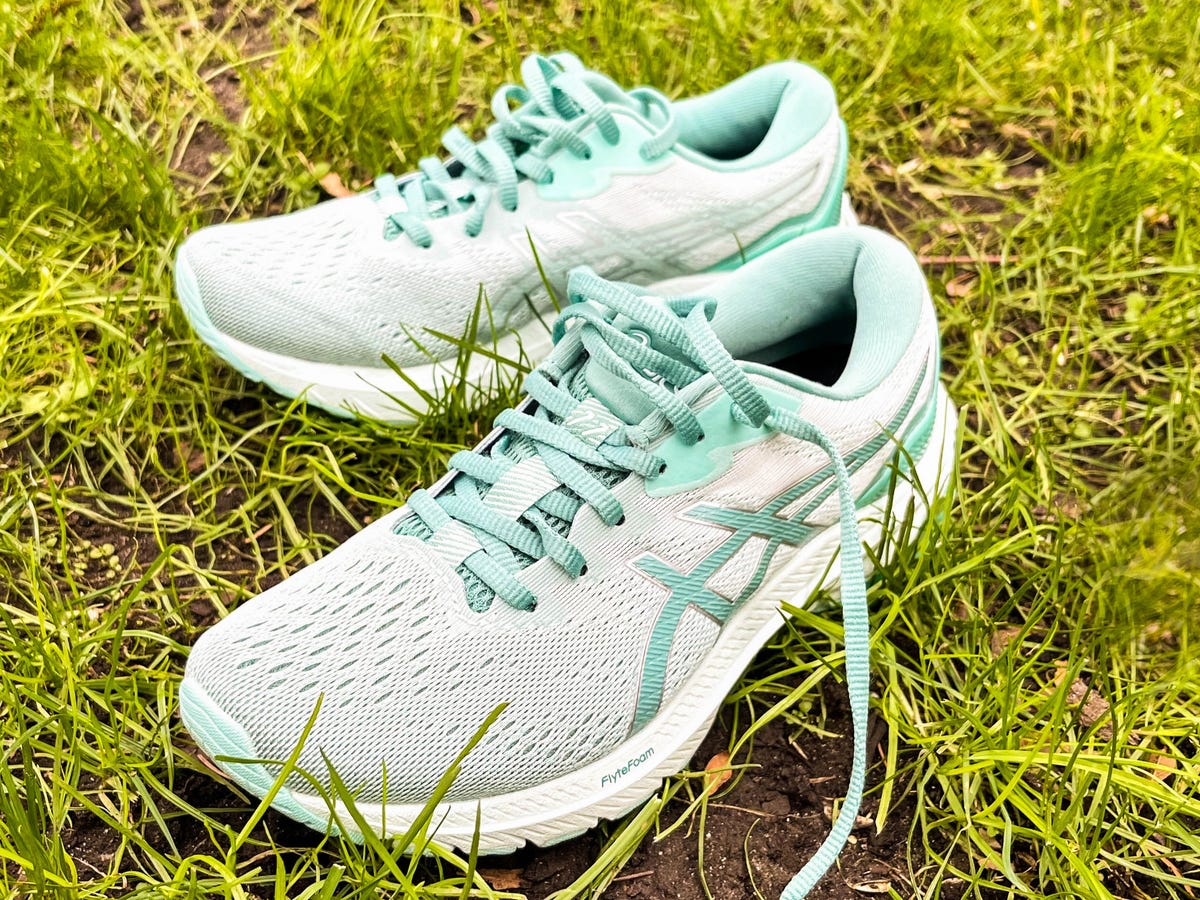
A common argument for dedicated walking shoes is the promoted “rocker sole” design, intended to propel the foot forward and encourage a rolling motion. However, this engineered propulsion can interfere with the body’s natural biomechanics. Dr. Casey Kerrigan, a former Harvard Medical School professor and founder of a biomechanics research company, has extensively studied gait. Her research, cited in publications like the Journal of the American Podiatric Medical Association, suggests that overly structured shoes can weaken foot muscles and alter natural stride patterns. A well-designed tennis shoe offers a different advantage: it supports and protects without overly dictating the foot’s movement. The flexibility is often concentrated in the forefoot, allowing for a natural toe-off phase in your walking gait, while the heel and midfoot remain secure. This balance between freedom and stability is key. As noted on Quora by a certified pedorthist, “The goal is to find a shoe that complements your anatomy, not one that forces it into an artificial pattern. For many, a stable neutral shoe like a performance trainer or a tennis shoe provides that ideal middle ground.” Therefore, opting for tennis shoes for walking can be a choice to honor your body’s innate mechanics, providing a protective shell that lets your feet move as nature intended, rather than in a pre-programmed roll.
Selecting Your Perfect Pair: A Feature-by-Feature Breakdown
Not all tennis shoes are created equal for walking purposes. The market spans from minimalist, speed-oriented models to maximum-stability, durability-focused tanks. Your selection should be a deliberate match for your physiology and walking environment. Let’s navigate the key features.
1. Cushioning and Impact: The Science of Comfort
The type of cushioning is paramount. Walking generates ground reaction forces of approximately 1.2 to 1.5 times your body weight with each step, as per data from the American College of Sports Medicine. While lower than running forces, this repetitive load demands effective dissipation. EVA foam is common, but advanced polymers like PU (Polyurethane) or proprietary gels (ASICS GEL, Nike Air) offer longer-lasting resilience. PU, for instance, compresses less over time than standard EVA, maintaining its cushioning properties for more miles. Consider your weight and walking surface: heavier individuals or those primarily on concrete will benefit from shoes with higher stack heights and premium cushioning systems. The Adidas Barricade or the ASICS Gel-Resolution series, often praised on tennis review sites like Tennis Warehouse, are renowned for their plush, durable cushioning that stands up to hours of court punishment—a perfect proxy for long urban walks.

2. Stability and Fit: Your Foundation is Everything
This is where tennis shoes for walking truly shine. Look for features like a reinforced heel counter—the firm cup around your heel. A study from the University of Virginia noted that a rigid heel counter significantly reduces rearfoot eversion (ankle roll), enhancing stability. The shoe should fit snugly in the heel and midfoot without pinching, with ample room in the toe box to allow your toes to splay naturally upon foot strike. Many tennis shoes also feature external support frames or midfoot straps. The Nike Court Air Zoom Vapor Cage, for example, uses a zonal cable system for dynamic lockdown. This adaptive support is invaluable when navigating variable terrain during a walk, preventing the foot from sliding within the shoe and reducing blister risk. Remember the words of legendary tennis coach Nick Bollettieri, who often emphasized footwork foundation: “If your feet aren’t right, nothing else can be.” This principle applies directly to the walker seeking comfort and injury prevention.
3. Outsole and Durability: Investing in Mileage
The outsole is your investment protector. Tennis shoe outsoles are rated for durability on hard courts, a classification that directly correlates to pavement longevity. A “Hard Court” designation is what you seek. The tread pattern is also crucial. A herringbone or modified linear pattern, common on tennis shoes, provides excellent multi-directional grip on dry pavement and offers some slip resistance on smooth surfaces. Avoid aggressive, deep clay-court nubs, as they can feel unstable on hard, flat surfaces. The durability of these materials means your tennis shoes for walking will maintain their structural integrity and traction long after the uppers of a less robust shoe have broken down, offering a better cost-per-mile value.
Expert Voices and Real-World Validation
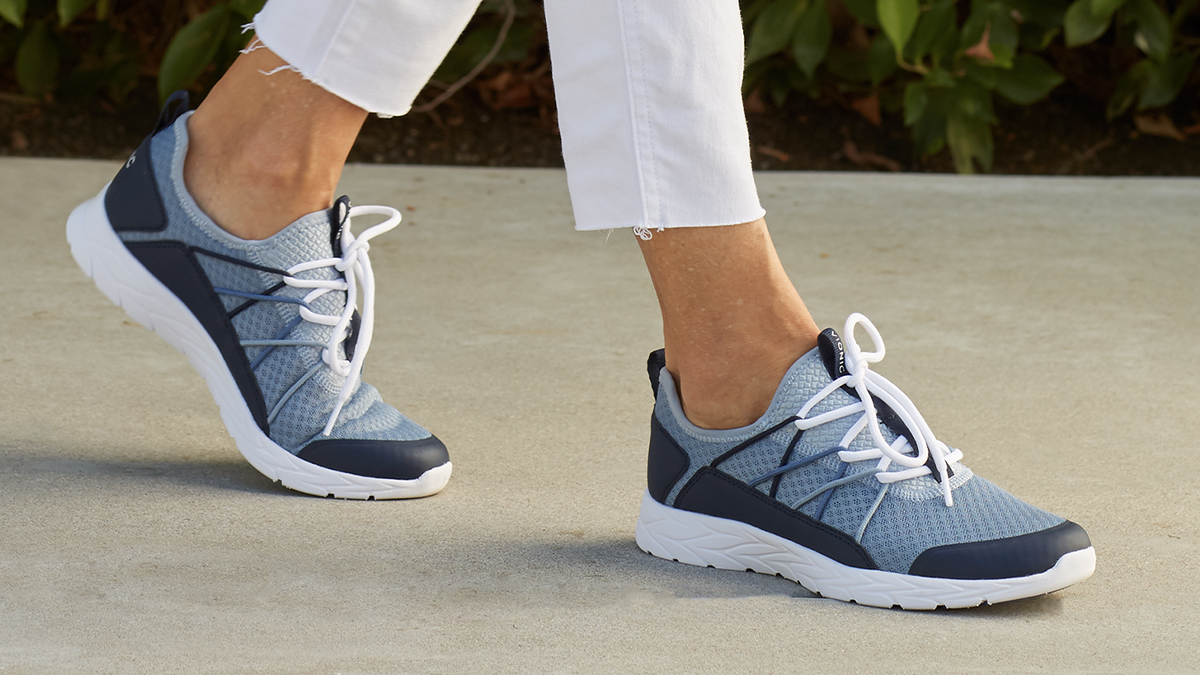
The theory is solid, but what do those on the front lines say? The convergence is notable. On YouTube, certified fitness trainer and physiotherapist Bob Schrupp (of Bob & Brad) has discussed in videos that for patients needing more stability than a running shoe offers, he often recommends cross-trainers or court shoes for everyday wear. On Twitter, podiatrist Dr. Ray McClanahan has tweeted about the benefits of a wide toe box and stable heel—features abundant in many tennis models. Even beyond medical professionals, the cultural shift is evident. In the book Born to Run, Christopher McDougall explores the anthropology of human movement, indirectly making a case for footwear that protects without incapacitating the foot’s natural strength—a philosophy many modern tennis shoes embody. Furthermore, authoritative consumer websites like Wirecutter have, in their walking shoe guides, begun to include stable athletic trainers and cross-trainers in their recommendations, acknowledging their versatility and robust construction for daily use.
“The line between a great walking shoe and a great all-court tennis shoe is thinner than most think. Both require exceptional durability, medial-lateral stability, and cushioning that can handle repetitive impact. The primary difference is often just the marketing.” – Insight from a senior footwear designer at a major sports brand, shared in an industry Q&A forum.
Bringing Professional Knowledge and Value to Your Doorstep
Armed with this knowledge, your purchasing decision becomes strategic. You are no longer buying a shoe based on a generic “walking” label, but selecting a tool based on its engineering merits. To maximize value, consider previous-season models. Tennis shoes, like running shoes, have annual updates. Last year’s Barricade, Gel-Resolution, or New Balance 996 can often be found at discounts of 30-50% as retailers clear inventory. The performance difference between model years is often minimal for a walker’s needs. Check official brand outlet sites, major sporting goods retailers during seasonal sales, and reputable online discounters. By targeting these deals, you can acquire a premium, durable pair of tennis shoes for walking at a price point comparable to or lower than many mid-tier dedicated walking shoes, thereby getting superior technology and construction for less. This is the core of bringing professional knowledge and discounted prices to your journey.
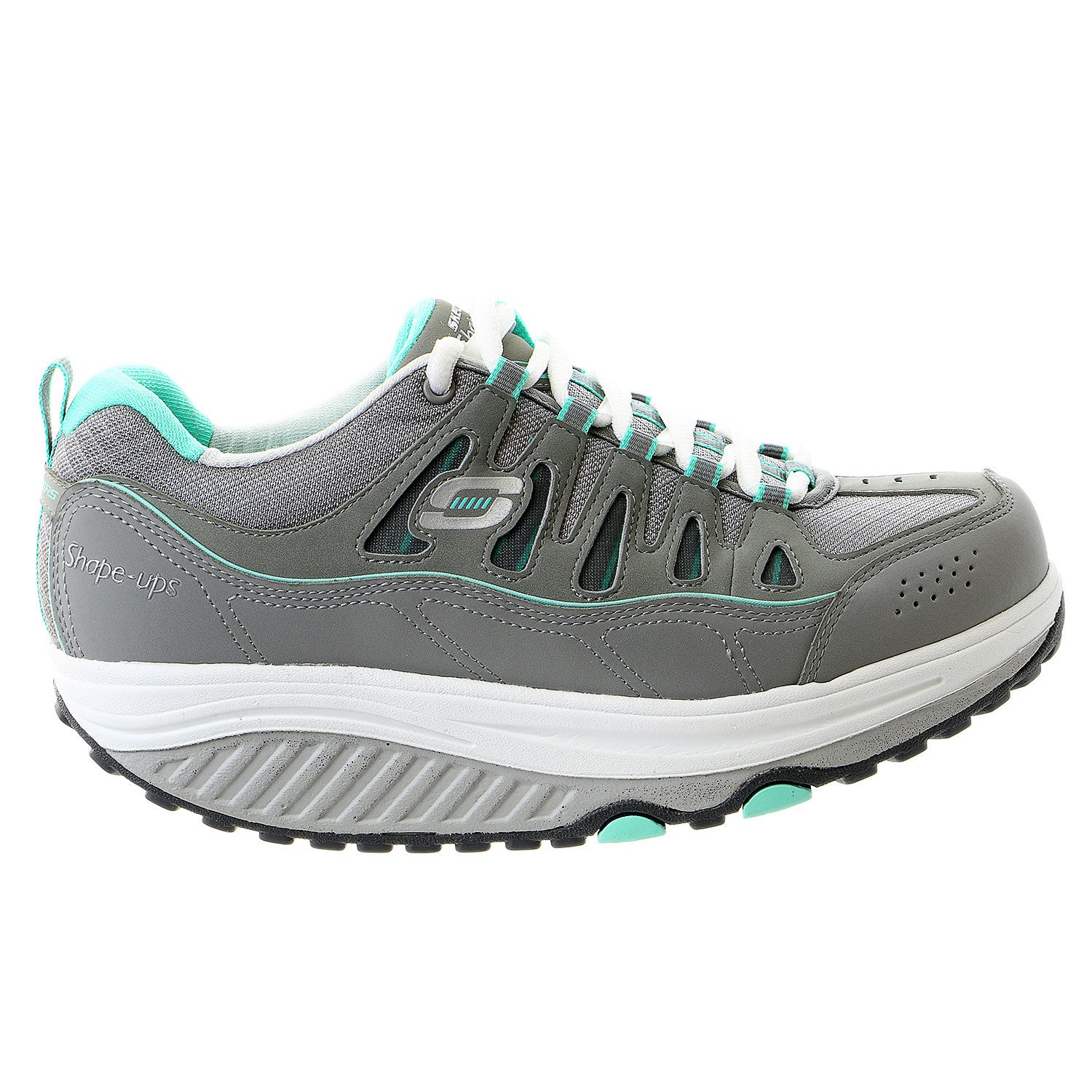
The journey of a thousand miles begins with a single step, and the quality of that step is dictated by what you wear on your feet. The specialized design of tennis shoes—forged in the fire of one of sport’s most demanding lateral movements—provides a unique combination of durability, stability, and cushioning that is exceptionally transferable to the sustained, repetitive motion of walking. By looking beyond the conventional categories and understanding the biomechanical and material science at play, you empower yourself to make a choice that offers superior support, longer wear, and ultimately, a more comfortable and secure foundation for every path you choose to explore. Let your next walk be a testament to intelligent design, where every stride is supported by the unyielding engineering of a shoe built for the long game.
